
Is Carlsbad the kind of place you grow roots—or just pass through? For many, this North County San Diego city feels like the reward at the end of a long career or the safe harbor for raising a family. For others, it’s a beautiful but expensive backdrop that never quite delivers the spontaneity or affordability they crave. Understanding Carlsbad’s vibe means understanding its tradeoffs: coastal charm and suburban comfort on one side, housing pressure and car dependence on the other.
The Emotional Landscape of Carlsbad
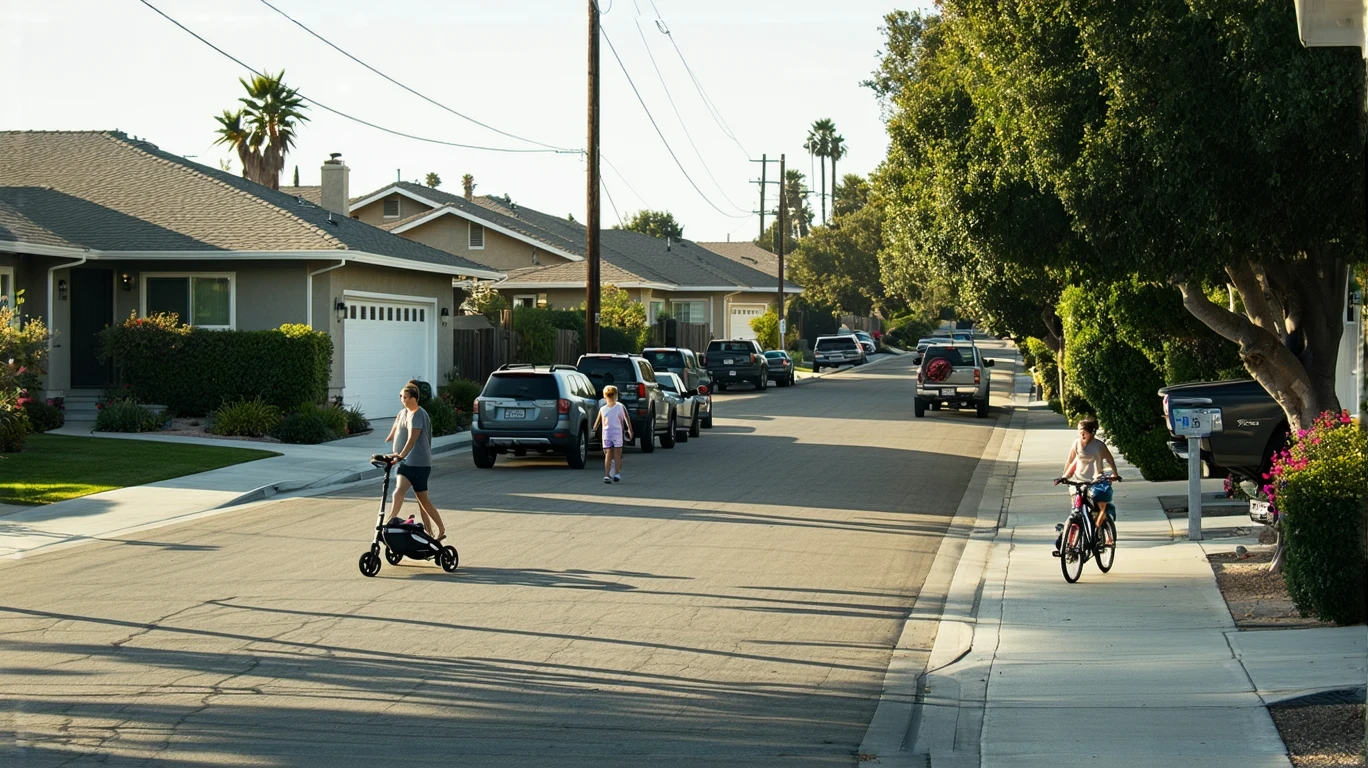
Carlsbad tends to feel like a place built for people who’ve already “made it”—or who are willing to stretch financially to secure a specific kind of life. The city’s tone is calm, polished, and family-oriented, with an undercurrent of pride in its beaches, parks, and well-kept neighborhoods. People who thrive here often describe a sense of arrival: they wanted safety, good schools, and ocean access, and Carlsbad delivered.
But that sense of arrival comes with friction for others. The city’s high cost of living and car-centric layout create barriers for renters, young professionals, and anyone hoping to live spontaneously without a vehicle. The walkable pockets—areas where pedestrian infrastructure is strong—exist, but they’re not evenly distributed. You can find yourself in a neighborhood where a morning coffee run feels easy, or one where even basic errands require planning and driving. That unevenness shapes daily life in ways that aren’t always visible until you’re living it.
Carlsbad also carries the weight of being a retirement destination. The pace is slower, the amenities skew toward families and older adults, and the nightlife is sparse. For those seeking that calm, it’s perfect. For those craving energy, density, or late-night options, it can feel isolating.
What People Are Talking About Online
Public discussion around Carlsbad—on platforms like Reddit, neighborhood Facebook groups, and local forums—tends to circle around a few recurring themes: housing competition, traffic during peak hours, pride in the beaches, and tension over growth and development.
One common sentiment: “It’s gorgeous here, but you pay for every bit of it.” That tradeoff—beauty and safety in exchange for financial pressure—comes up constantly. People who feel aligned with Carlsbad often frame the cost as worth it; those who feel friction describe feeling priced out or stretched thin.
Another recurring theme: “You need a car for everything, even though some areas feel walkable.” The city’s infrastructure supports driving first, and while rail transit is present and bike infrastructure is notable in parts of the city, most households still rely heavily on vehicles. That creates frustration for those hoping to reduce car dependency or raise kids in a more pedestrian-friendly environment.
There’s also a protective streak in local conversation. Long-time residents often express concern about overdevelopment, worried that growth will erode the small-town character they value. Newcomers, meanwhile, sometimes feel caught between gratitude for the quality of life and surprise at how insular the community can feel.
How Local Coverage Frames the City
Local news and community outlets tend to frame Carlsbad through the lens of growth, identity, and quality-of-life preservation. Coverage often reflects the tension between maintaining the city’s suburban charm and accommodating new residents and amenities. Recurring topic categories include:
- “Community Debates What Growth Should Look Like”
- “Coastal Access and Environmental Stewardship Remain Priorities”
- “Families Drawn to Schools and Safety”
- “New Amenities Arrive as Town Identity Evolves”
- “Residents Weigh Convenience Against Quiet”
The tone is rarely alarmist, but it’s not purely celebratory either. There’s an ongoing conversation about what Carlsbad is becoming, and whether that evolution aligns with what long-time residents hoped for. For prospective movers, this framing suggests a city in transition—comfortable and established, but not static.
Review-Based Public Perception
On platforms like Google Reviews, Yelp, and Nextdoor-style forums, Carlsbad’s public perception splits along expectation lines. Those who wanted suburban comfort, coastal access, and family-friendly infrastructure tend to leave glowing reviews. Those who expected urban texture, walkability everywhere, or affordability tend to express disappointment.
Positive themes include praise for the beaches, the sense of safety, the quality of schools, and the overall “put-together” feel of the city. People often describe Carlsbad as clean, quiet, and well-maintained—a place where you can raise kids without constant worry.
Critical themes focus on cost, car dependency, and limited variety. Some reviewers note that housing pressure makes it hard to stay long-term, especially for renters. Others describe the city as lacking spontaneity: “Everything closes early, and you have to drive to find anything interesting.”
Neighborhood variation also appears in reviews, though often in broad terms. Newer planned areas tend to feel more uniform and family-focused, while older pockets near the coast or village area offer more walkability and character. That distinction matters for people trying to predict daily life—where you land in Carlsbad shapes how much you’ll rely on your car and how connected you’ll feel to the community.
How Carlsbad Compares to Nearby Cities
| Dimension | Carlsbad | Oceanside | Encinitas |
|---|---|---|---|
| Overall Vibe | Polished, family-oriented, calm | Grittier, more affordable, diverse | Bohemian, surf-focused, laid-back |
| Housing Pressure | High, competitive, expensive | Moderate, more accessible | High, but with more rental variety |
| Walkability | Pockets of walkability, mostly car-dependent | Some walkable areas near downtown | More walkable, especially near coast |
| Nightlife & Energy | Quiet, limited late-night options | More bars and live music | Casual, beach-town nightlife |
| Family Appeal | Very strong, school-focused | Moderate, more working-class | Strong, but more eclectic |
Carlsbad sits between Oceanside’s affordability and Encinitas’s bohemian character. If you prioritize safety, schools, and a polished suburban feel, Carlsbad tends to deliver more consistently than its neighbors. If you need lower housing costs or more urban texture, Oceanside may feel more accessible. If you want a surf-town vibe with more walkability and quirk, Encinitas might align better—though it brings its own cost pressures.
None of these cities is objectively “better.” The question is which set of tradeoffs matches your priorities. Carlsbad rewards those who value calm and family infrastructure; it frustrates those who need spontaneity, density, or budget flexibility.
What Locals Are Saying
“We moved here for the schools and the beach access, and it’s been everything we hoped for. Yes, it’s expensive, but we feel like our kids are growing up in a safe, healthy environment.”
“I love the weather and the trails, but I didn’t realize how much I’d miss having a walkable downtown. You have to drive everywhere, even just to grab coffee.”
“Carlsbad feels like a retirement community sometimes. It’s quiet, which is nice, but if you’re looking for energy or nightlife, you’ll be disappointed.”
“The cost of living here is brutal. We’re renting, and every lease renewal feels like a negotiation. I’m not sure how long we can stay.”
“I’ve lived here for twenty years, and I’ve watched it change. It’s still beautiful, but it’s lost some of its small-town charm. Everything feels more crowded and expensive.”
“As a remote worker, Carlsbad has been perfect. I don’t need to commute, so I can enjoy the lifestyle without the traffic stress. It’s exactly what I wanted.”
“There’s a lot to like here, but you have to be realistic about where money goes. If you’re not financially comfortable, it’s hard to enjoy what the city offers.”
Does Carlsbad Feel Like a Good Fit?
Carlsbad’s emotional profile is one of comfort, safety, and coastal access—balanced against high costs, car dependence, and limited spontaneity. It tends to work well for families with school-age children, retirees seeking a calm coastal environment, and remote workers who can afford the premium and don’t need urban density. It tends to frustrate young renters, singles seeking nightlife, and anyone hoping to live car-free or on a tight budget.
The city’s infrastructure reflects its priorities: family amenities are present, healthcare access includes a hospital, and rail transit offers some alternatives to driving. But the walkable pockets are just that—pockets. You’ll find areas where errands feel manageable on foot, but most of the city requires a car for daily life. That unevenness means your experience will vary depending on where you land.
If you’re considering Carlsbad, the question isn’t whether it’s “happy” or “good”—it’s whether its specific tradeoffs align with your lifestyle needs. If you value calm, safety, and coastal beauty, and you’re willing to pay for it, Carlsbad delivers. If you need affordability, density, or car-free living, the friction will likely outweigh the rewards.
How this article was built: In addition to public economic data, this article incorporates location-based experiential signals derived from anonymized geographic patterns—such as access density, walkability, and land-use mix—to reflect how day-to-day living actually feels in Carlsbad, CA.
The perspectives shown reflect commonly expressed local sentiment and recurring themes in public discussion, rather than individual accounts.