
The Housing Market in Murrieta Today
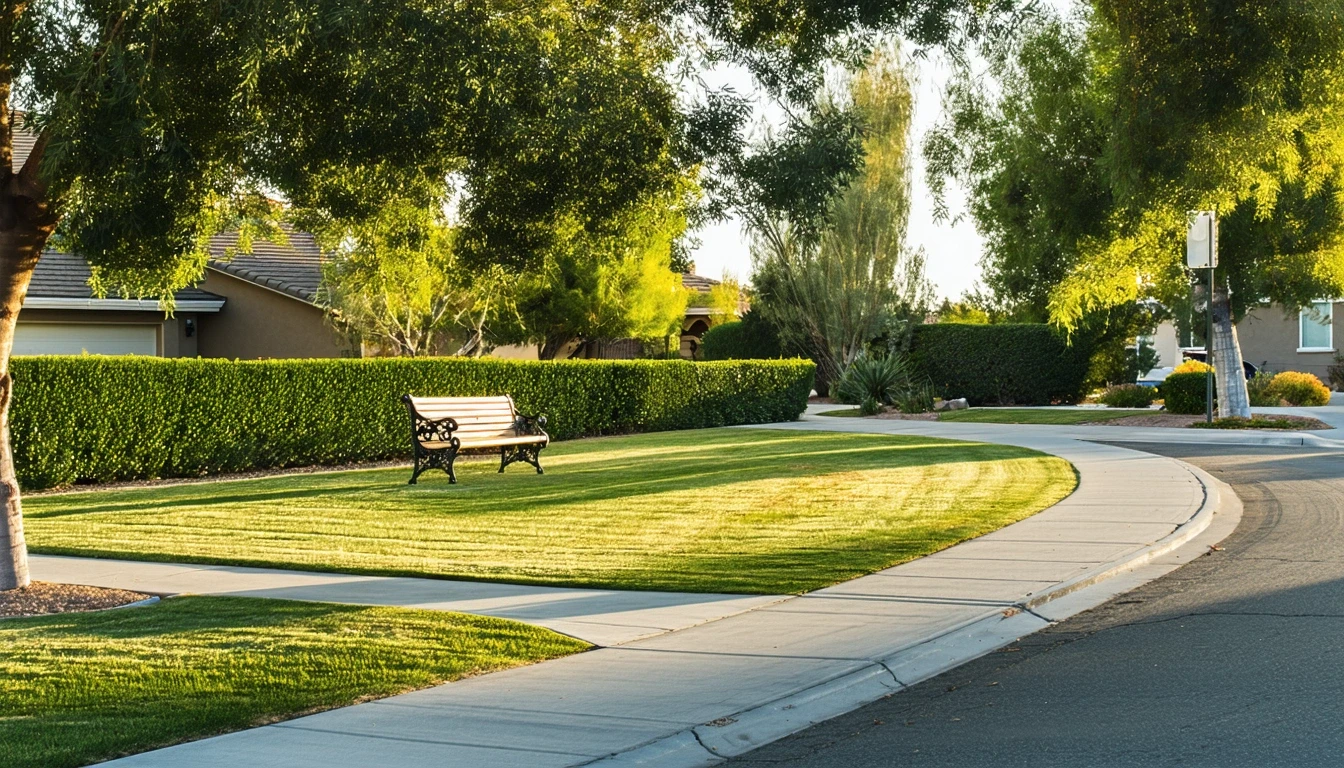
Murrieta’s housing market reflects its role as a suburban growth area in the Inland Empire, where development patterns favor low-rise, single-family neighborhoods over dense urban cores. The median home value stands at $567,700, positioning ownership as a significant financial commitment that requires not just the purchase price, but ongoing capacity to absorb property taxes, homeowners association fees, and utility exposure driven by the region’s hot, dry summers. The city’s low-rise character—confirmed by building height patterns well below urban thresholds—means most housing stock spreads horizontally rather than stacking vertically, which shapes both the cost structure and the daily logistics of living here.
What newcomers often misunderstand is that Murrieta’s housing costs don’t end at the purchase or lease. The car-oriented texture of the city, punctuated by walkable pockets but lacking comprehensive pedestrian infrastructure, means that housing decisions cascade into transportation, errands, and time. Grocery and food options cluster along corridors rather than distributing evenly, so where you live determines whether daily errands feel convenient or require deliberate planning. The median household income of $106,925 per year suggests a population equipped to manage these costs, but the structure of expenses—front-loaded in ownership, dispersed across transportation and utilities—demands clarity about what you’re actually paying for over time.
Compared to denser metros with rail transit and mixed-use neighborhoods, Murrieta trades convenience for space and predictability for control. The housing market here rewards those who value outdoor access—parks exceed high-density thresholds and water features are present—and can absorb the operational costs of a low-density lifestyle. It penalizes those who expect urban efficiencies or assume that suburban living automatically costs less.
—
Renting in Murrieta
Renters in Murrieta face a median gross rent of $2,150 per month, a figure that reflects both regional price pressure and the limited availability of multifamily housing in a market dominated by single-family subdivisions. Rental stock tends to concentrate in specific corridors and complexes rather than distributing evenly across neighborhoods, which means location choices often come down to proximity to major routes rather than walkable access to daily needs. The city’s bus-only transit system provides some connectivity, but without rail and with errands clustered rather than broadly accessible, most renters find themselves car-dependent regardless of housing type.
What drives rental pressure here isn’t just demand—it’s the structural mismatch between the housing form and the lifestyle it requires. Renting an apartment in Murrieta doesn’t eliminate the need for a vehicle, comprehensive auto insurance, or the time cost of driving to groceries, clinics, and parks. The integrated green space access and moderate playground density make the city appealing for families, but the sparse school infrastructure and car-oriented errands mean that renting here still involves navigating a suburban system built around ownership and driving.
For renters weighing Murrieta against alternatives, the key variable isn’t just the monthly rent—it’s whether the surrounding infrastructure supports the errands, commute, and daily rhythms you actually need. Rental flexibility matters most when the city’s layout allows you to adapt quickly, but in a low-rise, corridor-clustered environment, moving from one neighborhood to another often just shifts which freeway access you use, not whether you need a car in the first place.
—
Owning a Home in Murrieta
Ownership in Murrieta centers on the $567,700 median home value, but the financial exposure extends well beyond the purchase. Property taxes in California operate under Proposition 13, which caps assessed value increases for existing owners but resets at market value upon sale—meaning new buyers face immediate tax bills calculated on current prices, while long-term residents enjoy lower assessments. This creates a bifurcated ownership experience where your tax burden depends heavily on when you bought, not just what you bought.
Homeowners associations govern many neighborhoods, bundling services like landscaping, community amenities, and sometimes water or trash into monthly fees that sit outside the mortgage. These fees vary widely depending on the development, but they represent a fixed cost that doesn’t fluctuate with usage or market conditions. In a low-rise, sprawl-oriented city, HOAs also enforce aesthetic and structural standards that can limit your ability to modify the property, add solar, or reduce maintenance costs through unconventional means.
Utility exposure for homeowners skews heavily toward cooling. Murrieta’s triple-digit summer heat drives air conditioning into a non-negotiable category, and the electricity rate of 30.29¢/kWh—among the highest in the nation—means that keeping a house comfortable from June through September becomes a dominant line item. Older homes with minimal insulation or single-pane windows amplify this exposure, while newer construction with better thermal envelopes and programmable systems can reduce it. Either way, ownership here means absorbing seasonal volatility that renters in master-metered complexes might not face directly.
Maintenance costs in a low-rise, single-family market also differ from denser housing forms. Yards require irrigation, which in a hot, dry climate means either accepting higher water bills or letting landscaping die back. Roofs, HVAC systems, and exterior paint face accelerated wear from sun exposure and temperature swings. The absence of shared walls and centralized building management means every repair, upgrade, and seasonal tune-up falls entirely on the homeowner, with no landlord or property manager to defer to.
Ownership in Murrieta works best for households that value control, can absorb lumpy expenses, and plan to stay long enough that the initial tax reset and transaction costs amortize over time. It works poorly for those expecting urban efficiencies, low operational overhead, or the ability to walk away without selling into a market cycle.
—
Apartment vs House in Murrieta — Cost Behavior Comparison
| Expense Category | Apartment | House |
|---|---|---|
| Cooling costs (summer) | Lower per unit; often master-metered or included; shared walls reduce heat gain | Dominant expense June–September; full exposure to 30.29¢/kWh rate; standalone structure increases thermal load |
| Outdoor maintenance | Managed by property; no direct cost or time burden | Yard irrigation required in hot, dry climate; landscaping costs or aesthetic tradeoff |
| Parking and vehicle dependency | Assigned or covered parking common; car still required for errands and commute | Garage standard; car dependency identical but storage and charging easier |
| Errands logistics | Corridor-clustered access; proximity depends on complex location, not walkability | Same corridor-clustered pattern; driveway access simplifies bulk grocery runs |
| Governance and fees | Lease terms set by landlord; utilities sometimes bundled | HOA fees common; rules govern exterior modifications, landscaping, and aesthetics |
Why these categories? Murrieta’s low-rise form, car-oriented texture, and extreme summer heat create cost differences that hinge on thermal exposure, outdoor responsibility, and governance structure—not density or walkability, which remain limited in both housing types. Categories like transit access or walkable errands were omitted because neither apartments nor houses in Murrieta escape car dependency, and the city’s corridor-clustered layout affects both forms similarly. The comparison reflects what actually varies locally: cooling intensity, maintenance burden, and how governance (landlord vs HOA) structures your control and costs.
—
Utilities & Upkeep Differences
Utility exposure in Murrieta hinges on cooling, not heating. The city’s inland location and extended summer heat mean air conditioning dominates household energy use from late spring through early fall, and the 30.29¢/kWh electricity rate ensures that every degree of thermostat adjustment translates into noticeable monthly swings. Houses face the full brunt of this: standalone structures with roofs, walls, and windows exposed on all sides absorb more heat than apartments with shared walls and smaller footprints. Running central air in a 2,000-square-foot house through a 100°F afternoon isn’t optional—it’s the baseline cost of habitability.
Apartments, especially those in multi-story complexes, benefit from thermal buffering. Units sandwiched between others stay cooler with less mechanical intervention, and property managers sometimes include utilities in rent or use master metering that spreads costs across tenants. This doesn’t eliminate cooling expenses, but it does shift them from a volatile, usage-based line item into a more predictable component of the lease. For houses, there’s no such smoothing—every kilowatt-hour shows up on the bill, and every efficiency decision (programmable thermostats, shade trees, reflective roofing) falls to the homeowner.
Water costs follow a similar pattern. Murrieta’s hot, dry climate stresses landscaping, and houses with yards face a choice: irrigate regularly and accept higher water bills, or let grass and ornamental plants die back and tolerate the aesthetic and HOA consequences. Apartments delegate this entirely to property management, removing both the cost and the decision. For homeowners, water isn’t just a utility—it’s a maintenance input tied to curb appeal, HOA compliance, and long-term property condition.
Natural gas, priced at $22.96/MCF, plays a minor role. Heating demand remains low in Murrieta’s mild winters, so gas costs stay modest except in homes using gas for water heating, cooking, or pool heating. The seasonal asymmetry—high cooling costs, low heating costs—means that utility budgets here don’t balance out over the year the way they might in climates with cold winters. Instead, summer creates a pronounced cost spike that households must either absorb or mitigate through efficiency upgrades, behavioral changes, or acceptance of higher indoor temperatures.
Upkeep differences extend beyond utilities. Houses require exterior paint, roof replacement, HVAC servicing, and pest control on timelines accelerated by sun and heat exposure. Apartments shift these responsibilities to landlords, who handle them at scale and on schedules tenants never see. The tradeoff isn’t just cost—it’s control. Homeowners can invest in high-efficiency systems, solar panels, or smart irrigation, but they also can’t defer a broken air conditioner to someone else’s budget. Renters avoid the capital outlay and the decision fatigue, but they also can’t modify the system to reduce long-term costs.
—
Rent vs Buy: Long-Term Exposure in Murrieta
The rent-versus-buy decision in Murrieta isn’t a simple math problem—it’s a question of which risks you’re willing to manage and which costs you can control. Renting at $2,150 per month median offers predictability within the lease term but exposes you to renewal increases that track market conditions, landlord strategy, and regional demand. Ownership at $567,700 median locks in the purchase price and, under Proposition 13, limits property tax growth to 2% annually—but it also transfers all maintenance, utility volatility, HOA governance, and transaction costs onto your balance sheet.
Over time, ownership in Murrieta rewards stability. Property taxes reset at sale, so staying in place means your tax burden grows slowly while newer buyers face higher assessments. Fixed-rate financing eliminates the rent-increase risk entirely, and paying down principal builds equity that renters never accumulate. But this stability comes with operational exposure: air conditioning costs spike every summer, roofs and HVAC systems fail on schedules you can’t control, and HOA fees adjust annually regardless of your usage. Ownership doesn’t eliminate cost volatility—it just shifts it from rent increases to maintenance events and utility cycles.
Renting preserves flexibility, which matters in a car-dependent, corridor-clustered city where job changes, commute shifts, or household needs might require relocation. Lease terms let you exit without selling into a market downturn, paying transfer taxes, or negotiating buyer repairs. But that flexibility costs: landlords price in their own tax resets, maintenance reserves, and profit margins, so renters effectively pay ownership costs plus a liquidity premium. You avoid the capital outlay and the repair calls, but you also can’t modify the property to reduce cooling costs, add solar, or optimize irrigation.
The long-term calculus hinges on duration and control. If you expect to stay in Murrieta for a decade or more, can absorb seasonal utility swings, and value the ability to upgrade insulation or install efficient HVAC, ownership converts those costs into controllable variables. If your timeline is shorter, your income is variable, or you prefer delegating maintenance and preserving geographic flexibility, renting avoids the capital lock and the operational burden—even if the monthly outlay feels comparable.
Neither path is cheaper in absolute terms. Both require managing Murrieta’s structural realities: car dependency, summer heat, corridor-clustered errands, and limited transit. The question isn’t which costs less—it’s which cost structure aligns with how long you’re staying, how much control you want, and which risks you’re equipped to handle.
—
FAQs About Housing Costs in Murrieta
What drives the $567,700 median home value in Murrieta?
Murrieta’s home values reflect its position as a suburban growth area in the Inland Empire, where low-rise, single-family developments dominate and land costs, construction standards, and regional demand all push prices upward. The city’s integrated parks, moderate family infrastructure, and access to outdoor space add appeal, but the car-dependent layout and limited transit mean that housing costs here bundle in the need for vehicle ownership, garage space, and proximity to freeway access. Values also embed California’s broader housing supply constraints, which limit inventory and sustain price pressure even in less dense markets.
Is renting in Murrieta cheaper than owning over time?
Renting avoids the upfront capital outlay, property tax resets, and maintenance volatility that come with ownership, but it doesn’t eliminate housing costs—it restructures them. At $2,150 per month median rent, tenants pay for flexibility and delegated maintenance, but they also absorb landlords’ tax bills, repair reserves, and profit margins. Over a long enough timeline, ownership typically costs less per month once the mortgage is paid off, but only if you stay in place, manage utility and maintenance spikes, and avoid selling during market downturns. Renting costs more in total dollars paid but less in operational complexity and capital risk.
How much do utilities add to housing costs in Murrieta?
Utility costs in Murrieta skew heavily toward cooling, driven by triple-digit summer heat and the 30.29¢/kWh electricity rate. Houses face the highest exposure due to standalone construction and full thermal loads, while apartments benefit from shared walls and sometimes bundled utilities. Seasonal swings are pronounced—summer air conditioning dominates, while winter heating remains minimal. Water costs also vary depending on landscaping and irrigation needs, which matter more for houses with yards than for apartments where property managers handle outdoor maintenance. Utility exposure here isn’t a fixed line item—it’s a variable driven by housing type, efficiency, and seasonal intensity.
Do homeowners associations in Murrieta significantly affect ownership costs?
HOAs govern many Murrieta neighborhoods, adding a fixed monthly fee that covers landscaping, community amenities, and sometimes utilities like water or trash. These fees vary by development but represent a non-negotiable cost that sits outside the mortgage and doesn’t decline over time. HOAs also enforce rules on exterior modifications, landscaping standards, and aesthetic choices, which can limit your ability to reduce costs through unconventional means—like xeriscaping to cut water bills or adding solar without design approval. The governance structure provides neighborhood consistency and offloads some maintenance decisions, but it also reduces homeowner autonomy and adds a permanent cost layer that renters and non-HOA buyers avoid.
Does Murrieta’s car dependency change the rent-versus-buy calculation?
Yes, because both renters and owners face the same transportation burden. Murrieta’s car-oriented texture, corridor-clustered errands, and bus-only transit mean that housing decisions don’t trade off car dependency—they only shift where you park and how far you drive. Renters can’t escape vehicle costs by choosing a walkable apartment, and homeowners can’t eliminate commute time by buying near parks. This flattens one of the traditional rent-versus-buy variables: in denser cities, renting near transit can reduce transportation costs enough to offset higher rent, but in Murrieta, everyone drives, so the housing choice hinges entirely on capital, control, and maintenance risk rather than mobility tradeoffs.
—
Making Housing Choices in Murrieta
Housing costs in Murrieta reflect a suburban system built around ownership, cars, and operational self-sufficiency. The $567,700 median home value and $2,150 median rent aren’t just price points—they’re entry fees into a cost structure shaped by low-rise sprawl, extreme summer heat, corridor-clustered errands, and limited transit. Whether you rent or buy, you’re absorbing the same transportation dependency, the same cooling exposure, and the same need to plan trips rather than walk to daily needs. The choice between renting and owning doesn’t change those realities—it only determines who manages the maintenance, who controls the upgrades, and who bears the risk when costs spike or markets shift.
Ownership here works for households that value stability, can handle lumpy expenses, and plan to stay long enough that property tax caps and equity accumulation outweigh the upfront capital and ongoing operational costs. Renting works for those who prioritize flexibility, want to delegate utility volatility and repair risk, and accept that the monthly outlay includes a premium for liquidity and simplicity. Both paths require navigating Murrieta’s structural constraints: the car, the heat, the HOA governance, and the corridor-based errands that define daily life in a low-rise, suburban market.
For a fuller picture of how these housing costs fit into the broader expense landscape, see A Month of Expenses in Murrieta: What It Feels Like. If you’re weighing Murrieta against other options or trying to understand what drives overall affordability here, Murrieta Affordability: What’s Easy, What’s Expensive breaks down the category-level pressures and tradeoffs. And if you’re planning a move and need to understand the logistics and costs of getting here, the Best Moving Companies Guide offers a detailed breakdown of what to expect.
How this article was built: In addition to public economic data, this article incorporates location-based experiential signals derived from anonymized geographic patterns—such as access density, walkability, and land-use mix—to reflect how day-to-day living actually feels in Murrieta, CA.