
Owning a home in Elgin means managing costs that don’t appear on the purchase contract. Beyond the mortgage, homeowners face property taxes, insurance premiums that respond to regional weather patterns, and maintenance cycles driven by the humid continental climate—freezing winters that stress roofing and plumbing, humid summers that challenge HVAC systems and siding. These aren’t one-time expenses. They recur, escalate, and shift responsibility entirely onto the owner. Renters in Elgin avoid most of this exposure, but they trade control for rent increases they can’t predict or prevent. The question isn’t which option costs less upfront—it’s which cost structure fits your household’s income stability, timeline, and tolerance for volatility.
Elgin’s housing market reflects its role as a Chicago metro commuter suburb with established neighborhoods and continued development. The median home value sits at $242,500, while median gross rent reaches $1,190 per month. These figures anchor decision-making, but they don’t explain how housing costs behave over time or why certain households struggle while others build equity with relative ease. This article breaks down the cost structure of renting and owning in Elgin, explains what drives long-term exposure, and clarifies which tradeoffs matter most depending on how you live, work, and plan.
The Housing Market in Elgin Today
Elgin’s housing market operates within the gravitational pull of Chicago, but it maintains its own cost logic. Rail service connects residents to downtown Chicago, making Elgin a viable option for commuters who want more space and lower entry costs than inner-ring suburbs offer. This accessibility shapes demand, particularly among households willing to trade proximity for square footage and families prioritizing school access and parks over walkability to urban amenities.
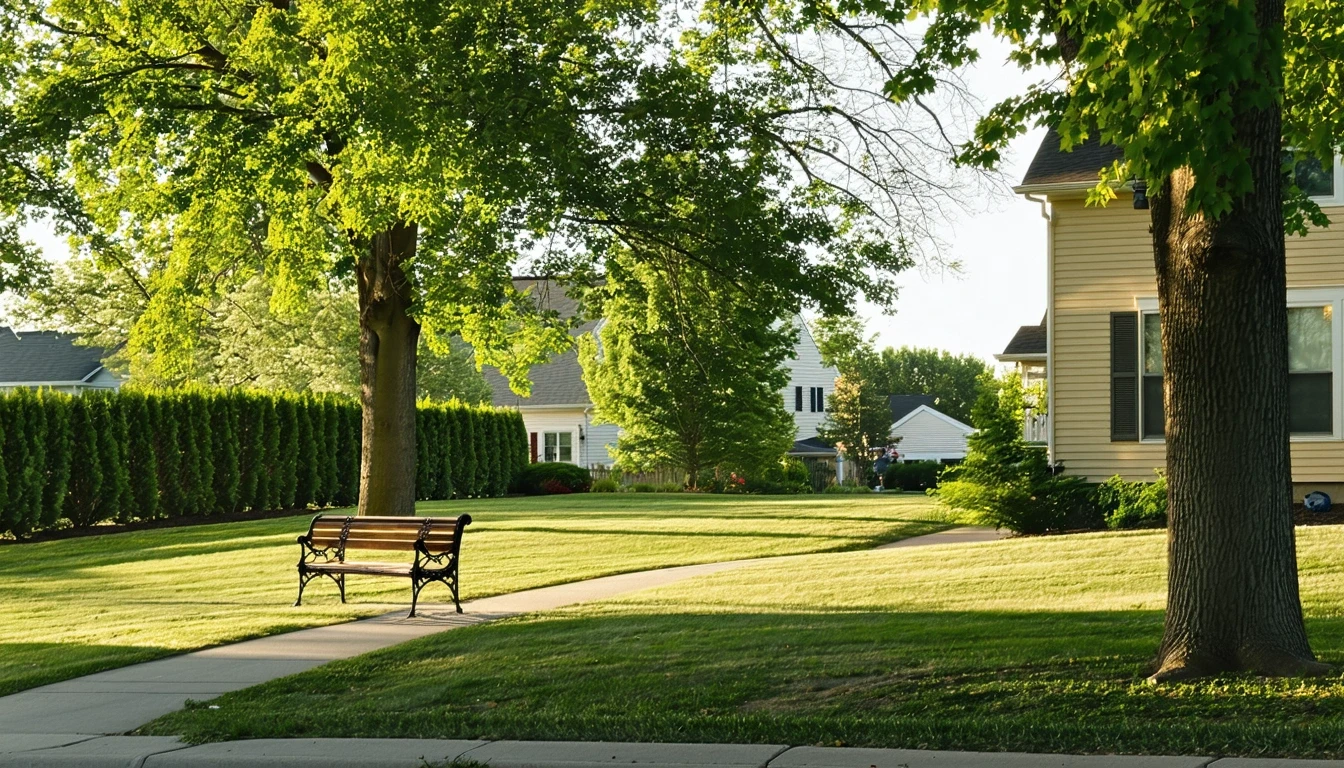
The city’s building stock reflects decades of growth. Walkable pockets with higher pedestrian-to-road ratios suggest older neighborhood cores, while mixed building heights indicate a blend of single-family homes, townhomes, and multifamily developments. This variety creates segmentation: some blocks feel distinctly suburban with detached homes and yards, while others offer denser, more urban living with ground-floor retail and shorter distances to errands. Buyers and renters encounter different cost structures depending on which segment they enter.
What newcomers often misunderstand is that Elgin’s housing costs aren’t uniform across the city. Location within Elgin determines not just price, but also maintenance exposure, utility volatility, and access to the infrastructure that reduces daily friction—parks, schools, grocery corridors, and transit. A home near the Fox River or within a walkable pocket may command a premium, but it also reduces transportation dependency and increases outdoor access without requiring a car trip. Conversely, homes in car-oriented sections may offer lower purchase prices but impose higher ongoing costs for fuel, vehicle maintenance, and time.
Renting in Elgin
At $1,190 per month, Elgin’s median gross rent represents a substantial share of a single earner’s take-home pay, but it remains accessible for dual-income households or individuals with income above the city’s median of $85,998 per year. Rent in Elgin buys flexibility and freedom from ownership’s hidden costs—no property tax bills, no emergency furnace replacements in January, no liability for roof damage after a storm. For households with uncertain timelines, job mobility, or limited savings, renting preserves liquidity and limits exposure to Elgin’s seasonal maintenance demands.
Rental availability in Elgin clusters along corridors and near transit, where mixed land use supports both residential and commercial activity. This concentration means renters near rail stations or grocery-dense areas experience lower transportation and errand costs than those in car-dependent sections. The tradeoff: these accessible locations often see faster rent growth because demand remains strong among Chicago commuters and households prioritizing convenience.
Renters face one structural disadvantage that intensifies over time—they absorb rent increases but gain no equity. Lease renewals in Elgin, as elsewhere, reflect landlord costs (taxes, insurance, maintenance) and market pressure. A renter who stays in place for three years may see rent rise while their income grows more slowly, tightening the budget without building ownership stake. This dynamic doesn’t make renting unwise—it makes it better suited to households with short timelines, income growth trajectories, or lifestyle priorities that favor mobility over accumulation.
Owning a Home in Elgin
Buying a home in Elgin at the median value of $242,500 shifts the cost structure entirely. The mortgage payment becomes predictable if financed with a fixed-rate loan, but ownership introduces variable costs that renters never see. Property taxes in Illinois represent a significant annual expense, though the exact rate isn’t specified here. What matters for decision-making is that property taxes don’t remain static—they respond to assessed value changes, local budget needs, and voter-approved levies. Owners must budget for this recurring cost, which compounds over time and doesn’t disappear when the mortgage is paid off.
Insurance premiums in Elgin reflect the region’s exposure to freeze-thaw cycles, summer storms, and occasional severe weather. Homes with older roofs, outdated electrical systems, or basements vulnerable to water intrusion face higher premiums or coverage exclusions. Owners can’t avoid insurance, but they can control exposure by maintaining systems proactively and choosing coverage that matches actual risk rather than minimum lender requirements.
Maintenance costs in Elgin follow the climate. Heating systems work hard through long, cold winters; air conditioning runs through hot, humid summers. Gutters clog with seasonal debris, siding weathers under UV exposure and moisture, and driveways crack from freeze-thaw stress. A homeowner in Elgin should expect HVAC servicing, roof inspections, and exterior upkeep to recur on a schedule that doesn’t bend to convenience. Deferred maintenance doesn’t save money—it shifts costs forward and often magnifies them.
Some Elgin neighborhoods include homeowners’ associations that bundle certain services—landscaping, snow removal, exterior maintenance—but also impose monthly or annual fees and governance rules. HOA presence isn’t universal in Elgin, but where it exists, it adds a fixed cost that behaves like rent: it rises over time, it’s non-negotiable, and it persists regardless of whether you use the amenities. Buyers should clarify HOA obligations before closing, because these fees directly affect long-term affordability and autonomy.
Apartment vs House in Elgin — Cost Behavior Comparison
The distinction between renting an apartment and owning a house in Elgin isn’t just about monthly payment size—it’s about which costs you control, which you absorb, and which systems you’re responsible for maintaining in a climate that stresses both heating and cooling infrastructure.
| Expense Category | Apartment | House |
|---|---|---|
| Base Monthly Cost | Rent determined by landlord and market pressure; increases at lease renewal | Mortgage fixed if financed conventionally; principal and interest predictable over loan term |
| Heating & Cooling Exposure | Often included or separately metered with shared building efficiency; less square footage to condition | Whole-home responsibility; long heating season and humid summers drive sustained utility use |
| Maintenance Responsibility | Landlord handles HVAC, roofing, exterior; tenant handles interior damage only | Owner handles all systems; freeze-thaw cycles and summer storms accelerate exterior wear |
| Property Tax | None; landlord’s cost, indirectly reflected in rent | Annual bill; increases over time with assessed value and local budget needs |
| Outdoor Space | Limited or shared; no yard maintenance required | Private yard; requires mowing, seasonal cleanup, and irrigation during dry spells |
| Commute Flexibility | More common near rail and walkable corridors; supports car-light living | More common in car-oriented sections; larger lots but higher transportation dependency |
What drove these distinctions: Elgin’s humid continental climate with cold winters and warm summers creates sustained heating and cooling demand that affects houses more than apartments due to square footage and exposure. The city’s mixed urban form—walkable pockets near rail and car-oriented residential sections—means location determines transportation costs as much as housing type. Property tax and maintenance exposure are structural differences tied to ownership, not housing form, but they intensify in single-family homes due to system complexity and exterior surface area.
Why some categories were excluded: Insurance costs vary by coverage and property condition, not reliably by housing type. Utility rates for electricity and natural gas are the same citywide, so any difference comes from usage and building efficiency, not rate structure. HOA fees apply inconsistently and depend on neighborhood governance, not whether the property is a house or apartment.
Utilities & Upkeep Differences
Utility exposure in Elgin isn’t optional—it’s a function of climate and housing type. Electricity in Elgin costs 16.36¢ per kWh, and natural gas runs $9.48 per thousand cubic feet. These rates don’t vary by neighborhood, but usage does. A house with 2,000 square feet, older windows, and a furnace from the early 2010s will consume far more energy than a newer apartment with shared walls and updated HVAC. The long heating season drives sustained natural gas use, while summer humidity pushes air conditioning into extended operation. Owners of single-family homes face the full cost of conditioning every room, even those rarely used.
Apartment renters in Elgin often benefit from shared building efficiency—common walls reduce heat loss, and landlords may cover heating costs or install programmable thermostats to manage usage. Even when utilities are separately metered, smaller square footage and reduced exterior exposure lower the baseline. Renters don’t control the efficiency of the building, but they also don’t pay to upgrade it.
Maintenance exposure in Elgin follows the climate. Freeze-thaw cycles crack foundations, buckle driveways, and stress plumbing. Summer storms bring heavy rain that tests gutters, downspouts, and grading. Homeowners can’t defer these repairs without compounding the damage. A clogged gutter in November becomes an ice dam in January, which becomes interior water damage by February. Apartment dwellers delegate this responsibility to landlords, who handle it inconsistently but at no direct cost to the tenant.
Lawn and landscape maintenance in Elgin isn’t cosmetic—it’s structural. Grass grows vigorously in spring and summer, requiring weekly mowing. Trees drop leaves in fall, and snow removal becomes non-negotiable in winter. Homeowners either perform this labor themselves or hire services that charge seasonally. Renters in apartments or townhomes with HOA coverage avoid this entirely, though the cost is embedded in rent or fees.
Rent vs Buy: Long-Term Exposure in Elgin
The decision to rent or buy in Elgin isn’t about which option costs less in year one—it’s about which cost structure aligns with your household’s income stability, timeline, and capacity to absorb volatility. Renters face unpredictable rent increases but avoid property tax exposure, maintenance emergencies, and the transaction costs of selling. Owners lock in predictable mortgage payments but accept responsibility for every system, every storm, and every tax levy.
Renting in Elgin makes sense for households with short timelines, uncertain job stability, or limited savings. Lease terms provide flexibility, and the ability to relocate without selling a home preserves mobility. Renters also avoid the opportunity cost of a down payment—money that could otherwise remain invested or liquid. The tradeoff: rent payments build no equity, and lease renewals expose tenants to market pressure they can’t control. A renter who stays in Elgin for five years may pay more in total than a buyer, but they also avoid the risk of a housing market downturn, a major repair, or a job loss that forces a distressed sale.
Buying in Elgin makes sense for households with stable income, long timelines, and the financial buffer to handle maintenance and tax increases. Ownership converts housing payments into equity, and fixed-rate financing protects against the rent increases that erode renters’ budgets. Owners also gain control—they can upgrade insulation, install efficient HVAC, or landscape for lower water use. These improvements reduce long-term costs and increase comfort, options renters don’t have.
But ownership in Elgin also means accepting exposure to costs that don’t follow a schedule. A furnace fails in January. A roof needs replacement after fifteen years. Property taxes rise when the city or school district faces budget pressure. Homeowners can’t defer these costs without damaging the asset or incurring penalties. Renters avoid this exposure entirely, even though they indirectly pay for it through rent.
The long-term calculus isn’t about totaling payments—it’s about matching cost structure to household resilience. A dual-income household with emergency savings and a ten-year timeline will likely benefit from ownership in Elgin, especially if they value space, outdoor access, and proximity to strong family infrastructure. A single-income household with variable earnings or a timeline under five years will likely benefit from renting, especially if they prioritize flexibility and freedom from maintenance risk.
FAQs About Housing Costs in Elgin
Is renting or buying more affordable in Elgin, IL?
Affordability depends on timeline and household structure, not just monthly cost. Renting at $1,190 per month avoids property taxes, maintenance emergencies, and down payment requirements, making it more accessible for single-income households or those with short timelines. Buying at $242,500 requires upfront capital and ongoing tax and maintenance costs, but it builds equity and protects against rent increases over time. Households with stable dual incomes and timelines beyond five years typically benefit more from ownership, while those with uncertain job stability or plans to relocate benefit from renting’s flexibility.
How do property taxes affect homeownership costs in Elgin?
Property taxes in Illinois represent a significant recurring cost that doesn’t disappear when the mortgage is paid off. While the exact rate for Elgin isn’t specified here, owners should expect annual tax bills that rise over time with assessed value changes and local budget needs. These increases are beyond the homeowner’s control and must be budgeted separately from the mortgage. Renters don’t pay property taxes directly, but landlords pass the cost through in rent, making it an indirect but less visible expense.
What makes utilities more expensive in a house versus an apartment in Elgin?
Houses in Elgin face higher utility costs due to square footage, exterior exposure, and whole-home heating and cooling responsibility. The long heating season drives sustained natural gas use, and humid summers require extended air conditioning operation. Apartments benefit from shared walls that reduce heat loss, smaller square footage, and sometimes landlord-covered heating. Even when utilities are separately metered, apartment dwellers typically use less energy because they condition less space and share efficiency with neighboring units.
Does Elgin’s climate increase home maintenance costs?
Yes. Elgin’s humid continental climate with freezing winters and warm, humid summers stresses building systems and exteriors. Freeze-thaw cycles crack driveways and foundations, summer storms test roofing and drainage, and sustained HVAC use accelerates system wear. Homeowners should expect recurring costs for furnace servicing, roof inspections, gutter maintenance, and exterior repairs. Renters delegate this responsibility to landlords, avoiding both the cost and the planning burden.
How does living near rail transit in Elgin affect housing costs?
Living near Elgin’s rail service typically increases rent or purchase price due to demand from Chicago commuters, but it reduces transportation costs by enabling car-light living. Walkable pockets near transit also offer shorter distances to errands, which lowers fuel and vehicle maintenance expenses. The tradeoff is higher base housing cost in exchange for lower ongoing transportation and time costs. Households that commute to Chicago or prioritize convenience often find this exchange favorable, while those who work locally may not benefit enough to justify the premium.
Making Housing Choices in Elgin
Housing costs in Elgin behave differently depending on whether you rent or own, where you live within the city, and how your household uses space and infrastructure. Renters gain flexibility and avoid maintenance risk, but they absorb rent increases and build no equity. Owners gain control and predictable mortgage payments, but they accept responsibility for taxes, insurance, and every system that fails or wears out. Neither option is universally better—each fits different timelines, income structures, and risk tolerances.
Elgin’s housing market rewards households that understand how location, building type, and infrastructure access shape long-term costs. A home near rail transit or within a walkable pocket may cost more upfront, but it reduces transportation dependency and increases access to parks, schools, and errands without requiring a car trip. A home in a car-oriented section may offer lower entry costs, but it imposes higher ongoing expenses for fuel, vehicle maintenance, and time. These tradeoffs don’t resolve with a single calculation—they require matching [cost structure](/elgin-il/cost-overview/) to how you actually live.
For households with stable income, long timelines, and the financial buffer to handle maintenance and tax increases, ownership in Elgin builds equity and provides control over housing quality and cost trajectory. For households with uncertain timelines, variable income, or limited savings, renting preserves flexibility and limits exposure to the volatility that defines homeownership in a climate that stresses building systems year-round. The decision isn’t about which option costs less—it’s about which cost behavior fits your household’s capacity to absorb risk, manage complexity, and plan for the future.
Understanding [where money goes each month](/elgin-il/monthly-budget/) helps clarify how housing fits into the broader financial picture, especially when balancing rent or mortgage payments against transportation, utilities, and household logistics.
How this article was built: In addition to public economic data, this article incorporates location-based experiential signals derived from anonymized geographic patterns—such as access density, walkability, and land-use mix—to reflect how day-to-day living actually feels in Elgin, IL.