
Owning a home in Lutz means confronting costs that don’t appear on the listing price. Beyond the mortgage, buyers here face Florida-specific insurance volatility, year-round cooling bills driven by extended heat and humidity, and maintenance responsibility across low-rise, single-family housing stock with no shared infrastructure. The median home value of $403,200 is just the entry point—what follows is a structure of recurring, often unpredictable expenses shaped by climate, geography, and the way Lutz is built.
This article breaks down the full cost behavior of housing in Lutz: what renters and owners actually pay, how ownership exposure differs from renting, and which households fit the market’s financial and logistical demands.
The Housing Market in Lutz Today
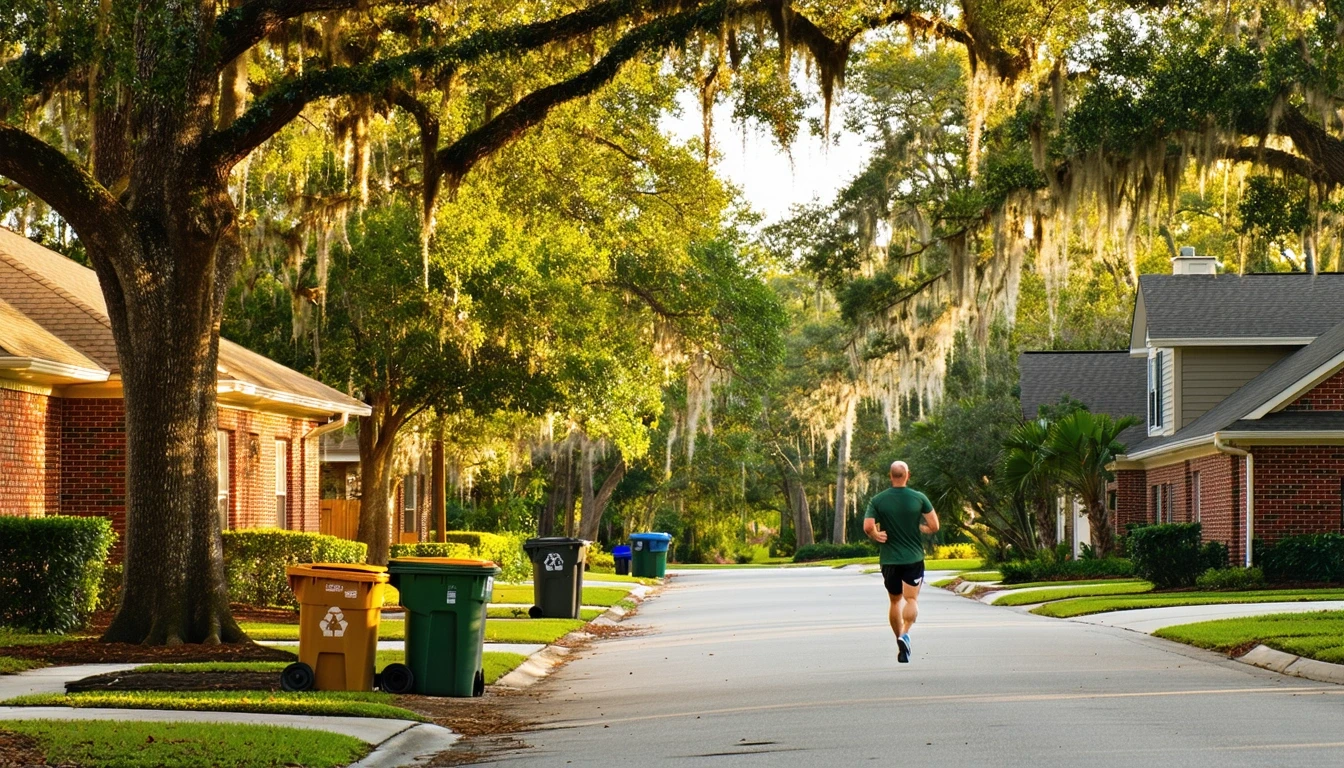
Lutz sits in the northern Tampa metro, where suburban development has accelerated over the past two decades. The housing stock is dominated by single-family homes on larger lots, with limited apartment inventory and minimal mixed-use development. This creates a market where ownership is the expected path and renting often means competing for a smaller pool of options.
The median home value of $403,200 reflects demand from dual-income households, many relocating from higher-cost metros or seeking space within commuting range of Tampa. The regional price parity index of 103 indicates costs slightly above the national baseline, but the gap widens when factoring in Florida’s property insurance environment and the infrastructure costs embedded in car-dependent suburban layouts.
What newcomers often misunderstand is that Lutz’s housing market isn’t just about the purchase price—it’s about absorbing the ongoing cost structure of low-density, climate-exposed ownership in a state with volatile insurance markets and no income tax offset. The median household income of $101,159 per year suggests the market is calibrated for above-median earners, but even well-qualified buyers can underestimate the cumulative burden of utilities, maintenance, and transportation in a place where errands and daily tasks require deliberate planning and fuel.
Renting in Lutz
Renting in Lutz means navigating a market built for ownership. The median gross rent of $1,562 per month reflects limited supply in a low-rise, single-family-dominant area. Apartment complexes exist but are dispersed along major corridors, and rental single-family homes often come with yard maintenance expectations or HOA rules that shift responsibilities typically handled by landlords elsewhere.
Because Lutz’s infrastructure is car-oriented and errands accessibility is sparse, renters face the same transportation and logistics burdens as owners—frequent drives for groceries, errands, and services—without the equity-building or tax advantages of ownership. This creates a cost experience where rent doesn’t buy convenience or walkable access; it buys flexibility and avoidance of long-term maintenance risk, but not relief from the daily friction of getting around.
Renters also inherit Florida’s climate exposure. Cooling costs during the extended summer season can rival or exceed what tenants pay in temperate climates, and lease renewals may reflect landlords passing through rising insurance premiums or property tax adjustments. The rental experience here is less about urban convenience and more about temporary participation in a suburban ownership market.
Owning a Home in Lutz
Ownership in Lutz means taking on full responsibility for a detached, low-rise structure in a climate that accelerates wear. Roofs, HVAC systems, and exterior surfaces face year-round heat, humidity, and seasonal storm exposure. Maintenance isn’t deferred—it’s managed on a schedule dictated by weather, not preference.
Property taxes and homeowners insurance are the two largest non-mortgage ownership costs, and both are subject to external forces. Florida’s insurance market has seen significant volatility in recent years, with premiums rising sharply in response to storm risk and reinsurance costs. Buyers entering the market today should expect insurance to behave as a variable expense, not a fixed one, and to require annual re-evaluation.
Many neighborhoods in Lutz are governed by homeowners associations, which bundle services like landscaping, street maintenance, or community amenities. HOA fees vary widely depending on the neighborhood’s age, amenities, and governance structure. In some cases, they provide predictability and reduce individual maintenance burdens; in others, they add a layer of cost and regulation that limits owner autonomy.
Ownership here also means absorbing the cost of car dependency. Garages, driveways, and multi-vehicle households are the norm, and the sparse errands accessibility identified in Lutz’s infrastructure signals means that routine tasks—groceries, pharmacy runs, school pickups—require planned trips, not quick walks. Fuel, maintenance, and vehicle depreciation become part of the ownership cost structure, even if they don’t appear on a closing statement.
Apartment vs House in Lutz — Cost Behavior Comparison
| Expense Category | Apartment | House |
|---|---|---|
| Cooling Costs | Lower square footage and shared walls reduce exposure; landlord may control system efficiency | Larger footprint and detached structure increase cooling load; owner controls system investment and efficiency upgrades |
| Maintenance Responsibility | Landlord handles HVAC, roof, exterior; tenant risk limited to lease terms | Owner absorbs all repair and replacement costs; Florida climate accelerates roof, HVAC, and exterior wear |
| Transportation Exposure | Same car dependency and sparse errands accessibility; no walkability advantage in Lutz’s apartment stock | Same car dependency; larger households may require multiple vehicles, increasing fuel and insurance costs |
| Insurance | Renters insurance required but minimal; property risk borne by landlord | Homeowners insurance subject to Florida market volatility; wind/storm coverage often requires separate policies or riders |
| Yard and Exterior Upkeep | Not applicable or handled by property management | Owner responsibility; irrigation, lawn care, and pest control are year-round in Florida’s climate |
Methodology note: This table includes only categories where cost behavior differs meaningfully in Lutz due to climate, housing stock, or infrastructure. Generic differences (e.g., “houses are bigger”) are excluded. Rows reflect how Lutz’s low-rise, car-oriented, climate-exposed environment changes the ownership and rental experience, not universal apartment-vs-house distinctions.
Utilities & Upkeep Differences
Utility exposure in Lutz is dominated by cooling. The electricity rate of 15.02¢/kWh combines with extended summer heat and humidity to make air conditioning the primary driver of residential energy costs. Apartments benefit from smaller square footage and shared walls, which reduce cooling load, but houses—especially older or poorly insulated stock—can see sustained high usage from May through October.
Natural gas, priced at $23.62/MCF, plays a minimal role in most Lutz households. Heating demand is negligible, and gas is typically limited to water heating or cooking where available. This makes electricity the dominant utility cost and the one most sensitive to household behavior, system efficiency, and thermostat discipline.
Maintenance exposure in houses is driven by Florida’s climate. HVAC systems run nearly year-round, which shortens their lifespan and increases filter replacement, refrigerant service, and compressor wear. Roofs face UV degradation, wind uplift, and moisture intrusion risk. Exterior paint, siding, and trim deteriorate faster than in temperate climates. Pest control is not optional—it’s a recurring cost tied to the environment, not the age of the home.
Apartment renters avoid most of this exposure, but they don’t avoid the climate. Cooling costs follow the tenant, and lease terms may limit control over system upgrades, thermostat settings, or efficiency improvements. The tradeoff is predictability: renters know their maintenance risk is capped, but they also know their cooling bills will reflect Florida’s heat whether or not they own the structure.
Rent vs Buy: Long-Term Exposure in Lutz
Renting in Lutz offers short-term flexibility and avoidance of maintenance risk, but it doesn’t offer cost stability. Lease renewals can reflect rising insurance costs passed through by landlords, property tax adjustments, or market-rate corrections in a supply-constrained environment. Renters also remain exposed to the same transportation and cooling costs as owners, without the ability to offset those costs through efficiency upgrades, solar investment, or mortgage interest deductions.
Ownership provides cost control in some areas—fixed-rate mortgages lock in principal and interest, and owners can invest in insulation, HVAC upgrades, or solar to reduce long-term utility exposure—but it introduces volatility in others. Homeowners insurance in Florida is subject to market forces outside the owner’s control, and maintenance costs are episodic and non-negotiable. A roof replacement, HVAC failure, or storm damage repair can require immediate capital outlay, and the timeline is dictated by climate and wear, not household cash flow.
The structural difference is control versus predictability. Owners control their housing cost structure and can make investments that reduce future exposure, but they absorb all risk. Renters avoid catastrophic repair costs and can leave when circumstances change, but they have no control over rent increases, no equity accumulation, and no ability to modify the home to reduce operating costs.
In Lutz, where car dependency, sparse errands accessibility, and climate exposure shape the cost experience for both renters and owners, the rent-vs-buy decision hinges less on monthly payment comparisons and more on whether a household can absorb the volatility, responsibility, and logistical demands of ownership in a low-density, climate-exposed suburban market.
How this article was built: In addition to public economic data, this article incorporates location-based experiential signals derived from anonymized geographic patterns—such as access density, walkability, and land-use mix—to reflect how day-to-day living actually feels in Lutz, FL.
FAQs About Housing Costs in Lutz
Is the median home value in Lutz affordable for first-time buyers?
The median home value of $403,200 is accessible to dual-income households earning near or above the median household income of $101,159 per year, but first-time buyers should account for Florida-specific ownership costs—insurance volatility, cooling expenses, and maintenance—that extend beyond the mortgage. Affordability depends on reserve capacity, not just qualification.
How does renting in Lutz compare to nearby Tampa neighborhoods?
Lutz’s median gross rent of $1,562 per month reflects suburban, car-dependent housing stock with limited walkable amenities. Renters pay for space and proximity to Tampa, but not for convenience or transit access. Urban Tampa neighborhoods may offer higher rent but shorter commutes and walkable errands; Lutz offers lower density but higher transportation dependency.
What drives homeowners insurance costs in Lutz?
Florida’s property insurance market is shaped by hurricane risk, reinsurance costs, and regulatory environment. Lutz is inland, which reduces storm surge exposure, but wind, roof damage, and water intrusion risk remain. Insurance costs are subject to market-wide volatility and are not fixed or predictable year-to-year.
Do most homes in Lutz have HOA fees?
Many neighborhoods in Lutz are governed by homeowners associations, but prevalence and fee structure vary widely. Some HOAs provide landscaping, amenity access, and exterior maintenance; others are minimal and focus on covenant enforcement. Buyers should verify HOA obligations and fee history before closing.
How much does cooling cost in a typical Lutz home?
Cooling costs depend on home size, insulation, system efficiency, and household thermostat settings, but the extended summer season and high humidity make air conditioning the dominant utility expense. Electricity at 15.02¢/kWh combines with sustained usage to create noticeable seasonal bills, especially in older or poorly sealed homes.
Making Housing Choices in Lutz
Housing in Lutz is structured around ownership, space, and car dependency. The market rewards households with above-median income, dual vehicles, and the financial reserve to absorb Florida’s climate-driven maintenance and insurance exposure. Renters participate in the same infrastructure and transportation costs as owners but without equity accumulation or the ability to control long-term operating expenses.
The decision to rent or buy here isn’t about monthly payment math—it’s about whether a household can manage the logistical and financial demands of low-density suburban life in a climate that accelerates wear and a market where insurance, taxes, and maintenance behave as variable, not fixed, costs. Buyers who understand that the home value is the starting point, not the total cost, and renters who recognize that flexibility comes without convenience, are best positioned to navigate Lutz’s housing pressure.
For households evaluating whether Lutz fits their financial structure, understanding where money goes beyond rent or mortgage is essential. And for those planning a move, the logistics and costs of relocation are covered in the Best Moving Companies Guide.