
Everett’s housing market sits at the intersection of Seattle metro proximity and Pacific Northwest affordability pressure. With a median home value of $471,200 and median rent at $1,611 per month, the city offers a more accessible entry point than Seattle proper—but ownership still requires navigating property taxes, maintenance exposure tied to the region’s wet climate, and the hidden costs of aging housing stock. For renters, the question isn’t just whether the monthly payment fits; it’s whether the location, building type, and access to rail transit align with how you’ll actually live here. For buyers, the decision hinges on understanding which costs stay predictable and which grow quietly over time.
This article breaks down the cost structure of renting and owning in Everett, explains how apartment and house expenses differ in this climate, and clarifies the long-term tradeoffs that shape financial exposure here. It’s not about whether you can afford the mortgage—it’s about whether the total cost behavior fits your household’s risk tolerance and timeline.
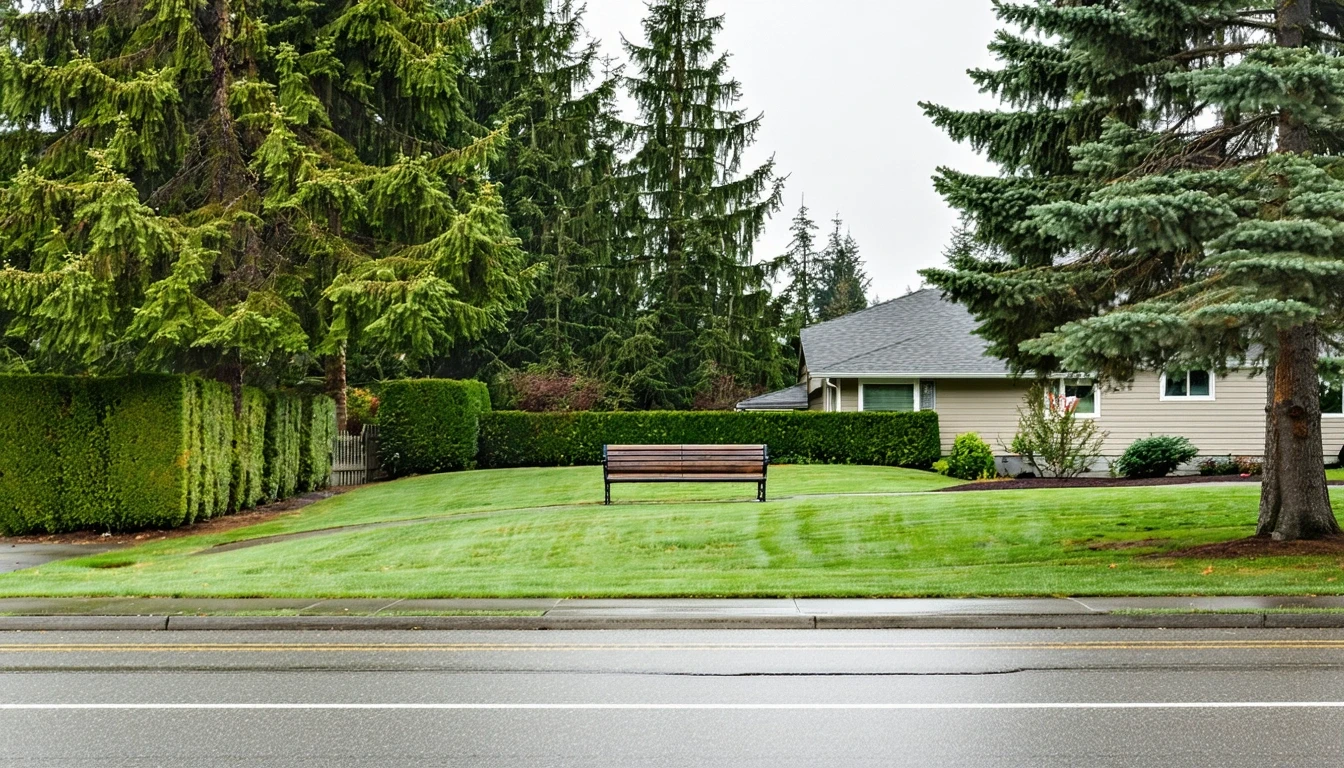
The Housing Market in Everett Today
Everett functions as a commuter-accessible alternative to Seattle, with rail service connecting residents to the metro core. That transit link has made ownership more appealing for households willing to trade urban density for lower entry costs, but it also means Everett’s housing market moves in response to Seattle’s pressure. When Seattle prices climb, Everett absorbs overflow demand. When metro hiring slows, Everett feels the softening faster.
The city’s housing stock reflects decades of suburban growth, with a mix of single-family homes, low-rise apartments, and scattered mid-rise buildings near transit corridors. Neighborhoods closer to the rail station and walkable pockets see tighter inventory and faster turnover. Areas farther from transit or errands infrastructure tend to offer lower prices but require car dependency for daily logistics.
What newcomers often misunderstand: Everett isn’t uniformly affordable. Location within the city determines whether you’re buying into a commuter-friendly, errand-accessible neighborhood or a car-dependent area where convenience costs time instead of money. The $471,200 median reflects a wide range of building ages, lot sizes, and proximity to the features that reduce friction in daily life.
Renting in Everett
At $1,611 per month, Everett’s median rent sits below Seattle’s but still represents a substantial share of income for households earning near the city’s median of $77,806 per year. Rental availability clusters along commercial corridors where food and grocery density is moderate, meaning renters in these areas can reduce car trips for errands—but those outside these zones face longer drives or limited walkability.
Rental pressure in Everett follows transit access. Buildings near the rail station or within walkable pockets command higher rents because they reduce commute friction and car dependency. Renters prioritizing affordability often move farther from transit, which lowers monthly rent but increases transportation exposure and time costs. The tradeoff isn’t just financial—it’s logistical.
Lease renewals in Everett tend to track metro-wide rental trends, meaning rent volatility reflects Seattle’s demand cycles more than Everett’s local economy. Renters should expect that staying in place doesn’t guarantee cost stability; the landlord’s renewal offer will reflect regional pressure, not just your building’s condition or your tenure.
Owning a Home in Everett
Ownership in Everett starts with the $471,200 median home value, but the ongoing cost structure includes property taxes, insurance shaped by the region’s moisture and storm exposure, and maintenance driven by the age and materials common in Pacific Northwest housing stock. These costs don’t appear on the purchase contract, but they define the long-term expense profile.
Property taxes in Everett are set by local levies and assessed value, and they adjust over time as the city funds schools, infrastructure, and services. Buyers should expect taxes to rise gradually, especially if the neighborhood sees increased investment or if regional funding measures pass. Unlike rent, property taxes don’t reset annually—but they do grow, and that growth is less predictable than a mortgage payment.
Insurance costs reflect the Pacific Northwest’s wet climate, which increases risk for water intrusion, mold, and roof wear. Homes with older roofs, inadequate drainage, or deferred exterior maintenance face higher premiums or coverage exclusions. Buyers inheriting deferred maintenance may find that the “deal” on purchase price converts into elevated insurance and repair exposure within the first few years.
Maintenance in Everett isn’t optional—it’s climate-driven. Gutters clog with evergreen needles and moss. Siding and trim deteriorate faster in persistent dampness. HVAC systems work year-round in moderate but humid conditions. Buyers accustomed to drier climates often underestimate how much proactive upkeep the region demands. Ownership here means budgeting for moisture management, not just cosmetic repairs.
Homeowners associations exist in some developments, particularly newer subdivisions and townhome communities. Where present, HOAs bundle services like landscaping, exterior maintenance, or shared amenities—but they also introduce governance, fee increases, and restrictions on modifications. Buyers should verify whether the HOA’s budget is stable and whether the rules align with how they intend to use the property.
Apartment vs House in Everett — Cost Behavior Comparison
The choice between renting an apartment and owning a house in Everett isn’t just about monthly payment—it’s about which costs you control, which you inherit, and how the Pacific Northwest climate and infrastructure shape ongoing exposure. The table below reflects only the categories where Everett’s conditions create meaningful differences in cost behavior.
| Expense Category | Apartment | House |
|---|---|---|
| Heating & Moisture Control | Landlord manages system efficiency and moisture barriers; tenant exposure limited to thermostat behavior | Owner responsible for furnace maintenance, insulation upgrades, and preventing water intrusion; deferred work compounds quickly in wet climate |
| Exterior Maintenance | No tenant responsibility; building-level upkeep handled centrally | Gutters, siding, roof, and drainage require proactive attention due to heavy rain and moss growth; neglect accelerates deterioration |
| Parking & Vehicle Exposure | Covered or assigned parking common in newer buildings; reduces weather-related vehicle wear | Garage or carport availability varies; uncovered parking increases exposure to moisture and seasonal grime |
| Proximity to Transit | Apartments near rail station reduce car dependency and commute costs; farther units increase driving exposure | Houses in walkable pockets or near transit offer similar benefit, but most single-family areas require car ownership for errands and commuting |
| Renovation & Modification | Not permitted; tenant absorbs layout and condition as-is | Owner controls upgrades but must navigate permit requirements and moisture-appropriate materials; DIY work in wet climate requires expertise |
Why these categories? Everett’s wet climate makes exterior and moisture management the dominant cost differentiator between apartments and houses. Transit access and parking matter here because rail service exists but doesn’t reach all neighborhoods, meaning location determines whether a car is optional or required. Renovation control was included because older housing stock often needs moisture remediation or efficiency work, and only owners can authorize it. Categories like utilities or insurance were excluded because the difference is structural (tenant vs owner responsibility) rather than locally driven.
Utilities & Upkeep Differences
Utility exposure in Everett is shaped by the Pacific Northwest’s moderate but persistent climate. Heating dominates in winter, but the region’s dampness means dehumidification and ventilation run year-round to prevent mold and moisture buildup. Electricity at 13.33¢/kWh and natural gas at $15.51/MCF are the baseline rates, but actual bills depend on building age, insulation quality, and how well the structure manages moisture without over-relying on mechanical systems.
Apartments typically centralize heating and water heating, meaning tenants see lower individual utility bills but less control over efficiency. Houses require owners to maintain furnaces, water heaters, and ventilation systems—and older homes with single-pane windows or minimal insulation see noticeably higher heating costs. The region’s mild temperatures keep cooling costs low, but the humidity and frequent rain mean ventilation and moisture control are non-negotiable.
Upkeep differences between apartments and houses in Everett are driven by exterior exposure. Apartment tenants avoid gutter cleaning, roof maintenance, and siding repair—all of which are recurring needs in a climate where moss, algae, and water intrusion are constant threats. Homeowners who defer exterior work often face compounding damage: a clogged gutter leads to fascia rot, which leads to interior water damage, which leads to mold remediation. The cost isn’t just the repair—it’s the cascade.
Landscaping in Everett grows aggressively due to consistent moisture. Renters in apartments avoid this entirely. Homeowners with yards must manage moss control, drainage grading, and vegetation trimming to prevent water from pooling near foundations. The work isn’t seasonal—it’s year-round.
Rent vs Buy: Long-Term Exposure in Everett
Renting in Everett means monthly costs adjust annually, tracking Seattle metro rental pressure rather than your household’s stability. Lease renewals reflect regional demand, not your tenure or the landlord’s costs. That volatility makes long-term budgeting harder, but it also means you can exit without selling, refinancing, or absorbing transaction costs.
Owning in Everett shifts volatility from rent to taxes, insurance, and maintenance. The mortgage payment stays fixed (if financed that way), but property taxes adjust as the city’s budget and assessed values change. Insurance premiums reflect claims history, climate risk, and your home’s condition—and they can rise faster than inflation if the region sees increased storm activity or if your roof ages out of preferred coverage. Maintenance costs grow as the structure ages, and in Everett’s wet climate, deferred work accelerates deterioration.
The long-term tradeoff isn’t rent vs mortgage—it’s predictable monthly obligations vs controllable but variable ownership exposure. Renters face rent resets they can’t control. Owners face repair and tax exposure they can manage but not eliminate. The fit depends on whether your household values exit flexibility or cost control, and whether you’re prepared to manage the proactive upkeep the Pacific Northwest demands.
Ownership in Everett also ties you to the Seattle metro’s economic cycle. If the region’s job market softens or if remote work reduces commuter demand, home values and resale timelines adjust accordingly. Renters can relocate without selling. Owners absorb the market’s timing.
How Day-to-Day Living Shapes Housing Decisions in Everett
Everett’s infrastructure creates distinct cost and convenience profiles depending on where you live. Rail service connects the city to Seattle, which makes ownership near the station appealing for commuters who want to avoid daily driving costs and time loss. Walkable pockets with higher pedestrian infrastructure reduce the need for short car trips, meaning households in those areas spend less on fuel, parking, and vehicle wear—but those neighborhoods also command higher rent and purchase prices.
Outside these areas, Everett requires a car for errands and commuting. Food and grocery options cluster along commercial corridors, meaning residents in single-family neighborhoods farther from these zones drive more frequently. That car dependency doesn’t just add transportation costs—it adds time, trip planning, and the logistical friction of coordinating errands around driving. For families managing school, work, and household needs, that friction compounds daily.
Healthcare access in Everett includes hospital presence and pharmacy availability, which reduces emergency travel time and supports aging in place. For older adults or families with medical needs, proximity to these services affects not just convenience but long-term housing fit. Renters can relocate if access becomes a priority; owners who buy far from healthcare infrastructure may face mobility constraints later.
The city’s moderate park density and water features provide outdoor access, but the experience depends on proximity. Families with young children or households prioritizing recreational access should weigh how often they’ll actually use nearby parks versus how much they’ll drive to reach preferred spaces. The difference between “walkable green space” and “weekend destination” changes how much value the amenity adds to daily life.
These structural realities—transit access, errand density, healthcare proximity, car dependency—determine whether a given neighborhood in Everett reduces or increases the hidden costs of daily logistics. The rent or purchase price is just the entry point. The ongoing cost of living there depends on how the location aligns with how your household actually moves through the week.
How this article was built: In addition to public economic data, this article incorporates location-based experiential signals derived from anonymized geographic patterns—such as access density, walkability, and land-use mix—to reflect how day-to-day living actually feels in Everett, WA.
FAQs About Housing Costs in Everett
Is Everett cheaper than Seattle for renters?
Yes, Everett’s median rent of $1,611 per month is lower than Seattle’s, but the savings depend on location. Renters near Everett’s rail station or walkable corridors pay more but reduce transportation costs and commute time. Renters farther from transit pay less in rent but more in driving, time, and logistical friction. The total cost difference depends on how much you drive and whether proximity to Seattle’s job market matters for your household.
What drives property taxes in Everett?
Property taxes in Everett are set by local levies that fund schools, infrastructure, and services, and they adjust as assessed home values and funding measures change. Buyers should expect gradual increases over time, particularly in neighborhoods seeing investment or development. Unlike rent, property taxes don’t reset annually, but they do grow, and that growth is less predictable than a fixed mortgage payment.
How does Everett’s climate affect homeownership costs?
The Pacific Northwest’s wet climate increases maintenance and insurance exposure. Gutters clog with moss and needles, siding deteriorates in dampness, and roofs wear faster under persistent moisture. Homeowners must budget for proactive exterior upkeep and moisture management, or face compounding damage that accelerates repair costs. Insurance premiums reflect water intrusion risk, and homes with deferred maintenance may see higher rates or coverage exclusions.
Does owning near Everett’s rail station reduce long-term costs?
Owning near the rail station reduces commuting costs and car dependency, which lowers fuel, parking, and vehicle maintenance exposure over time. It also increases resale appeal for future buyers who prioritize transit access. However, homes near the station typically cost more upfront, and the savings depend on how often your household actually uses rail service versus driving. The fit depends on your commute pattern and whether reducing car trips aligns with your daily logistics.
Should first-time buyers consider Everett over Seattle?
Everett offers a lower entry price than Seattle, but buyers should evaluate total ownership exposure, not just the purchase price. Property taxes, insurance, and maintenance costs vary by neighborhood and building age. Buyers should also consider whether Everett’s transit access, errand infrastructure, and commute time fit their household’s needs, because the cost of living in Everett depends heavily on location within the city. The decision isn’t just financial—it’s logistical.
Making Housing Choices in Everett
Housing costs in Everett aren’t just about the rent or purchase price—they’re about understanding which expenses stay predictable, which grow over time, and how the city’s infrastructure shapes the cost of daily life. Renters face monthly expenses that adjust with metro-wide demand, while owners absorb property taxes, insurance, and climate-driven maintenance that compound as the structure ages. The choice between renting and owning depends on whether your household values exit flexibility or long-term cost control, and whether you’re prepared for the proactive upkeep the Pacific Northwest requires.
Location within Everett determines whether you’re paying for convenience or trading money for time. Neighborhoods near rail transit and walkable corridors reduce car dependency and commute friction, but they cost more upfront. Areas farther from transit and errands infrastructure lower monthly housing pressure but increase transportation exposure and logistical complexity. The fit depends on how your household actually moves through the week, not just what the lease or mortgage payment allows.
For households evaluating Everett, the decision isn’t whether you can afford the monthly payment—it’s whether the total cost behavior, including utilities, upkeep, and transportation, aligns with your risk tolerance and timeline. Renters gain flexibility but absorb rent volatility. Owners gain control but inherit maintenance exposure and market timing risk. Both paths work in Everett, but only if the structure fits how you live and how much friction you’re willing to manage. If you’re planning a move to the area, understanding moving companies and logistics can help reduce the transition cost and complexity.