
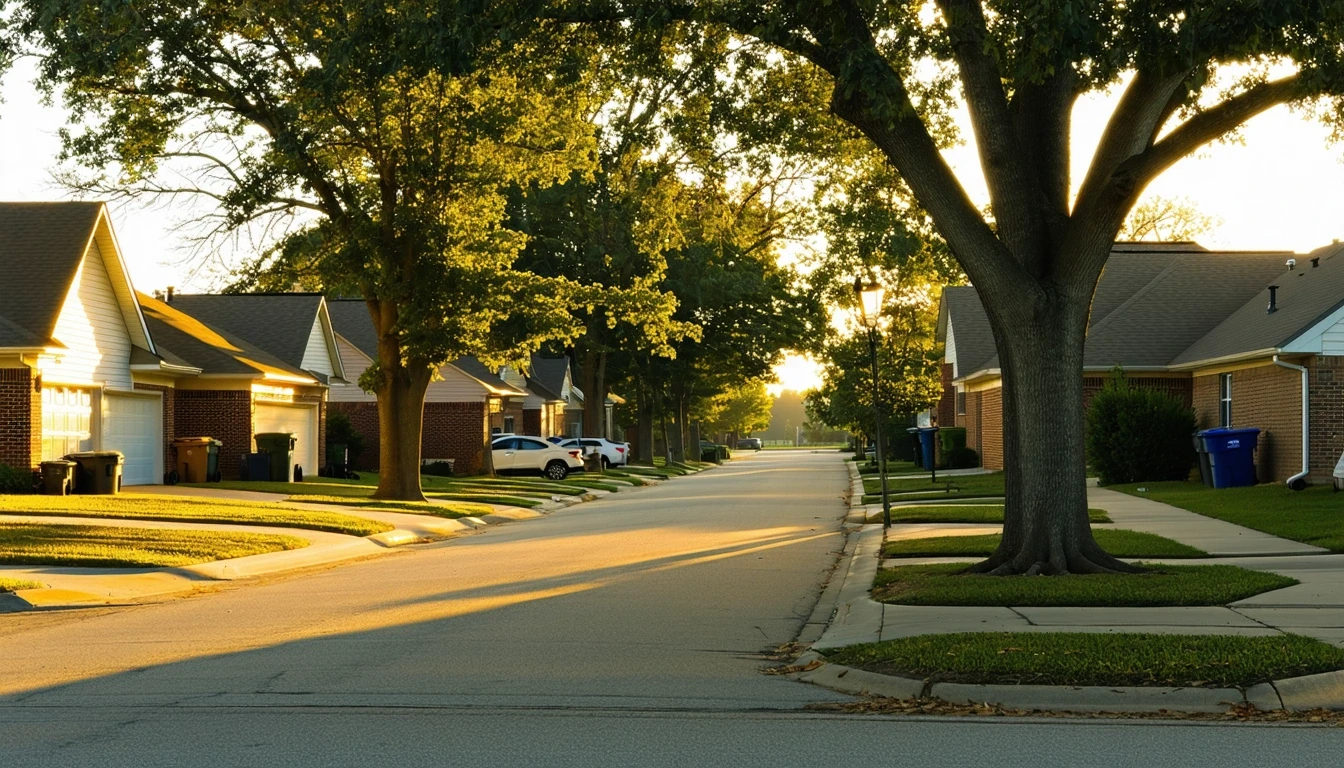
Apartment vs House: Monthly Cost Snapshot in Moore
Before diving into the details, here’s how typical monthly housing costs compare in Moore for renters versus owners. These figures reflect base expenses before personal choices like upgrades, location premiums, or financing terms.
| Expense Category | Apartment | House |
|---|---|---|
| Base Housing Cost | $1,208/month median rent | ~$850/month illustrative mortgage (before taxes/insurance) |
| Property Taxes | Included in rent | Separate annual bill; varies by assessed value and district |
| Utilities (Cooling Season) | Smaller footprint limits exposure | Larger square footage amplifies summer AC costs |
| Storm Prep & Maintenance | Landlord responsibility | Owner bears full cost of roof, siding, and severe weather repairs |
| Flexibility | Lease terms allow relocation | Selling process adds time and transaction costs |
Illustrative mortgage estimate uses median home value of $170,300 with standard assumptions, before taxes and insurance. Actual ownership costs include property taxes, insurance, maintenance, and utilities—each shaped by Moore’s climate and housing stock.
Why these categories? This table isolates cost behaviors that differ meaningfully in Moore due to extended cooling seasons, severe weather exposure, single-family housing dominance, and the way rental supply clusters near commercial corridors. Generic categories like “landscaping” or “HOA fees” are omitted because they don’t apply uniformly across Moore’s housing stock.
—
The Housing Market in Moore Today
Moore sits in the Oklahoma City metro, where housing pressure reflects a balance between accessible home values and the practical realities of suburban ownership. The median home value of $170,300 positions Moore below many regional comparisons, creating entry points for first-time buyers who can manage the full ownership cost structure. But that headline figure doesn’t capture what ownership actually entails here: property tax cycles that adjust with assessed values, utility bills that spike during extended cooling seasons, and maintenance demands shaped by Oklahoma’s severe weather patterns.
Renters face a different texture. The median gross rent of $1,208 per month reflects supply concentrated along commercial corridors, where where money goes in Moore includes predictable monthly payments but limited geographic spread. Rental stock clusters near grocery and errands accessibility, which experiential signals confirm operates at moderate density. Households prioritizing walkable access to daily needs will find those options, but they’re not uniformly distributed across the city.
What newcomers often misunderstand is that Moore’s housing affordability isn’t just about purchase price or rent—it’s about exposure. Ownership here commits you to managing seasonal utility swings, storm-related repairs, and the long-term behavior of property taxes in a state where assessment practices and exemptions vary by district. Renting buffers those exposures but sacrifices control and the ability to lock in a fixed housing cost over time. The market rewards households who understand which risks they’re equipped to manage.
—
Renting in Moore
Rental supply in Moore follows the city’s commercial corridors, where apartments and smaller complexes cluster near grocery stores, clinics, and the moderate food establishment density that experiential signals identify. This isn’t a city where renters can assume walkable access from any address—finding a place near daily errands requires intentional location choice. The median gross rent of $1,208 per month reflects that corridor-clustered availability, and households who prioritize proximity to work, schools, or specific amenities will find their options narrow quickly.
Rental pressure in Moore doesn’t stem from scarcity alone—it’s shaped by the fact that most of the city’s housing stock is single-family and owner-occupied. Apartments exist, but they don’t dominate the landscape the way they might in denser metros. That means renters compete for a smaller pool of units, and landlords can price for stability rather than volume. Lease renewals here tend to reflect broader regional trends rather than hyperlocal volatility, but the limited supply means fewer fallback options if a building raises rates or changes management.
For households weighing renting vs owning, the rental experience in Moore offers predictability and landlord-managed maintenance, which matters in a climate where summer cooling costs and occasional severe weather create ongoing exposure. Renters avoid property tax bills, roof repairs, and the multi-year commitment of ownership, but they also forfeit the ability to stabilize their largest monthly expense over time. The tradeoff isn’t universal—it depends on how long you plan to stay and whether you’re prepared to manage the cost behaviors that come with a house.
—
Owning a Home in Moore
The median home value of $170,300 makes ownership accessible on paper, especially for households earning near or above the median household income of $73,285 per year. But the purchase price is only the entry fee. Ownership in Moore means taking on property taxes that adjust with assessed values, insurance costs shaped by Oklahoma’s tornado and hail exposure, and maintenance cycles driven by the wear that extended heat and occasional severe storms impose on roofs, siding, and HVAC systems.
Property taxes in Oklahoma vary by county and district, and while the feed doesn’t provide a specific rate for Moore, buyers should expect annual bills that fluctuate with reassessments and any voter-approved levies. Unlike rent, which bundles these costs into a single monthly figure, ownership separates them—taxes come due annually or semi-annually, insurance renews on its own cycle, and maintenance happens when systems fail or storms hit. That separation creates planning complexity, and households who budget only for the mortgage payment will find themselves exposed when multiple bills converge.
Storm preparedness isn’t optional here. Moore’s location in central Oklahoma means severe weather is a recurring reality, not an edge case. Homeowners bear the full cost of repairing wind damage, replacing hail-damaged roofs, and reinforcing structures to meet insurance requirements. Renters delegate that responsibility to landlords; owners absorb it directly. The difference isn’t just financial—it’s logistical. Ownership here requires relationships with contractors, roofers, and HVAC technicians, and the ability to respond quickly when systems fail during peak cooling season.
The experiential texture of ownership in Moore also reflects the city’s infrastructure. Walkable pockets exist, and park density sits in the moderate range, but most households still rely on cars for errands, commutes, and school runs. Single-family homes dominate the housing stock, and the mixed building height profile means neighborhoods feel suburban rather than urban. Buyers who expect dense, walkable convenience will be disappointed—Moore’s ownership experience assumes car dependency and the ongoing costs that come with it, from fuel at $2.37 per gallon to vehicle maintenance and insurance.
—
Apartment vs House in Moore — Cost Behavior Comparison
The table at the top of this article isolates the cost categories that behave differently in Moore depending on whether you rent an apartment or own a house. Each row reflects a distinction rooted in the city’s climate, housing stock, or infrastructure—not generic differences that apply everywhere.
Base housing cost separates because rental supply clusters along corridors where moderate grocery and food density exists, while ownership spreads across predominantly single-family neighborhoods. The median rent of $1,208 per month includes property taxes and insurance; the illustrative mortgage figure of roughly $850 per month (based on the median home value of $170,300) does not. That separation matters because ownership in Moore requires budgeting for multiple cost streams that hit on different schedules.
Utilities during cooling season differ because apartment square footage limits exposure, while single-family homes amplify it. Moore’s extended summer heat drives electricity costs at 12.25¢ per kWh, and larger homes with older HVAC systems or poor insulation see that exposure compound. Renters in smaller units avoid the upper end of that cost curve.
Storm prep and maintenance land entirely on homeowners. Oklahoma’s severe weather patterns—tornadoes, hail, high winds—create recurring repair cycles that renters never see. Landlords manage roof replacements, siding repairs, and emergency HVAC fixes; owners pay for them outright and coordinate the logistics.
Flexibility reflects the fact that leases in Moore typically run 12 months, allowing renters to relocate as circumstances change. Homeowners face transaction costs, market timing risk, and the multi-month process of selling, which matters in a city where job mobility and family needs shift over time.
Categories like HOA fees, landscaping, or parking are omitted because they don’t apply uniformly across Moore’s housing stock. The table focuses on cost behaviors that every household will encounter, shaped by the city’s climate, infrastructure, and the way housing supply is distributed.
—
Utilities & Upkeep Differences
Utility exposure in Moore is dominated by cooling season. The extended summer heat drives air conditioning usage to levels that define the annual cost curve, and electricity at 12.25¢ per kWh means households with larger homes or older HVAC systems face noticeable bills from June through September. Apartments buffer this exposure through smaller square footage and shared wall insulation; single-family homes amplify it. The difference isn’t marginal—it’s the gap between a manageable seasonal increase and a cost spike that reshapes monthly expenses.
Natural gas at $37.20 per MCF plays a smaller role here than in colder climates, but it still matters for heating during Oklahoma’s occasional cold snaps and for homes with gas water heaters or appliances. The cost behavior is less volatile than electricity because heating demand is shorter and less intense, but it’s another line item that homeowners manage directly while renters see bundled into their lease terms or paid through landlord-controlled accounts.
Maintenance in Moore is shaped by weather intensity. Severe storms impose recurring costs on roofs, siding, and exterior structures, and the heat accelerates wear on HVAC systems, which run harder and longer than in milder climates. Homeowners replace air filters more frequently, schedule compressor maintenance, and budget for system replacements on shorter cycles than national averages would suggest. Renters avoid these costs entirely—landlords absorb the repair bills and the logistical burden of coordinating contractors during peak demand periods after storms.
Yard maintenance and water usage also differ. Single-family homes in Moore typically include lawns that require irrigation during dry summer stretches, adding to water bills and creating ongoing upkeep demands. Apartments shift that responsibility to property management, and residents avoid both the cost and the time commitment. The difference matters for households weighing the full texture of ownership versus the simplified cost structure of renting.
—
Rent vs Buy: Long-Term Exposure in Moore
The choice between renting and buying in Moore isn’t a question of which costs less today—it’s about which cost structure you’re prepared to manage over time. Renting offers predictability: a fixed monthly payment that bundles housing, property taxes, and insurance into a single figure, with maintenance handled by someone else. That predictability comes at the cost of control. Lease renewals can reset your monthly payment, and you’re subject to landlord decisions about property management, upgrades, and whether to renew your lease at all.
Ownership in Moore inverts that tradeoff. Buyers who lock in a fixed-rate mortgage stabilize their largest housing cost, but they take on exposure to property tax cycles, insurance rate adjustments, and the full cost of maintenance and repairs. Those costs don’t follow a predictable schedule—property taxes adjust with reassessments, insurance renews annually and can spike after severe weather events, and maintenance happens when systems fail or storms cause damage. The result is a cost structure that’s stable in some dimensions and volatile in others, requiring households to budget for irregular expenses and manage multiple payment cycles.
Over time, ownership in Moore rewards households who can absorb short-term volatility in exchange for long-term stability. The mortgage payment doesn’t increase (assuming a fixed rate), while rent in the region tends to drift upward as landlords adjust to market conditions and operating costs. But that advantage only materializes if you stay long enough to outlast the transaction costs of buying and selling, and if you’re prepared to handle the maintenance and tax exposure that comes with a house in a climate where cooling costs and storm damage are recurring realities.
The experiential texture of long-term ownership here also reflects Moore’s infrastructure. The city’s walkable pockets and moderate park density support family life, and school density sits in the medium band, but most households still depend on cars for errands, commutes, and daily logistics. That car dependency adds another layer of ongoing cost—fuel, insurance, maintenance—that compounds the financial commitment of homeownership. Renters who live near commercial corridors can reduce some of that exposure by choosing locations with better errands accessibility, but the city’s structure still assumes most households will drive most of the time.
The decision ultimately hinges on how long you plan to stay and whether you’re equipped to manage the cost behaviors that ownership imposes. Households planning to stay five years or more, with stable income and the ability to budget for irregular expenses, will find Moore’s accessible home values create a path to long-term housing stability. Those prioritizing flexibility, predictable monthly costs, or freedom from maintenance logistics will find renting offers a cleaner cost structure, even if it sacrifices the ability to lock in housing costs over time.
—
FAQs About Housing Costs in Moore
What is the median home value in Moore, OK?
The median home value in Moore is $170,300, which positions the city as accessible relative to many regional markets. However, ownership costs extend beyond the purchase price to include property taxes, insurance, utilities, and maintenance—each shaped by Oklahoma’s climate and local governance.
How much does it cost to rent an apartment in Moore?
The median gross rent in Moore is $1,208 per month. Rental supply clusters along commercial corridors where grocery and errands accessibility is moderate, so location choice significantly affects convenience and commute patterns.
Are property taxes high in Moore, OK?
Property tax rates in Oklahoma vary by county and district, and specific rates for Moore are not provided in available data. Buyers should expect annual bills that adjust with assessed values and any voter-approved levies, creating a cost stream that fluctuates independently of mortgage payments.
How do utilities compare between apartments and houses in Moore?
Apartments in Moore buffer utility exposure through smaller square footage, which limits cooling costs during the extended summer heat. Single-family homes amplify that exposure, especially if they’re older or poorly insulated. Electricity at 12.25¢ per kWh means larger homes face noticeable seasonal spikes.
Is it better to rent or buy in Moore for someone planning to stay three years?
Households planning to stay three years or less typically benefit from renting, which avoids transaction costs, property tax exposure, and the maintenance demands that come with ownership in a climate where severe weather and extended cooling seasons create recurring expenses. Ownership rewards longer timelines where mortgage stability outweighs upfront costs.
—
Making Housing Choices in Moore
Housing costs in Moore reflect a market where accessible home values coexist with the practical realities of ownership in a climate that imposes ongoing exposure. The median home value of $170,300 creates entry points for buyers, but ownership here requires managing property taxes, storm-related maintenance, and utility bills shaped by extended summer heat. Renters at $1,208 per month avoid those exposures but sacrifice long-term cost stability and control over their housing situation.
The city’s infrastructure and experiential texture shape how housing costs play out in daily life. Walkable pockets exist, and errands accessibility clusters along commercial corridors, but most households depend on cars for commutes, school runs, and grocery trips. That car dependency adds another layer of cost that compounds the financial commitment of homeownership and limits the practical benefits of renting near transit or walkable amenities.
Households who fit Moore’s housing market are those who understand which cost behaviors they’re equipped to manage. First-time buyers with stable income and the ability to budget for irregular expenses will find ownership creates a path to long-term stability, especially if they plan to stay five years or more. Families benefit from the city’s school density and park access, but they must account for the full cost structure of single-family homes, including cooling-season utility spikes and storm preparedness. Renters prioritizing flexibility and predictable monthly costs will find apartments buffer maintenance and tax exposure, though they forfeit the ability to lock in housing costs over time.
The choice isn’t universal—it’s personal. Moore’s housing market rewards households who match their cost tolerance to the city’s climate, infrastructure, and the way housing supply is distributed. For more on how housing fits into the broader cost structure here, see Where Your Money Goes in Moore. And if you’re planning a move, Best Moving Companies Guide offers practical logistics support.
How this article was built: In addition to public economic data, this article incorporates location-based experiential signals derived from anonymized geographic patterns—such as access density, walkability, and land-use mix—to reflect how day-to-day living actually feels in Moore, OK.