
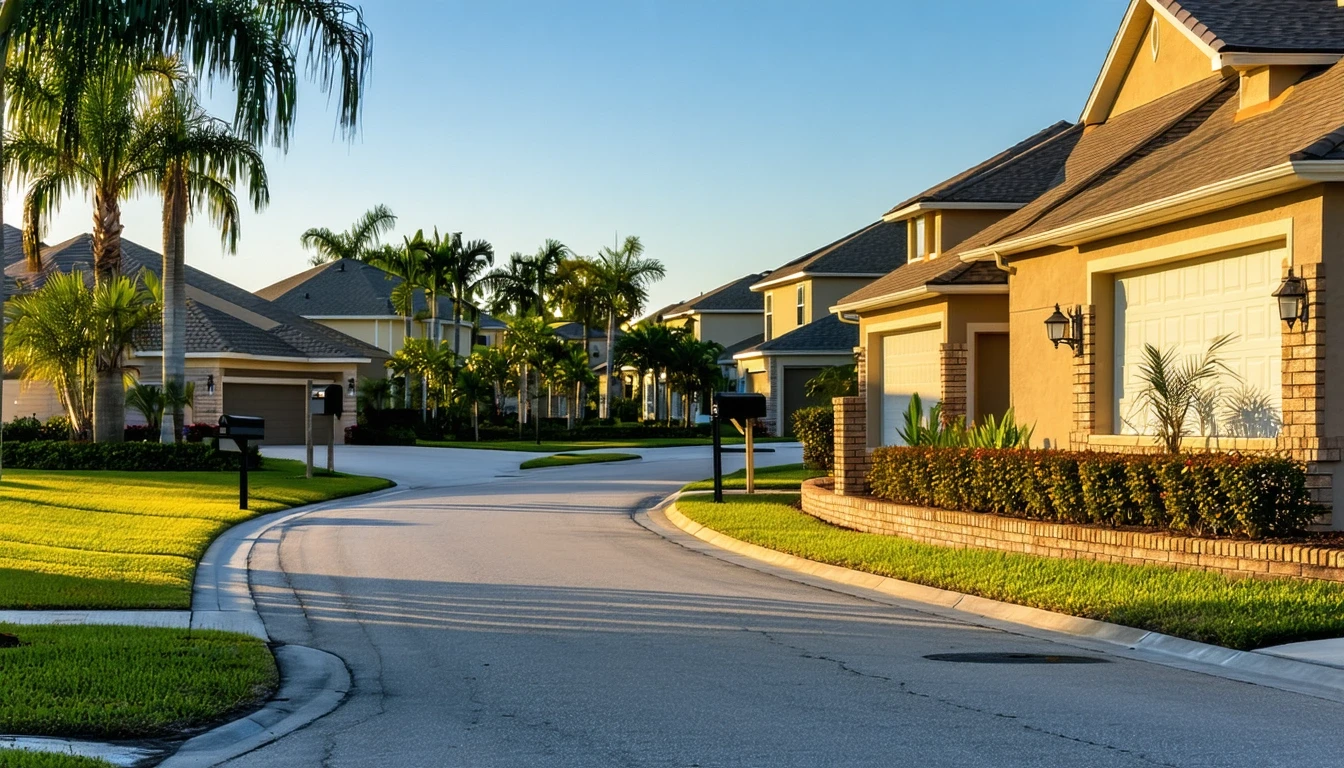
Apartment vs House in Land O Lakes — Illustrative Monthly Cost Comparison
The table below provides illustrative context using typical household assumptions and available local rates. Figures are before taxes, fees, and individual circumstances. Actual costs vary widely by property, location within Land O Lakes, and household behavior.
| Expense Category | Apartment | House |
|---|---|---|
| Rent / Mortgage (illustrative) | ~$1,400–$1,800 | ~$1,600–$2,200 |
| Electricity (1,000 kWh/month at 15.78¢/kWh) | ~$158 | ~$200–$250 |
| Natural Gas (heating months, 1 MCF at $25.39) | Rarely metered separately | ~$25 |
| Water / Sewer / Trash | Often included | ~$80–$120 |
| Yard Maintenance | None | ~$50–$150 (DIY to service) |
| HOA (if applicable) | Rare | ~$50–$200+ |
Why these categories differ in Land O Lakes: The subtropical climate drives extended cooling seasons, making electricity the dominant utility expense. Houses in low-rise suburban form typically cool larger square footage and manage outdoor irrigation, while apartments consolidate exposure. Yard maintenance reflects the prevalence of single-family lots with landscaping expectations. HOA presence varies but is common in newer subdivisions. Water and trash are typically billed separately for homeowners but bundled in many apartment leases.
Omitted categories: Internet, renters or homeowners insurance, and transportation costs were excluded because they vary more by individual choice than by housing type in Land O Lakes’s car-dependent layout.
—
The Housing Market in Land O Lakes Today
Land O Lakes sits within the northern Tampa metro, positioned as a suburban bedroom community with a low-rise, residential character. The housing market here reflects demand from families and commuters seeking space, yards, and distance from urban density, while remaining within reach of Tampa’s employment centers. Development patterns favor single-family subdivisions, many built in the past two decades, with limited apartment stock concentrated near commercial corridors.
What shapes this market distinctly is its role as a car-dependent suburb with mixed pedestrian infrastructure and sparse grocery density. Newcomers often underestimate how much daily logistics depend on driving—errands, school runs, and commuting all assume vehicle access. The presence of bus service provides a baseline transit option, but the lack of rail and the corridor-clustered layout of food and services mean that convenience is earned through planning, not proximity.
Housing pressure here is less about vertical density or walkable neighborhoods and more about securing space in a market where ownership dominates and rental options are limited. The unemployment rate of 3.7% signals a stable local economy, but the broader Tampa metro’s growth continues to push demand outward into communities like Land O Lakes, where land availability and lower density remain attractive tradeoffs for those willing to drive.
—
Renting in Land O Lakes
Renting in Land O Lakes means navigating a market built primarily for ownership. Apartment complexes exist but are fewer and more scattered than in denser metro areas, often located along major corridors rather than integrated into residential neighborhoods. This limited supply can create pressure during peak moving seasons, and renters should expect less variety in unit types, amenities, and lease flexibility compared to urban cores.
The rental experience here is shaped by the same factors that define the broader housing market: car dependency, errand friction, and suburban form. Renters still need reliable transportation to access groceries, healthcare, and employment. The mixed pedestrian-to-road ratio means some neighborhoods support casual walking, but daily errands and commuting require a vehicle. For renters without cars, Land O Lakes presents significant logistical challenges.
Lease structures in suburban Florida markets like this one often include water, trash, and sometimes basic cable, but electricity is typically metered separately. Given the extended cooling season and the electricity rate of 15.78¢/kWh, summer utility bills can add noticeable monthly exposure even in smaller units. Renters should budget for air conditioning to run from late spring through early fall, with peak usage during the hottest months.
Rental volatility in Land O Lakes is less about neighborhood gentrification and more about regional growth pressure from the Tampa metro. Lease renewals may reflect broader market trends rather than hyper-local shifts, and turnover in apartment complexes can be higher among commuters and temporary residents. For renters planning to stay long-term, the lack of walkable amenities and the car-dependent lifestyle may feel more limiting over time compared to ownership, where space and control offset convenience tradeoffs.
—
Owning a Home in Land O Lakes
Ownership in Land O Lakes centers on single-family homes with yards, garages, and space—hallmarks of suburban Florida living. The housing stock skews toward low-rise residential subdivisions, many governed by homeowners associations that manage common areas, enforce aesthetic standards, and sometimes provide amenities like pools or playgrounds. HOA fees vary widely, from minimal dues to several hundred dollars monthly, and prospective buyers should clarify what those fees cover and what authority the association holds over property modifications.
Property taxes in Florida are shaped by a combination of assessed value, millage rates, and exemptions like the Save Our Homes cap, which limits annual assessment increases for homesteaded properties. While these mechanisms provide some predictability for long-term owners, new buyers enter at current market value and face full exposure until they establish homestead status. Tax bills are a recurring cost that scales with home value, and in a growing metro area like Tampa, assessed values can rise as demand pushes into suburban markets.
Maintenance exposure in Land O Lakes is driven by climate and form. The long cooling season, high humidity, and afternoon thunderstorms during summer months create ongoing demands on HVAC systems, roofing, and exterior surfaces. Homeowners manage irrigation for lawns, pest control for subtropical conditions, and periodic repairs to fencing, driveways, and siding. Unlike apartment living, where these responsibilities are externalized, ownership here means budgeting for both routine upkeep and episodic replacements—air conditioning units, water heaters, and roof shingles all have finite lifespans compressed by heat and moisture.
The ownership experience in Land O Lakes differs from renting primarily in control and exposure. Owners gain the ability to modify property, lock in a portion of housing costs, and build equity over time, but they also absorb all volatility in taxes, insurance, maintenance, and utility usage. In a low-density suburban market with limited rental stock, ownership is often the default path for households planning to stay more than a few years, particularly those prioritizing space, privacy, and proximity to schools over walkable convenience.
—
Utilities & Upkeep Differences
Utility and maintenance exposure in Land O Lakes varies sharply between apartments and houses, driven by the subtropical climate and the low-rise suburban form. Electricity dominates household utility costs due to the extended cooling season, which runs from late spring through early fall. At 15.78¢/kWh, a typical household using 1,000 kWh per month faces a baseline bill of around $158, but houses with larger square footage, multiple floors, or older HVAC systems can push usage—and costs—substantially higher. Apartments, with shared walls and smaller footprints, consolidate cooling exposure and often result in lower monthly bills.
Natural gas, priced at $25.39 per MCF, plays a smaller role in Land O Lakes than in colder climates. Heating demand is minimal and concentrated in brief winter stretches, so gas bills remain modest even in homes with gas furnaces or water heaters. Many apartments don’t meter gas separately, folding it into rent or using electric-only systems. For homeowners, gas is a minor line item compared to the relentless summer air conditioning load.
Yard maintenance is a defining difference. Houses in Land O Lakes typically sit on landscaped lots requiring mowing, edging, irrigation, and seasonal pest control. Homeowners either handle this themselves or hire services, adding $50 to $150 or more monthly depending on lot size and expectations. Apartment renters avoid this entirely, with grounds maintenance handled by property management.
Water and sewer costs are usually bundled in apartment leases but billed separately for homeowners, often combined with trash and stormwater fees. Irrigation for lawns during dry periods can push water usage higher in houses, particularly in neighborhoods with HOA landscaping standards. The humid, storm-prone climate also increases the frequency of exterior maintenance—pressure washing, gutter cleaning, and mold prevention—tasks that apartment residents rarely encounter but homeowners must manage routinely.
Upkeep intensity in Land O Lakes is shaped by heat, humidity, and the prevalence of single-family homes with outdoor exposure. Ownership here means accepting that climate will accelerate wear on roofing, HVAC, and exterior finishes, while apartment living shifts that burden to landlords in exchange for less control and flexibility.
—
Rent vs Buy: Long-Term Exposure in Land O Lakes
The long-term cost structure of renting versus owning in Land O Lakes is less about which option costs less on paper and more about which exposure profile fits a household’s stability, control, and tolerance for volatility. Renting offers predictability within the lease term—monthly costs are fixed, maintenance is externalized, and mobility remains high. But renters face renewal risk in a market where limited apartment supply and regional growth pressure from the Tampa metro can push rents upward over time, with little control over timing or magnitude.
Ownership in Land O Lakes locks in a portion of housing costs—primarily the mortgage principal and interest—but exposes households to ongoing variability in property taxes, insurance, maintenance, and utilities. Florida’s property tax structure includes mechanisms like the Save Our Homes cap, which limits annual assessment increases for homesteaded properties, providing some insulation for long-term owners. However, new buyers enter at current market value and face full exposure until homestead status is established. Insurance costs in Florida are subject to state market conditions, and while Land O Lakes is inland and less exposed to hurricane surge than coastal areas, windstorm coverage remains a recurring expense that can shift year to year.
Maintenance exposure grows over time as homes age and systems reach the end of their service lives. HVAC units, water heaters, and roofing all face accelerated wear in the subtropical climate, and replacement costs are episodic but inevitable. Renters avoid this entirely; owners must plan for it. The tradeoff is control: owners can upgrade, modify, and stabilize their living environment in ways renters cannot, and they build equity as the mortgage balance declines.
In a car-dependent, low-density market like Land O Lakes, the decision between renting and owning is also shaped by lifestyle fit. Ownership here assumes a willingness to manage space, drive for errands, and absorb the time and cost of yard and home maintenance. Renting offers flexibility and simplicity but within a limited stock of units, most of which still require a car and offer little walkable convenience. For households planning to stay in Land O Lakes for several years, ownership often becomes the default path—not because it’s cheaper, but because it provides stability, control, and alignment with the suburban form that defines the area.
The long-term risk profile differs fundamentally: renters face income-driven displacement and lease-term uncertainty, while owners face asset-driven volatility in taxes, insurance, and maintenance. Neither path eliminates cost growth over time, but ownership in Land O Lakes shifts the nature of that growth from external market forces to internal household management and regional fiscal conditions.
—
How People Actually Live in Land O Lakes
Daily life in Land O Lakes is structured around the car. The mixed pedestrian infrastructure supports casual neighborhood walks, but running errands, getting to work, or accessing groceries requires driving. Grocery density falls below typical thresholds, meaning that even routine shopping often involves a deliberate trip rather than a quick stop on the way home. Food options exist and are concentrated along commercial corridors, but they’re not woven into residential areas in a way that supports spontaneous access.
Bus service provides a baseline transit option, but without rail and with the area’s low-rise, spread-out form, most households rely entirely on personal vehicles. Commuters heading to Tampa or surrounding employment centers should expect drive times that vary with traffic, and the lack of walkable alternatives means that every household member who needs independent mobility typically needs a car. Fuel costs at $2.84 per gallon add up quickly for households managing multiple commutes, school runs, and errand loops.
For families, the infrastructure is present but limited—school density is low, and playgrounds exist but aren’t abundant. Parks are moderately accessible, and water features add some outdoor appeal, but the overall layout assumes that households will drive to recreational activities rather than walk to them. The low-rise building character and presence of both residential and commercial land use create pockets of activity, but the dominant experience is suburban: private yards, garage-dependent homes, and errands planned around driving routes rather than foot traffic.
This structure shapes housing costs in subtle but important ways. The convenience penalty of sparse grocery access and car dependency doesn’t show up as a line item, but it increases fuel spending, vehicle wear, and the time cost of household logistics. For renters and owners alike, living in Land O Lakes means accepting that proximity and spontaneity are traded for space, privacy, and lower density—a tradeoff that works well for some households and feels limiting for others.
How this article was built: In addition to public economic data, this article incorporates location-based experiential signals derived from anonymized geographic patterns—such as access density, walkability, and land-use mix—to reflect how day-to-day living actually feels in Land O Lakes, FL.
—
FAQs About Housing Costs in Land O Lakes
Is Land O Lakes more affordable than Tampa for renters?
Land O Lakes offers more space and lower density than Tampa, but rental stock is limited and concentrated along corridors. Renters trade urban convenience and walkability for suburban space, and car dependency adds fuel and vehicle costs that offset some housing savings. Affordability depends on whether a household values proximity or space more.
What drives utility costs higher in houses versus apartments in Land O Lakes?
Houses cool larger square footage, manage outdoor irrigation, and often have older or less efficient HVAC systems. The extended cooling season and electricity rate of 15.78¢/kWh make air conditioning the dominant utility expense. Apartments benefit from shared walls, smaller footprints, and consolidated exposure, resulting in lower monthly bills.
Are HOA fees common in Land O Lakes, and what do they cover?
HOA fees are common in newer subdivisions and vary widely, from minimal dues to several hundred dollars monthly. They typically cover common area maintenance, landscaping, and sometimes amenities like pools or playgrounds. Buyers should clarify what fees include and what authority the HOA holds over property modifications and exterior standards.
How does Florida’s property tax structure affect long-term homeowners in Land O Lakes?
Florida’s Save Our Homes cap limits annual assessment increases for homesteaded properties, providing some predictability for long-term owners. New buyers enter at current market value and face full exposure until they establish homestead status. Property taxes are a recurring cost that scales with home value and can rise as regional demand pushes assessed values higher.
Is it hard to live in Land O Lakes without a car?
Yes. The area’s low-rise, suburban form and sparse grocery density make car ownership essential for daily errands, commuting, and accessing services. Bus service exists but is limited, and the mixed pedestrian infrastructure supports neighborhood walking but not car-free living. Households without reliable vehicles will face significant logistical challenges.
—
Making Housing Choices in Land O Lakes
Housing costs in Land O Lakes are shaped by suburban form, climate exposure, and car dependency. Ownership dominates the market, offering space, control, and long-term stability for households willing to manage maintenance, utilities, and the logistics of low-density living. Renting provides flexibility and simplicity but within a limited stock of units that still require driving for most daily needs.
The tradeoffs here are clear: space and privacy come at the cost of convenience and walkability. Utility exposure is driven by the extended cooling season, and ownership brings episodic maintenance costs that renters avoid. For families and remote workers seeking room to spread out and a slower pace, Land O Lakes fits well. For those prioritizing transit access, walkable errands, or rental flexibility, the area’s structure presents friction that’s hard to work around.
Understanding your monthly budget in Land O Lakes means accounting not just for rent or mortgage, but for the fuel, time, and vehicle costs embedded in the area’s car-dependent layout. Housing decisions here are as much about lifestyle fit as they are about monthly payments, and the long-term cost profile depends on how well a household aligns with the suburban, low-density character that defines the community.