
Encinitas sits along the San Diego County coast, where Pacific proximity, established neighborhoods, and a reputation as a retirement destination converge to create a housing market defined by scarcity and premium pricing. The median home value here reaches $1,354,600, placing ownership out of reach for many households unless they arrive with substantial equity or dual high incomes. Median gross rent stands at $2,480 per month, reflecting tight supply and sustained demand from both long-term residents and newcomers drawn to the city’s coastal character and infrastructure.
What distinguishes Encinitas from other expensive coastal markets is the interplay between its physical layout and its cost structure. The city features walkable pockets with notable cycling infrastructure and rail transit access, supported by high food and grocery density. These qualities reduce car dependency for daily errands and create neighborhoods where proximity substitutes for square footage—a tradeoff that matters when housing costs dominate budgets. Families benefit from strong school and playground infrastructure, and the mixed building heights allow for some density without uniformity. Yet these amenities don’t lower costs; they sustain them, because demand remains concentrated in a city where new housing supply faces geographic and regulatory constraints.
Understanding what shapes the cost of living in Encinitas requires recognizing that housing isn’t just shelter—it’s the lever that determines transportation needs, time allocation, and household logistics. In Encinitas, the housing decision precedes every other budget calculation.
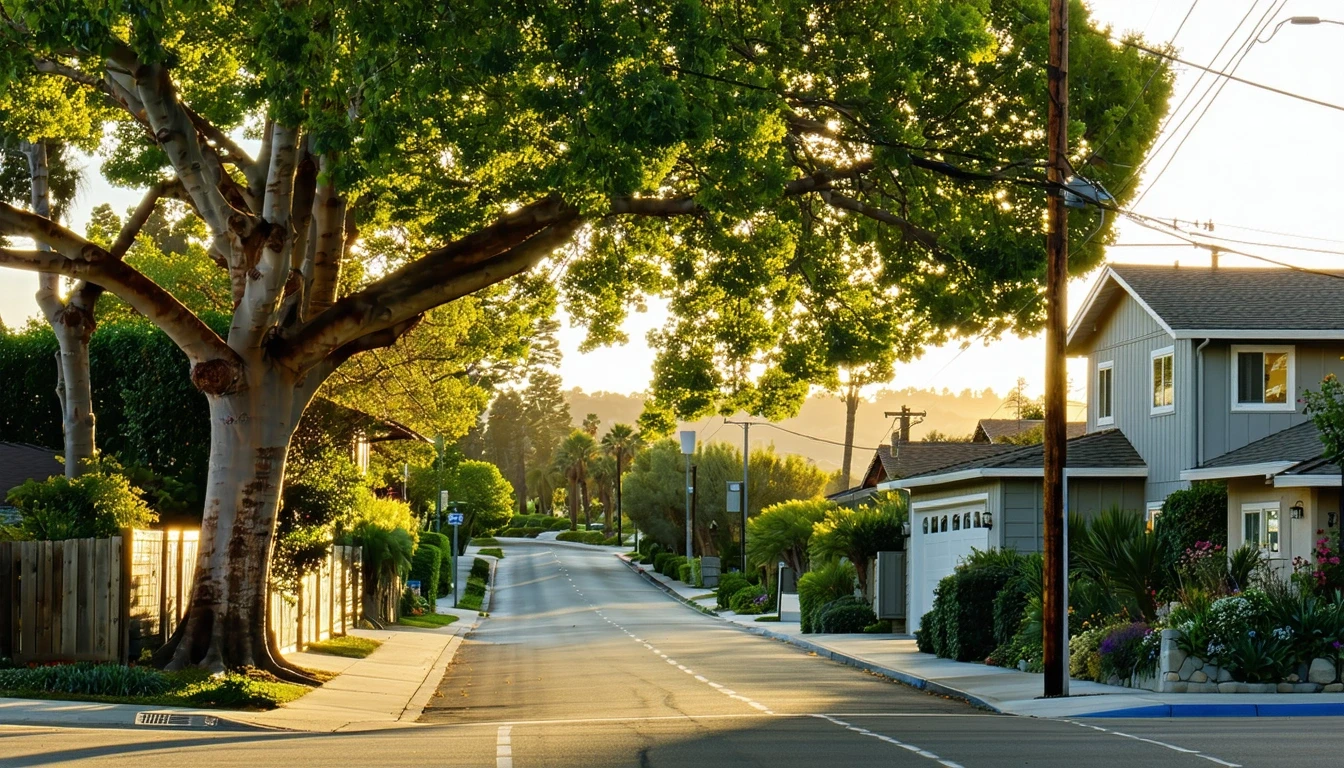
The Housing Market in Encinitas Today
Encinitas operates as a mature coastal market where turnover is slow, inventory is limited, and buyers compete not just on price but on certainty. Homes that do list often receive multiple offers, and sellers favor cash or large down payments that signal low contingency risk. The retirement city designation reflects both the age profile of long-term residents and the appeal to buyers seeking a final-move destination, which adds stability to demand even during broader economic uncertainty.
The city’s layout—a series of distinct neighborhoods rather than a single downtown core—means that housing costs vary by proximity to the coast, school quality, and walkability. Inland areas offer modest relief, but the gap between coastal and non-coastal pricing is narrower here than in larger metro areas, because Encinitas itself is small and every neighborhood benefits from the city’s overall infrastructure and access. The presence of rail transit (Coaster service) and the bike-to-road ratio that exceeds high thresholds make car-light living feasible in parts of the city, which appeals to retirees downsizing from larger homes and professionals willing to trade space for convenience.
Newcomers often underestimate how quickly they must act in this market. Rental vacancies fill within days, and purchase offers require pre-approval and flexibility on terms. The assumption that “something will open up” is costly here, because housing supply doesn’t respond quickly to demand shifts, and waiting typically means facing higher prices rather than better options.
Renting in Encinitas
Rental housing in Encinitas serves two primary populations: younger professionals who haven’t accumulated down payment capital, and retirees or near-retirees who prefer liquidity and lower maintenance responsibility over ownership. At $2,480 per month for median gross rent, the cost reflects not just the unit itself but the embedded value of location—proximity to the coast, access to transit, and the ability to run errands on foot or by bike in neighborhoods where food and grocery density is high.
Rental stock skews toward smaller units and older complexes, with limited new construction. This creates pressure at lease renewal, where landlords can adjust rents to reflect current market conditions rather than tenant tenure. Renters in Encinitas face the reality that their monthly spending is anchored by a housing cost that can shift annually, and that volatility makes long-term financial planning harder than in ownership scenarios where principal and interest remain fixed.
The rental experience here differs from larger cities in one key respect: because Encinitas is small and amenity-rich, renters don’t sacrifice much in terms of access or quality of life compared to owners. Walkable pockets, rail service, and broadly accessible errands mean that renters can live car-light or car-free in ways that would be difficult in sprawling suburban markets. This reduces the lifestyle gap between renting and owning, though it doesn’t reduce the cost gap.
For households deciding whether to rent, the central question is whether the flexibility and lower upfront cost justify the exposure to annual rent increases and the inability to build equity. In Encinitas, that tradeoff tilts toward renting only for those who prioritize mobility, expect to relocate within a few years, or lack the capital to enter the ownership market.
Owning a Home in Encinitas
Ownership in Encinitas begins with a $1,354,600 median home value, which translates to significant upfront capital requirements even for buyers with strong credit and income. Property taxes, homeowners insurance, and maintenance costs layer on top of the mortgage, and each of these expenses behaves differently over time. Property taxes adjust with assessed value under California’s Proposition 13 framework, which limits annual increases for existing owners but resets to market value at sale. Insurance costs reflect coastal exposure, wildfire risk in certain areas, and replacement cost trends that have risen faster than general inflation in recent years.
Maintenance and upkeep in Encinitas are shaped by the coastal climate, which accelerates wear on exterior surfaces, roofing, and landscaping. Homes near the ocean face salt air corrosion, while inland properties contend with heat and dryness that stress irrigation systems and HVAC equipment. These aren’t catastrophic costs, but they’re persistent, and they accumulate in ways that renters never see. Ownership here means budgeting for these recurring expenses and understanding that deferred maintenance compounds quickly in a high-value market where buyers expect turnkey condition.
Homeowners associations are common in newer developments and some older condo complexes, though the city also has significant single-family stock without HOA governance. Where HOAs exist, they bundle some maintenance and insurance responsibilities, but they also introduce fees that rise over time and governance structures that limit autonomy. Buyers should verify HOA financial health and reserve funding before closing, because underfunded associations can levy special assessments that create unexpected costs.
The ownership experience in Encinitas rewards those who plan to stay long enough to absorb transaction costs and benefit from fixed housing payments in a market where rents continue to climb. It penalizes those who underestimate the capital required to maintain a high-value property or who assume that appreciation alone will offset the cost of ownership.
Apartment vs House in Encinitas — Cost Behavior Comparison
| Expense Category | Apartment | House |
|---|---|---|
| Base Housing Cost | Median gross rent $2,480/month; includes some utilities and exterior maintenance | Median home value $1,354,600; mortgage, taxes, and insurance paid separately |
| Cooling Exposure | Lower due to shared walls and smaller conditioned space; coastal proximity moderates inland heat | Higher in inland areas with larger square footage and full sun exposure; coastal homes benefit from marine layer |
| Exterior Maintenance | Covered by landlord or HOA; tenant has no direct cost or control | Owner responsibility; coastal salt air accelerates paint, roof, and fixture wear |
| Yard and Landscaping | Not applicable or minimal; water typically included in rent | Ongoing cost; drought-tolerant landscaping reduces but doesn’t eliminate water and maintenance needs |
| Property Tax Exposure | Indirect; landlord’s tax cost influences rent but doesn’t appear as separate line item | Direct and recurring; assessed value resets at purchase, then limited annual growth under Prop 13 |
| Insurance | Renter’s insurance covers contents only; structure covered by landlord | Homeowner’s insurance required by lender; coastal and wildfire risk factors increase premiums |
Why these differences matter in Encinitas: The city’s coastal climate and mixed building stock create cost distinctions that don’t appear in inland or non-coastal markets. Apartments benefit from shared infrastructure and landlord-absorbed maintenance, while houses expose owners to the full cost of sustaining a property in a salt-air environment. The presence of walkable pockets and rail transit means that apartment dwellers can live car-light more easily than in car-dependent suburbs, which reduces the transportation offset that typically favors single-family homes. Categories like heating costs and snow removal are omitted because they don’t vary meaningfully in Encinitas’s mild climate.
Utilities & Upkeep Differences
Utility costs in Encinitas reflect California’s high electricity rates—31.91¢/kWh—and the city’s coastal climate, which moderates cooling needs compared to inland Southern California but still requires air conditioning during late summer and fall heat events. Natural gas, priced at $21.89/MCF, is used primarily for water heating and cooking, with minimal heating demand due to mild winters. Apartment dwellers typically see lower absolute utility costs due to smaller square footage and shared walls that reduce thermal loss, though they have less control over efficiency upgrades.
Homeowners face greater exposure to utility volatility, particularly during heat waves when cooling demand spikes. Coastal homes benefit from marine layer cooling and ocean breezes, which reduce air conditioning runtime, while inland properties experience hotter, drier conditions that drive higher usage. The ability to invest in insulation, efficient HVAC systems, and solar panels gives homeowners long-term control over utility costs, but these upgrades require upfront capital and time to pay off.
Maintenance exposure in houses extends beyond utilities to include exterior surfaces, roofing, and landscaping. Salt air accelerates corrosion on metal fixtures, paint, and outdoor equipment, requiring more frequent repainting and replacement than in non-coastal areas. Drought-tolerant landscaping reduces water use but doesn’t eliminate the need for irrigation, and mature trees—common in older Encinitas neighborhoods—require periodic trimming and care. These costs are minor individually but accumulate over time, and they’re entirely absent from the apartment renter’s budget.
The upkeep difference between apartments and houses in Encinitas is less about catastrophic expenses and more about the steady, recurring costs that owners must anticipate and budget for. Renters avoid these costs but also forfeit the ability to improve efficiency or customize their living environment.
Rent vs Buy: Long-Term Exposure in Encinitas
The decision between renting and buying in Encinitas is fundamentally a choice between two different risk profiles. Renting offers flexibility and lower upfront cost but exposes households to annual rent increases that reflect market conditions rather than their own financial situation. Buying requires substantial capital and commits households to a fixed location, but it locks in the principal and interest portion of housing cost and allows equity accumulation over time.
Renters in Encinitas face the reality that their housing cost can rise each year, and because rental supply is limited, they have little leverage to negotiate. The median gross rent of $2,480 per month reflects current market conditions, but lease renewals often bring increases that compound over time. Renters who stay in place for five or ten years may find that their rent has grown faster than their income, particularly if they work in sectors where wage growth is modest. This volatility makes long-term financial planning harder and limits the ability to save for other goals.
Homeowners, by contrast, lock in their principal and interest payment at purchase, which provides predictability even as property taxes, insurance, and maintenance costs adjust over time. The equity-building component of ownership means that each payment increases net worth, though this benefit only materializes if the homeowner stays long enough to offset transaction costs and if the property appreciates or at least holds value. In Encinitas, where demand has remained strong and supply constrained, ownership has historically rewarded those who could afford the entry cost and weather short-term market fluctuations.
The long-term exposure difference is not just financial—it’s also about control. Homeowners can renovate, install solar, upgrade insulation, and make other changes that reduce costs or improve livability. Renters cannot, and they remain subject to landlord decisions about maintenance, upgrades, and lease terms. In a city where housing quality and location drive much of the cost-of-living experience, that control matters.
For households deciding between renting and buying, the question is not which option is cheaper in year one, but which option aligns with their time horizon, capital availability, and tolerance for different kinds of risk. Renting makes sense for those who value flexibility, expect to relocate, or lack the savings to buy. Buying makes sense for those who can afford the upfront cost, plan to stay for at least five to seven years, and want to stabilize their housing expense over time.
FAQs About Housing Costs in Encinitas
Why is housing so expensive in Encinitas compared to other San Diego County cities?
Encinitas combines coastal location, limited developable land, strong school and family infrastructure, and a reputation as a retirement destination. These factors sustain demand while supply remains constrained by geography and regulation. The result is a market where both rents and home values reflect scarcity and desirability rather than just construction costs.
Is it realistic to rent long-term in Encinitas, or does ownership become necessary?
Renting long-term is feasible for households with stable, high incomes who prioritize flexibility or who don’t have the capital to buy. However, renters face ongoing exposure to rent increases and lack the equity-building benefit of ownership. For those planning to stay in Encinitas for many years, ownership typically offers better long-term financial stability, assuming they can afford the upfront cost.
How does living near the coast in Encinitas affect housing costs beyond the purchase price?
Coastal proximity increases insurance premiums due to weather exposure, accelerates exterior maintenance needs due to salt air, and often raises property values, which in turn raises property taxes. However, coastal homes also benefit from natural cooling, which reduces air conditioning costs compared to inland properties. The net effect is higher ownership costs but lower utility exposure.
Do apartments in Encinitas offer a meaningful cost advantage over houses?
Apartments typically have lower absolute costs due to smaller square footage, shared walls, and landlord-covered maintenance. However, the rent for a well-located apartment in Encinitas can approach or exceed the monthly cost of owning a modest house when mortgage, taxes, and insurance are combined. The advantage of apartments is not always lower cost—it’s lower upfront capital, less maintenance responsibility, and greater flexibility.
What should buyers prioritize when evaluating neighborhoods in Encinitas?
Buyers should assess proximity to transit and errands accessibility, school quality if they have children, and exposure to coastal vs inland climate conditions. Walkable pockets with rail access reduce transportation costs and time, while inland areas may offer slightly lower home prices but higher cooling costs. HOA presence, neighborhood age, and future development plans also affect long-term cost and livability.
Making Housing Choices in Encinitas
Housing costs in Encinitas are not just a budget line—they determine transportation needs, time allocation, and access to the infrastructure that makes daily life manageable. The city’s walkable pockets, rail transit, and high density of food and grocery options mean that housing location directly affects whether households can reduce car dependency, shorten errands, and integrate work, school, and daily tasks without long commutes. These structural features don’t lower housing costs, but they change the tradeoffs households face when deciding where to live and how much to spend.
Renters in Encinitas gain flexibility and avoid maintenance responsibility, but they accept ongoing exposure to rent increases and forfeit equity accumulation. Owners gain cost predictability and long-term wealth building, but they must bring substantial capital and commit to a location for years. Neither choice is universally better; each fits different household circumstances, time horizons, and financial priorities.
For those evaluating Encinitas, the housing decision should come first, because it shapes every other cost and lifestyle dimension. Understanding how rent vs buy, apartment vs house, and coastal vs inland location affect not just monthly payments but also transportation, utilities, and time spent on logistics is essential to making a choice that fits both budget and life structure. The city’s housing market rewards those who plan carefully, act decisively, and align their housing choice with their broader financial and personal goals.
How this article was built: In addition to public economic data, this article incorporates location-based experiential signals derived from anonymized geographic patterns—such as access density, walkability, and land-use mix—to reflect how day-to-day living actually feels in Encinitas, CA.