
| Expense Category | Apartment | House |
|---|---|---|
| Base Housing Cost | ~$996/month (median rent, includes structure) | ~$740/month (principal + interest on $147,700 at typical 2025 rates, before taxes/insurance) |
| Summer Cooling | Lower exposure; smaller square footage and shared walls reduce load | Higher exposure; standalone structure and larger space amplify summer utility costs |
| Exterior Maintenance | Landlord responsibility; no direct cost | Owner responsibility; roof, siding, and yard upkeep required |
| Property Tax | Embedded in rent; invisible to tenant | Direct annual bill; varies by assessed value and district |
Table methodology: This comparison isolates cost categories that behave differently in Midwest City due to climate (extended cooling season), housing stock (single-family dominance), and ownership structure (direct tax and maintenance exposure). Categories that don’t vary meaningfully between apartments and houses—such as internet, trash, or water/sewer—are omitted. Base housing costs use median rent from census data and an illustrative mortgage calculation using the median home value of $147,700; actual monthly obligations will vary by down payment, loan terms, and individual property taxes and insurance.
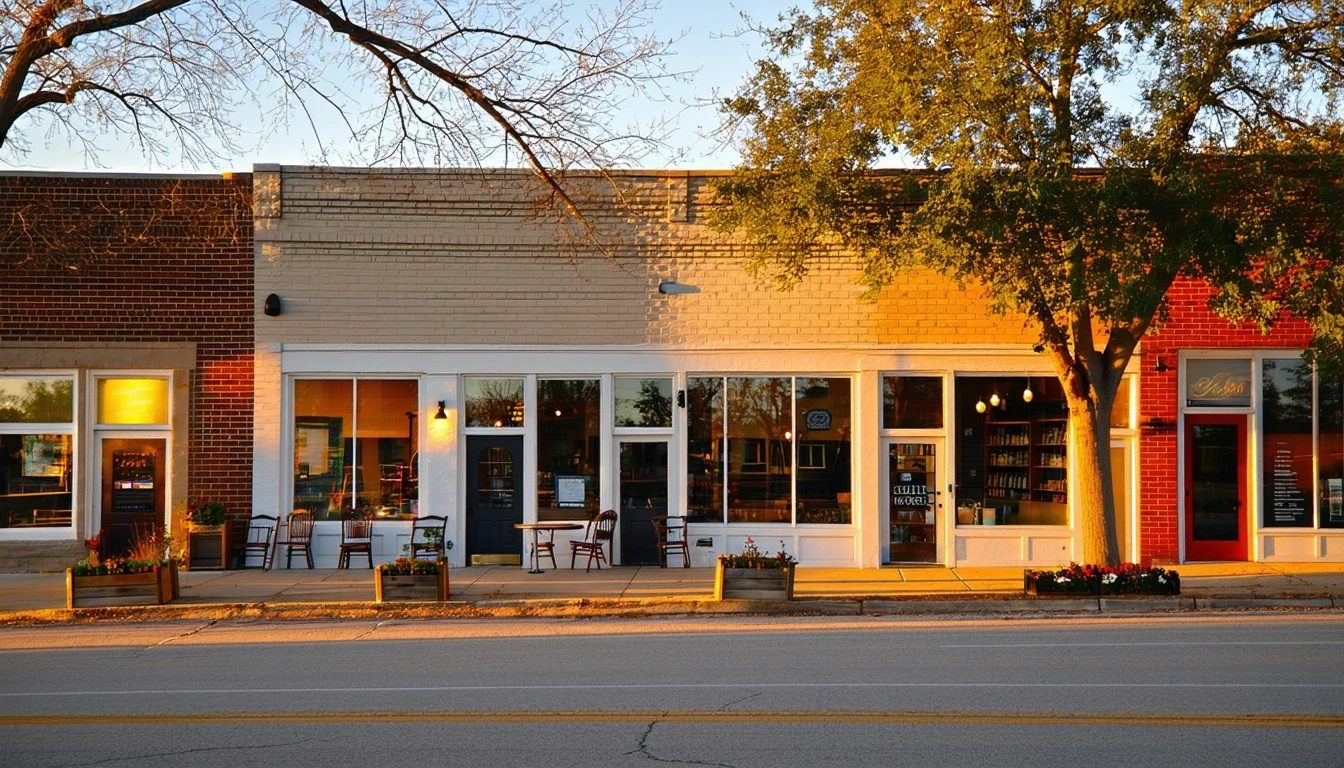
The Housing Market in Midwest City Today
Midwest City sits just east of Oklahoma City, shaped by its proximity to Tinker Air Force Base and its role as an established suburban community. The cost structure here reflects a regional price level nearly 10% below the national baseline, and housing costs follow that pattern. The median home value of $147,700 positions Midwest City as one of the more accessible ownership markets in the Oklahoma City metro, while median rent of $996 per month keeps rental costs manageable relative to the local median household income of $56,811 per year.
What newcomers often misunderstand is that Midwest City’s housing market isn’t uniform. Neighborhoods closer to walkable commercial corridors—where food, grocery, and service businesses cluster—tend to see steadier demand and slightly higher prices, while car-dependent residential pockets farther from these corridors offer lower entry costs but require reliable vehicle access for daily errands. The military presence at Tinker stabilizes rental demand and supports a steady flow of both renters and buyers, but it also means housing turnover is common and competition for well-located properties can be brisk despite the overall affordability.
The housing stock is predominantly single-family homes, with apartments and small multifamily buildings concentrated near commercial corridors and major roads. This structure creates a clear tradeoff: renters who prioritize walkability and transit access will find their options limited and may pay a modest premium, while those willing to drive for errands can access lower rents in quieter residential areas. For buyers, the low median home value makes ownership viable earlier in a household’s financial timeline than in higher-cost metros, but it also means homes here don’t carry the same equity acceleration seen in faster-appreciating markets.
Renting in Midwest City
Renting in Midwest City offers predictable monthly costs and flexibility, particularly for households tied to Tinker Air Force Base or those still deciding whether to settle long-term in the Oklahoma City metro. The median rent of $996 per month represents roughly 21% of the median household income, leaving most renters with breathing room for other expenses. However, that figure is a midpoint—actual rent varies significantly based on location, unit size, and proximity to the commercial corridors where grocery stores, clinics, and bus stops cluster.
Renters in neighborhoods with better pedestrian infrastructure and mixed land use—where residential blocks sit near small business corridors—gain the ability to run some errands on foot or via the city’s bus service, reducing the need for a second vehicle. These areas tend to command higher rents, though the premium is modest compared to larger metros. Renters in car-dependent neighborhoods farther from these corridors face lower base rent but must budget for vehicle ownership, fuel, and the time cost of driving to access groceries, healthcare, and services.
Rental cost pressure in Midwest City is generally low, but it’s not static. Lease renewals can bring increases, particularly in well-located complexes near Tinker or along the commercial corridors. Renters should expect some year-over-year variability, though the overall affordability of the market keeps increases moderate. The tradeoff for renters is clear: lower monthly obligations and no maintenance responsibility, but no equity accumulation and limited control over long-term cost changes.
Owning a Home in Midwest City
Ownership in Midwest City is defined by low entry costs and long-term exposure to maintenance, taxes, and utility volatility. The median home value of $147,700 makes down payments and monthly principal-and-interest obligations accessible for households earning near or above the local median income. For a buyer putting 10% down, the mortgage might run around $740 per month before property taxes, insurance, and any HOA fees—figures that vary by lender, loan term, and individual property characteristics.
What changes the ownership experience here is the responsibility for everything the landlord used to handle. Property taxes in Oklahoma are levied by county and local districts, and while the state doesn’t rank among the highest nationally, the tax bill is a direct annual obligation that renters never see. Homeowners insurance is required by lenders and must account for severe weather exposure, including tornadoes and hailstorms common to central Oklahoma. These costs don’t appear in the purchase price but shape the true monthly burden of ownership.
Maintenance is the other major shift. Midwest City’s housing stock includes many homes built in the 1960s through 1980s, and older homes bring predictable upkeep: roofs, HVAC systems, water heaters, and exterior siding all age and eventually require replacement. In a climate with hot, humid summers and occasional severe storms, cooling systems work hard and exterior materials weather faster. Owners must budget for these episodic but inevitable expenses, and unlike rent, there’s no landlord to call when the air conditioner fails in July.
The upside of ownership here is control and equity. Monthly principal payments build equity rather than disappearing into rent, and owners can make improvements, lock in predictable housing costs through fixed-rate mortgages, and avoid the uncertainty of lease renewals. For households planning to stay in Midwest City for several years, ownership shifts monthly expenses from pure consumption to wealth accumulation, even if the market doesn’t deliver rapid appreciation.
Utilities & Upkeep Differences
Utility and maintenance exposure in Midwest City is shaped by the extended cooling season and the prevalence of single-family homes. Summers here bring sustained heat—often reaching triple digits—and cooling dominates household energy use from May through September. The local electricity rate of 13.34¢ per kilowatt-hour is close to the national average, but the intensity and duration of cooling demand means summer bills climb noticeably for anyone living in a standalone house.
Apartments buffer this exposure. Shared walls, smaller square footage, and often newer construction with better insulation reduce the cooling load per unit. Renters in apartments typically see lower summer utility bills than homeowners in single-family houses, and they avoid the cost of maintaining HVAC equipment. Homeowners, by contrast, pay to cool larger spaces, maintain aging air conditioning systems, and replace them when they fail—a significant episodic cost in a climate where cooling isn’t optional.
Winter heating costs are lower across the board. Mild Oklahoma winters mean natural gas heating—priced locally at $37.20 per thousand cubic feet—doesn’t create the same financial pressure seen in colder climates. The seasonal cost imbalance is pronounced: summer utility exposure is the dominant driver, and homeowners in older, less-insulated houses feel it most acutely.
Exterior maintenance is another dividing line. Apartment renters don’t mow lawns, replace gutters, or repaint siding. Homeowners do, and in Midwest City’s climate—where summer heat stresses exterior materials and occasional severe weather damages roofs and siding—these tasks aren’t optional. The cost isn’t constant, but it’s recurring, and it adds to the total burden of ownership in ways that don’t show up in the purchase price.
Rent vs Buy: Long-Term Exposure in Midwest City
The rent-versus-buy decision in Midwest City isn’t about which option costs less in month one—it’s about which cost structure fits a household’s timeline, risk tolerance, and need for control. Renting offers predictability in the short term: the lease defines the monthly cost, and the landlord absorbs maintenance and tax volatility. But renters face uncertainty at renewal, and over time, rent increases compound without building equity. Ownership inverts that tradeoff: higher upfront complexity and ongoing maintenance exposure, but long-term cost stability and wealth accumulation through equity.
For households planning to stay in Midwest City for several years, ownership converts monthly housing payments from pure expense into partial wealth-building. A fixed-rate mortgage locks in the principal and interest portion of the payment, insulating owners from the rent increases that renters face over time. Property taxes and insurance can still rise, but the largest component of the monthly obligation—the loan payment—remains constant. In a market where home values start low, this stability matters more than rapid appreciation.
Renters, meanwhile, retain flexibility. They can relocate without selling a house, avoid the transaction costs of buying and selling, and sidestep the episodic maintenance expenses that homeowners face. For military families tied to Tinker Air Force Base on short assignments, or for households still exploring the Oklahoma City metro, renting preserves optionality. The cost is the lack of equity and the exposure to lease-renewal increases, which—while moderate in Midwest City—still accumulate over time.
The climate adds another layer. Homeowners bear the full cost of cooling a house through long, hot summers and must budget for HVAC replacement when systems age out. Renters avoid that capital expense, but they also can’t control the efficiency of the cooling system or the insulation quality of the unit. Both groups face summer utility exposure; ownership just makes it more visible and adds the responsibility of maintaining the equipment.
Ultimately, the decision hinges on how long you plan to stay and how much control you need. Ownership in Midwest City rewards commitment with equity and stability. Renting rewards flexibility with lower complexity and no maintenance risk. Neither option is prohibitively expensive here, which makes the choice less about affordability and more about fit.
FAQs About Housing Costs in Midwest City
Is it cheaper to rent or buy in Midwest City, OK?
In the short term, renting avoids down payments, maintenance costs, and property tax bills, making it the lower-complexity option. Over several years, ownership builds equity and locks in the largest portion of monthly housing costs, making it the better long-term value for households planning to stay. The median home value of $147,700 makes ownership accessible earlier than in higher-cost markets.
How do utility costs differ between apartments and houses in Midwest City?
Apartments typically see lower summer cooling costs due to smaller square footage and shared walls. Houses face higher utility exposure during the extended cooling season, and homeowners are responsible for maintaining and eventually replacing HVAC systems. Electricity rates are moderate, but the intensity of summer heat makes cooling the dominant utility expense for standalone homes.
What drives housing costs in Midwest City besides rent or mortgage?
For renters, location determines whether a car is essential—neighborhoods near walkable commercial corridors reduce transportation costs, while car-dependent areas require vehicle ownership. For homeowners, property taxes, insurance, maintenance, and summer cooling costs add to the monthly burden. Older homes bring higher upkeep exposure, particularly for HVAC, roofing, and exterior materials.
Does location within Midwest City affect housing costs?
Yes. Neighborhoods with better pedestrian infrastructure and proximity to grocery stores, clinics, and bus stops tend to command modestly higher rents and home values, but they reduce the need for a second vehicle. Car-dependent residential areas offer lower housing costs but require reliable transportation for daily errands, shifting expenses from rent to vehicle ownership and fuel.
How does Midwest City’s housing market compare to the rest of the Oklahoma City metro?
Midwest City’s median home value and rent are below the metro average, making it one of the more affordable suburban options near Oklahoma City. The proximity to Tinker Air Force Base stabilizes demand and supports a steady housing market, but it also means turnover is common. Buyers and renters gain affordability but shouldn’t expect the rapid appreciation seen in higher-growth metros.
Making Housing Choices in Midwest City
Housing costs in Midwest City are shaped by low entry prices, climate-driven utility exposure, and neighborhood-level variation in walkability and access. Renters gain flexibility and predictable monthly costs, while homeowners trade complexity and maintenance responsibility for equity and long-term stability. Both options are accessible here, which makes the decision less about affordability and more about how long you plan to stay and how much control you need over your living environment.
For households planning to settle in Midwest City for several years, ownership offers a clear path to wealth-building and cost stability. The low median home value makes down payments manageable, and fixed-rate mortgages lock in the largest portion of monthly housing costs. The tradeoff is exposure to maintenance, property taxes, and summer cooling costs—expenses that renters avoid but that owners can manage with planning and budgeting.
For those prioritizing flexibility or still exploring the Oklahoma City metro, renting preserves optionality and avoids the capital risk of homeownership. The median rent is manageable relative to local income, and lease terms provide short-term cost certainty. The tradeoff is the lack of equity and the exposure to renewal increases over time, which—while moderate in this market—still compound.
Location within Midwest City matters. Neighborhoods near walkable commercial corridors reduce the need for a second vehicle and offer better access to groceries, healthcare, and transit, but they command modestly higher housing costs. Car-dependent areas offer lower rents and home prices but require vehicle ownership and add commuting time to daily routines. Understanding this tradeoff helps align housing choices with household logistics and budget priorities.
Midwest City’s housing market rewards planning and clarity about your timeline. Whether you rent or buy, the costs here are manageable, but the structure of those costs—predictable versus volatile, flexible versus locked-in—varies sharply. Choose the option that fits your plans, and understand what you’re gaining and giving up in the process.
How this article was built: In addition to public economic data, this article incorporates location-based experiential signals derived from anonymized geographic patterns—such as access density, walkability, and land-use mix—to reflect how day-to-day living actually feels in Midwest City, OK.