
Deciding whether to rent or buy in Bellevue means weighing more than monthly payments—it’s about understanding how this city’s housing market behaves, what drives costs over time, and which tradeoffs fit your situation. Bellevue sits at the center of the Seattle metro’s eastside tech corridor, where strong employment, limited housing supply, and proximity to regional job centers create persistent upward pressure on both rents and home prices. The median home value stands at $1,139,500, while median gross rent runs $2,422 per month. Both figures reflect costs well above the national baseline, shaped by a regional price environment running 13% higher than the U.S. average.
But cost alone doesn’t tell the full story. Bellevue’s urban structure—marked by walkable pockets, rail transit access, broadly accessible grocery and food options, and integrated parks—creates a living experience that differs meaningfully from car-dependent suburbs. For some households, that infrastructure reduces the hidden costs of daily logistics and commuting. For others, the entry barrier to ownership or the ongoing expense of renting becomes the dominant concern. This article breaks down how housing costs work in Bellevue, what changes between renting and owning, and how to think about long-term exposure in a high-cost, high-amenity market.
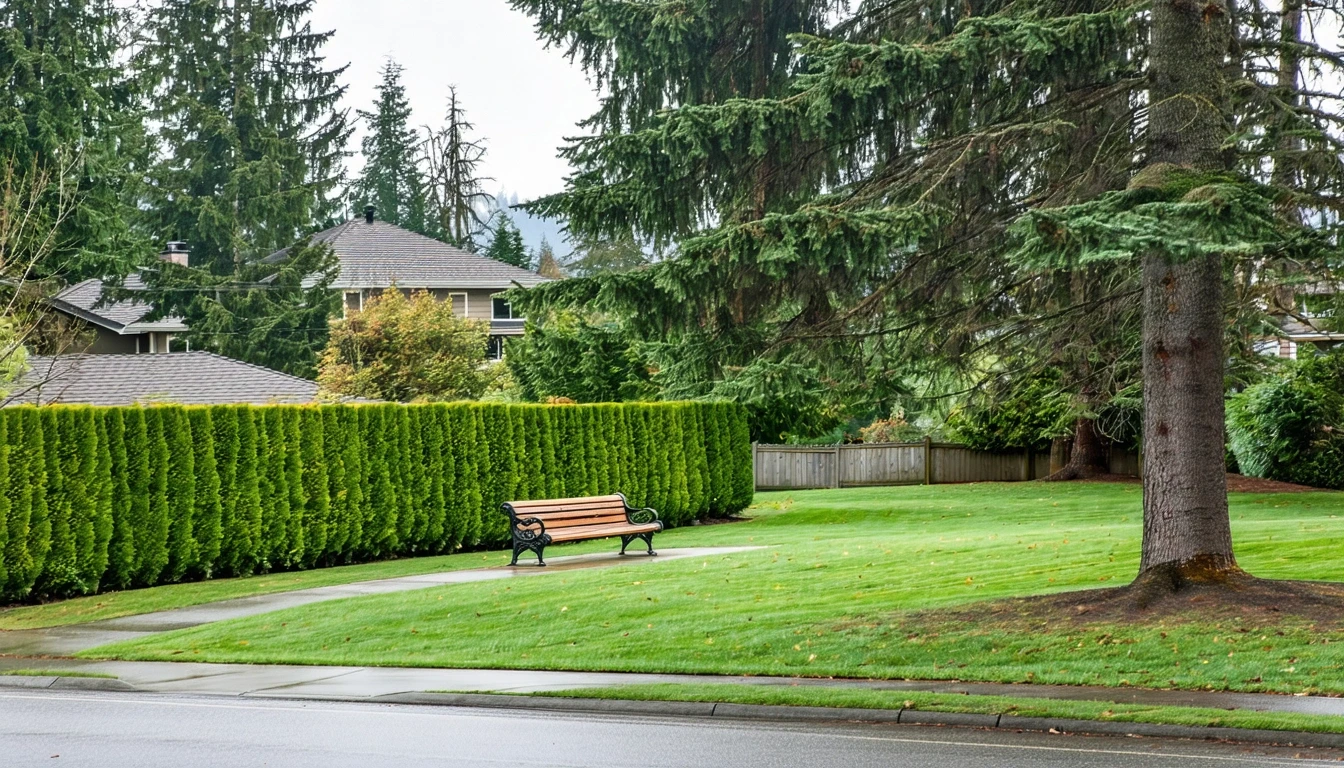
The Housing Market in Bellevue Today
Bellevue’s housing market is shaped by its role as a major employment center rather than a bedroom community. Companies in technology, healthcare, and professional services anchor the local economy, drawing workers who need proximity to jobs and are often competing for limited housing inventory. That demand, combined with geographic constraints—Lake Washington to the west, Lake Sammamish to the east—keeps supply tight and prices elevated.
The city’s building character leans more vertical than many suburban peers, with mid-rise and high-rise development concentrated in and around the downtown core. This creates a mix: condos and apartments near transit and commercial corridors, single-family homes in established neighborhoods farther from the center. The result is a segmented market where location, building type, and access to transit or walkable errands drive significant cost variation within the city.
Newcomers often underestimate how quickly Bellevue’s market moves. Inventory turns over fast, and buyers or renters who hesitate frequently lose out. The median household income of $149,551 per year reflects the city’s professional workforce, but even at that income level, the $1,139,500 median home value represents a substantial financial commitment. For renters, $2,422 per month is steep but avoids the capital outlay and long-term risk that come with ownership.
Renting in Bellevue
Renting in Bellevue offers flexibility and lower upfront costs, but it comes with ongoing exposure to rent increases and limited control over housing stability. At $2,422 per month for the median gross rent, renters face one of the higher cost floors in the region. That figure typically includes basic utilities in multifamily buildings, but renters should verify what’s covered—some properties bill water, sewer, or garbage separately.
Rental availability tends to cluster along transit corridors and near commercial centers, where the city’s mixed land use and pedestrian infrastructure make car-light living more feasible. For households that prioritize walkable errands, proximity to grocery stores, and access to parks, Bellevue’s urban form delivers meaningful convenience. The presence of rail transit and high bike-to-road ratios means some renters can reduce or eliminate car ownership, offsetting part of the rent premium through lower transportation costs.
But renting here also means navigating a competitive market. Vacancy rates stay low, and desirable units—especially those near transit or in neighborhoods with strong school access—move quickly. Renters should expect landlords to screen carefully and require proof of income well above the monthly rent. Lease renewals can bring significant increases, particularly in years when demand spikes or new development lags. Unlike ownership, renting offers no hedge against those increases and no equity accumulation, making it a shorter-term strategy for many households.
Owning a Home in Bellevue
Ownership in Bellevue requires substantial upfront capital and exposes buyers to a different set of long-term costs. The $1,139,500 median home value reflects the city’s desirability and constrained supply, but it also represents a significant financial threshold. Buyers need to consider not just the purchase price, but property taxes, insurance, maintenance, and—in many cases—homeowners association fees.
Property taxes in Washington are based on assessed value and vary by jurisdiction, but Bellevue’s high home values translate to high absolute tax bills even at moderate rates. Owners should budget for annual increases tied to reassessments and voter-approved levies. Insurance costs also run higher than in lower-value markets, and homes in areas near water or with older infrastructure may face additional premiums.
Maintenance exposure depends heavily on home type and age. Single-family homes built in the 1970s and 1980s—common in some Bellevue neighborhoods—often need roof, HVAC, and plumbing updates. The region’s wet winters and occasional freezing conditions stress exterior materials, gutters, and drainage systems. Condos and townhomes shift some of that burden to HOAs, but owners pay for it through monthly fees that can range widely depending on building amenities and reserve fund health.
Ownership also means navigating local land-use regulations and neighborhood governance. Some areas have strict design review processes, and HOAs in planned communities can impose rules on landscaping, exterior modifications, and parking. For buyers who value control and stability, ownership provides a hedge against rent volatility and the ability to build equity. For those who prioritize flexibility or lack the capital for a large down payment, the commitment can feel restrictive.
Apartment vs House in Bellevue — Cost Behavior Comparison
| Expense Category | Apartment | House |
|---|---|---|
| Heating & Cooling | Lower exposure; shared walls reduce surface area, milder indoor swings | Higher exposure; standalone structure, larger conditioned space, older HVAC systems common |
| Water & Sewer | Often included in rent or HOA; usage typically lower | Billed separately; irrigation, landscaping, and larger household size increase usage |
| Exterior Maintenance | Covered by landlord or HOA; no direct owner burden | Owner responsibility; wet climate drives gutter, roof, and siding upkeep |
| Parking & Storage | Limited or assigned; storage often requires off-site rental | Garage and yard provide on-site options; reduces need for external storage costs |
| Walkability & Errands | Apartments cluster near high-density corridors with accessible grocery and transit | Houses more common in lower-density areas; car often required for daily errands |
Why these categories matter in Bellevue: The city’s climate—wet winters, mild summers—makes exterior maintenance a recurring concern for houses but not apartments. Bellevue’s mixed urban form means apartments tend to sit in walkable, transit-served areas where car dependency drops, while houses are more common in neighborhoods where driving remains the primary mode. Categories like property taxes and insurance were excluded because they vary more by assessed value and coverage than by structure type, and no feed data supports a Bellevue-specific distinction.
Utilities & Upkeep Differences
Utility and maintenance costs in Bellevue vary more by housing type and age than by season. The region’s mild summers mean air conditioning remains optional for many, but heating dominates winter bills. Houses—especially older single-family homes—face higher heating costs due to larger square footage, standalone construction, and aging insulation. Apartments benefit from shared walls and smaller conditioned spaces, keeping utility exposure lower even in colder months.
Water and sewer costs also diverge. Apartment renters often see these bundled into rent or HOA fees, while house owners receive separate bills that rise with irrigation, landscaping, and household size. Bellevue’s wet climate reduces the need for heavy summer watering compared to drier regions, but maintaining yards and managing stormwater drainage still add to the ownership burden.
Exterior upkeep is where houses face the steepest ongoing costs. Wet winters stress roofs, gutters, siding, and paint. Moss growth, water intrusion, and wood rot are common issues in the region, and deferred maintenance compounds quickly. Apartment dwellers and condo owners avoid most of this exposure, though HOA fees reflect the cost of professional management and reserve funding for building-wide repairs.
Rent vs Buy: Long-Term Exposure in Bellevue
The rent-versus-buy decision in Bellevue hinges on how you value predictability, control, and capital commitment. Renting keeps upfront costs low and preserves flexibility, but it exposes you to lease renewals that can bring sharp increases when demand tightens. Landlords in high-demand markets like Bellevue adjust rents to match market conditions, and tenants have limited recourse beyond moving. Over time, that volatility makes budgeting harder and leaves renters vulnerable to displacement if prices climb faster than income.
Ownership shifts the risk profile. Buyers lock in a large portion of their housing cost through a fixed-rate mortgage, insulating themselves from the rent increases that hit tenants. Property taxes, insurance, and maintenance still rise over time, but those changes tend to be more gradual and predictable than rental market swings. Ownership also builds equity, turning housing payments into forced savings rather than pure expense. In a market like Bellevue, where home values have historically appreciated due to employment growth and constrained supply, that equity can become a significant financial asset.
But ownership also concentrates risk. Buyers take on market risk—if home values stagnate or fall, equity disappears. They take on maintenance risk—a failed roof or HVAC system can cost tens of thousands with little warning. And they take on liquidity risk—selling a home takes time, and transaction costs are high. For households that expect to move within a few years, or that lack the capital to handle unexpected repairs, renting may be the safer choice despite its lack of equity upside.
The decision also depends on how Bellevue’s infrastructure fits your lifestyle. If you value walkable errands, transit access, and proximity to parks—and you’re willing to pay for it—ownership in a condo or townhome near the urban core may deliver long-term satisfaction and stability. If you need space, a yard, and a single-family layout, you’ll likely trade some of that walkability for higher maintenance and utility exposure. Renters can test those tradeoffs without committing to a mortgage, while buyers lock in a choice that’s expensive to reverse.
FAQs About Housing Costs in Bellevue
Is renting or buying more common in Bellevue?
Bellevue has a mix of renters and owners, with ownership more common in single-family neighborhoods and renting dominant in multifamily buildings near transit and commercial corridors. The high median home value creates a barrier to ownership for many newcomers, making renting the default entry point.
How much do property taxes add to the cost of owning a home in Bellevue?
Property taxes in Bellevue are based on assessed home value and vary by levy rates set by local jurisdictions. Given the city’s high median home value, absolute tax bills run higher than in lower-cost markets, even if rates are moderate. Owners should budget for annual increases tied to reassessments and voter-approved measures.
Do Bellevue apartments include utilities in rent?
Some do, some don’t. Many multifamily buildings include water, sewer, and garbage in rent, but electricity and internet are typically billed separately. Renters should confirm what’s covered before signing a lease, as utility costs can add meaningfully to monthly expenses.
Does Bellevue’s walkability reduce the need for a car?
In parts of the city, yes. Bellevue’s urban core and transit-served corridors offer high grocery and food density, rail access, and pedestrian infrastructure that support car-light living. But many residential neighborhoods remain car-dependent, especially single-family areas farther from the center. Whether you can go car-free depends heavily on where you live and work.
How does Bellevue’s housing market compare to Seattle?
Bellevue’s housing costs run high but generally trail Seattle’s most expensive neighborhoods. Buyers and renters often choose Bellevue for its combination of strong schools, lower crime, and access to employment without the density and congestion of Seattle proper. The tradeoff is less urban intensity and fewer cultural amenities, though that gap has narrowed as Bellevue has grown.
Making Housing Choices in Bellevue
Housing costs in Bellevue reflect the city’s position as a high-demand, high-amenity market where employment strength, limited supply, and regional infrastructure create persistent upward pressure. Renters face steep monthly costs but avoid the capital commitment and long-term risk of ownership. Buyers lock in stability and build equity but take on substantial upfront expense and ongoing exposure to taxes, maintenance, and market volatility.
The right choice depends on your timeline, capital position, and how you value Bellevue’s urban structure. If walkable errands, transit access, and integrated parks matter to you, the city delivers—but you’ll pay for it. If you need space, a yard, and a single-family layout, expect higher utility and maintenance costs tied to the region’s wet climate and aging housing stock. And if you’re testing the market or expect to move within a few years, renting preserves flexibility even as it limits equity upside.
For more context on how housing fits into Bellevue’s broader cost structure, or to see how these expenses break down month to month, explore the related guides on IndexYard. And if you’re planning a move to the area, understanding the logistics and costs of moving can help you budget for the transition alongside housing expenses.
How this article was built: In addition to public economic data, this article incorporates location-based experiential signals derived from anonymized geographic patterns—such as access density, walkability, and land-use mix—to reflect how day-to-day living actually feels in Bellevue, WA.