
Choosing between renting and buying in Fern Creek means understanding how the city’s suburban layout, car-oriented infrastructure, and low-rise housing stock shape your long-term cost exposure. Unlike denser urban markets where housing costs dominate the budget, Fern Creek’s structure shifts financial pressure toward transportation, maintenance, and utilities—expenses that behave differently depending on whether you rent or own.
This article explains how housing costs work in Fern Creek, what drives the differences between renting and owning, and which household types fit the city’s cost structure.
The Housing Market in Fern Creek Today
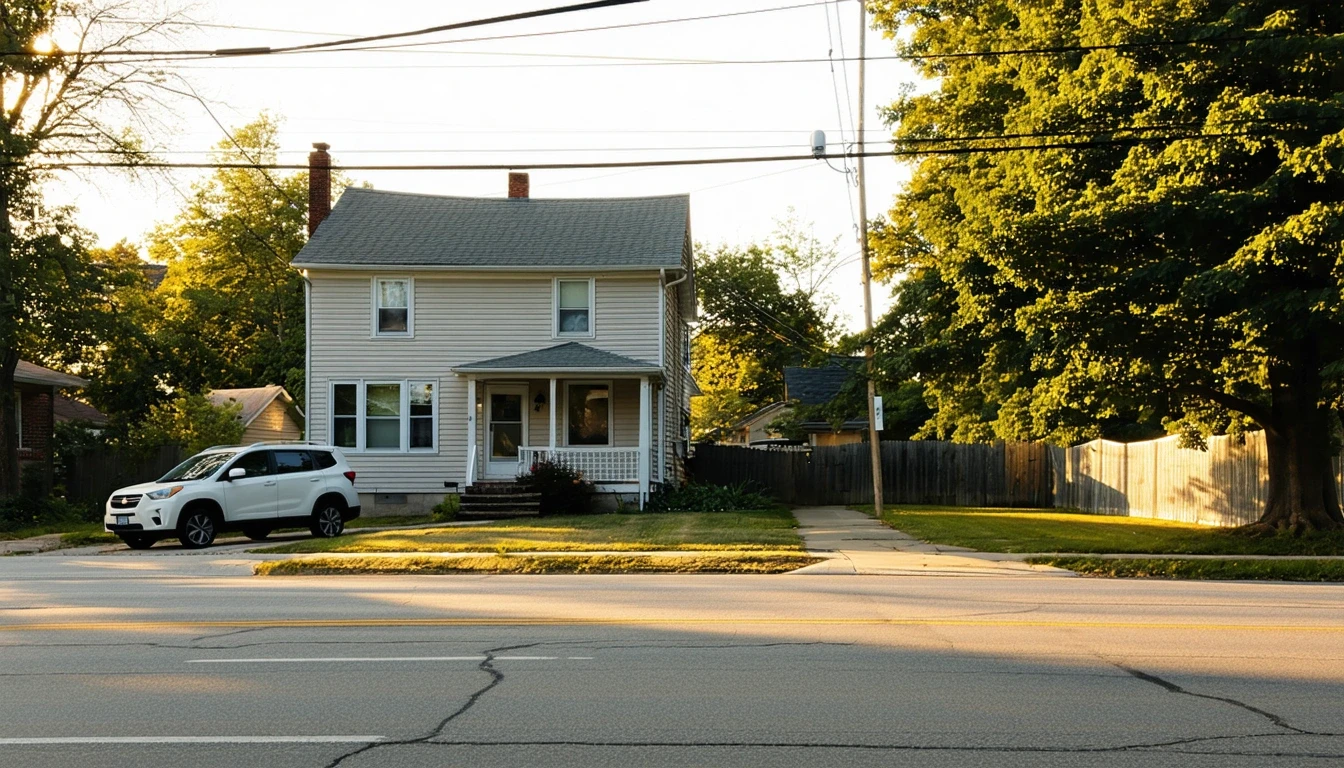
Fern Creek’s housing market reflects its role as a suburban community within the Louisville metro area. The city’s low-rise character and mixed land use create a market dominated by single-family homes, with apartments and townhomes concentrated along commercial corridors. Regional price parity sits at 94, indicating that overall costs run below the national baseline—a structural advantage that extends to housing, though the magnitude varies by property type and location.
What newcomers often misunderstand is how Fern Creek’s car-oriented layout changes the housing decision. In walkable cities, proximity to amenities commands a rent premium but reduces transportation costs. Here, errands and services cluster along corridors rather than distributing evenly, meaning where money goes depends less on your block and more on whether you own a reliable vehicle. That shifts the rent-versus-buy calculation away from location premiums and toward long-term ownership exposure.
The city’s connection to Louisville also matters. Fern Creek functions as a bedroom community for commuters, which stabilizes demand for single-family homes but creates less rental churn than college towns or job-center neighborhoods. Buyers tend to stay longer, and renters face fewer short-term lease options. If you’re weighing a move, understand that Fern Creek’s market rewards households planning to settle rather than those seeking flexibility.
Renting in Fern Creek
Renting in Fern Creek means navigating a market where single-family rentals and small apartment complexes dominate, rather than high-density buildings with on-site amenities. Because errands and groceries cluster along corridors rather than within walking distance of most residential blocks, renters face the same transportation dependency as owners—without the tax or equity benefits of ownership.
Rental availability tends to concentrate near commercial corridors where bus service operates, but even with transit present, the car-oriented street layout makes daily errands difficult without a personal vehicle. Renters who assume they can skip car ownership often discover that the time cost of transit or the friction of reaching dispersed services outweighs the savings. In practice, most renters in Fern Creek drive, which narrows the cost gap between renting and owning.
Lease renewals in suburban markets like Fern Creek typically show less volatility than urban cores, but they’re not immune to broader regional trends. Renters should expect that costs adjust over time in response to property tax changes, insurance shifts, and metro-area demand, even if year-to-year swings remain modest. The key tradeoff is predictability: renting avoids maintenance surprises but offers less control over long-term housing cost trajectory.
Owning a Home in Fern Creek
Ownership in Fern Creek centers on single-family homes with yards, driveways, and the maintenance exposure that comes with low-rise suburban living. Property taxes, homeowners insurance, and routine upkeep—roof repairs, HVAC servicing, lawn care—become recurring costs that renters avoid but owners must budget for continuously.
Kentucky’s property tax structure and Jefferson County’s assessment practices shape how ownership costs behave over time, though specific rates and exemptions vary. Owners should expect that tax bills adjust periodically, and that insurance costs respond to regional weather patterns and claims history. Fern Creek’s moderate climate avoids the extreme heating or cooling loads seen in harsher regions, but year-round utility exposure still matters, especially in older or less-insulated homes.
Homeowners associations exist in some neighborhoods but aren’t universal. Where present, HOA fees may cover common-area maintenance or neighborhood amenities, but they also introduce another layer of cost predictability and governance. Buyers should verify whether a property falls under HOA rules and what services those fees actually fund.
The long-term advantage of ownership in Fern Creek lies in cost control. While maintenance and taxes fluctuate, the principal and interest portion of a fixed-rate mortgage remains stable, insulating owners from the rent adjustments that affect tenants. Over time, that stability compounds, especially for households planning to stay five years or longer.
Apartment vs House in Fern Creek — Cost Behavior Comparison
| Expense Category | Apartment | House |
|---|---|---|
| Utilities (Heating & Cooling) | Lower square footage and shared walls reduce exposure; electricity at 13.62¢/kWh and natural gas at $19.61/MCF still create year-round costs | Larger footprint and detached structure increase heating and cooling loads; older homes may lack modern insulation, raising seasonal bills |
| Maintenance & Repairs | Landlord responsible for structural, HVAC, and appliance repairs; tenant handles only minor upkeep | Owner absorbs all repair costs—roof, HVAC, plumbing, exterior—plus routine tasks like lawn care and gutter cleaning |
| Transportation Access | Apartments near commercial corridors reduce drive distance to errands but still require a vehicle; car-oriented layout limits walkability | Single-family homes often sit in residential-only blocks, increasing drive distance to groceries and services; no meaningful transit alternative |
| Outdoor Space & Upkeep | Minimal or shared outdoor space; no yard maintenance required | Private yards require mowing, seasonal cleanup, and landscaping; adds time and cost but provides usable outdoor area |
Why these categories differ in Fern Creek: The city’s low-rise suburban form and car-oriented infrastructure create cost distinctions tied to structure type and location. Apartments reduce maintenance and utility exposure but don’t eliminate transportation costs due to corridor-clustered errands. Houses increase upkeep and energy use but offer space and stability. Categories like property taxes and insurance were excluded because they apply only to owners, not structure type, and would duplicate the ownership discussion above.
Utilities & Upkeep Differences
Utility exposure in Fern Creek stems from year-round heating and cooling needs rather than extreme seasonal spikes. Electricity at 13.62¢/kWh powers air conditioning during warm months and supplements heating when natural gas (priced at $19.61/MCF) handles the bulk of winter loads. Apartments benefit from smaller square footage and shared walls, which reduce both heating and cooling demand. Houses, especially older or poorly insulated ones, face noticeably higher bills due to larger footprints and detached construction.
Maintenance differences between apartments and houses in Fern Creek are pronounced. Renters in apartments avoid the cost and time burden of structural repairs, HVAC servicing, and exterior upkeep—responsibilities that fall to landlords. Homeowners, by contrast, must budget for roof replacements, water heater failures, and seasonal tasks like gutter cleaning and lawn care. The low-rise suburban housing stock means most homes include yards, driveways, and exterior surfaces that require ongoing attention.
These differences compound over time. Apartment renters trade lower monthly exposure for less control over housing quality and cost trajectory. Homeowners accept higher and less predictable upkeep costs in exchange for stability and the ability to invest in efficiency improvements that reduce long-term utility bills.
Rent vs Buy: Long-Term Exposure in Fern Creek
The structural difference between renting vs owning in Fern Creek centers on predictability and control. Renters face lease renewals that adjust in response to regional market conditions, property tax changes, and landlord cost recovery. While year-to-year swings in suburban markets tend to be less dramatic than in urban cores, renters have no mechanism to lock in long-term housing cost stability.
Owners with fixed-rate mortgages, by contrast, stabilize the largest component of their housing cost—principal and interest—for the life of the loan. Property taxes, insurance, and maintenance still fluctuate, but the mortgage itself remains constant. Over time, that stability insulates owners from the cumulative adjustments that renters experience, especially in markets where demand and operating costs trend upward.
Maintenance exposure works in reverse. Renters avoid the unpredictability of major repairs—a failed HVAC system, a roof leak, a water heater replacement—because landlords absorb those costs. Owners must budget for irregular but inevitable expenses that can reach thousands of dollars. In Fern Creek’s low-rise housing stock, where single-family homes dominate, those costs are unavoidable.
Transportation costs behave similarly for renters and owners in Fern Creek due to the car-oriented layout and corridor-clustered errands. Both groups need reliable vehicles, and neither enjoys a meaningful walkability or transit advantage. That reduces one of the traditional benefits of renting in denser cities—lower transportation costs—and shifts the rent-versus-buy decision toward housing cost behavior rather than lifestyle flexibility.
For households planning to stay in Fern Creek five years or longer, ownership offers a clearer path to cost control. For those prioritizing flexibility or avoiding maintenance risk, renting remains viable, but the cost gap narrows over time as lease renewals compound and transportation expenses remain constant.
FAQs About Housing Costs in Fern Creek
Is renting or buying more affordable in Fern Creek, KY?
Affordability depends on time horizon and household priorities. Renting avoids maintenance costs and down payment requirements, making it more accessible in the short term. Buying stabilizes the largest housing cost component—mortgage principal and interest—and becomes more cost-effective over time, especially for households staying five years or longer. Fern Creek’s below-national price parity (94) suggests a structural cost advantage, but the car-oriented layout means both renters and owners face similar transportation expenses, narrowing the gap.
How do utility costs differ between apartments and houses in Fern Creek?
Apartments typically see lower utility bills due to smaller square footage and shared walls, which reduce heating and cooling loads. Houses, especially older or detached single-family homes, face higher exposure due to larger spaces and less efficient building envelopes. Electricity at 13.62¢/kWh and natural gas at $19.61/MCF create year-round costs in both property types, but the magnitude varies with structure size and insulation quality.
What maintenance costs should homeowners expect in Fern Creek?
Homeowners in Fern Creek’s low-rise suburban housing stock should budget for routine tasks like lawn care, gutter cleaning, and HVAC servicing, plus irregular but inevitable expenses such as roof repairs, water heater replacements, and exterior painting. The city’s moderate climate avoids extreme weather-related damage, but year-round exposure to heat, humidity, and seasonal temperature swings still stresses building systems. Maintenance costs vary by home age and condition, but they remain a consistent ownership responsibility.
Does Fern Creek’s car-oriented layout affect housing decisions?
Yes. Because errands and services cluster along corridors rather than distributing evenly, both renters and owners need reliable vehicles to manage daily tasks. That reduces one of the traditional advantages of renting—lower transportation costs—and shifts the housing decision toward cost predictability and long-term control rather than location-based lifestyle flexibility. Households without cars face significant friction in Fern Creek, regardless of whether they rent or own.
How does Fern Creek’s housing market compare to the Louisville metro area?
Fern Creek functions as a suburban bedroom community within the Louisville metro, offering lower-density housing and a car-oriented layout compared to the urban core. The city’s regional price parity of 94 suggests below-national costs, which likely extends to housing, though specific price differences depend on property type and location. Buyers and renters seeking single-family homes with yards will find Fern Creek well-suited to that preference, while those prioritizing walkability or transit access may find better fits closer to Louisville’s center.
Making Housing Choices in Fern Creek
Housing costs in Fern Creek behave predictably once you understand the city’s suburban structure. Low-rise homes dominate, errands require a car, and long-term ownership offers more cost control than renting—but only if you’re prepared for maintenance exposure and utility variability. Renters gain flexibility and avoid repair risk but face lease adjustments over time and the same transportation dependency as owners.
Families prioritizing space, yards, and stability fit Fern Creek’s housing stock well. Cost-sensitive households benefit from the city’s below-national price parity, though the car-oriented layout means transportation costs remain non-negotiable. Renters seeking walkability or transit-oriented living will struggle here; the infrastructure simply doesn’t support that lifestyle without significant compromise.
For a broader view of how housing fits into Fern Creek’s overall cost structure, see The Real Cost Pressures in Fern Creek. If you’re planning a move and need logistical support, the Best Moving Companies Guide offers practical advice on managing the transition.
How this article was built: In addition to public economic data, this article incorporates location-based experiential signals derived from anonymized geographic patterns—such as access density, walkability, and land-use mix—to reflect how day-to-day living actually feels in Fern Creek, KY.