
Ofallon, IL vs. Edwardsville, IL: Cost of Living Comparison (2025)
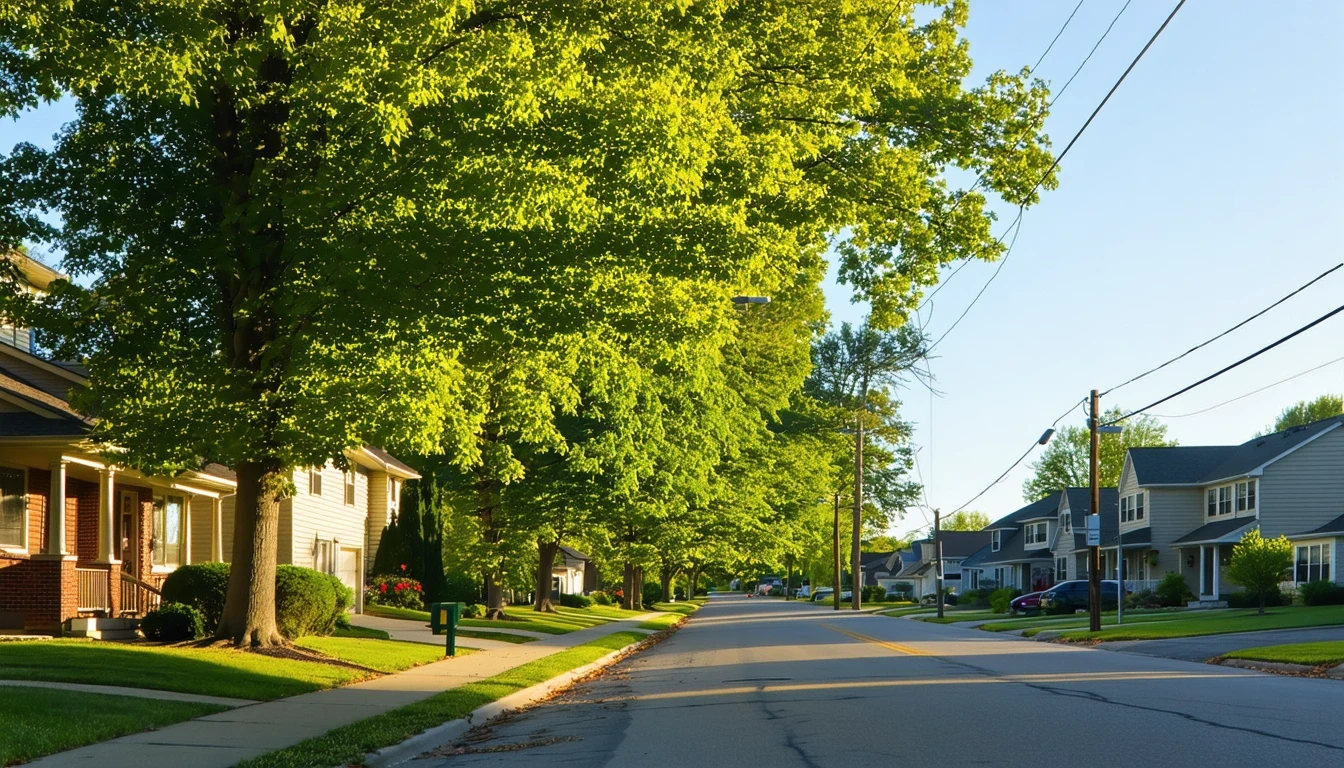
Families moving to the Metro East region often find themselves weighing two of its most desirable communities: O’Fallon and Edwardsville. Both cities sit within St. Clair and Madison counties respectively, offering excellent schools, safe neighborhoods, and convenient access to St. Louis employment centers. Yet despite sharing a regional identity, these two cities present distinctly different value propositions for homebuyers and renters in 2025. O’Fallon has grown rapidly as a family-oriented suburb with newer construction and competitive pricing, while Edwardsville maintains its reputation as a college town with historic charm and a more established housing stock.
The decision between these two communities increasingly comes down to budget realities. Housing inventory, tax structures, and daily expenses vary enough to create meaningful monthly differences for households. Understanding where each city offers better value—and where lifestyle amenities justify higher costs—can help relocating professionals, military families from nearby Scott Air Force Base, and first-time buyers make confident decisions. This comparison breaks down the true cost of living in both cities, examining not just headline housing prices but the full spectrum of expenses that shape your monthly budget.
For 2025, both markets reflect broader Illinois trends: property taxes remain a significant consideration, housing demand stays strong in quality school districts, and inflation has moderated but still affects grocery and utility costs. Whether you prioritize newer construction and lower entry prices or prefer walkable downtown character with established amenities, the financial trade-offs between O’Fallon and Edwardsville deserve careful analysis before you commit to a lease or mortgage.
Housing Costs
Housing represents the single largest expense difference between O’Fallon and Edwardsville, and the gap has widened in recent years. O’Fallon’s residential market is dominated by subdivisions built since 2000, with three-bedroom homes typically priced between $240,000 and $320,000 depending on lot size and finishes. Edwardsville’s housing stock skews older near the downtown core, with established neighborhoods featuring homes from the 1960s through 1990s, though newer developments on the city’s edges push median prices higher. As of early 2025, Edwardsville’s median home price sits approximately 15-20% above O’Fallon’s, reflecting both the college town premium and limited inventory in desirable school attendance areas.
Rental markets tell a similar story but with important nuances. O’Fallon offers abundant apartment complexes and newer townhome rentals, creating competitive pricing for two-bedroom units. Edwardsville’s rental inventory includes a significant student housing component near Southern Illinois University Edwardsville (SIUE), which can drive up demand and prices for quality units that appeal to non-student renters. Families seeking three-bedroom single-family rentals will find more options in O’Fallon’s subdivisions, where build-to-rent communities have expanded. Edwardsville renters often face tighter inventory outside the student-focused complexes, particularly for detached homes with yards.
Property appreciation patterns also differ. O’Fallon’s rapid growth has delivered steady but moderate gains, with home values climbing as the city’s population expanded and amenities improved. Edwardsville’s market has shown more resilience during downturns, supported by the university’s stable employment base and the city’s established reputation. For buyers planning to stay five to seven years, both markets offer reasonable appreciation potential, though Edwardsville’s higher entry cost means you’ll need stronger income qualification and larger down payments.
| Housing Type | O’Fallon, IL | Edwardsville, IL |
|---|---|---|
| 2-Bedroom Apartment (Rent) | $1,100 – $1,400/month | $1,250 – $1,600/month |
| 3-Bedroom Home (Rent) | $1,600 – $2,000/month | $1,800 – $2,300/month |
| Median Home Price | $265,000 | $315,000 |
| 3-Bedroom Home (Mortgage estimate, 20% down, 7% rate) | ~$1,410/month | ~$1,680/month |
For young professionals and couples without children, O’Fallon’s apartment market delivers better value, with modern amenities and lower monthly outlays. Families prioritizing school reputation and walkable downtown access may find Edwardsville’s premium justified, particularly if they value the established community character. However, the $50,000 median price difference translates to roughly $270 more per month in mortgage payments—a gap that compounds when you factor in higher property taxes on Edwardsville’s assessed values.
Winner: O’Fallon — Lower entry costs for both renters and buyers, plus greater housing inventory across price points, make O’Fallon the more affordable choice for housing in 2025.
Utilities and Energy Costs
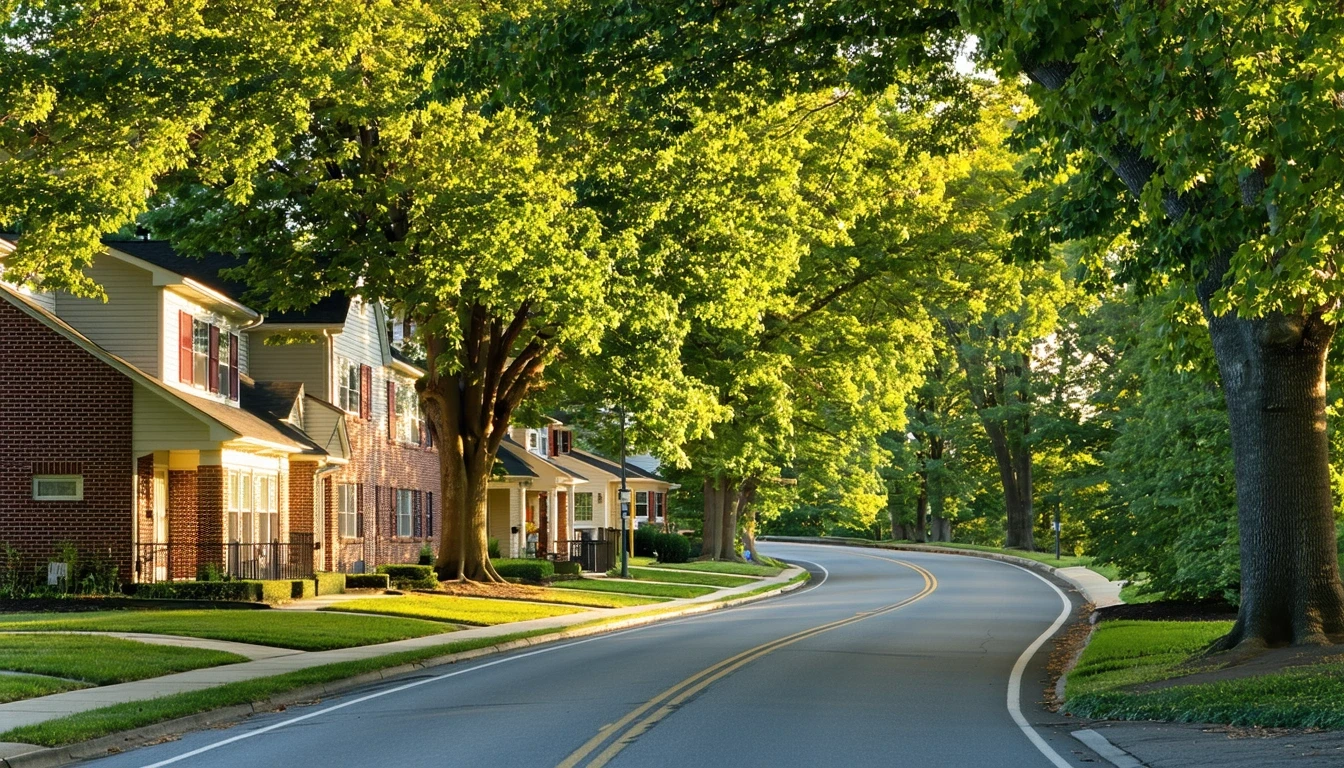
Utility expenses in both cities reflect typical Metro East patterns, with Ameren Illinois serving as the primary electricity and natural gas provider. Monthly bills vary more by home age and size than by city, though O’Fallon’s newer housing stock generally delivers better energy efficiency. Residents in homes built after 2010 often report lower heating and cooling costs thanks to improved insulation, modern HVAC systems, and energy-efficient windows. Edwardsville’s older neighborhoods—particularly the charming areas near downtown—feature homes that may require higher energy inputs during Illinois’ humid summers and cold winters.
For a typical three-bedroom home, summer cooling costs can range from $140 to $200 monthly during peak July and August heat, while winter heating bills from December through February often run $120 to $180 depending on thermostat settings and home condition. Two-bedroom apartments with shared walls typically see lower extremes, with monthly utility bills averaging $90 to $130 across the year. Water and sewer costs are comparable between the cities, though Edwardsville’s municipal rates have increased slightly in recent years to fund infrastructure improvements. Trash collection is included in city services for both communities, eliminating a separate bill that residents in some Metro East towns must pay.
Households in older Edwardsville homes should budget for potential efficiency upgrades—new windows, attic insulation, or HVAC replacement—which can offset higher monthly bills over time. O’Fallon residents benefit from builder-installed efficiency features but may face higher cooling costs in larger floor plans common in newer subdivisions. Both cities experience the same regional climate, so seasonal usage patterns remain consistent; the primary variable is how well your specific home retains conditioned air.
Winner: O’Fallon — Newer construction and modern building standards give O’Fallon a modest edge in average utility costs, particularly for families moving into recently built homes.
Groceries and Daily Expenses
Daily living costs show minimal variation between O’Fallon and Edwardsville, as both cities offer access to the same major grocery chains and big-box retailers. Schnucks, Walmart, Aldi, and Kroger operate locations in or near both communities, creating competitive pricing on staples like milk, bread, eggs, and produce. A weekly grocery bill for a family of four typically runs $180 to $240 depending on dietary preferences and whether you prioritize organic or conventional products. Singles and couples can expect to spend $60 to $90 weekly with mindful shopping, particularly when taking advantage of Aldi’s discount pricing or Schnucks’ frequent promotions.
Dining out presents a slight difference in both price and variety. Edwardsville’s downtown district offers a more concentrated restaurant scene with locally owned bistros, cafes, and upscale casual options that cater to university faculty, students, and established residents. Expect to pay $14 to $20 per entrée at mid-range sit-down restaurants, with coffee shop visits running $5 to $7 for specialty drinks. O’Fallon’s dining landscape features more chain restaurants and family-friendly concepts clustered along major commercial corridors, where entrée prices typically range from $11 to $17. Both cities have seen restaurant prices climb 8-12% since 2022, reflecting broader inflation in food service labor and ingredients.
Household goods, personal care items, and other daily necessities cost essentially the same in both locations, as residents shop at identical retailers. Gas prices fluctuate weekly but remain within a few cents per gallon between cities. Families with young children will find comparable costs for childcare, though specific daycare centers vary widely in pricing regardless of location. The primary difference in daily expenses comes down to dining habits: if you eat out frequently, Edwardsville’s restaurant scene may nudge your monthly spending slightly higher, while O’Fallon’s chain options and family-style pricing offer more budget-friendly casual dining.
Winner: Tie — Grocery and daily expenses are effectively equal, with minor differences in restaurant pricing offset by personal dining preferences and frequency.
Taxes and Fees
Property taxes represent the most significant ongoing cost difference between these two communities, and it’s an area where O’Fallon holds a clear advantage. Illinois property taxes are assessed at the county level with additional levies from municipalities, school districts, and special districts. O’Fallon sits in St. Clair County, where combined effective property tax rates typically range from 2.0% to 2.4% of assessed value. Edwardsville, located in Madison County, generally sees effective rates between 2.3% and 2.8%, with the higher end applying to homes in the highly regarded Edwardsville School District 7.
For a home valued at $280,000, the annual property tax difference can amount to $840 to $1,400—translating to $70 to $115 more per month in Edwardsville. This gap compounds over time and affects both your monthly mortgage payment (if taxes are escrowed) and your long-term cost of ownership. Renters don’t pay property taxes directly, but landlords factor these costs into rent pricing, which partially explains why comparable rental units cost more in Edwardsville. Both cities impose the same Illinois state sales tax structure (6.25% state rate plus local portions totaling 7.75% to 8.25% depending on specific location), so retail purchases cost essentially the same.
Additional fees are modest in both communities. Neither city requires annual vehicle stickers or residential parking permits for most neighborhoods. Water and sewer bills run $50 to $75 monthly for typical households in both locations. Some O’Fallon subdivisions include HOA fees ranging from $30 to $80 monthly, covering common area maintenance, neighborhood pools, and entrance landscaping. Edwardsville has fewer HOA-governed communities, though newer developments on the city’s periphery increasingly include these assessments. For homeowners planning to stay long-term, the property tax differential represents the single largest ongoing expense gap between these cities.
Winner: O’Fallon — Lower property tax rates in St. Clair County deliver meaningful savings for homeowners, reducing both monthly housing costs and long-term ownership expenses.
Cost Summary Table
| Expense Category | O’Fallon, IL (Monthly) | Edwardsville, IL (Monthly) |
|---|---|---|
| Housing (3BR Home, Mortgage) | $1,410 | $1,680 |
| Property Taxes | $440 | $580 |
| Utilities (Electric, Gas, Water) | $180 | $200 |
| Groceries (Family of 4) | $880 | $900 |
| Transportation (Gas, Insurance) | $320 | $310 |
| Dining Out & Misc. | $400 | $450 |
| Estimated Monthly Total | $3,630 | $4,120 |
The monthly cost difference of approximately $490 favoring O’Fallon adds up to nearly $5,900 annually for a household living in a comparable three-bedroom home. This gap is driven primarily by housing costs and property taxes, which together account for roughly $410 of the monthly difference. For families evaluating their Sample Monthly Budgets for Living in Ofallon, these savings can be redirected toward retirement contributions, college savings, or discretionary spending that enhances quality of life.
Estimates reflect 2025 costs for a mid-size household (3-bedroom home) using published regional data, local tax assessments, and typical consumption patterns for Metro East Illinois communities. Actual expenses will vary with household size, lifestyle choices, home age and efficiency, and specific neighborhood. Mortgage calculations assume 20% down payment and 7.0% interest rate.
Lifestyle Fit
Beyond the numbers, lifestyle considerations shape the true value proposition of each city. O’Fallon has evolved into a quintessential family suburb, with extensive park systems, youth sports leagues, and community events that create a neighborhood-focused culture. The city’s rapid growth brought modern retail corridors, chain restaurants, and big-box shopping within easy reach, though some residents note the lack of a traditional downtown core. Commuters to St. Louis or Scott Air Force Base benefit from O’Fallon’s highway access via Interstate 64 and Illinois Route 158, with typical drive times to downtown St. Louis ranging from 25 to 35 minutes depending on traffic and destination.
Edwardsville offers a distinctly different character, anchored by its historic downtown square with locally owned shops, restaurants, and seasonal farmers markets. The presence of SIUE adds cultural amenities—theater productions, art galleries, and public lectures—that appeal to residents seeking intellectual engagement beyond typical suburban offerings. Walkability is significantly higher in Edwardsville’s core neighborhoods, where tree-lined streets, sidewalks, and mixed-use development allow residents to complete errands on foot. This pedestrian-friendly design can reduce transportation costs for households that can minimize vehicle usage, though most families still require cars for work commutes and activities outside the downtown area.
Both cities deliver excellent public schools, though Edwardsville’s district consistently ranks among the highest performing in the Metro East, which partially justifies the housing premium. O’Fallon’s schools have improved markedly as the district invested in facilities and programming to serve the growing population. Recreation options differ in character: O’Fallon emphasizes sports complexes, splash pads, and suburban park amenities, while Edwardsville offers more trails, nature areas, and the extensive SIUE campus grounds for walking and biking. O’Fallon’s median household income sits around $85,000 (gross annual), while Edwardsville’s is approximately $78,000, though the college town’s figures are skewed by student populations.
Climate and weather are identical between these cities separated by just 15 miles, so don’t let anyone suggest one has milder winters or cooler summers. The meaningful lifestyle trade-off comes down to suburban convenience and value versus college-town character and walkability. Families with multiple children, those prioritizing newer homes and lower costs, and military personnel stationed at Scott AFB often find O’Fallon’s practical advantages compelling. Empty nesters, professionals who value downtown dining and cultural events, and buyers willing to pay a premium for established neighborhood charm tend to prefer Edwardsville. Neither city offers extensive public transit, so car ownership remains essential for most households regardless of which community you choose.
FAQ Section
Is O’Fallon more affordable than Edwardsville in 2025?
Yes, O’Fallon is generally more affordable across most cost categories, particularly housing and property taxes. A typical household can expect to save $400 to $500 monthly compared to a similar lifestyle in Edwardsville, with the gap widening for homeowners due to lower purchase prices and tax assessments.
Are rental prices lower in O’Fallon or Edwardsville?
O’Fallon offers lower rental prices on average, with two-bedroom apartments typically running $100 to $200 less per month than comparable units in Edwardsville. The difference is most pronounced for single-family home rentals, where O’Fallon’s larger inventory creates more competitive pricing for families.
How do property taxes compare between O’Fallon and Edwardsville?
Property taxes are notably lower in O’Fallon due to St. Clair County’s lower effective rates compared to Madison County. Homeowners in Edwardsville typically pay 15-20% more annually in property taxes for similarly valued homes, which translates to $70 to $115 more per month for a median-priced house.
What is the average monthly cost of living for a family of four in O’Fallon vs. Edwardsville?
A family of four living in a three-bedroom home can expect monthly expenses around $3,600 to $3,900 in O’Fallon versus $4,100 to $4,400 in Edwardsville, assuming moderate lifestyle choices. The difference is driven primarily by housing costs and property taxes, while groceries and utilities remain comparable.
Is Edwardsville worth the higher cost compared to O’Fallon?
Whether Edwardsville justifies its premium depends on your priorities. If you value walkable downtown character, established neighborhoods, and consistently top-ranked schools, the extra cost may align with your lifestyle goals. However, if you prioritize maximizing value, newer construction, and lower monthly expenses, O’Fallon delivers better affordability without sacrificing quality schools or safety.
Conclusion
The cost of living comparison between O’Fallon and Edwardsville reveals a clear financial winner: O’Fallon offers lower housing costs, reduced property taxes, and comparable daily expenses that can save households $400 to $600 monthly. For families prioritizing affordability, military personnel seeking value near Scott Air Force Base, and first-time buyers stretching to enter the market, O’Fallon’s combination of modern amenities and competitive pricing makes it the practical choice. The city’s rapid growth has created abundant housing inventory, keeping prices in check while delivering the schools, parks, and safety that families seek.
Yet Edwardsville’s premium reflects real lifestyle value for buyers who prioritize walkability, downtown character, and the cultural amenities of a college town. If your household budget can absorb the higher costs—and you value established neighborhoods over newer subdivisions—Edwardsville offers a quality of life that some residents find worth the extra monthly outlay. The key is understanding your own priorities and running the numbers honestly: that $500 monthly difference compounds to $6,000 annually, which could fund vacations, retirement savings, or college contributions. For a deeper look at what you’ll actually spend, explore our Cost of Living in Ofallon, IL: What You’ll Really Spend guide. And if you’re planning a move to either city, check out our Pods vs trucks: which move is best for you? resource to find the most cost-effective moving solution for your situation.