
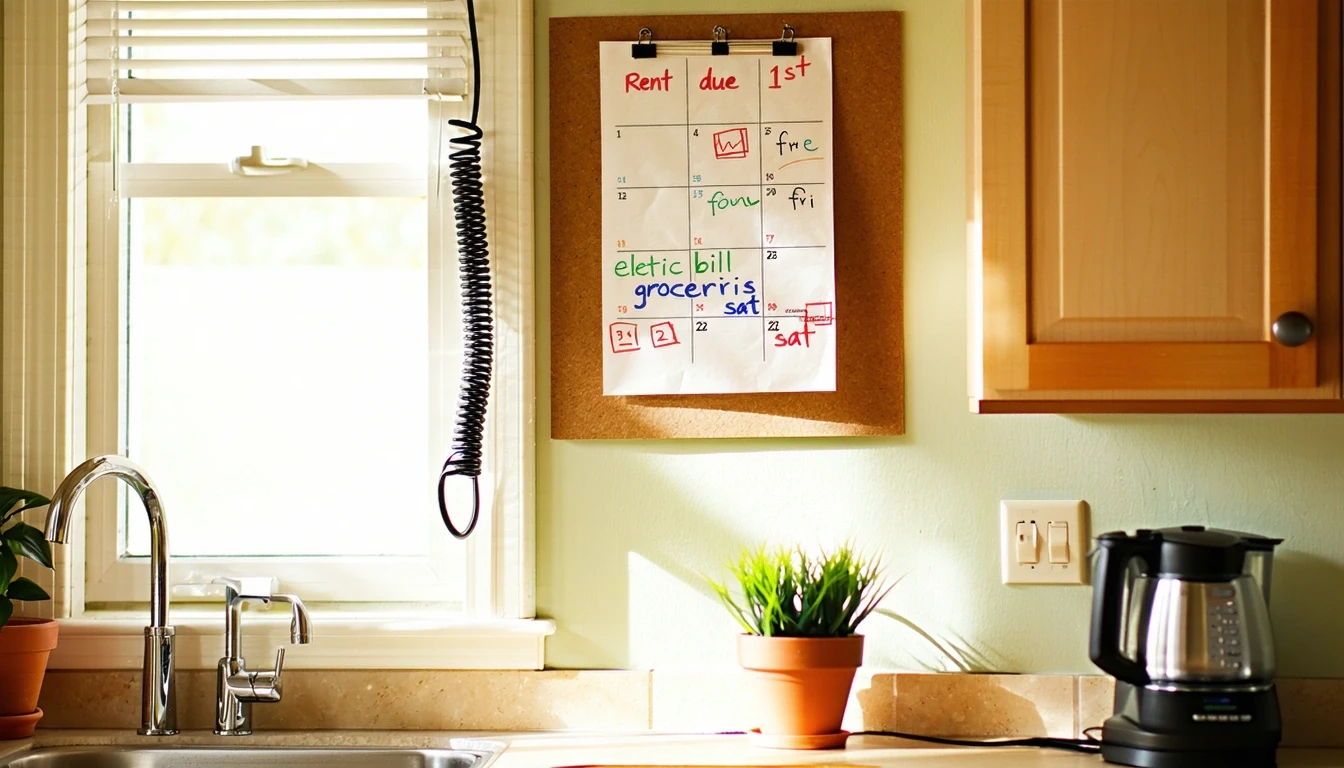
It’s 7:15 a.m. on a Tuesday in Granite City, and Jasmine is already doing mental math at the kitchen counter. Rent cleared yesterday—$850. The electric bill hits Friday. Groceries need restocking. Gas tank’s half-empty. She’s not broke, but she’s deliberate. Every dollar has a lane. That’s what living on your own in a working-class Metro East city teaches you: awareness. Whether you’re a single renter, a dual-income couple, or a family with a mortgage and two kids, understanding your monthly budget in Granite City means knowing where the money actually goes—and where it doesn’t have to.
In 2025, Granite City remains one of the more affordable options in the St. Louis metro area, especially compared to pricier Missouri suburbs. But affordability doesn’t mean expenses are trivial. Housing and utilities together often account for more than half of a household’s monthly outlay, and hidden fees—trash collection surcharges, HOA dues, seasonal water overages—can quietly inflate totals by $150 to $300 a month. This article walks through three realistic household budgets, highlights the biggest cost drivers, and offers practical strategies to stretch your paycheck further in Granite City.
What Real Budgets Look Like in Granite City
To make budgeting tangible, we’ve built three sample monthly budgets based on common household profiles in Granite City. These examples reflect 2025 cost data, including local housing trends, utility rates, and grocery prices. Incomes are expressed as gross monthly income (pre-tax), meaning the amount earned before deductions. All figures are rounded to whole dollars and represent typical spending patterns—not prescriptive limits.
| Category | Jasmine (Single Renter, 27) | Sam & Elena (Dual-Income Couple) | Ortiz Family (Homeowners, 2 Kids) |
|---|---|---|---|
| Gross Monthly Income | $3,200 | $8,000 | $12,000 |
| Rent / Mortgage | $850 | $1,150 | $1,650 |
| Utilities | $140 | $210 | $280 |
| Food | $380 | $750 | $1,100 |
| Transportation | $220 | $420 | $580 |
| HOA / Fees | $0 | $0 | $75 |
| Miscellaneous | $310 | $670 | $1,015 |
| Total Monthly Costs | $1,900 | $3,200 | $4,700 |
Methodology: Based on 2025 data from national databases and local cost feeds. Figures are rounded; actual expenses vary by household and neighborhood.
Jasmine’s budget reflects a modest one-bedroom apartment in a quiet neighborhood near downtown Granite City. Her utilities stay low because she’s mindful about heating and cooling, and she meal-preps to keep grocery costs under $400. Sam and Elena rent a two-bedroom unit and split commuting costs; their combined income gives them breathing room for dining out and weekend trips. The Ortiz family owns a three-bedroom ranch-style home with a small yard. Their mortgage is manageable, but add in utilities for a larger space, groceries for four, youth sports fees, and occasional home repairs, and their monthly outlay climbs to nearly $4,700. Even so, they’re building equity and benefiting from Granite City’s relatively stable housing market.
What stands out across all three profiles is how housing and utilities together consume 45–55% of monthly expenses. Transportation and food follow closely, especially for families with multiple drivers or school-age children. Miscellaneous spending—healthcare premiums, insurance, childcare, entertainment, debt payments—fills in the rest. The key takeaway: even in an affordable city like Granite City, disciplined tracking and category-by-category awareness are essential to avoid month-end surprises.
Biggest Cost Drivers (Including Hidden Fees)
Housing remains the single largest line item for most Granite City residents. In 2025, median rent for a one-bedroom apartment hovers around $850, while two-bedroom units typically run $1,100 to $1,300. For buyers, median home prices have held relatively steady in the low-to-mid $100,000s, making homeownership accessible for dual-income households and first-time buyers. Mortgage payments on a $140,000 home with a conventional 30-year loan and 20% down often land between $1,500 and $1,700 per month, including property taxes and insurance. That’s competitive compared to many Missouri suburbs across the river.
Utilities in Granite City reflect typical Midwest patterns: natural gas heating in winter, electric air conditioning in summer, and year-round water and trash service. Monthly electric bills for a 1,000-square-foot apartment average $90 to $120 in moderate months, climbing to $140 or more during July and August. Natural gas costs spike in January and February, adding another $60 to $100. Water and sewer fees are usually bundled and run $40 to $60 per month for most households. Trash collection is often included in rent, but homeowners may pay a separate monthly fee of $20 to $35. All told, utilities for a typical household range from $180 to $280 per month, depending on home size and seasonal demand.
Hidden fees are where budgets can quietly unravel. Many neighborhoods in Granite City don’t have mandatory homeowners associations, but newer subdivisions and townhome complexes may charge $50 to $150 per month for landscaping, snow removal, or shared amenities. Trash collection surcharges, bulk waste pickups, and stormwater fees can add another $10 to $30 per month. If you’re renting, check whether water, trash, and pest control are included—or billed separately. Homeowners should also budget for annual city inspections, permit fees for renovations, and occasional water overages during summer lawn watering. Hidden costs in Granite City can add $150–$300/month depending on neighborhood and home type.
- Trash collection surcharges for extra bins or bulk items
- HOA landscaping, pool upkeep, or common-area maintenance
- Parking permits or city inspection fees for rental properties
- Stormwater utility charges on monthly water bills
- Seasonal water overages during hot, dry months
Tips to Stretch Your Budget Further
Living affordably in Granite City doesn’t require extreme frugality—it’s about making intentional choices and taking advantage of local resources. Start with housing: if you’re renting, consider older buildings or units slightly farther from the riverfront, where rents can drop by $100 to $200 per month. If you’re buying, explore neighborhoods like Nameoki or Lincoln Place, where home prices remain below the metro median and property taxes are manageable. Locking in a fixed-rate mortgage now protects you from future rate hikes and builds equity over time.
Utilities offer another opportunity for savings. Ameren Illinois, the primary electricity provider, offers budget billing and time-of-use rates that reward off-peak consumption. Running dishwashers, laundry, and charging electronics overnight or on weekends can shave $15 to $25 off your monthly bill. In winter, keep thermostats at 68°F during the day and 62°F at night; in summer, use ceiling fans and close blinds during peak afternoon heat. Small adjustments compound over the year. For water, fix leaky faucets promptly and consider low-flow showerheads—Granite City’s water rates are reasonable, but overages add up fast during summer.
Food and transportation are the next frontiers. Shop at discount grocery chains like Aldi or Save-A-Lot, both of which have locations in or near Granite City, and plan meals around weekly sales. Buying in bulk and meal-prepping on Sundays can cut your monthly grocery bill by 20–30%. For transportation, carpooling or using public transit options—like MetroLink connections to St. Louis—can offset rising gas prices. If you drive, combine errands into single trips and maintain your vehicle regularly to avoid costly repairs. Every gallon saved and every impulse purchase skipped adds breathing room to your budget.
- Shop at discount grocery chains like Aldi or Save-A-Lot
- Take advantage of off-peak energy billing through Ameren Illinois
- Use public transportation or carpool to offset gas costs
- Apply for utility assistance programs if income-qualified
- Negotiate trash and internet fees with service providers
🏆 Tip: With electricity rates averaging around 12–14¢ per kWh in Granite City, switching to off-peak billing and shifting heavy appliance use to evenings and weekends can save $20 to $30 per month—nearly $300 per year.
FAQs About Monthly Budgets in Granite City
Can you live in Granite City on $3,000 a month in 2025?
Yes, a single person or couple without children can live comfortably on $3,000 gross monthly income in Granite City, especially if renting a modest apartment and keeping transportation and dining costs in check. After taxes, that leaves enough for rent, utilities, groceries, and discretionary spending.
What is a realistic monthly budget for a single person in Granite City?
A single adult typically spends $1,800 to $2,200 per month in Granite City, covering rent ($850–$1,000), utilities ($120–$150), food ($350–$450), transportation ($200–$250), and miscellaneous expenses. Actual totals depend on lifestyle and housing choices.
How much does a family of four spend each month in Granite City?
A family of four with a mortgage, two kids, and moderate spending habits typically spends $4,500 to $5,500 per month. This includes housing ($1,600–$1,800), utilities ($250–$300), groceries ($1,000–$1,200), transportation ($500–$650), and childcare or extracurriculars.
What percentage of income should go to rent in Granite City?
Financial advisors recommend keeping rent below 30% of gross monthly income. In Granite City, where median rents are $850 to $1,300, that means earning at least $2,800 to $4,300 per month to stay within that guideline and maintain financial flexibility.
What are common monthly expenses that new residents overlook in Granite City?
New residents often underestimate trash collection fees, water overages in summer, HOA dues in certain neighborhoods, and seasonal utility spikes. Budgeting an extra $100 to $150 per month for these hidden costs helps avoid surprises and keeps finances on track.
Planning Your Next Step
Across all three sample budgets, one pattern emerges clearly: housing and utilities dominate monthly spending in Granite City, typically claiming 45–55% of total costs. Food and transportation follow, with families spending significantly more than singles or couples. Miscellaneous expenses—healthcare, insurance, childcare, debt payments—round out the picture, but they’re highly variable and depend on individual circumstances. The good news is that Granite City remains one of the more affordable cities in the St. Louis metro area, offering stable rents, accessible homeownership, and manageable utility rates.
If you’re planning a move or reassessing your current budget, start by tracking your actual spending for one full month. Compare your totals to the examples above and identify categories where you’re overspending or have room to save. Prioritize fixed costs first—lock in affordable housing, negotiate utility plans, and minimize transportation waste. Then tackle variable expenses like dining out, entertainment, and impulse purchases. Small, consistent adjustments compound over time and create financial breathing room.
For deeper dives into specific cost categories, explore IndexYard’s related resources on Granite City. Learn how to trim your grocery bill, compare housing options across neighborhoods, or evaluate commuting costs. Whether you’re a single renter, a young couple, or a growing family, understanding your monthly budget in Granite City is the first step toward financial confidence and long-term stability.