
Understanding Utilities in Belleville
Many newcomers to Belleville believe that utility costs in smaller Illinois cities are automatically lower than in major metros—but the reality is more nuanced. The utilities cost in Belleville depends heavily on home size, seasonal weather patterns, and the specific providers serving your neighborhood. Understanding these variables before you move can prevent budget surprises and help you plan more effectively for year-round expenses.
Utilities typically represent the second-largest recurring expense in most households after housing. In Belleville, this category includes electricity, natural gas, water, sewer, trash collection, and recycling services. For a mid-size single-family home, residents should expect to allocate between $200 and $300 per month for these essentials, though seasonal swings—particularly during summer cooling and winter heating months—can push totals higher. Apartment dwellers often see lower bills, especially when water or trash services are included in rent or managed through HOA fees.
What sets Belleville apart from larger St. Louis metro communities is the mix of municipal and private utility providers. Some neighborhoods receive water and sewer service directly from the city, while others rely on smaller district systems with varying rate structures. Trash collection may be bundled with water bills, contracted privately, or included in homeowners association dues. This patchwork means that two similar homes just a few blocks apart can see noticeably different monthly totals, making it essential to verify provider details before signing a lease or closing on a property.
Monthly Utility Estimates for Belleville
The table below provides a snapshot of what a typical mid-size household in a single-family home can expect to pay each month for core utilities in Belleville during 2025. These estimates reflect moderate usage patterns—around 1,000 kilowatt-hours of electricity, 50 therms of natural gas during milder months, and approximately 5,000 gallons of water. Actual bills will vary based on household size, appliance efficiency, irrigation habits, and seasonal demand.
| Utility | Estimated Monthly Cost |
|---|---|
| Electricity | $130 |
| Water | $60 |
| Natural Gas | $50 |
| Trash & Recycling | $25 |
| Total | $265 |
Estimates reflect a mid-size household in a single-family home in 2025. Actual bills vary by household size, season, and neighborhood.
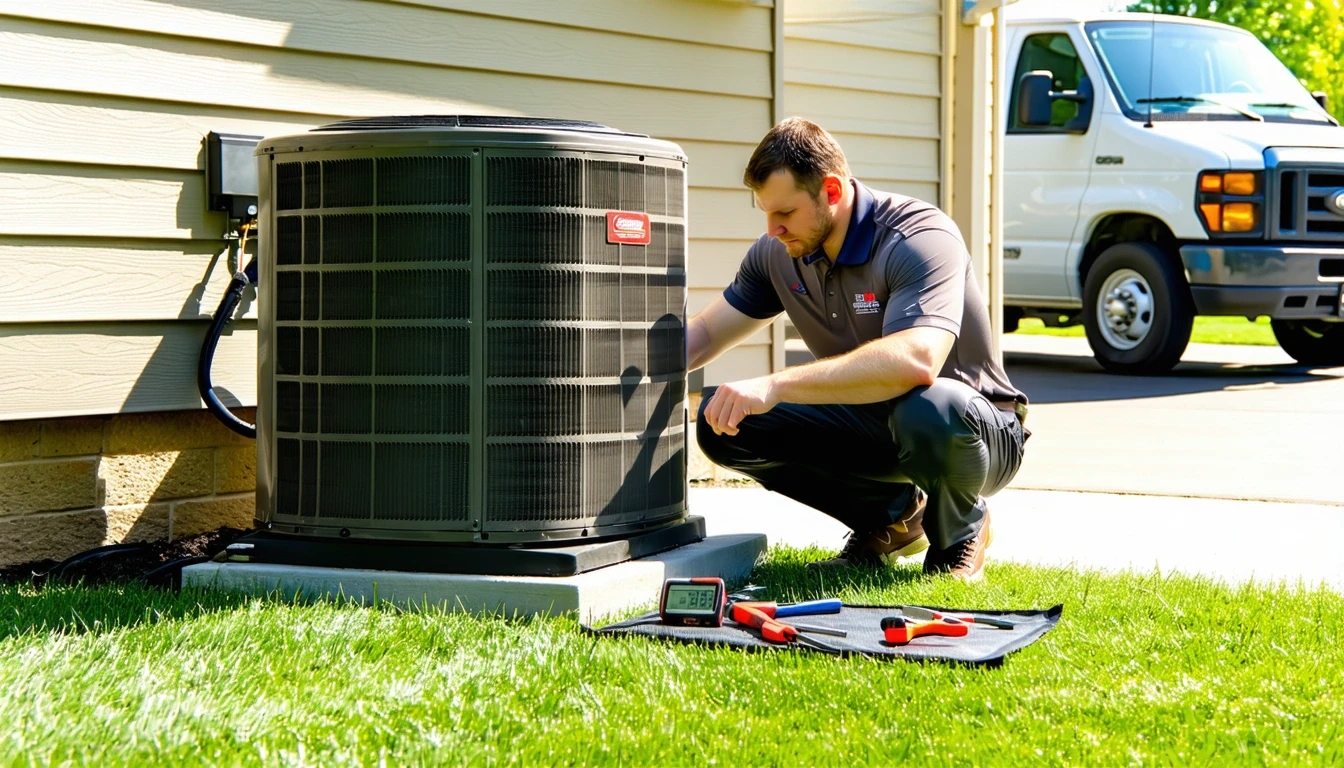
Electricity often accounts for nearly half of the monthly utility bill in Belleville. Summer air conditioning drives the highest consumption, with many homes using central AC systems that run continuously during July and August. Rates in the Belleville area average around 13 cents per kilowatt-hour, which is competitive with the broader Illinois average but still means that a 1,000 kWh month will cost approximately $130. Homes with older HVAC systems, poor insulation, or large square footage can easily exceed 1,500 kWh during peak months, pushing electric bills above $200.
Water bills in Belleville often vary between $20 and $100 per month depending on whether you irrigate a lawn, the number of occupants, and how sewer charges are calculated. Many municipal systems use tiered pricing, where the first few thousand gallons are billed at a lower rate and additional usage incurs higher per-gallon fees. Homes with automatic sprinkler systems or large gardens can see summer water bills double compared to winter months. The $60 estimate in the table assumes moderate indoor use without heavy outdoor watering.
Natural gas is primarily used for heating, water heaters, and cooking appliances. During the milder spring and fall months, a household might use around 50 therms, resulting in a bill near $50. However, winter heating demands in Belleville can push consumption to 80–120 therms per month, especially during January and February cold snaps. Homes with older furnaces or minimal insulation will see the steepest increases. Gas rates in the region typically hover around $1.00 per therm, making winter heating one of the most variable utility expenses.
Trash and recycling in Belleville typically run between $15 and $40 per month depending on whether service is provided by the city, a private hauler, or bundled into HOA fees. Some neighborhoods have curbside pickup included with water bills, while others require residents to contract directly with waste management companies. Recycling is widely available, and many providers offer single-stream collection that simplifies sorting. The $25 midpoint in the table reflects a common rate for combined trash and recycling service in a standalone home.
Methodology: Where available, estimates use 2025 local rates from sources such as the EIA, Census Bureau, and municipal utilities (electricity, gas, water, trash). Electricity assumes ~1,000 kWh/month; gas assumes ~50 therms off-peak; water assumes ~5,000 gallons. Actual bills vary by season, household size, home efficiency, and neighborhood.
How Weather Impacts Utilities in Belleville
Belleville sits in the heart of the Midwest, where humid continental weather means hot, sticky summers and cold, occasionally snowy winters. This seasonal swing has a direct and dramatic impact on utility bills. Summer cooling costs dominate from June through September, when daytime highs regularly reach the upper 80s and low 90s with high humidity. Air conditioning systems work overtime to maintain comfortable indoor temperatures, and many Belleville households see electric bills rise 30–50% in peak summer compared to spring. Homes with south- or west-facing windows, minimal shade, or older AC units face the steepest increases.
Winter heating costs peak in December, January, and February, when overnight lows can dip into the teens and daytime temperatures hover in the 30s. Natural gas furnaces are the most common heating source in Belleville, and monthly gas consumption can triple compared to fall levels. Electric heating systems, while less common, can push winter electric bills even higher than summer cooling costs. Homes with poor attic insulation, drafty windows, or older heating equipment will see the most dramatic seasonal spikes, sometimes exceeding $150 per month for gas alone.
One regional quirk that affects Belleville utility planning is the area’s susceptibility to severe thunderstorms and occasional ice storms. Power outages, while typically brief, can disrupt heating and cooling systems and lead to temporary spikes in usage as HVAC systems work to restore indoor temperatures. Additionally, spring and fall shoulder seasons offer the most predictable and affordable utility months, with minimal heating or cooling demand and moderate water usage. Residents who budget based on these milder months often face sticker shock when the first summer or winter bill arrives, underscoring the importance of planning for seasonal variability.
How to Save on Utilities in Belleville
Reducing utility costs in Belleville starts with understanding your home’s biggest energy drains and taking advantage of local programs designed to help residents save. Many utility providers in the region offer budget billing or equalized payment plans that smooth out seasonal spikes by averaging your annual usage into consistent monthly payments. This doesn’t reduce total costs, but it makes budgeting far more predictable. Additionally, some providers offer time-of-use rates or off-peak billing programs that reward households for shifting energy-intensive tasks—like running dishwashers or doing laundry—to evenings or weekends when demand is lower.
Investing in home efficiency upgrades can yield significant long-term savings. Programmable or smart thermostats allow you to automatically reduce heating and cooling when you’re away or asleep, often cutting HVAC costs by 10–20%. Sealing air leaks around windows, doors, and ductwork prevents conditioned air from escaping, while adding attic insulation helps maintain stable indoor temperatures year-round. Belleville’s tree-lined streets offer natural shade that can reduce cooling costs, so preserving mature trees or planting new ones on the south and west sides of your home is both environmentally friendly and economically smart.
- Enroll in budget billing or equalized payment plans to avoid seasonal bill shock.
- Install a programmable thermostat and set it to reduce heating/cooling during unoccupied hours.
- Seal air leaks around windows, doors, and ductwork to improve HVAC efficiency.
- Add or upgrade attic insulation to maintain stable indoor temperatures.
- Plant shade trees on south- and west-facing sides of your home to reduce summer cooling demand.
- Upgrade to ENERGY STAR appliances, especially water heaters, refrigerators, and HVAC systems.
- Check with your utility provider about rebates for energy-efficient equipment or home energy audits.
- Reduce outdoor watering by installing rain barrels or switching to drought-tolerant landscaping.
- Run dishwashers and laundry during off-peak hours if your provider offers time-of-use rates.
🏆 Tip: Check if your provider in Belleville offers rebates for energy-efficient AC units or heating systems. Some programs cover up to $500 toward new HVAC installations, and local contractors often know which incentives are currently available. Combining utility rebates with federal tax credits for energy-efficient home improvements can significantly offset upfront costs and accelerate payback periods.
FAQs About Utility Costs in Belleville
Why are utility bills so high in Belleville during summer and winter?
Belleville’s humid summers and cold winters drive heavy air conditioning and heating use, which are the two largest contributors to residential utility costs. Homes with older HVAC systems, poor insulation, or large square footage see the steepest seasonal spikes, sometimes doubling or tripling off-peak bills.
What is the average monthly electric bill for an apartment in Belleville compared to a single-family home?
Apartments in Belleville typically see electric bills between $60 and $100 per month due to smaller square footage and shared walls that reduce heating and cooling demand. Single-family homes average $130–$200 monthly, with larger or older homes often exceeding that range during peak seasons.
Do HOAs in Belleville usually include trash or water in their fees?
Many townhome and condo HOAs in Belleville bundle trash, recycling, and sometimes water/sewer into monthly dues, which can range from $50 to $150. Single-family home HOAs less commonly include utilities, so it’s important to review association documents carefully before purchasing or renting.
How do water costs in Belleville compare to nearby suburbs?
Belleville’s water rates are generally competitive with nearby communities like O’Fallon and Swansea, though tiered pricing structures mean heavy users—especially those with irrigation systems—can see higher per-gallon costs. Sewer charges, which are often calculated as a percentage of water use, can add significantly to the total bill.
Do utility providers in Belleville offer budget billing or equalized payment plans?
Yes, most electric and gas providers serving Belleville offer budget billing programs that average your annual usage into consistent monthly payments. This helps avoid the sticker shock of peak summer and winter bills, though you’ll still pay the same total amount over the course of the year.
Smarter Utility Planning in Belleville
The biggest drivers of utility costs in Belleville are electricity for cooling, natural gas for heating, and water usage that varies widely by neighborhood and season. Electricity typically dominates the monthly budget, especially during summer, while natural gas can surge in winter. Water and trash costs are more stable but can still vary significantly depending on whether you irrigate a lawn, the number of occupants, and how sewer fees are structured. Understanding these patterns allows you to anticipate seasonal swings and budget more effectively throughout the year.
Most households in Belleville should plan between $200 and $300 per month for utilities in 2025, with smaller apartments typically on the lower end and larger family homes on the higher end. During peak summer and winter months, it’s wise to add an extra $50–$100 cushion to account for increased HVAC demand. Tracking your usage over the first year in a new home provides the best baseline for future budgeting, and many providers offer online dashboards or mobile apps that make monitoring consumption straightforward.
Utilities are just one piece of the broader cost of living puzzle in Belleville, but they’re a controllable one. Small investments in efficiency—programmable thermostats, weatherstripping, LED bulbs, and appliance upgrades—can yield meaningful savings over time. Combining these improvements with local rebate programs and smart usage habits helps keep your utility bills predictable and manageable, freeing up budget space for other priorities. For more detailed breakdowns of housing, transportation, and other living costs in Belleville, explore the full suite of planning resources available through IndexYard.