
Is Collinsville the kind of place you grow roots—or just pass through? For prospective movers weighing their options in the St. Louis metro area, understanding how current residents feel about their city offers invaluable insight. Collinsville sits just across the Mississippi River from St. Louis, blending Illinois practicality with gateway region accessibility. But what’s the emotional pulse of this community? How do locals describe their day-to-day experience, and what shapes the overall mood?
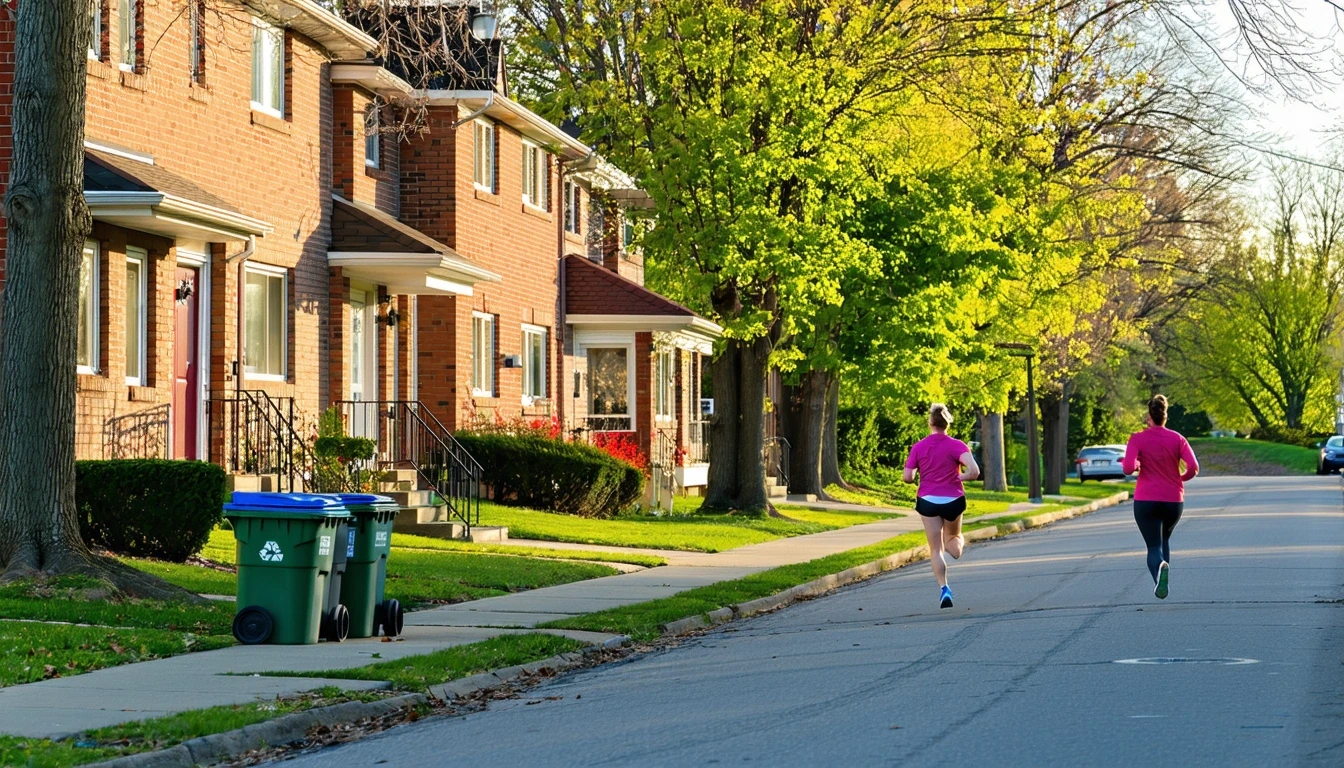
Overall City Sentiment in Collinsville
How do locals talk about their satisfaction with life in Collinsville, and what factors shape the mood of the community? In 2025, Collinsville is often described with a mix of pride and pragmatism. Residents appreciate the city’s sense of stability, its proximity to St. Louis employment centers, and the affordability relative to comparable suburbs on the Missouri side. The community feels grounded—less flashy than some neighboring areas, but dependable and accessible.
That said, the conversation isn’t uniformly rosy. Some locals express frustration about limited entertainment options within city limits, a reliance on car travel for most errands, and a sense that Collinsville lacks the vibrancy of more urbanized communities. The city’s identity sits somewhere between small-town familiarity and suburban functionality, which appeals to families and established households but can feel limiting to younger professionals seeking walkable nightlife or cultural amenities.
Housing affordability remains a bright spot in local sentiment. With a median home value of $149,600 and median gross rent at $946 per month, Collinsville offers a cost structure that feels manageable compared to many gateway region alternatives. This economic accessibility shapes much of the positive tone—residents feel they can own homes, raise families, and build equity without the financial strain common in hotter markets.
Community events like the Italian Fest draw pride and participation, reinforcing a sense of local identity. Yet some residents note that beyond a few annual highlights, the city’s cultural calendar feels thin. The overall sentiment leans cautiously optimistic: Collinsville works well for those prioritizing affordability, commute access, and neighborhood stability, but it may not satisfy those seeking a more dynamic social scene.
Social Media Buzz in Collinsville
On platforms like Facebook and Reddit, Collinsville residents tend to focus on practical concerns: school quality, traffic patterns along Route 157, and recommendations for local services. The tone is generally civil and community-oriented, with neighbors offering advice on contractors, restaurants, and family activities. There’s less of the heated political debate or urban-versus-suburban tension that dominates discussions in larger metro hubs.
Common themes include:
- Appreciation for the city’s location—close enough to St. Louis for work and entertainment, but far enough to avoid urban congestion and higher taxes.
- Concerns about retail and dining options, with frequent mentions of needing to drive to Fairview Heights or Edwardsville for variety.
- Mixed feelings about local schools, with some families praising specific programs while others express disappointment in resources or extracurriculars.
Composite sentiment from social platforms reflects these recurring themes:
“Collinsville is a solid place to raise kids if you’re okay with a quieter lifestyle. You won’t find trendy coffee shops on every corner, but you also won’t deal with the chaos of the city.”
“I love that I can afford a house here and still get to St. Louis in twenty minutes. It’s not exciting, but it’s practical and safe.”
“Sometimes it feels like there’s not much happening locally. You end up driving to Fairview or the city for anything beyond groceries and gas.”
The Collinsville sentiment score—a longtail metric reflecting aggregated public perception—suggests moderate satisfaction with a pragmatic edge. Residents value what the city provides but acknowledge its limitations in entertainment, walkability, and cultural vibrancy.
Local News Tone
Local news coverage of Collinsville tends to emphasize community milestones, school district updates, and regional economic development. The tone is generally constructive, focusing on infrastructure improvements, business openings, and civic engagement. Headlines might read like “New Development Planned Near Route 157” or “Collinsville Schools Announce Budget Adjustments”—straightforward and service-oriented rather than sensational.
Crime coverage exists but doesn’t dominate the narrative. Incidents are reported factually, without the alarmist framing common in larger urban markets. This contributes to a perception of Collinsville as a stable, low-drama community where daily life proceeds predictably.
Economic stories often highlight the city’s role as a commuter suburb, with attention to job growth in nearby Fairview Heights and the broader Metro East region. There’s an underlying acknowledgment that Collinsville’s fortunes are tied to the St. Louis metro economy, and local news reflects cautious optimism about regional trends.
Review-Based Public Perception
On platforms like Google and Yelp, Collinsville earns moderate ratings that reflect its practical strengths and experiential gaps. Reviews of local businesses—restaurants, auto shops, retail stores—tend to be straightforward and service-focused. There’s less of the enthusiastic boosterism or harsh criticism found in more polarizing cities.
Neighborhood-level sentiment varies subtly. Areas closer to downtown Collinsville and the historic Main Street corridor feel more connected and walkable, with residents appreciating proximity to local shops and community events. Subdivisions on the city’s outskirts offer newer housing and larger lots but can feel isolated, with limited pedestrian infrastructure and a car-dependent lifestyle.
Nextdoor discussions reveal a community that values neighborly cooperation but also expresses frustration about municipal responsiveness, road maintenance, and limited public transit. The tone is rarely hostile—more often, it’s practical and solution-oriented, with residents sharing tips and advocating for incremental improvements.
Composite review sentiment includes:
“Collinsville is fine if you’re looking for a quiet, affordable place near St. Louis. Just don’t expect much nightlife or walkable amenities.”
“We moved here for the schools and the housing prices. It’s not flashy, but it’s stable and family-friendly.”
“I wish there were more local restaurants and things to do. You end up leaving town for entertainment most weekends.”
Comparison to Nearby Cities
How does Collinsville’s sentiment compare to neighboring communities in the Metro East? The table below offers a snapshot of public perception across three nearby cities, highlighting the distinct trade-offs each presents.
| City | Overall Sentiment | Strengths | Challenges |
|---|---|---|---|
| Collinsville, IL | Pragmatic optimism | Affordable housing, stable neighborhoods, commute access | Limited entertainment, car-dependent, modest cultural scene |
| Edwardsville, IL | Enthusiastic pride | Strong schools, vibrant downtown, college-town energy | Higher housing costs, competitive market, more traffic |
| Fairview Heights, IL | Mixed feelings | Retail hub, dining variety, convenient shopping | Commercial sprawl, less neighborhood cohesion, traffic congestion |
Edwardsville draws more enthusiastic sentiment, particularly among families and professionals who prioritize school quality and downtown walkability. However, that appeal comes with higher home prices and a more competitive real estate market. Collinsville offers a more accessible entry point, appealing to buyers who value affordability and proximity to St. Louis without the premium associated with Edwardsville’s reputation.
Fairview Heights functions as the region’s retail and dining hub, but sentiment is more transactional—residents appreciate the convenience but often describe the city as lacking neighborhood character. Collinsville strikes a middle ground: less commercial sprawl than Fairview Heights, less expensive than Edwardsville, but also less vibrant than either.
What Locals Are Saying
To capture the range of perspectives, here are composite reflections from different household types commonly found in Collinsville:
“As a young family, Collinsville has been a great fit. We can afford a house with a yard, the schools are decent, and we’re close enough to St. Louis for work and weekend outings. It’s not the most exciting place, but it’s stable and practical.”
“I moved here for work and appreciate the lower cost of living compared to the city. But honestly, it feels a bit sleepy. There’s not much to do locally, and I find myself driving to St. Louis or Edwardsville most weekends.”
“We’re retirees who downsized from a larger home in Missouri. Collinsville offers a quieter pace and lower property taxes, which helps stretch our fixed income. It’s not flashy, but it’s comfortable and manageable.”
“As a remote worker, I value the affordability and the fact that I’m not paying city taxes. The commute isn’t an issue for me, but I do wish there were more coffee shops and coworking spaces locally.”
“Collinsville works if you’re okay with a car-dependent lifestyle. Everything requires driving, and public transit is basically nonexistent. But if you’re used to suburban living, it’s a solid choice.”
These reflections highlight a recurring theme: Collinsville delivers on affordability, stability, and accessibility, but it requires trade-offs in entertainment, walkability, and cultural vibrancy. For households prioritizing monthly expenses and housing costs over urban amenities, the city feels like a smart, practical choice. For those seeking a more dynamic social scene, it can feel limiting.
Is Collinsville a Happy City?
So, is Collinsville the kind of place you grow roots—or just pass through? The answer depends on what you value. Residents who prioritize affordability, neighborhood stability, and proximity to St. Louis tend to express satisfaction. The city offers a cost structure that makes homeownership and family life achievable without the financial strain common in hotter markets. With a median household income of $63,155 per year and housing costs that remain accessible, Collinsville provides a foundation for building equity and long-term security.
However, the city’s modest cultural scene, limited walkability, and reliance on car travel shape a more cautious sentiment among those seeking vibrancy and variety. Collinsville isn’t a place where you’ll stumble upon spontaneous street festivals or discover hidden speakeasies. It’s a community where life unfolds predictably, where neighbors know each other, and where the rhythm of daily life feels steady rather than electric.
For families, retirees, and remote workers who value practicality and fiscal breathing room, Collinsville often feels like a smart, grounded choice. For young professionals and urban enthusiasts, it may feel like a stepping stone rather than a destination. The city’s sentiment reflects this duality: appreciation for what it provides, tempered by awareness of what it lacks.
Ultimately, Collinsville’s vibe is one of pragmatic contentment. It’s a place where people build lives, raise families, and enjoy the benefits of affordability and access—without expecting the cultural dynamism or walkable urbanism of larger metros. If that balance aligns with your priorities, Collinsville may feel like home. If you’re seeking more excitement and variety, you’ll likely find yourself looking elsewhere—or at least driving there on weekends.
For more insight into what it takes to live comfortably here, explore our guide on quality of life factors and lifestyle needs in Collinsville.
The perspectives shown reflect commonly expressed local sentiment and recurring themes in public discussion, rather than individual accounts.
—
<
A welcoming suburban street scene in Collinsville, Illinois, featuring modest single-family homes with well-kept lawns, tree-lined sidewalks, and a quiet residential atmosphere. The setting conveys stability, affordability, and a sense of community, with a clear blue sky and soft natural lighting. The composition should feel grounded and practical, reflecting the pragmatic optimism of the area. No people, no text overlays—just the calm, everyday character of a Midwest commuter suburb near St. Louis.