
Arnold is considered relatively affordable in 2025, with average rent for a 2-bedroom apartment around $1,100 and overall costs for housing, groceries, utilities, and taxes running below the national average, making it an attractive option for families and professionals seeking value in the St. Louis metro area.
Is the true cost of living higher than you think? When evaluating the cost of living in Arnold, Missouri, many prospective residents discover that this Jefferson County city offers a compelling blend of suburban comfort and financial accessibility. Positioned just south of St. Louis along the Meramec River, Arnold presents a cost structure that differs meaningfully from both the urban core and pricier west county suburbs. Understanding what you’ll actually spend each month—from housing and utilities to groceries and hidden fees—requires looking beyond surface-level rent figures to the full picture of monthly obligations and lifestyle tradeoffs.
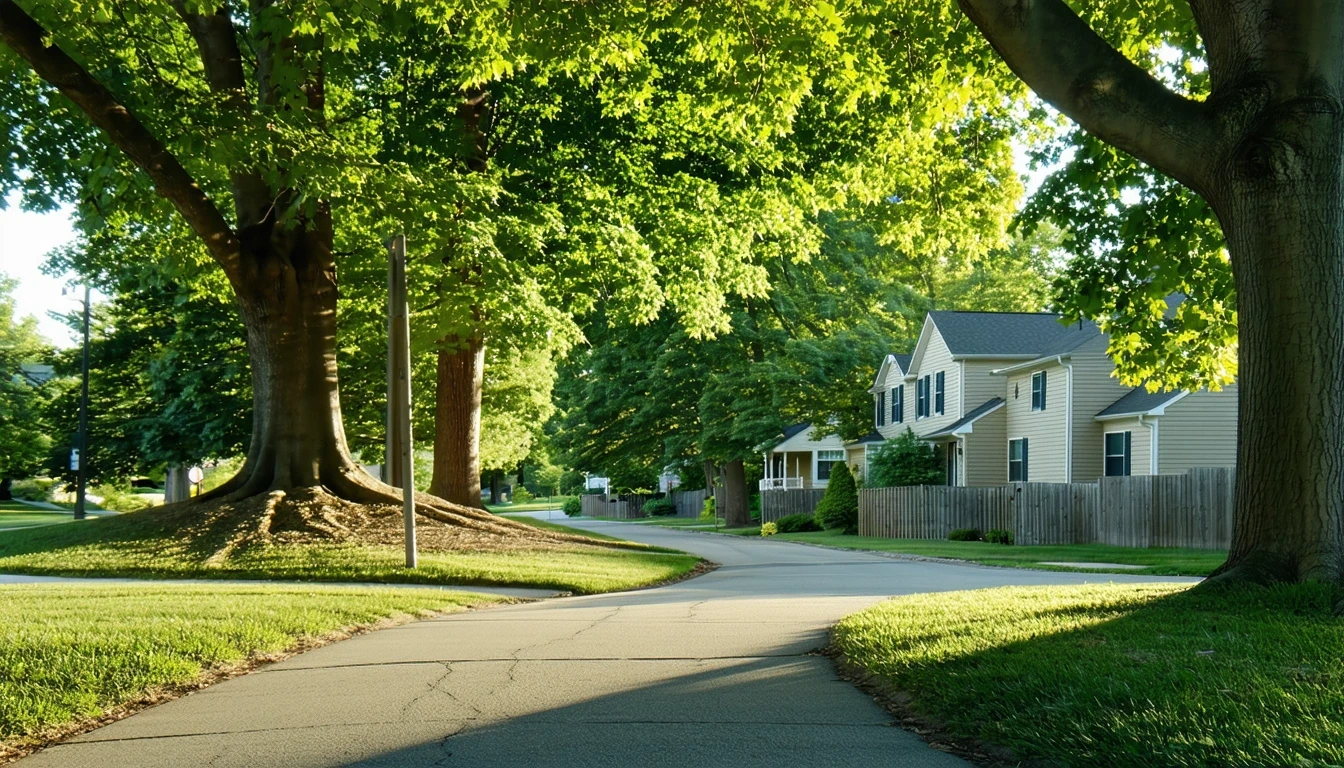
Arnold’s appeal lies partly in its position as a mature, established suburb with a mix of single-family homes, townhouses, and apartment complexes built primarily between the 1970s and 2000s. The city’s cost profile reflects this housing stock: older, well-maintained properties that deliver space and yard access without the premium attached to newer construction in fast-growing exurbs. For families weighing affordability against commute times and school quality, Arnold consistently ranks as a practical choice within the bi-state metro region.
Housing Costs in Arnold
Housing represents the largest single expense for most Arnold households, and the city’s rental and purchase markets both skew more affordable than St. Louis County averages. A typical two-bedroom apartment in Arnold rents for approximately $1,100 per month, with newer or recently renovated units pushing toward $1,300 and older complexes sometimes available in the $950 range. These figures sit comfortably below the metro-wide median, reflecting Arnold’s position as a value-oriented suburb rather than a premium destination.
For buyers, the median home price in Arnold hovers around $235,000 in early 2025, with three-bedroom ranch and split-level homes forming the bulk of available inventory. Larger four-bedroom properties in desirable subdivisions near Fox High School or along the Meramec River corridor can reach $300,000 to $350,000, while smaller starter homes and townhouses remain accessible in the $180,000 to $210,000 range. This pricing structure makes homeownership attainable for dual-income households earning a combined gross monthly income of $5,000 to $6,000, assuming conventional financing and manageable debt-to-income ratios.
Neighborhood dynamics within Arnold vary primarily by age of development and proximity to commercial corridors along Richardson Road and Highway 141. Subdivisions built in the 1990s and early 2000s tend to command slight premiums due to updated floor plans and lower maintenance needs, while older neighborhoods from the 1970s offer larger lots and mature trees at lower entry prices. Homeowners association fees are relatively uncommon in Arnold compared to newer exurbs, though some townhouse and condo communities assess monthly dues ranging from $75 to $150 to cover exterior maintenance, snow removal, and common-area upkeep.
| Housing Type | Typical Monthly Cost / Price |
|---|---|
| 2BR Apartment (Rent) | $1,100 |
| 3BR Single-Family Home (Purchase) | $235,000 median |
| 4BR Home (Desirable Area) | $300,000–$350,000 |
| Townhouse/Condo (Purchase) | $180,000–$210,000 |
Utilities and Energy Bills
Utility costs in Arnold align closely with regional norms for the St. Louis metro, though seasonal swings in heating and cooling demand can produce noticeable month-to-month variation. Electric service, provided primarily by Ameren Missouri, averages around $130 per month for a typical single-family home consuming approximately 1,000 kilowatt-hours. Summer air conditioning loads can push bills toward $160 to $180 during July and August, while milder spring and fall months often see costs drop below $100.
Natural gas heating, also supplied by Ameren, adds another $70 to $90 per month during the winter heating season (November through March), with shoulder months requiring minimal gas usage for water heating and occasional furnace cycles. Water and sewer service through the city of Arnold or local municipal districts typically runs $50 to $65 per month for a family of four, with trash collection adding another $20 to $25 monthly depending on service provider and container size. Internet and cable or streaming services, while not strictly utilities, represent an additional $80 to $120 in monthly connectivity costs for most households.
Taken together, a realistic monthly utility budget for an Arnold household—covering electric, gas, water, trash, and internet—falls in the $250 to $300 range for a three-bedroom home, with apartments and smaller dwellings often managing closer to $180 to $220. Energy efficiency varies significantly with home age and insulation quality, so prospective renters and buyers should inquire about recent utility bills and any weatherization upgrades when evaluating properties.
| Utility Type | Avg Monthly Cost |
|---|---|
| Electric (1,000 kWh) | $130 |
| Natural Gas (Winter) | $70–$90 |
| Water & Sewer | $50–$65 |
| Trash Collection | $20–$25 |
| Internet/Streaming | $80–$120 |
| Total Utilities | $250–$300 |
Groceries and Daily Expenses
Grocery costs in Arnold reflect the competitive retail landscape of the St. Louis metro, with multiple national chains—including Schnucks, Dierbergs, Walmart, and Aldi—offering a range of price points and shopping experiences. A single adult practicing moderate grocery habits can expect to spend $300 to $400 per month, while a couple typically budgets $550 to $700 monthly depending on dietary preferences, reliance on prepared foods, and frequency of dining out. Families with children should anticipate grocery bills climbing toward $900 to $1,100 per month as household size increases.
Examining a typical weekly grocery basket helps illustrate the cost structure: a gallon of whole milk runs approximately $3.50, a dozen large eggs around $2.80, a loaf of sandwich bread $2.50, and a pound of boneless chicken breast $4.20. Ground beef (80/20) averages $5.00 per pound, while staples like a five-pound bag of rice ($4.50) and a pound of fresh produce ($2.00 to $3.50 depending on variety) round out the basics. Coffee drinkers can expect to pay $8 to $12 for a standard 12-ounce bag of ground coffee, and fresh fruit like apples or bananas typically costs $1.50 to $2.00 per pound.
Dining out in Arnold offers affordable options along Richardson Road and in the Arnold Commons shopping district, where casual chain restaurants and local eateries serve meals in the $12 to $18 per person range for lunch or dinner. Fast-casual concepts and pizza joints keep costs lower, often delivering family meals for $35 to $50, while sit-down restaurants with table service push toward $20 to $30 per entrée before beverages and gratuity. Households that dine out once or twice weekly should budget an additional $200 to $350 monthly beyond grocery spending.
| Grocery Item | Typical Price |
|---|---|
| Gallon Whole Milk | $3.50 |
| Dozen Large Eggs | $2.80 |
| Loaf Sandwich Bread | $2.50 |
| Chicken Breast (per lb) | $4.20 |
| Ground Beef (per lb) | $5.00 |
| 5-lb Bag Rice | $4.50 |
| Fresh Produce (per lb) | $2.00–$3.50 |
| 12-oz Ground Coffee | $8–$12 |
Taxes and Hidden Fees
Understanding the full tax burden in Arnold requires examining property taxes, sales taxes, and various municipal fees that accumulate throughout the year. Jefferson County’s effective property tax rate sits around 1.10% to 1.25% of assessed home value annually, meaning a home valued at $235,000 generates roughly $2,600 to $2,900 in annual property taxes, or approximately $215 to $240 per month when budgeted evenly. This rate runs slightly below St. Louis County averages, contributing to Arnold’s overall affordability advantage, though specific rates vary by school district and local taxing jurisdictions.
Sales tax in Arnold totals 8.613% as of 2025, combining Missouri’s state rate, Jefferson County’s levy, and local municipal additions. This rate applies to most retail purchases, restaurant meals, and many services, adding a meaningful increment to daily spending. For a household spending $1,500 monthly on taxable goods and services, sales tax adds roughly $130 to the effective cost, a figure often overlooked in initial budgeting but significant over time.
Hidden fees and periodic expenses further shape the true cost of living in Arnold. Vehicle registration and personal property taxes on cars and trucks add $100 to $300 annually depending on vehicle value and age. Homeowners face periodic costs for trash service upgrades, stormwater fees (often bundled into utility bills at $5 to $10 monthly), and occasional special assessments for road or infrastructure improvements in certain subdivisions. Renters typically avoid property taxes directly but should confirm whether water, trash, and sewer are included in stated rent or billed separately, as these can add $75 to $100 monthly to advertised lease rates.
- Property Taxes: Approximately 1.10%–1.25% of assessed home value annually
- Sales Tax: 8.613% on most retail purchases and dining
- Vehicle Registration: $100–$300 annually depending on vehicle value
- Stormwater Fees: $5–$10 per month (often included in utility bills)
- HOA Fees: $75–$150 monthly in select townhouse/condo communities
- Trash Service: $20–$25 monthly (sometimes separate from rent)
Monthly Budget Breakdown for Arnold Households
Synthesizing housing, utilities, groceries, transportation, taxes, and miscellaneous expenses into a cohesive monthly budget reveals what different household types realistically need to live comfortably in Arnold. The following table presents gross monthly income requirements—pre-tax earnings necessary to cover expenses while maintaining a modest cushion for savings, entertainment, and unexpected costs. These estimates assume moderate lifestyle choices: reliable but not luxury housing, home-cooked meals supplemented by occasional dining out, and prudent management of discretionary spending.
| Expense Category | Single Adult | Couple (No Children) | Family of Four |
|---|---|---|---|
| Housing (Rent/Mortgage) | $900 | $1,400 | $1,800 |
| Utilities | $150 | $220 | $280 |
| Groceries | $350 | $650 | $1,000 |
| Transportation | $300 | $500 | $650 |
| Taxes/Fees | $180 | $280 | $350 |
| Miscellaneous | $200 | $350 | $500 |
| Total Monthly | $2,080 | $3,400 | $4,580 |
| Gross Income Needed | $3,120 | $5,100 | $6,870 |
Methodology: These 2025 estimates for Arnold draw on publicly available national and regional sources including the U.S. Census Bureau, Bureau of Economic Analysis (BEA), Bureau of Labor Statistics (BLS), and Federal Reserve Economic Data (FRED). Where city-specific figures are unavailable, safe regional ranges are applied (e.g., typical 2BR rents, grocery costs per adult). All amounts are expressed as gross monthly income (pre-tax) and rounded to whole dollars. Actual expenses vary by household size, lifestyle, and neighborhood choice.
Lifestyle Considerations and Commute Tradeoffs
Living in Arnold involves weighing affordability against commute times and access to employment centers. Most Arnold residents work outside the city, with common commutes to South County industrial parks, downtown St. Louis, or west county office corridors. Average commute times run 25 to 35 minutes depending on destination and shift timing, with Highway 55 and Interstate 270 serving as primary routes. Gas prices in the St. Louis metro average around $2.85 per gallon in early 2025, making fuel costs a meaningful line item for households with long commutes or multiple vehicles.
Transportation expenses for a single-car household typically total $300 to $400 monthly, covering fuel, insurance, maintenance, and periodic repairs. Families operating two vehicles should budget $600 to $750 monthly, with insurance rates in Missouri running lower than many coastal states but still representing a significant recurring cost. Public transit options remain limited in Arnold, with most residents relying on personal vehicles for daily errands, work commutes, and school transportation. This car-dependent lifestyle is a defining feature of suburban Jefferson County living and must be factored into any realistic cost-of-living assessment.
Quality-of-life considerations in Arnold include access to parks, recreational facilities, and a slower-paced suburban environment that appeals to families seeking space and safety. The city maintains numerous parks and sports complexes, and proximity to the Meramec River offers outdoor recreation opportunities. Housing tradeoffs are straightforward: choosing newer construction or locations closer to commercial amenities raises costs, while older neighborhoods farther from main roads deliver larger lots and lower prices. For households prioritizing affordability and willing to accept a modest commute, Arnold consistently delivers strong value within the bi-state region.
Frequently Asked Questions
Is Arnold more affordable than nearby cities in 2025? Yes, Arnold generally offers lower housing costs than St. Louis County suburbs like Affton or Lemay, and significantly lower costs than west county areas such as Ballwin or Chesterfield. Jefferson County’s property tax rates and older housing stock contribute to this affordability advantage, though commute times to some employment centers may be longer.
What is a realistic monthly budget in Arnold for a couple? A couple without children should plan for approximately $3,400 in monthly expenses covering housing, utilities, groceries, transportation, and taxes, requiring a gross monthly income around $5,100 to maintain comfortable margins for savings and discretionary spending. This assumes moderate housing choices and prudent grocery and dining habits.
Do utilities cost more in Arnold than nearby areas? Utility costs in Arnold align closely with regional averages for the St. Louis metro, as Ameren Missouri serves most of Jefferson County with consistent rate structures. Seasonal heating and cooling loads drive the largest variations, but overall utility expenses do not differ meaningfully from neighboring communities.
How much does a family of four spend in Arnold per month? A family of four typically requires around $4,580 in monthly expenses for housing, utilities, groceries, transportation, taxes, and miscellaneous costs, translating to a gross monthly income need of approximately $6,870 to cover obligations comfortably and maintain savings. Actual costs vary with housing choices and lifestyle preferences.
Are property taxes higher in Arnold than in St. Louis County? No, Jefferson County property tax rates in Arnold generally run lower than many St. Louis County municipalities, contributing to Arnold’s overall affordability. Effective rates around 1.10% to 1.25% of assessed value compare favorably to county averages, though specific rates depend on school district and local levies.
Is it cheaper to rent or buy in Arnold? For households planning to stay three years or longer, buying often proves more cost-effective given Arnold’s accessible home prices and relatively low property taxes. Renters enjoy flexibility and avoid maintenance costs, but building equity through homeownership becomes financially advantageous over time, especially with mortgage rates stabilizing in 2025.
What hidden costs should I expect when moving to Arnold? Beyond rent or mortgage, budget for vehicle registration and personal property taxes ($100–$300 annually), potential HOA fees in select communities ($75–$150 monthly), stormwater and trash fees often separate from base utility bills, and higher-than-expected sales taxes (8.613%) on everyday purchases. These incremental costs add up and should be included in initial budgeting.
How does Arnold compare to other St. Louis suburbs for families? Arnold offers strong value for families prioritizing affordability, space, and access to parks and schools without the premium pricing of west county suburbs. Compare moving company costs and options if you’re considering relocating from another metro area, as Arnold’s combination of lower housing costs and solid community amenities makes it a practical choice for budget-conscious households willing to accept moderate commute times.