
Maryland Heights, MO vs. Saint Louis, MO: Cost of Living Comparison (2025)
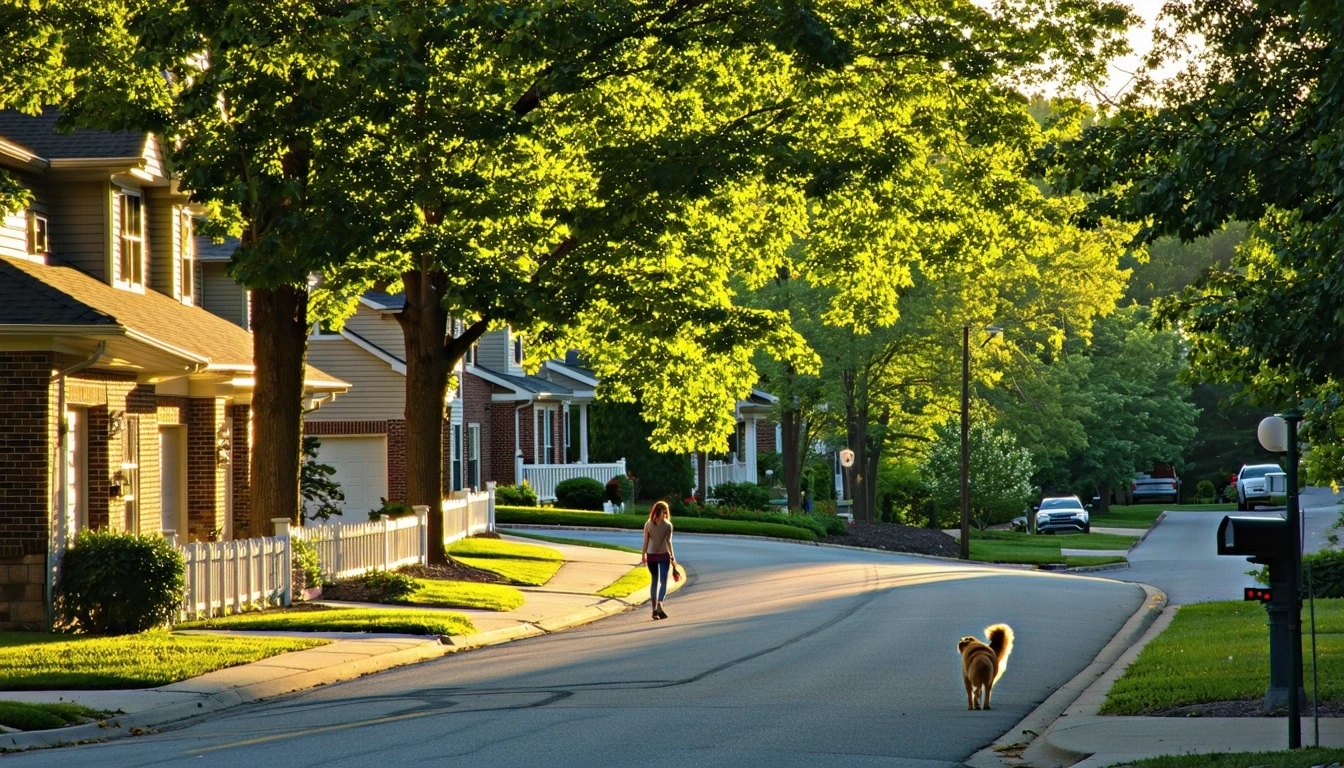
Homebuyers and renters comparing Maryland Heights to Saint Louis often discover a striking difference: Maryland Heights residents typically spend 15–20% less on housing than their counterparts in many Saint Louis neighborhoods, a gap that translates to hundreds of dollars monthly. Both cities sit within the St. Louis metropolitan area, sharing access to the same regional job market, cultural institutions, and interstate corridors, yet they offer distinctly different living experiences. Maryland Heights, a planned suburban community in West County, appeals to families seeking newer construction, corporate proximity, and abundant retail options. Saint Louis proper delivers urban energy, historic architecture, diverse neighborhoods, and walkable districts that attract young professionals and those who prioritize cultural amenities over square footage.
The choice between these two cities hinges on more than geography—it’s a lifestyle decision shaped by budget realities. Maryland Heights offers predictable suburban infrastructure, lower property crime rates, and family-oriented parks, while Saint Louis provides greater housing variety, from renovated lofts in Soulard to historic bungalows in Tower Grove South. For relocating households in 2025, understanding how housing, utilities, groceries, and taxes differ between these communities is essential to making a financially sound decision that aligns with long-term goals.
This comparison breaks down the tangible costs that shape daily life in both cities, helping you determine where your income stretches furthest and which environment suits your priorities. Whether you’re drawn to Maryland Heights’ corporate campuses and chain conveniences or Saint Louis’ neighborhood festivals and independent dining scene, the numbers below will clarify what you’ll actually pay to live in each place.
Housing Costs
Housing represents the most significant cost difference between Maryland Heights and Saint Louis, and the gap favors Maryland Heights for renters and buyers alike. In Maryland Heights, a two-bedroom apartment typically rents for $1,100 to $1,400 per month in well-maintained complexes near Page Avenue or Dorsett Road, with amenities like fitness centers and reserved parking included. Comparable two-bedroom units in desirable Saint Louis neighborhoods—such as the Central West End, Soulard, or the Hill—range from $1,300 to $1,800 monthly, reflecting higher demand for urban proximity and walkable access to restaurants and nightlife. For families seeking three-bedroom homes, Maryland Heights offers rental houses in the $1,600 to $2,000 range, often with attached garages and small yards, while similar properties in Saint Louis neighborhoods like Lindenwood Park or Holly Hills command $1,800 to $2,400, particularly if recently renovated.
For homebuyers, the contrast sharpens further. Median home prices in Maryland Heights hover around $240,000 to $280,000 in 2025, with many single-family homes built after 1990 featuring open floor plans and updated systems. Saint Louis’ median home price varies dramatically by neighborhood—ranging from $180,000 in transitional areas to $350,000 or more in sought-after districts like Dogtown or Lafayette Square—but the citywide median sits near $210,000. However, this lower median often reflects older housing stock requiring more maintenance, higher utility costs, and potential renovation expenses. Maryland Heights’ housing market leans heavily toward owner-occupied suburban subdivisions, while Saint Louis offers a broader mix of historic multi-family buildings, duplexes, and rehabbed single-family homes that appeal to investors and first-time buyers willing to trade sweat equity for lower entry prices.
| Housing Type | Maryland Heights | Saint Louis |
|---|---|---|
| 2-Bedroom Apartment (Rent) | $1,100–$1,400 | $1,300–$1,800 |
| 3-Bedroom Home (Rent) | $1,600–$2,000 | $1,800–$2,400 |
| Median Home Price (Purchase) | $240,000–$280,000 | $210,000–$350,000 |
| Typical Mortgage (3BR, 20% down, 7% rate) | ~$1,550/month | ~$1,400–$2,100/month |
For young professionals prioritizing walkability and nightlife, Saint Louis neighborhoods offer undeniable appeal despite higher rents, especially for those who can offset transportation costs by living car-light. Families, however, often find Maryland Heights more financially practical: newer homes mean fewer surprise repairs, and the suburban layout provides immediate access to highly rated Pattonville and Parkway school districts without the premium attached to comparable Saint Louis private schools. Renters benefit from Maryland Heights’ competitive apartment market, where landlords frequently offer move-in specials to attract tenants, while Saint Louis renters face tighter inventory in desirable urban pockets.
Winner: Maryland Heights — Lower baseline rents, predictable suburban housing costs, and newer construction deliver measurable monthly savings for most household types, particularly families and first-time buyers seeking turnkey properties.
Utilities and Energy Costs
Utility expenses in both Maryland Heights and Saint Louis are influenced by the region’s humid continental climate, which demands significant air conditioning from June through September and steady heating from November through March. Maryland Heights residents benefit from newer housing stock, where improved insulation, modern HVAC systems, and energy-efficient windows reduce monthly bills. A typical three-bedroom home in Maryland Heights might see combined electric and gas costs ranging from $140 to $200 monthly, with spikes to $220 during peak summer cooling or winter heating months. Water and sewer services, often bundled by the city, add another $50 to $70 monthly, and trash collection is typically included in municipal services.
Saint Louis residents, particularly those in older neighborhoods with pre-1970 construction, frequently report higher utility bills due to aging infrastructure, single-pane windows, and less efficient heating systems. A comparable three-bedroom home in Saint Louis might incur $170 to $240 monthly for electric and gas, with older boiler systems or window air conditioning units driving costs higher. Water and sewer charges in Saint Louis proper can reach $70 to $90 monthly depending on usage and the Metropolitan St. Louis Sewer District’s rates, which have increased in recent years to fund infrastructure upgrades. Renters in both cities should clarify which utilities are included in lease agreements, as many Maryland Heights apartment complexes include water and trash, while Saint Louis landlords more commonly pass all utility costs to tenants.
Households in Maryland Heights also benefit from Ameren Missouri’s energy efficiency programs, which offer rebates for smart thermostats, LED lighting upgrades, and HVAC tune-ups—incentives that reduce long-term costs for homeowners. Saint Louis residents have access to the same programs, but the older housing stock means upfront investments in weatherization and system upgrades often yield slower payback periods. For renters, utility cost differences may seem modest month-to-month, but over a year, Maryland Heights’ newer construction can save $300 to $600 compared to older Saint Louis apartments or homes, particularly for larger households running multiple appliances and electronics.
Winner: Maryland Heights — Newer homes with better insulation and modern systems consistently deliver lower utility bills, especially during extreme weather months, making it the more economical choice for energy-conscious households.
Groceries and Daily Expenses
Grocery costs between Maryland Heights and Saint Louis remain largely comparable, as both cities are served by the same regional chains—Schnucks, Dierbergs, Walmart, Target, and Aldi—with pricing that reflects corporate strategies rather than municipal boundaries. A family of four can expect to spend $700 to $900 monthly on groceries in either location, depending on dietary preferences and shopping habits. Maryland Heights offers concentrated retail corridors along Dorsett Road and near the Westport Plaza area, where big-box stores and chain grocers compete aggressively on price, often featuring weekly promotions and loyalty discounts. Saint Louis residents benefit from neighborhood grocers like Local Harvest Grocery in Tower Grove and the Soulard Farmers Market, which provide access to locally sourced produce and specialty items, though these options typically carry a 10–15% premium over conventional chains.
Dining out reveals a clearer cost distinction. Maryland Heights’ restaurant scene skews toward national chains—Olive Garden, Red Lobster, Panera—where a casual dinner for two averages $40 to $55 before tip. Saint Louis’ independent dining landscape offers more variety and competitive pricing, particularly in neighborhoods like the Hill (Italian), Cherokee Street (Latin American), and the Delmar Loop (eclectic), where locally owned restaurants serve entrees in the $12 to $18 range and a couple can dine well for $35 to $50. Coffee culture follows a similar pattern: Maryland Heights residents frequent Starbucks and Panera, paying $5 to $6 for specialty drinks, while Saint Louis supports independent cafés like Blueprint Coffee and Sump Coffee, where prices are comparable but the experience feels more distinctive.
Household goods and personal care items cost roughly the same in both cities, with Maryland Heights offering convenient access to Target, Walmart, and Costco within a five-mile radius, while Saint Louis residents may need to drive slightly farther to reach suburban big-box stores or rely on smaller urban pharmacies and convenience stores that charge modestly higher prices. Families with young children may find Maryland Heights’ retail density advantageous for quick errands, while singles and couples in Saint Louis can offset slightly higher convenience store prices by walking to neighborhood shops and reducing transportation costs.
Winner: Tie — Grocery staples cost nearly the same in both cities, while dining and daily expenses balance out: Maryland Heights offers convenience and chain predictability, while Saint Louis provides more affordable independent dining and neighborhood character.
Taxes and Fees
Property taxes represent a critical long-term cost difference between Maryland Heights and Saint Louis, and this is where Maryland Heights’ advantage becomes most pronounced. Maryland Heights sits within St. Louis County, where the average effective property tax rate is approximately 1.0% to 1.2% of assessed home value. For a home valued at $260,000, annual property taxes typically range from $2,600 to $3,100, or roughly $215 to $260 monthly. Saint Louis, as an independent city separate from the county, imposes property tax rates that vary by neighborhood but generally fall between 1.3% and 1.6% of assessed value. A $210,000 home in Saint Louis might incur $2,700 to $3,360 annually in property taxes, but homeowners also face additional city fees for services like trash collection, which Maryland Heights bundles into municipal taxes.
Sales tax rates in both cities are high by national standards, reflecting Missouri’s reliance on consumption taxes. Maryland Heights’ combined sales tax rate is approximately 8.363%, covering state, county, and local portions. Saint Louis’ rate is slightly higher at 9.679%, one of the highest in the region, which affects every retail purchase from groceries (though most food staples are exempt) to clothing and electronics. For a household spending $3,000 monthly on taxable goods, the difference amounts to roughly $40 more annually in Saint Louis—a modest but measurable gap. Renters in both cities indirectly bear property tax costs through rent pricing, but Saint Louis renters may also encounter landlord-passed fees for city services like refuse collection and stormwater management.
Maryland Heights homeowners in planned subdivisions sometimes face homeowners association (HOA) fees ranging from $30 to $100 monthly, covering landscaping, snow removal, and common area maintenance. These fees are less common in Saint Louis’ older neighborhoods, where homeowners handle their own exterior upkeep but may face higher maintenance costs due to aging infrastructure. Long-term, Maryland Heights’ lower property tax burden and bundled city services create a more predictable cost structure for homeowners, while Saint Louis’ higher taxes and à la carte fees can surprise new residents unaccustomed to itemized municipal charges.
Winner: Maryland Heights — Lower property tax rates and bundled city services reduce the overall tax burden for homeowners, while renters benefit from landlords’ lower operating costs, which can translate to more competitive lease pricing.
Cost Summary Table: Cost of Living in Maryland Heights vs Saint Louis
| Expense Category | Maryland Heights (Monthly) | Saint Louis (Monthly) |
|---|---|---|
| Housing (3BR Home, Rent) | $1,800 | $2,100 |
| Utilities (Electric, Gas, Water) | $170 | $210 |
| Groceries (Family of 4) | $800 | $800 |
| Transportation (Gas, Insurance, Maintenance) | $350 | $320 |
| Property Taxes (Homeowner, $260k Home) | $240 | $270 |
| Miscellaneous (Dining, Entertainment, Personal Care) | $400 | $420 |
| Estimated Monthly Total | $3,760 | $4,120 |
The cost summary reveals a consistent monthly savings of approximately $360 for households choosing Maryland Heights over Saint Louis, driven primarily by lower housing and utility costs. Over a year, this difference totals $4,320—a meaningful sum that can fund emergency savings, retirement contributions, or family vacations. Families with children benefit most from Maryland Heights’ cost structure, as the combination of affordable housing, lower utilities, and predictable municipal services aligns well with tight household budgets. Singles and couples may find the savings less compelling if they value Saint Louis’ walkable neighborhoods and cultural amenities, which can reduce transportation costs and enhance quality of life in ways that offset higher rent.
Estimates reflect 2025 costs for a mid-size household (3-bedroom home or comparable apartment) using published regional data, utility provider averages, and local real estate benchmarks. Actual expenses will vary with household size, lifestyle choices, neighborhood selection, and individual consumption patterns. Transportation costs assume car ownership; Saint Louis residents in walkable neighborhoods may reduce these expenses significantly.
Lifestyle Fit
Maryland Heights and Saint Louis offer fundamentally different lifestyle experiences that extend beyond raw costs and shape how residents spend their time and money. Maryland Heights functions as a modern suburban hub, designed around automobile access and corporate convenience. Residents enjoy short commutes to major employers like Edward Jones, Centene, and Express Scripts, with most jobs reachable within 15 to 25 minutes via I-270 or Page Avenue. The city’s retail infrastructure is dense and predictable: Westport Plaza, Mid Rivers Mall, and countless strip centers provide one-stop shopping for groceries, dining, and services. Walkability is limited outside of apartment complexes and planned subdivisions, meaning most errands require a car, which adds to transportation costs but delivers time efficiency for busy families juggling work and school schedules.
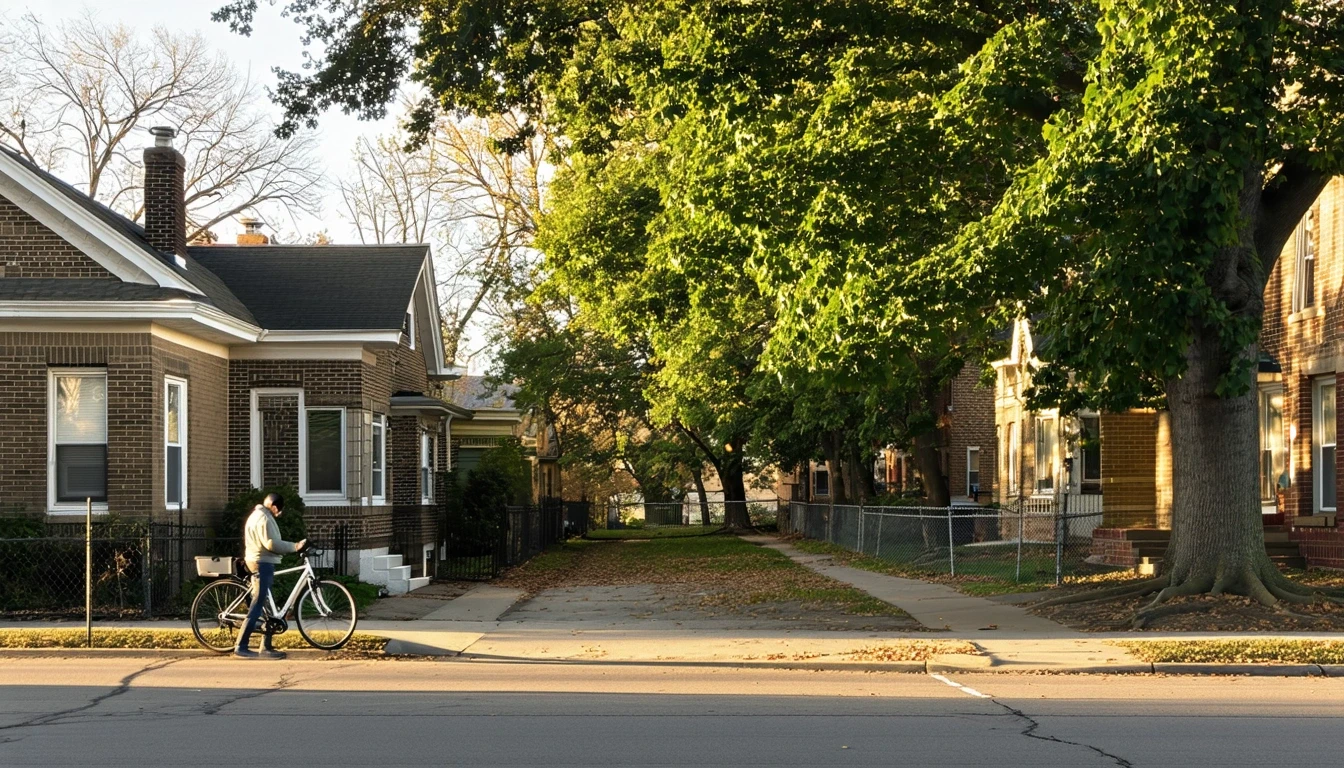
Saint Louis, by contrast, rewards residents who prioritize neighborhood character and cultural engagement over suburban convenience. Walkable districts like the Central West End, Soulard, and the Delmar Loop allow residents to access coffee shops, restaurants, and entertainment on foot, reducing transportation expenses and fostering a sense of community connection. Commute times vary widely depending on neighborhood and job location: residents working downtown or in the Central Corridor enjoy 10- to 20-minute drives or MetroLink rides, while those commuting to West County corporate parks face 30 to 45 minutes in traffic. Saint Louis’ older housing stock and tree-lined streets create visual appeal and architectural diversity, but they also demand more maintenance and higher utility costs, as discussed earlier.
Recreation and entertainment options differ markedly. Maryland Heights offers Creve Coeur Lake Memorial Park, Aquaport water park, and extensive trail systems ideal for families seeking outdoor activities without urban congestion. The city’s chain restaurants and entertainment venues (movie theaters, bowling alleys) provide reliable but predictable options. Saint Louis counters with Forest Park—one of the nation’s largest urban parks—plus free attractions like the Saint Louis Art Museum, Zoo, and Science Center, alongside vibrant neighborhood festivals, live music venues, and independent theaters. For households with young children, Maryland Heights’ suburban amenities and highly rated public schools (Pattonville, Parkway) reduce the need for costly private alternatives. Saint Louis families often weigh public school quality by neighborhood, with some opting for magnet programs or private schools, adding $5,000 to $15,000 annually to household budgets.
Maryland Heights appeals to: Families prioritizing affordability, newer housing, short commutes to West County jobs, and suburban convenience. Saint Louis appeals to: Young professionals, couples, and empty nesters who value walkability, cultural amenities, neighborhood character, and are willing to trade higher costs for urban energy and architectural charm.
Frequently Asked Questions
Is Maryland Heights more affordable than Saint Louis in 2025?
Yes, Maryland Heights generally offers lower housing costs, reduced utility bills due to newer construction, and slightly lower property taxes, resulting in monthly savings of $300 to $400 for most households. Saint Louis provides more affordable dining and entertainment options, but these savings rarely offset the housing cost difference.
Are rental prices lower in Maryland Heights or Saint Louis?
Rental prices are typically lower in Maryland Heights, where two-bedroom apartments range from $1,100 to $1,400 compared to $1,300 to $1,800 in desirable Saint Louis neighborhoods. However, Saint Louis offers greater housing variety, including historic buildings and loft conversions that appeal to renters seeking character over suburban uniformity.
How do grocery costs compare between Maryland Heights and Saint Louis?
Grocery costs are nearly identical in both cities, as residents shop at the same regional chains like Schnucks, Dierbergs, and Aldi. Saint Louis offers more farmers markets and specialty grocers, which can increase costs slightly for those prioritizing local and organic products, but budget-conscious shoppers will find comparable prices in either location.
Are property taxes higher in Saint Louis than in Maryland Heights?
Yes, Saint Louis property taxes are generally higher, with effective rates between 1.3% and 1.6% compared to Maryland Heights’ 1.0% to 1.2%. Additionally, Saint Louis homeowners face itemized city fees for services like trash collection, while Maryland Heights bundles these into municipal taxes, creating a more predictable cost structure.
What is the average monthly cost of living for a family of four in Maryland Heights vs. Saint Louis?
A family of four can expect to spend approximately $3,760 monthly in Maryland Heights compared to $4,120 in Saint Louis, assuming a three-bedroom rental home and moderate lifestyle. The difference stems primarily from lower housing and utility costs in Maryland Heights, though Saint Louis families living car-light in walkable neighborhoods may narrow this gap by reducing transportation expenses.
Conclusion
Choosing between Maryland Heights and Saint Louis ultimately depends on whether you prioritize financial predictability and suburban convenience or cultural richness and neighborhood character. Maryland Heights delivers measurable cost savings—approximately $360 monthly for typical households—through lower housing costs, reduced utility bills, and more favorable property tax rates. These advantages make it the practical choice for families seeking affordable housing, short commutes to West County employers, and access to highly rated public schools without the premium attached to urban living. The city’s modern infrastructure, chain retail density, and newer housing stock reduce surprise expenses and simplify budgeting, appealing to first-time homebuyers and renters who value turnkey properties and straightforward municipal services.
Saint Louis, however, offers intangible benefits that resonate with residents willing to pay a premium for walkability, architectural diversity, and cultural vibrancy. Neighborhoods like the Central West End, Soulard, and Tower Grove provide access to independent restaurants, live music venues, and community festivals that foster a sense of place difficult to quantify in spreadsheets. For young professionals, couples, and empty nesters who can leverage walkable infrastructure to reduce transportation costs, Saint Louis’ higher rents may balance out through lifestyle gains and reduced car dependency. Families must weigh school quality and housing age carefully, as older homes and variable public school performance can introduce unexpected costs and complicate long-term planning.
Ready to explore detailed cost breakdowns and neighborhood-specific insights? Visit IndexYard’s comprehensive guides to Maryland Heights and Saint Louis to compare housing markets, school ratings, and local amenities. If you’re planning a move, check out our moving companies guide to find trusted professionals who can simplify your relocation and help you settle into the city that best fits your budget and lifestyle.