
Maryland Heights, MO vs. Florissant, MO: Cost of Living Comparison (2025)
Which city wins on cost? Maryland Heights and Florissant both sit in the St. Louis metro area, offering suburban living with access to urban amenities, yet they attract distinctly different demographics and present unique financial trade-offs. Maryland Heights, positioned in the western suburbs near major corporate employers and retail centers, tends to draw young professionals and dual-income households seeking modern conveniences and proximity to I-270. Florissant, located in North County with deeper historic roots and a more established residential character, appeals to families prioritizing space, community ties, and traditional neighborhood feel. Both cities offer compelling reasons to relocate, but understanding the cost of living differences is essential for making an informed decision in 2025.
Housing affordability, tax structures, and daily expenses vary meaningfully between these two suburbs, and those differences compound over time. Maryland Heights features newer commercial development and a higher concentration of apartment complexes and townhomes, while Florissant’s housing stock skews older with more single-family detached homes on larger lots. For renters, young professionals, and growing families weighing their options, the financial calculus extends beyond sticker price—it includes commute costs, utility efficiency, grocery access, and long-term tax implications. This comparison breaks down each cost factor to help you determine which city aligns with your lifestyle and budget for 2025.
Whether you’re relocating for work, seeking better value, or simply exploring the St. Louis metro, this guide provides the data and context you need to choose between Maryland Heights and Florissant with confidence. We’ll examine housing markets, utility expenses, groceries, taxes, and lifestyle fit to give you a complete picture of what it truly costs to live in each city.
Housing Costs
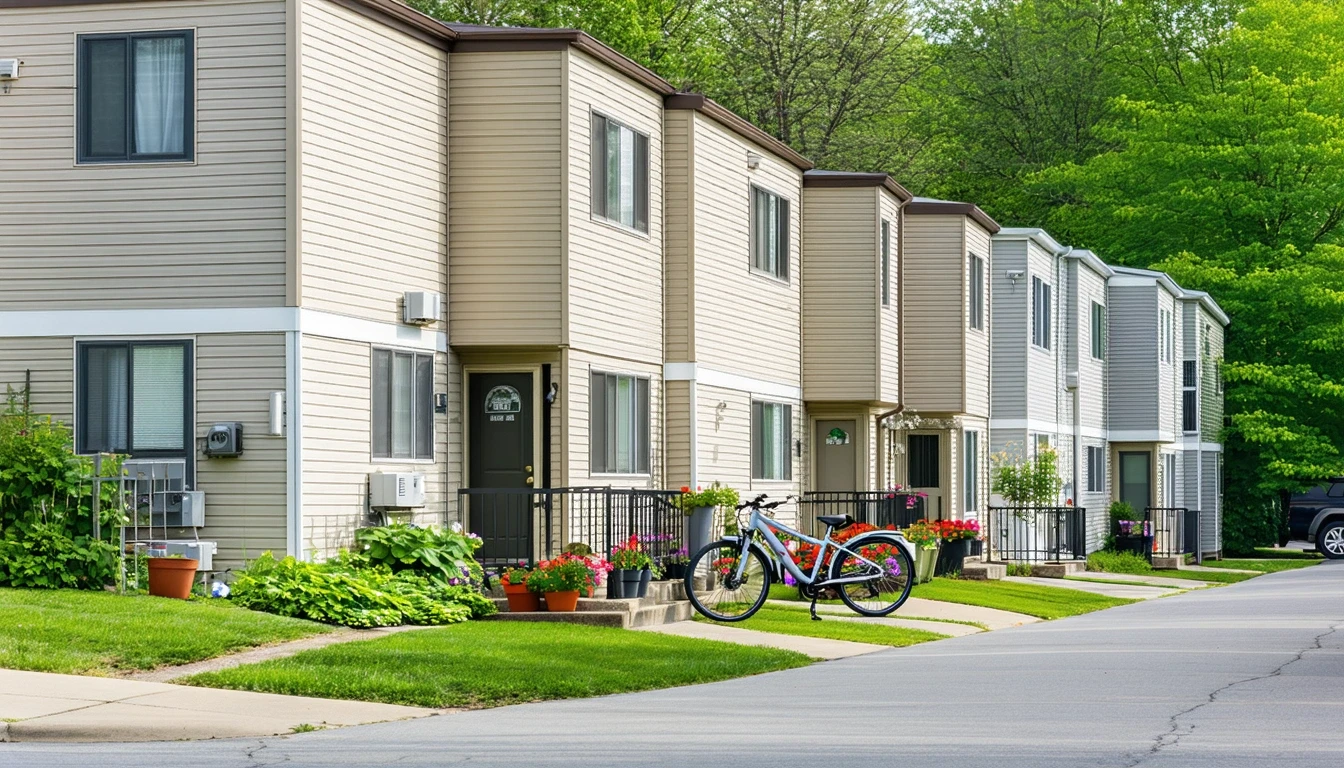
Housing represents the largest monthly expense for most households, and the differences between Maryland Heights and Florissant are significant. Maryland Heights offers a robust rental market with numerous apartment complexes, particularly along Dorsett Road and near Westport Plaza, catering to professionals working at nearby corporate campuses like Edward Jones and Express Scripts. Median rent for a two-bedroom apartment in Maryland Heights typically ranges from $1,150 to $1,400 per month, depending on amenities and proximity to shopping and dining. Three-bedroom single-family homes for rent are less common but generally command $1,600 to $2,000 monthly. The city’s housing stock trends newer, with many developments built in the 1990s and 2000s, which translates to modern layouts and energy-efficient construction.
Florissant, by contrast, presents a more owner-occupied housing landscape with a substantial inventory of older single-family homes. Rental options exist but are less abundant, with two-bedroom apartments typically ranging from $950 to $1,200 per month. Three-bedroom homes for rent in Florissant average $1,300 to $1,700, offering more square footage and yard space than comparable Maryland Heights properties at a lower price point. For homebuyers, the distinction becomes even sharper: median home prices in Maryland Heights hover around $240,000 to $270,000, while Florissant’s median sits closer to $180,000 to $210,000. This $50,000 to $60,000 gap reflects both housing age and neighborhood positioning within the metro.
Neighborhood nuances matter considerably in both cities. Maryland Heights’ premium areas near Creve Coeur Lake and along Fee Fee Road command higher prices, while sections closer to industrial zones offer more modest pricing. Florissant’s housing market varies from well-maintained mid-century neighborhoods with tree-lined streets to areas requiring more deferred maintenance. Inventory turnover in Maryland Heights tends to be faster, with properties spending less time on market due to corporate relocation demand. Florissant’s market moves more slowly but offers buyers greater negotiating leverage and opportunities for value purchases. Both cities have seen modest appreciation in 2024, with Maryland Heights experiencing slightly stronger upward pressure due to limited new construction and sustained employer demand.
| Housing Type | Maryland Heights | Florissant |
|---|---|---|
| 2-Bedroom Apartment (Rent) | $1,150 – $1,400/month | $950 – $1,200/month |
| 3-Bedroom Home (Rent) | $1,600 – $2,000/month | $1,300 – $1,700/month |
| Median Home Price | $240,000 – $270,000 | $180,000 – $210,000 |
For young professionals and dual-income couples without children, Maryland Heights’ rental market offers convenience, modern amenities, and shorter commutes to West County employment hubs, justifying the premium. Families prioritizing space, yard access, and lower monthly housing costs will find Florissant’s ownership market more accommodating, particularly if they’re willing to invest in updates to older homes. The $200 to $300 monthly savings on rent or the $50,000 lower purchase price in Florissant can meaningfully impact household budgets, freeing resources for other priorities.
Winner: Florissant — Lower housing costs across rental and ownership categories make Florissant the more affordable choice, especially for families and first-time buyers seeking maximum space per dollar.
Utilities and Energy Costs
Utility expenses in both Maryland Heights and Florissant are influenced by the same regional energy providers—Ameren Missouri for electricity and Spire for natural gas—but household costs vary based on home age, insulation quality, and square footage. Maryland Heights’ newer housing stock generally features better insulation, modern HVAC systems, and energy-efficient windows, which can reduce heating and cooling costs. Residents in newer apartment complexes often report monthly utility bills (electric, gas, water, and trash) totaling $120 to $180 for a two-bedroom unit. Single-family homes in Maryland Heights typically see combined utility costs of $180 to $250 monthly, with higher bills during summer air conditioning peaks and winter heating demand.
Florissant’s older housing inventory, much of it built in the 1960s through 1980s, often lacks the energy efficiency of newer construction. Residents frequently report higher heating costs during winter months, particularly in homes with original windows, minimal attic insulation, or aging furnaces. Monthly utility expenses for a three-bedroom single-family home in Florissant commonly range from $200 to $280, with spikes reaching $300 or more during extreme weather. Water and sewer rates in Florissant are comparable to Maryland Heights, though trash collection fees vary by provider and service level. Homeowners in both cities can benefit from Ameren’s energy efficiency rebate programs, which offer incentives for upgrading insulation, HVAC systems, and appliances.
Seasonal usage patterns affect both cities similarly, with July and August driving air conditioning costs and December through February elevating natural gas bills. However, the age differential in housing stock gives Maryland Heights a structural advantage in energy efficiency. Renters in Maryland Heights benefit from landlords who have absorbed the cost of modern systems, while Florissant homeowners may face capital expenses to improve efficiency. For households prioritizing predictable monthly expenses and lower environmental impact, Maryland Heights’ newer construction offers tangible savings. Florissant residents can mitigate higher costs through weatherization improvements, programmable thermostats, and participation in utility budget billing programs that smooth seasonal spikes.
Winner: Maryland Heights — Newer housing stock and better energy efficiency translate to lower and more predictable utility costs, particularly for renters and buyers in recently constructed properties.
Groceries and Daily Expenses
Grocery costs and daily expenses remain relatively consistent across the St. Louis metro, but access, convenience, and shopping options differ between Maryland Heights and Florissant. Maryland Heights boasts extensive retail infrastructure, including multiple Schnucks, Dierbergs, Whole Foods, and Trader Joe’s locations within a short drive. The concentration of grocery options creates competitive pricing and convenience for residents, with many households able to complete weekly shopping within a five-minute radius. A typical weekly grocery bill for a family of four in Maryland Heights runs $150 to $200, depending on dietary preferences and whether households favor budget chains or premium organic options. Dining out is abundant and varied, with casual restaurant meals averaging $12 to $18 per person and mid-range dinner entrees ranging from $16 to $28.
Florissant residents have solid grocery access through Schnucks, Dierbergs, and Walmart Supercenter locations, though the density of options is lower than in Maryland Heights. Weekly grocery costs for a comparable family typically fall in the $140 to $190 range, with modest savings available at discount grocers and big-box stores. Dining options in Florissant skew toward family-friendly chains and local establishments, with slightly lower average prices—casual meals around $10 to $15 per person and mid-range dinners from $14 to $24. Coffee culture is less developed in Florissant compared to Maryland Heights, where multiple specialty cafés and Starbucks locations cater to the professional demographic. A daily latte habit costs roughly the same in both cities ($4 to $6), but Maryland Heights offers more variety and convenience.
For singles and young professionals who dine out frequently and value walkable access to diverse food options, Maryland Heights provides greater convenience and selection, though at marginally higher cost. Families cooking at home will find minimal grocery price differences between the cities, with savings opportunities in both through strategic shopping at discount chains and bulk retailers. Household goods, personal care items, and incidentals are comparably priced, with both cities offering Target, Walmart, and Costco access within reasonable driving distance. The practical difference lies more in convenience and variety than in raw cost—Maryland Heights residents save time and gas with denser retail clustering, while Florissant shoppers may drive slightly farther but encounter less traffic and easier parking.
Winner: Florissant — Marginally lower restaurant prices and comparable grocery costs give Florissant a slight edge, particularly for budget-conscious families who prioritize value over variety.
Taxes and Fees
Tax structures significantly impact long-term affordability, and Maryland Heights and Florissant diverge meaningfully in this category. Property taxes in both cities are assessed by St. Louis County, but local tax rates and city-specific fees create notable differences. Maryland Heights levies a 1% earnings tax on residents who work within city limits and a 1% tax on non-residents working in the city, which affects households employed at local corporations. The city’s property tax rate is competitive within the county, with effective rates typically around 1.1% to 1.3% of assessed home value annually. For a $250,000 home, this translates to roughly $2,750 to $3,250 per year, or $230 to $270 monthly. Sales tax in Maryland Heights stands at 8.363%, reflecting combined state, county, and local rates.
Florissant does not impose an earnings tax, which immediately benefits working residents by preserving 1% of gross income. Property tax rates in Florissant are comparable to Maryland Heights, with effective rates around 1.2% to 1.4% depending on school district and fire protection district. A $200,000 home in Florissant typically incurs $2,400 to $2,800 annually in property taxes, or $200 to $233 monthly. Sales tax in Florissant is slightly lower at 8.238%, a modest difference that compounds over time for households making significant local purchases. Both cities charge standard utility fees for water, sewer, and trash collection, with Florissant’s rates slightly lower due to less infrastructure investment in newer developments.
The earnings tax distinction is critical for working residents. A household with two earners making a combined $100,000 annually and living in Maryland Heights pays an additional $1,000 per year if both work within city limits—a meaningful expense that Florissant residents avoid entirely. However, Maryland Heights uses earnings tax revenue to fund superior parks, recreation facilities, and public services, which some residents view as justifying the cost. Homeowners in both cities benefit from Missouri’s relatively low property tax burden compared to neighboring Illinois, but the absence of an earnings tax gives Florissant a structural advantage for working households. Renters indirectly pay property taxes through rent but are more directly impacted by sales tax on everyday purchases, where the difference between cities is negligible.
Winner: Florissant — The absence of an earnings tax and slightly lower sales tax rates make Florissant more tax-friendly for working residents, particularly dual-income households.
Cost Summary: Monthly Cost of Living in Maryland Heights vs Florissant
| Expense Category | Maryland Heights | Florissant |
|---|---|---|
| Housing (3BR Home, Mortgage) | $1,450 | $1,200 |
| Utilities (Electric, Gas, Water) | $200 | $240 |
| Groceries (Family of 4) | $700 | $680 |
| Transportation (Gas, Insurance) | $350 | $360 |
| Property Taxes (Monthly) | $250 | $215 |
| Miscellaneous (Dining, Entertainment) | $400 | $350 |
| Estimated Monthly Total | $3,350 | $3,045 |
The cost summary reveals a meaningful difference of approximately $305 per month, or $3,660 annually, favoring Florissant for a mid-size household. The primary driver is housing cost, where Florissant’s lower home prices reduce monthly mortgage payments by roughly $250. Utilities partially offset this advantage, with Florissant’s older housing stock adding about $40 monthly. Groceries, transportation, and miscellaneous expenses remain relatively comparable, though Maryland Heights’ denser retail and dining infrastructure encourages slightly higher discretionary spending. Property taxes favor Florissant by $35 monthly, and the absence of an earnings tax compounds savings for working residents.
For families prioritizing maximum affordability and willing to accept an older housing stock and slightly longer commutes, Florissant delivers substantial savings. Young professionals and dual-income households valuing convenience, modern amenities, and proximity to West County employment may find Maryland Heights’ premium justified despite higher costs. The $305 monthly difference is significant but not overwhelming—it represents a trade-off between lifestyle convenience and budget optimization rather than a stark affordability divide.
Estimates reflect 2025 costs for a mid-size household (3-bedroom home) using published regional data, local real estate benchmarks, and utility provider rates. Actual expenses will vary with household size, lifestyle choices, neighborhood selection, and individual consumption patterns. Mortgage estimates assume a 20% down payment and prevailing 2025 interest rates.
Lifestyle Fit
Beyond raw costs, lifestyle factors shape daily satisfaction and indirectly influence expenses. Maryland Heights offers a distinctly suburban-corporate environment with excellent access to I-270, Highway 40, and Page Avenue, making commutes to Clayton, Chesterfield, and downtown St. Louis highly manageable. Most residents rely on personal vehicles, as walkability is limited outside of specific apartment complexes and retail clusters like Westport Plaza. The city’s parks system is exceptional, featuring Aquaport water park, Fee Fee Nature Preserve, and extensive trail networks that appeal to active families and outdoor enthusiasts. Dining, shopping, and entertainment options are abundant and modern, with easy access to West County Mall, multiple movie theaters, and diverse restaurant scenes. Maryland Heights is ideal for professionals seeking convenience, modern amenities, and short commutes to corporate employment.
Florissant presents a more traditional suburban character with deeper community roots and historic neighborhoods. Commutes to downtown St. Louis and Lambert Airport are shorter than from Maryland Heights, but access to West County employment requires navigating I-270 traffic. Public transit options through MetroBus provide connectivity, though most residents drive. Florissant’s parks include the expansive Florissant Valley Park and James J. Eagan Center, offering recreation and community programming. The city’s dining and retail landscape is functional but less dense than Maryland Heights, with residents often traveling to nearby Hazelwood or Maryland Heights for broader shopping variety. Walkability varies by neighborhood, with older sections featuring sidewalks and tree canopy, while newer subdivisions are more car-dependent. Florissant suits families prioritizing space, community feel, and affordability over cutting-edge amenities.
Lifestyle differences indirectly affect costs in meaningful ways. Maryland Heights’ denser retail clustering reduces driving time and fuel expenses for errands, while newer housing stock lowers utility bills and maintenance costs. Florissant’s larger lots and older homes offer more space but require greater upkeep and energy consumption. Commute costs favor Florissant for downtown workers but penalize those employed in West County. For households with school-age children, both cities offer access to quality public and private schools, though specific district boundaries and performance metrics vary. Maryland Heights’ corporate presence creates networking and employment opportunities within the city, while Florissant’s residential focus fosters neighborhood cohesion and community events. Neither city offers significant walkable urban amenities, so car ownership and associated costs are unavoidable in both locations.
Frequently Asked Questions
Is Maryland Heights more affordable than Florissant in 2025?
No, Florissant is generally more affordable across housing, taxes, and overall monthly expenses. Maryland Heights offers newer amenities and conveniences but at a premium of approximately $300 per month for comparable households.
Are rental prices lower in Maryland Heights or Florissant?
Rental prices are lower in Florissant, with two-bedroom apartments typically $200 to $250 less per month than in Maryland Heights. However, Maryland Heights offers a larger rental inventory and more modern apartment complexes with updated amenities.
How do property taxes compare between Maryland Heights and Florissant in 2025?
Property tax rates are similar in both cities, but Maryland Heights imposes a 1% earnings tax on residents working within city limits, which Florissant does not. This makes Florissant more tax-friendly for working households, potentially saving $1,000 or more annually per earner.
Do utility bills tend to be higher in Maryland Heights or Florissant during the winter?
Utility bills are typically higher in Florissant during winter due to older housing stock with less efficient insulation and heating systems. Maryland Heights’ newer construction generally results in lower and more predictable utility costs year-round.
What is the average monthly cost of living for a family of four in Maryland Heights vs. Florissant?
A family of four can expect to spend approximately $3,350 per month in Maryland Heights compared to $3,045 in Florissant, reflecting a $305 monthly difference driven primarily by housing costs. Individual expenses vary with lifestyle choices, housing type, and neighborhood selection.
Conclusion
Choosing between Maryland Heights and Florissant ultimately depends on your priorities, life stage, and financial goals. Florissant emerges as the more affordable option, offering lower housing costs, no earnings tax, and comparable access to essential services and amenities. Families seeking maximum space per dollar, first-time homebuyers, and budget-conscious households will find Florissant’s value proposition compelling, particularly if they’re willing to invest in updates to older homes and accept slightly longer commutes to West County employment. The $3,660 in annual savings compared to Maryland Heights can meaningfully accelerate financial goals like debt reduction, retirement contributions, or college savings.
Maryland Heights, while more expensive, delivers tangible lifestyle benefits that justify the premium for many residents. Young professionals, dual-income couples, and households prioritizing convenience, modern amenities, and proximity to corporate employment will appreciate Maryland Heights’ superior retail density, newer housing stock, and shorter West County commutes. The city’s investment in parks, recreation, and public spaces creates a polished suburban environment that appeals to active families and those seeking a more contemporary living experience. For those who can absorb the higher costs, Maryland Heights offers a compelling blend of accessibility and quality of life.
Ready to explore your next home? Visit our Average Monthly Expenses in Maryland Heights, MO guide for detailed budget planning, or dive into our Living in Maryland Heights: Real Monthly Costs Explained resource for comprehensive expense breakdowns. If you’re planning a move, check out our guide to compare moving company costs and options to ensure a smooth transition to your new city. IndexYard provides the data and insights you need to make confident relocation decisions—explore our resources today.