
Maryland Heights is considered moderately priced in 2025, with average rent for a 2-bedroom apartment around $1,400 and overall costs for housing, groceries, utilities, and taxes tracking close to the national average, making it an accessible option for families and professionals in the St. Louis metro area.
A couple planning to settle in Maryland Heights can expect to need approximately $5,200 in gross monthly income to cover housing, utilities, groceries, transportation, and taxes comfortably. For context, the median household income in this West County suburb sits near $68,000 annually, placing many middle-class families within reach of a stable lifestyle here. Understanding the true cost of living in Maryland Heights requires looking beyond rent or mortgage payments to include the full spectrum of monthly obligations—from natural gas bills that spike in January to property taxes that fund some of the region’s better school districts.
Maryland Heights occupies a strategic position in St. Louis County, blending suburban calm with corporate presence. Major employers like Express Scripts and Centene have shaped the local economy, drawing professionals who value short commutes and family-friendly neighborhoods. Yet affordability varies block by block, and smart budgeting means accounting for both visible expenses like groceries and hidden costs such as trash service fees or HOA assessments. This guide breaks down every major category to help you build a realistic monthly budget for 2025.
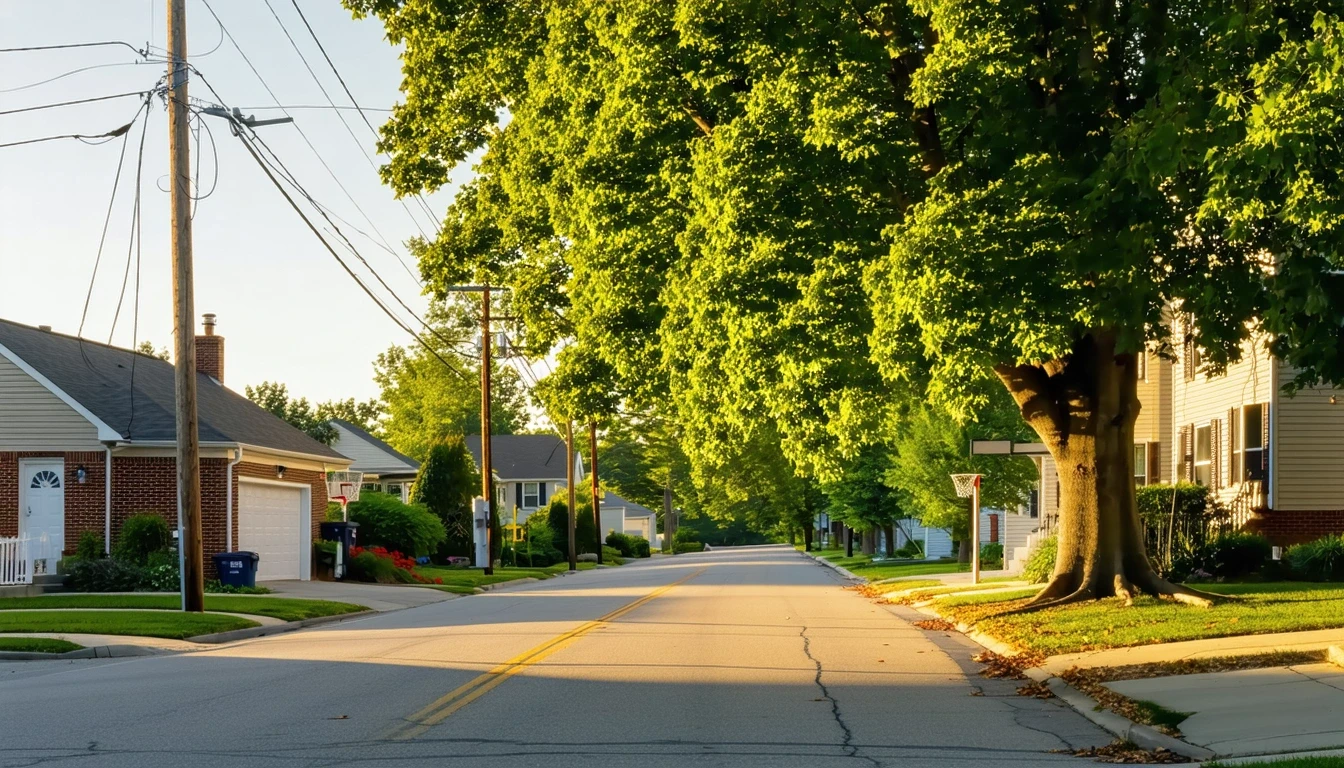
Housing Costs in Maryland Heights
Rental inventory in Maryland Heights skews toward garden-style apartments and townhome communities, with two-bedroom units typically ranging from $1,250 to $1,550 per month. Complexes near Page Avenue and I-270 often include amenities like fitness centers and pools, while older properties along Dorsett Road may offer lower rents but fewer updates. Renters should budget an additional $25 to $50 monthly for trash valet or covered parking, common add-ons in managed communities.
Homebuyers face a median sale price around $320,000 for a three-bedroom single-family home, though inventory varies widely. Established neighborhoods near Creve Coeur Park command premiums for walkability and mature trees, while newer subdivisions off McKelvey Road attract families seeking modern floor plans and two-car garages. Property taxes in Maryland Heights average 1.15% of assessed value, translating to roughly $3,680 annually on a $320,000 home—higher than Missouri’s rural counties but competitive within St. Louis County. Homeowners should also anticipate $150 to $300 per year in trash and sewer fees billed separately by the city.
| Neighborhood Type | 2BR Rent | 3BR Home Price |
|---|---|---|
| Near Creve Coeur Park | $1,450–$1,650 | $340,000–$410,000 |
| Page/I-270 Corridor | $1,300–$1,500 | $295,000–$350,000 |
| McKelvey/Dorsett Area | $1,200–$1,400 | $280,000–$330,000 |
Homeowners associations are less common here than in newer exurban developments, but townhome clusters may levy $100 to $200 monthly for lawn care and snow removal. Always request HOA financials during the buying process to avoid surprises. For renters, lease terms typically require one month’s rent as deposit, and some landlords charge non-refundable pet fees of $250 to $400 per animal.
Utilities and Energy Bills
Ameren Missouri serves Maryland Heights with both electricity and natural gas, and monthly utility costs reflect the region’s humid continental climate. Electric bills average $110 to $140 per month for a 1,000-square-foot apartment, climbing to $160 or more in July and August when air conditioning runs continuously. Three-bedroom homes often see summer peaks near $200, especially in older construction with single-pane windows and minimal insulation.
Natural gas heating drives winter expenses, with January and February bills reaching $90 to $130 for typical single-family homes. Mild spring and fall months drop gas costs to $30 or less, used primarily for water heating and cooking. Water and sewer service, billed by the city, runs $50 to $70 bimonthly for average households, while trash collection adds another $18 to $22 per month depending on service tier. Internet and cable packages from Spectrum or AT&T Fiber range from $70 for basic broadband to $150 for bundled TV and gigabit speeds.
| Utility Type | Avg Monthly Cost |
|---|---|
| Electricity (1,000 sq ft) | $120 |
| Natural Gas (heating season) | $85 |
| Water & Sewer | $60 |
| Trash Collection | $20 |
| Internet (broadband) | $75 |
Seasonal swings are predictable: budget an extra $50 to $80 monthly from June through August for cooling, and a similar cushion from December through February for heating. Programmable thermostats and LED bulbs offer modest savings, but the real lever is home efficiency—newer builds with spray-foam insulation and Energy Star appliances can cut utility costs by 20% or more compared to 1980s-era housing stock.
Groceries and Daily Expenses
Grocery shopping in Maryland Heights centers on chains like Schnucks, Dierbergs, and Walmart Supercenter, with Aldi and Trader Joe’s offering budget-friendly alternatives. A single adult typically spends $320 to $450 per month on groceries, while couples often land between $550 and $750 depending on dietary preferences and reliance on convenience items. Families of four should plan for $900 to $1,200 monthly, accounting for school lunches, snacks, and weekend meals.
| Item | Typical Price |
|---|---|
| Gallon of Milk | $3.50 |
| Dozen Eggs | $2.80 |
| Loaf of Bread | $2.20 |
| Chicken Breast (lb) | $4.10 |
| Ground Beef (lb) | $5.30 |
| Rice (1 lb) | $1.60 |
| Seasonal Produce (lb) | $2.00 |
| Coffee (12 oz) | $6.50 |
Dining out remains popular, with casual restaurants along Page Avenue and Dorsett Road charging $12 to $18 per entrée. A family dinner at chains like Olive Garden or Texas Roadhouse runs $60 to $80 before tip, while quick-service options (Panera, Chipotle) average $10 to $14 per person. Couples who eat out twice weekly should budget an additional $250 to $350 monthly beyond groceries.
Household essentials—paper goods, cleaning supplies, personal care—add another $80 to $120 per month for a typical household. Warehouse clubs like Sam’s Club and Costco (located nearby in Bridgeton) offer bulk savings on diapers, laundry detergent, and toiletries, often cutting per-unit costs by 30% compared to grocery chains. Pharmacy co-pays and over-the-counter medications contribute another $40 to $70 monthly for families managing chronic conditions or seasonal allergies.
Transportation and Commute Costs
Maryland Heights is car-dependent, with most residents driving to work, errands, and recreation. Gasoline prices hover near $2.90 per gallon in 2025, and the average commuter logs 25 to 35 minutes each way to downtown St. Louis or Clayton. A typical driver covering 1,200 miles monthly in a midsize sedan (28 mpg) spends roughly $125 on fuel, plus $60 to $90 for full-coverage auto insurance.
Metro Transit operates limited bus service along Page Avenue, but frequency and coverage make it impractical for most commuters. Households should budget for vehicle maintenance—oil changes every 5,000 miles ($45), tire rotations ($25), and annual registration fees around $50. Parking is free at most apartments and workplaces, though downtown St. Louis garages charge $8 to $15 daily if your job requires occasional office visits.
Families with multiple drivers face higher costs: a second vehicle adds $100 monthly in insurance, plus duplicate fuel and maintenance. Ride-hailing (Uber, Lyft) is available but expensive for regular use—airport trips to Lambert run $25 to $35 each way. Biking infrastructure is minimal, limited to a few recreational trails, so cycling as primary transportation remains rare outside fitness enthusiasts.
Taxes and Hidden Fees
Maryland Heights levies a 1% local sales tax on top of Missouri’s 4.225% state rate and St. Louis County’s 3.513%, bringing the combined rate to 8.738% on most purchases. Groceries are taxed at a reduced 4.725%, while restaurant meals and retail goods face the full rate. This adds roughly $70 to $100 monthly to a household’s effective cost of living compared to states with no sales tax.
Property taxes, as noted, average 1.15% of assessed value, collected by St. Louis County and distributed among the city, school district, and special districts. A $320,000 home generates about $307 monthly in property tax, typically escrowed into mortgage payments. Renters indirectly pay these taxes through higher rents, though the burden is less visible.
- Trash and sewer surcharges: Billed separately from water, often $18–$22/month.
- Vehicle personal property tax: Missouri assesses an annual tax on car value, typically $150–$300 for newer vehicles.
- HOA fees: Where applicable, $100–$200/month for townhomes and condos.
- Permit fees: Fence installation ($50), deck construction ($75), and other home improvements require city permits.
- Pet licenses: $10 annually per dog or cat, required by city ordinance.
Homeowners should also budget for annual inspections if selling or refinancing—home inspections run $350 to $500, while termite inspections add another $75. These aren’t monthly costs but can surprise first-time buyers unfamiliar with Missouri’s real estate norms.
Monthly Budget Breakdown for Maryland Heights
Pulling together all major expense categories, here’s how monthly costs stack up for three common household types. These figures assume moderate lifestyle choices—eating out occasionally, driving a reliable used car, and living in typical housing for each group.
| Expense Category | Single Adult | Couple | Family of Four |
|---|---|---|---|
| Housing (rent or mortgage) | $1,100 | $1,650 | $2,200 |
| Utilities | $180 | $240 | $310 |
| Groceries | $380 | $650 | $1,050 |
| Transportation | $220 | $380 | $520 |
| Taxes & Fees | $90 | $140 | $190 |
| Miscellaneous | $180 | $280 | $450 |
| Total Monthly | $2,150 | $3,340 | $4,720 |
Methodology: These 2025 estimates for Maryland Heights draw on publicly available national and regional sources including the U.S. Census Bureau, Bureau of Economic Analysis (BEA), Bureau of Labor Statistics (BLS), and Federal Reserve Economic Data (FRED). Where city-specific figures are unavailable, safe regional ranges are applied (e.g., typical 2BR rents, grocery costs per adult). All amounts are expressed as gross monthly income (pre-tax) and rounded to whole dollars. Actual expenses vary by household size, lifestyle, and neighborhood choice.
To live comfortably—covering these essentials plus modest savings and discretionary spending—a single adult should target $3,200 gross monthly income, a couple around $5,200, and a family of four near $7,500. These figures assume employer-sponsored health insurance; adding individual marketplace premiums would increase requirements by $300 to $600 monthly.
Lifestyle Considerations and Quality of Life
Maryland Heights offers a suburban rhythm: quiet streets, ample parking, and proximity to corporate campuses that shorten commutes for many residents. The tradeoff is limited walkability—running errands means driving to strip malls along Page or Dorsett, and nightlife requires a trip to Clayton or the Central West End. Families appreciate the access to Creve Coeur Park’s trails and picnic areas, while young professionals sometimes find the suburb sleepy compared to urban neighborhoods.
Choosing housing closer to I-270 raises rent slightly but cuts commute time and fuel costs, a worthwhile swap for anyone working in West County or St. Charles. Conversely, homes near the northern edge of the city offer lower prices but add 10 to 15 minutes to drives toward downtown or Clayton. Balancing these factors means calculating not just rent but total monthly transportation spend.
Childcare is a major consideration for families: daycare centers charge $1,000 to $1,400 per month for infants, with rates dropping to $800 to $1,100 for preschoolers. The Pattonville and Hazelwood school districts serve Maryland Heights, offering public education that many families find adequate, though some opt for private or parochial schools at $5,000 to $12,000 annually per child. These costs aren’t reflected in the base budget table but can reshape household finances significantly.
Frequently Asked Questions
Is Maryland Heights more affordable than Clayton or Creve Coeur in 2025? Yes, Maryland Heights generally offers lower housing costs than Clayton’s upscale neighborhoods and Creve Coeur’s premium lakefront properties, making it a practical choice for families seeking West County schools and amenities without the highest price tags. Rent and home prices here run 15% to 25% below those inner-ring suburbs.
What is a realistic monthly budget for a couple in Maryland Heights? A couple should plan for approximately $3,340 in essential expenses (housing, utilities, groceries, transportation, taxes), with total gross income needs around $5,200 monthly to allow for savings, entertainment, and unexpected costs. This assumes renting a two-bedroom apartment and moderate lifestyle choices.
Do utilities cost more in Maryland Heights than in other St. Louis suburbs? Utility rates are consistent across Ameren Missouri’s service area, so Maryland Heights pays the same per-kilowatt-hour as neighboring cities like Bridgeton or Overland. Actual bills vary by home size and efficiency, but there’s no rate premium specific to this city.
How much does a family of four spend in Maryland Heights per month? A family of four typically spends $4,720 monthly on housing, utilities, groceries, transportation, and taxes, requiring gross household income near $7,500 to maintain comfortable margins for savings and discretionary spending. Childcare or private school tuition would increase this significantly.
Are property taxes higher in Maryland Heights than in St. Charles County? Yes, St. Louis County’s combined property tax rates (city, school, special districts) average around 1.15%, while many St. Charles County municipalities fall closer to 0.95% to 1.05%. However, Maryland Heights’ rates remain competitive within St. Louis County and fund well-regarded services and schools.
Is it cheaper to rent or buy in Maryland Heights right now? With median home prices around $320,000 and moving costs to consider, buying makes sense for households planning to stay five years or more, as monthly mortgage payments (including taxes and insurance) often match or slightly exceed rent. Renters gain flexibility, while buyers build equity and lock in housing costs against future inflation.
What hidden costs should I budget for when moving to Maryland Heights? Beyond rent or mortgage, plan for separate trash and sewer fees ($18–$22/month), vehicle personal property tax ($150–$300 annually), possible HOA dues ($100–$200/month in some communities), and higher sales tax (8.738%) that adds to everyday purchases. Pet owners also need annual licenses at $10 per animal.
How does the cost of living in Maryland Heights compare to the national average? Maryland Heights tracks close to the national average, with housing and groceries slightly below coastal metros but above rural areas. The overall cost index sits near 100, meaning a household budget here resembles what you’d need in many mid-sized Midwestern cities, though specific categories like utilities and taxes reflect Missouri’s regulatory environment.