
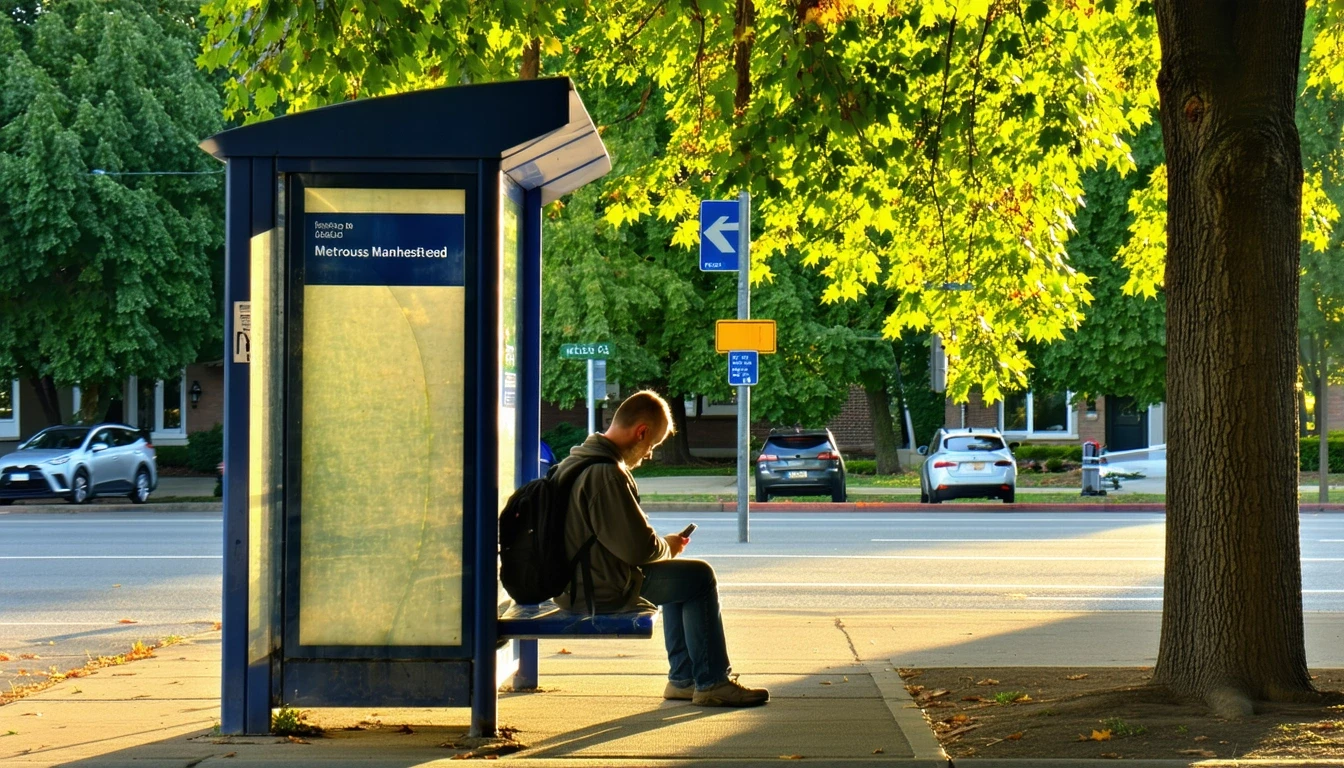
Transit Coverage and Average Ride Times in Kirkwood
| Transit Type | Coverage in Kirkwood | Avg. Ride Time to Downtown STL |
|---|---|---|
| MetroBus Local Routes | Limited service on main corridors | 45–55 minutes |
| MetroLink Light Rail | No direct service (nearest: Shrewsbury-Lansdowne I-44) | ~10 min drive + 25 min rail |
| Park & Ride Options | Available at nearby MetroLink stations | Varies by station access |
What You’ll Spend on Transit in Kirkwood
Understanding public transportation costs in Kirkwood starts with recognizing that this St. Louis County suburb operates primarily as a car-oriented community with limited but functional bus connections to the broader Metro Transit system. While Kirkwood doesn’t have its own dedicated transit authority, residents can access MetroBus routes along major corridors like Manchester Road and Big Bend Boulevard, connecting to downtown St. Louis and neighboring communities. A standard one-way MetroBus fare costs $2.50, with transfers available for an additional $0.25 within two hours of initial boarding.
For regular commuters, Metro Transit offers several pass options that reduce per-ride costs significantly. A 30-day unlimited MetroBus pass costs $78, making it economical for anyone riding more than 32 times per month. Weekly passes run $25, while discounted fares are available for seniors (age 65+), persons with disabilities, and Medicare cardholders at $1.25 per ride or $39 for a monthly pass. Students with valid school IDs can also access reduced fares through participating institutions.
With a COLI of 92.3, overall living costs in Kirkwood trend below the U.S. average, which often extends to transit and commuting. However, the reality for most Kirkwood residents is that public transit serves as a supplemental option rather than a primary transportation method. Service frequency varies considerably—some routes run every 30 minutes during peak hours but drop to hourly or less during midday and evenings. Weekend service is particularly sparse, which affects the practical value of monthly passes for those who don’t commute five days weekly to predictable destinations.
How to Get Around Kirkwood
Kirkwood’s transit landscape reflects its position as an established inner-ring suburb with a historic downtown core but predominantly residential neighborhoods built around automobile access. MetroBus operates several routes through Kirkwood, with the most relevant being Routes 31 (Chouteau), 57 (Chippewa), and 95 (Manchester), which provide connections to Clayton, downtown St. Louis, and other employment centers. These buses primarily serve main arterial roads, meaning residents in quieter residential areas typically need to walk 10–20 minutes to reach the nearest stop.
The nearest MetroLink light rail access requires a short drive or bus connection to stations in Shrewsbury or Maplewood. Kirkwood does not have direct light rail service, but the Shrewsbury-Lansdowne I-44 station sits approximately three miles northeast and offers park-and-ride facilities with 506 spaces. This station connects to both the Red and Blue MetroLink lines, providing access to Lambert Airport, downtown St. Louis, and Illinois employment centers in approximately 25–30 minutes of rail time, though total door-to-door commutes typically exceed 45 minutes when accounting for driving and waiting time.
Key transit options for Kirkwood residents include:
- MetroBus local routes along Manchester, Big Bend, and Kirkwood Road with 30–60 minute frequencies
- Park-and-ride connections to MetroLink stations in Shrewsbury and Maplewood
- Call-A-Ride paratransit service for eligible residents with disabilities ($4 per trip within service area)
- Regional express connections to major employment hubs during weekday peak hours
Monthly Cost Breakdown
Transit expenses vary significantly based on commuting patterns and frequency. The following table compares estimated monthly costs for three common rider profiles using 2025 Metro Transit fares:
| Rider Profile | Usage Pattern | Estimated Monthly Cost |
|---|---|---|
| 5-Day Weekly Commuter | Round-trip bus rides, 20 days/month | $78 (monthly pass) |
| Weekend-Only User | 4–6 round trips per month | $20–$30 (pay-per-ride) |
| Heavy Daily Commuter | Bus + MetroLink combination, 22+ days | $78–$95 (pass + parking or connections) |
| Car Commuting Alternative | 15-mile daily commute (gas at $2.79/gal, 25 mpg) | ~$67 gas only (excludes parking, insurance, maintenance) |
Methodology note: Estimates reflect 2025 Metro Transit fares for standard adult riders. Car commuting costs assume a 15-mile one-way commute at current Kirkwood gas prices ($2.79/gallon) with a vehicle averaging 25 mpg, calculated for 20 commuting days monthly. This excludes parking fees ($5–$15 daily downtown), insurance, maintenance, and vehicle depreciation, which typically add $200–$400 monthly for regular commuters.
For riders combining MetroBus and MetroLink, the monthly pass covers both systems, making it cost-effective for those whose commutes require transfers. However, occasional riders spending less than $32 monthly on transit should stick with pay-per-ride options rather than purchasing monthly passes. Students and seniors benefit substantially from discounted passes at $39 monthly, reducing the break-even point to just 16 round trips.
Is Public Transit Worth It in Kirkwood?
The value proposition of public transit in Kirkwood depends heavily on where you live, where you work, and how you define “worth it.” For residents living near Manchester Road or Big Bend Boulevard with jobs in Clayton or downtown St. Louis, MetroBus provides a viable alternative that eliminates parking costs ($150–$250 monthly downtown) and reduces vehicle wear. The average bus commute from Kirkwood to downtown takes 45–55 minutes depending on route and time of day, compared to 25–35 minutes driving during off-peak hours—but potentially matching or beating drive times during morning and evening rush periods when I-64/US 40 experiences heavy congestion.
However, service frequency remains the primary limitation. Routes operating every 30–60 minutes mean missing a bus can add significant time to your commute, and evening service often ends by 8–9 PM on weekdays, earlier on weekends. For shift workers, evening service employees, or anyone with irregular schedules, transit becomes impractical despite the cost savings. Neighborhoods south of Manchester Road or in western Kirkwood have particularly limited walkable access to transit stops, often requiring 15–20 minute walks that become prohibitive in inclement weather.
The financial comparison becomes clearer when examining total transportation costs. A household maintaining one vehicle instead of two saves approximately $4,000–$6,000 annually in insurance, registration, maintenance, and depreciation—far exceeding the $936 annual cost of a MetroBus pass. With gas at $2.79/gallon, even a modest transit system can be cheaper than driving daily, particularly when downtown parking and vehicle operating costs are factored. Kirkwood’s walkable downtown district and established neighborhoods near transit corridors offer the best opportunities for car-light living, though most residents still find vehicle ownership necessary for grocery shopping, family activities, and reaching destinations beyond main bus routes.
Ways to Save on Transit
Strategic use of Metro Transit’s fare structure can reduce transportation expenses significantly for regular riders. The most straightforward savings comes from purchasing monthly passes instead of paying per ride—anyone commuting more than 16 days monthly (32 one-way trips) saves money with the $78 unlimited pass. Weekly passes at $25 offer similar value for shorter-term needs, breaking even at just five round trips.
Many St. Louis area employers participate in the Metro Transit Corporate Pass Program, offering subsidized or fully-paid transit passes as an employee benefit. Pre-tax commuter benefits through employers allow workers to set aside up to $315 monthly (2025 IRS limit) for transit expenses using pre-tax dollars, effectively reducing pass costs by 20–30% depending on tax bracket. Kirkwood residents should inquire with HR departments about these programs, which benefit both employees and employers through payroll tax savings.
Additional savings strategies include:
- Use free two-hour transfers when paying cash fares to connect between routes without additional charges
- Apply for reduced fare programs if eligible (seniors, persons with disabilities, Medicare cardholders pay 50% less)
- Combine park-and-ride with MetroLink to avoid downtown parking fees while maintaining schedule flexibility
- Purchase passes at the beginning of the month to maximize usage days and avoid mid-month pro-rating confusion
- Download the Metro Transit app for real-time arrival information, reducing wait times and improving connection planning
🏆 Tip: In Kirkwood, using a monthly pass instead of daily cash fares can save frequent commuters up to 38% per month—the difference between $78 for unlimited rides versus $100+ paying $2.50 per trip for 40+ rides. For households able to eliminate a second vehicle entirely, transit savings compound dramatically when insurance, maintenance, and depreciation are included in the calculation.
FAQs About Transit in Kirkwood
What is the cheapest way to get around Kirkwood in 2025?
For occasional trips, paying the $2.50 cash fare per ride remains most economical if you travel fewer than 16 days monthly. Regular commuters save significantly with the $78 monthly unlimited pass, while seniors and persons with disabilities should use the reduced $39 monthly pass, which breaks even at just eight round trips.
Does Kirkwood offer park-and-ride or express bus options for commuters?
Kirkwood itself doesn’t operate dedicated park-and-ride facilities, but residents can access Metro Transit park-and-ride lots at nearby MetroLink stations in Shrewsbury (506 spaces) and Maplewood. These stations offer free parking and connect to both Red and Blue MetroLink lines, providing express rail service to downtown St. Louis, Clayton, and Lambert Airport in 25–35 minutes.
How does the cost of public transportation in Kirkwood compare to driving?
A monthly MetroBus pass costs $78 compared to approximately $67 in gas alone for a typical 15-mile daily commute at current Kirkwood prices. However, driving also incurs parking ($150–$250 monthly downtown), insurance, maintenance, and depreciation, making transit substantially cheaper for regular commuters—potentially saving $200–$400 monthly when all vehicle costs are included.
Are weekend and holiday transit schedules different in Kirkwood?
Yes, MetroBus routes serving Kirkwood operate on reduced weekend schedules with longer intervals between buses (often 60+ minutes) and earlier end times. Holiday service is further limited, with some routes not operating at all on major holidays like Thanksgiving and Christmas. Always check the Metro Transit website or app for specific holiday schedules before planning weekend or holiday trips.
What discounts are available for students, seniors, or low-income riders in Kirkwood?
Seniors age 65+, persons with disabilities, and Medicare cardholders receive 50% fare discounts ($1.25 per ride, $39 monthly pass). Students at participating schools can access reduced fares with valid student IDs. Metro Transit also offers a Reduced Fare Program for qualifying low-income riders, though eligibility requirements and application processes vary—contact Metro Transit directly at 314-982-1406 for current program details.
Getting Around Smarter in Kirkwood
Public transportation in Kirkwood functions best as part of a multi-modal strategy rather than a complete car replacement for most households. Residents living near major bus corridors with jobs in downtown St. Louis, Clayton, or other well-served employment centers can realistically budget $78–$95 monthly for transit, particularly when combining MetroBus with park-and-ride MetroLink connections. Occasional riders spending fewer than 16 days monthly on transit should plan $20–$40 using pay-per-ride fares, while seniors and eligible discount recipients can cut these costs in half.
The strongest case for transit in Kirkwood emerges when comparing total transportation costs rather than just fare-versus-gas calculations. A household reducing from two vehicles to one saves $4,000–$6,000 annually even after purchasing monthly transit passes, while downtown commuters avoid $150–$250 monthly parking fees. With gas at $2.79/gallon, even modest transit use reduces transportation expenses, though service limitations mean most Kirkwood families still maintain at least one vehicle for flexibility, weekend activities, and reaching destinations beyond bus routes.
For newcomers evaluating whether transit fits their lifestyle, consider proximity to Manchester Road, Big Bend Boulevard, or Kirkwood Road when choosing housing—these corridors offer the most frequent service and best connections to regional employment centers. Test your specific commute during a typical workday before committing to a car-light lifestyle, paying attention to wait times, transfer points, and evening service availability. Ready to understand how transportation fits into your overall monthly budget? Explore our complete cost breakdowns to see how Kirkwood’s transit options compare to housing, utilities, and other essential expenses, helping you make informed decisions about where to live and how to get around this established St. Louis suburb.