
When you compare grocery prices in Kirkwood to the national average, this St. Louis County suburb tracks closely with broader U.S. trends—but with a few local twists. Nationwide, the USDA estimates that two adults following a moderate-cost plan spend roughly $600–$700 per month on groceries in 2025, and Kirkwood households fall comfortably within that range. The average grocery bill for two adults in Kirkwood is about $650 per month. That figure reflects a balanced mix of fresh produce, proteins, dairy, and pantry staples purchased from a variety of local retailers. Of course, your actual spending will shift depending on whether you favor organic brands, shop discount chains, or lean toward premium grocers—but the baseline remains competitive with similar Midwestern metros.
Kirkwood’s grocery landscape benefits from both its proximity to greater St. Louis and its own cluster of well-established supermarkets. Residents enjoy access to national chains, regional favorites, and specialty stores, all within a short drive. Prices here don’t carry the premiums you might see in coastal metros, nor do they dip to the rock-bottom levels of more rural Missouri towns. Instead, Kirkwood sits in a sweet spot: competitive pricing on everyday items, seasonal variety from nearby farms, and enough store competition to keep weekly specials attractive. For a couple cooking most meals at home, that translates to predictable budgets and manageable grocery runs.
Understanding what drives your monthly budget starts with knowing what individual items actually cost on local shelves. In the sections that follow, we’ll break down item-by-item pricing, explain how store choice affects your total, and share practical strategies to keep your grocery spending in check without sacrificing quality or variety.
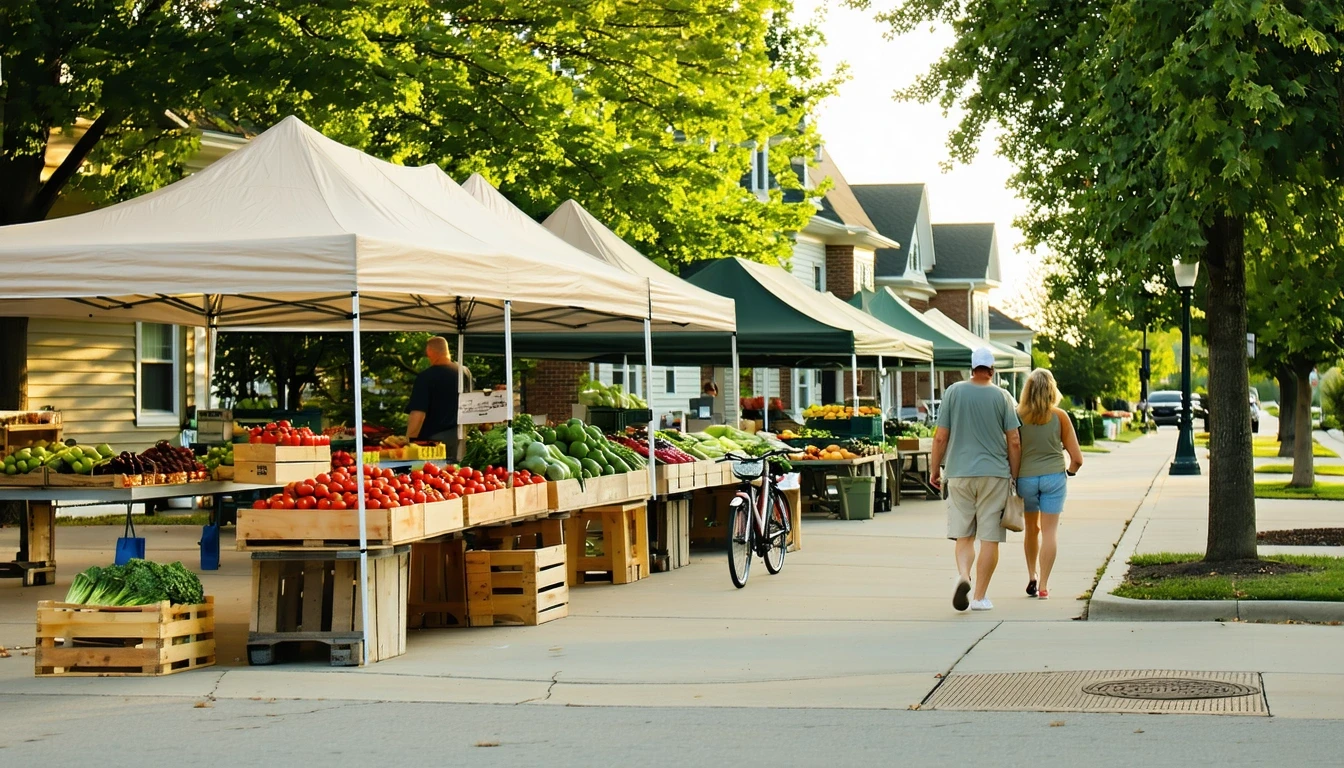
Item-by-Item Price Snapshot
To give you a clear picture of what two adults will encounter at the register, here’s a snapshot of common grocery staples in Kirkwood as of early 2025. These prices reflect a mix of conventional brands at mid-range supermarkets; organic or specialty items typically add 20–40 percent to the totals below.
| Item | Price |
|---|---|
| Milk (gallon) | $3.89 |
| Eggs (dozen, large) | $3.49 |
| Bread (loaf, white or wheat) | $2.79 |
| Chicken breast (per lb) | $4.29 |
| Ground beef (per lb, 85% lean) | $5.49 |
| Rice (long-grain, per lb) | $1.19 |
| Apples (per lb) | $1.99 |
| Bananas (per lb) | $0.59 |
| Potatoes (5 lb bag) | $3.99 |
| Cheddar cheese (8 oz block) | $3.29 |
| Coffee (12 oz ground) | $6.99 |
| Snack crackers (box) | $3.49 |
Seasonal swings do affect fresh produce—expect apples and stone fruit to dip in late summer and early fall, while berries peak in May and June. Many Kirkwood shoppers also take advantage of weekly flyers and digital coupons, which can shave another 10–15 percent off the bill when timed well. If you’re flexible about brands and willing to stock up during promotions, these baseline prices become even more manageable.
It’s also worth noting that Kirkwood’s location near regional distribution hubs keeps supply chains efficient. Dairy, eggs, and bread rarely see the dramatic spikes that can hit more isolated markets, and competition among stores ensures that no single retailer can hold prices artificially high for long. For a couple planning weekly menus, this stability makes budgeting straightforward and reduces the need for last-minute substitutions.
Where People Shop (and How It Affects Your Bill)
Store choice plays a significant role in what two adults ultimately spend each month. Kirkwood residents have access to a range of grocery formats, from full-service supermarkets with extensive deli and bakery sections to no-frills discount chains that focus on everyday low prices. Choosing the right mix for your household can mean the difference between a $550 bill and a $750 bill—even when buying nearly identical items.
Premium grocers in the area offer organic produce, specialty cheeses, prepared meals, and curated wine selections. Shopping exclusively at these stores will push your monthly total toward the upper end of the range, but many couples find value in splitting their trips: staples and bulk items from a discount chain, fresh produce and proteins from a mid-range supermarket, and occasional treats or specialty ingredients from a premium grocer. That hybrid approach balances quality, convenience, and cost.
Mid-range supermarkets dominate Kirkwood’s grocery landscape. These stores stock national brands alongside store-label alternatives, run frequent promotions, and maintain loyalty programs that reward repeat visits. For most two-adult households, a mid-range chain serves as the primary shopping destination, supplemented by occasional trips to discount outlets for pantry staples or premium stores for special occasions. This tiered strategy keeps the average monthly spend close to that $650 benchmark while preserving flexibility and variety.
How We Built the Two-Adult Estimate
Our $650 monthly estimate for two adults in Kirkwood reflects a moderate-cost grocery plan: home-cooked breakfasts and dinners most days, packed lunches several times a week, and occasional convenience items like pre-washed salad greens or rotisserie chicken. We assume a balanced diet with lean proteins, whole grains, fresh produce, dairy, and a modest allocation for snacks, coffee, and condiments. Quantities are scaled to avoid waste—two adults don’t need the same bulk purchases as a family of four—but still allow for leftovers and meal prep.
The figure draws on 2025 pricing data from national sources including the USDA Economic Research Service, Bureau of Labor Statistics Consumer Price Index, and Census Bureau household expenditure surveys, adjusted to reflect Kirkwood’s cost structure. We cross-referenced item-level prices from local supermarkets and applied typical consumption patterns for a two-person household. Monthly totals are rounded to the nearest $50 and will vary depending on store selection, brand loyalty, and how often you take advantage of sales or seasonal produce.
It’s also important to note that this estimate assumes minimal dining out—most meals are prepared at home. Couples who eat out more frequently or rely on meal kits and delivery services will see their combined food spending rise significantly. Conversely, households that batch-cook, buy in bulk, and stick to store brands can often bring the monthly total closer to $550 or even lower. The $650 figure represents a realistic middle ground for two adults who value both quality and economy.
Budget-Friendly Ways to Save
Even within Kirkwood’s competitive grocery market, there are plenty of opportunities to trim your bill without sacrificing nutrition or variety. The most effective strategies combine smart shopping habits with a willingness to adjust menus based on what’s on sale. Loyalty programs at major chains offer digital coupons, personalized discounts, and fuel rewards that add up quickly. Signing up takes minutes, and the savings often cover the cost of one or two items per trip—enough to offset a few dollars each week.
Buying in bulk makes sense for shelf-stable staples like rice, pasta, canned tomatoes, and dried beans. A 10-pound bag of rice costs less per serving than multiple one-pound boxes, and the same logic applies to oats, flour, and cooking oils. If you have pantry space, stocking up during sales ensures you’re never paying full price for basics. Rotating between discount chains for these items can yield even deeper savings, especially when combined with store coupons or cashback apps.
Here are a few more tactics that Kirkwood shoppers use to keep grocery costs in check:
- Plan weekly menus around sale flyers and seasonal produce to maximize value and freshness.
- Buy store-brand items for pantry staples—quality is often identical to national brands at 20–30 percent lower cost.
- Prep coffee at home instead of daily café runs; a 12-ounce bag yields roughly 30 cups, saving $4–$5 per day compared to coffeehouse pricing.
- Freeze leftovers and batch-cook soups, casseroles, or grains to reduce waste and avoid last-minute takeout.
- Shop midweek when stores restock and markdowns on meat, bakery, and deli items are most common.
- Use cashback or rewards credit cards for grocery purchases to reclaim 1–3 percent of your spending.
- Join a wholesale club if you have storage space and can commit to larger pack sizes—ideal for paper goods, cleaning supplies, and frozen proteins.
One standout tip: brewing coffee at home instead of stopping at a café every morning can save a couple $200–$300 per month. A $6.99 bag of ground coffee produces about 30 cups, while two daily lattes at $4.50 each add up to $270 over the same period. That single swap alone can fund an extra week’s worth of groceries.
Groceries vs Dining Out in Kirkwood
Cooking at home remains the most cost-effective way to feed two adults, but it’s useful to understand how restaurant spending compares. An average meal out in Kirkwood costs $18–$24 per person for casual dining, including an entrée, beverage, tax, and tip. That means a dinner for two typically runs $40–$50, or roughly the cost of a week’s worth of home-cooked dinners for the same couple. Fine dining or weekend brunch can easily push the per-person price above $30, especially when appetizers, cocktails, or dessert enter the equation.
For households that dine out once or twice a week, restaurant spending can add $200–$400 to the monthly food budget. That’s not inherently problematic—dining out offers convenience, variety, and social enjoyment—but it does underscore the value of home cooking for budget-conscious couples. Even splitting the difference—cooking five nights a week and dining out twice—keeps total food spending manageable while preserving flexibility and quality of life.
Takeout and delivery fall somewhere in between. A typical order for two adults from a local restaurant or chain runs $30–$45 after fees and tip, making it more affordable than sit-down dining but still two to three times the cost of a comparable home-cooked meal. For couples balancing busy schedules, the occasional takeout night is a reasonable trade-off, but relying on delivery multiple times per week will quickly inflate the monthly food budget beyond the grocery baseline.
FAQs About Grocery Costs in Kirkwood (2025)
What’s a realistic monthly grocery budget for two adults in Kirkwood?
Most couples spend between $600 and $700 per month on groceries, with $650 representing a comfortable middle ground. That figure assumes home-cooked meals most days, a mix of store brands and national labels, and occasional splurges on specialty items or organic produce.
Is it cheaper to shop in bulk in Kirkwood?
Yes, for shelf-stable staples like rice, pasta, canned goods, and frozen proteins. Wholesale clubs and discount chains offer significant per-unit savings on these items, especially when you have storage space and can commit to larger pack sizes. Fresh produce and dairy are better purchased weekly to avoid spoilage.
Which stores in Kirkwood are best for low prices?
Discount chains and warehouse clubs typically offer the lowest everyday prices, particularly on pantry staples and household goods. Mid-range supermarkets run frequent promotions and loyalty programs that can match or beat discount pricing on select items each week. Premium grocers cost more but offer organic, specialty, and prepared options that some households prioritize.
How much more do organic items cost in Kirkwood?
Organic produce, dairy, and proteins generally run 20–40 percent higher than conventional equivalents. A gallon of organic milk might cost $5.49 versus $3.89 for conventional, and organic chicken breast often exceeds $6 per pound. Buying organic selectively—prioritizing the “Dirty Dozen” produce items, for example—helps manage the premium.
What’s a good weekly grocery target if we cook most meals at home?
Aim for $150–$175 per week for two adults. That allows for fresh produce, quality proteins, dairy, and pantry restocks without feeling constrained. Weeks with bulk purchases or special occasions may run higher, while sale-heavy weeks can dip below $150.
Do grocery prices in Kirkwood spike during certain seasons?
Fresh produce prices fluctuate with the growing season—berries peak in late spring, stone fruit in summer, and apples in fall. Winter often brings higher prices for out-of-season items like tomatoes and peppers. Meat and dairy prices remain relatively stable year-round, though holiday demand can nudge prices up in November and December.
How do Kirkwood grocery costs compare to other St. Louis suburbs?
Kirkwood’s prices align closely with neighboring communities like Webster Groves, Brentwood, and Glendale. All benefit from the same regional distribution networks and competitive retail landscape. More distant suburbs or rural areas may see slightly lower prices on some items, but the differences are modest—typically within 5–10 percent.
Smart Grocery Planning in Kirkwood
For two adults living in Kirkwood, a monthly grocery budget of around $650 strikes a practical balance between quality, variety, and cost control. That figure reflects competitive local pricing, access to multiple store formats, and the flexibility to adjust spending based on sales, seasons, and personal preferences. By understanding item-level costs, choosing the right mix of retailers, and applying a few strategic savings tactics, most couples can keep their grocery bills predictable and manageable throughout the year.
The key levers are straightforward: plan menus around what’s on sale, buy shelf-stable staples in bulk, use loyalty programs and digital coupons, and cook at home as often as your schedule allows. Even small adjustments—swapping one restaurant meal for a home-cooked dinner, brewing coffee instead of buying it, or choosing store brands for pantry basics—add up to meaningful savings over time. Kirkwood’s grocery landscape rewards shoppers who stay flexible and informed, offering both everyday value and occasional indulgences without breaking the budget.
For a deeper look at how grocery spending fits into your overall household finances, explore our complete guide to monthly expenses in Kirkwood. And if you’re curious about other cost-of-living factors—housing, transportation, utilities—our city-specific calculators and breakdowns can help you build a comprehensive budget that works for your lifestyle.