
Kirkwood is considered moderately priced in 2025, with average rent for a 2-bedroom apartment around $1,400 and overall costs for housing, groceries, utilities, and taxes running slightly above the national average.
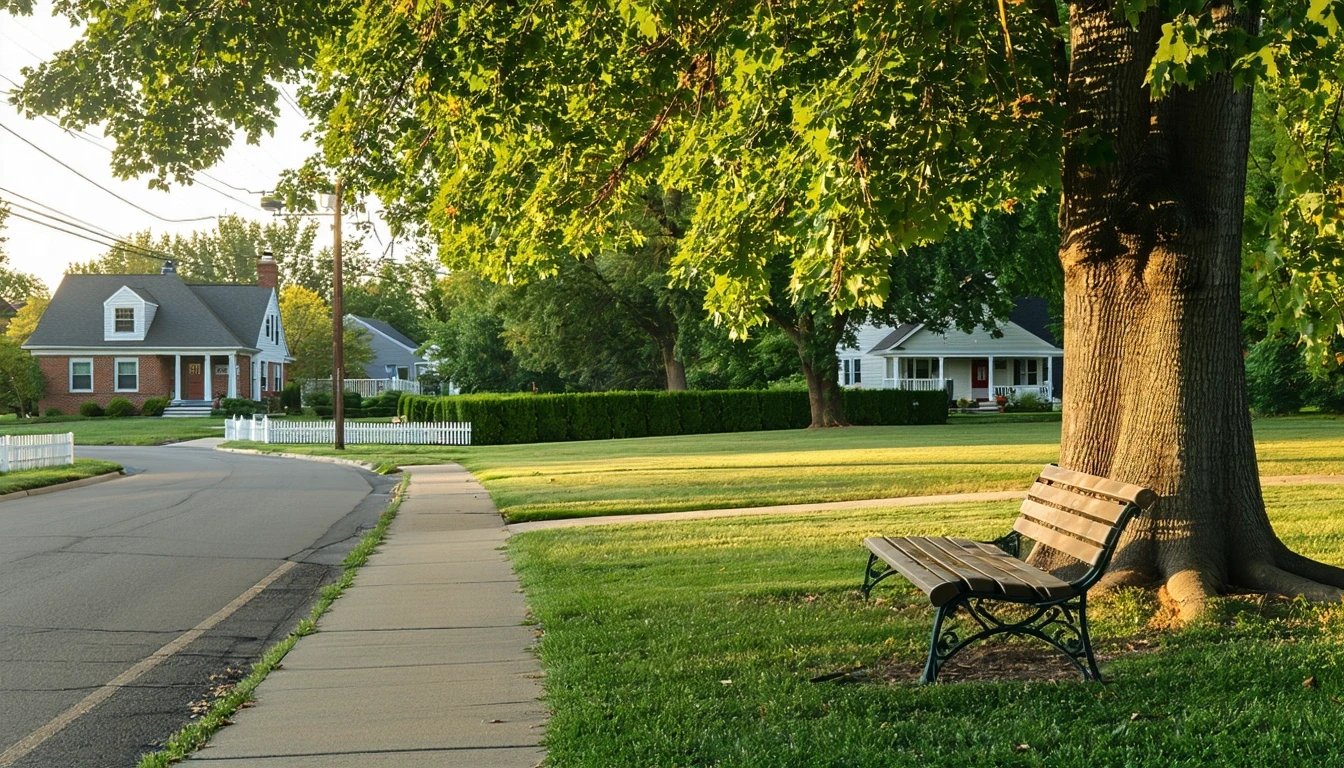
Is the true cost of living higher than you think? For families and professionals considering a move to Kirkwood, Missouri, understanding the full financial picture goes far beyond simply looking at rent or mortgage payments. This historic St. Louis County suburb offers tree-lined streets, walkable downtown blocks, and a strong sense of community—but these amenities come with their own price tag. The cost of living in Kirkwood reflects a blend of well-maintained housing stock, competitive local services, and the taxes that fund excellent schools and parks. In 2025, prospective residents need to account for everything from seasonal utility swings to property tax rates that support one of the region’s most desirable school districts.
This guide breaks down what it truly costs to live comfortably in Kirkwood across all major expense categories. Whether you’re a single professional, a couple planning to settle down, or a family of four seeking top-tier schools, you’ll find detailed monthly estimates, localized data, and practical advice to help you budget realistically. We’ll explore housing markets, utility bills, grocery baskets, transportation expenses, and the often-overlooked fees that can catch newcomers off guard. By the end, you’ll have a clear sense of the gross monthly income required to thrive in this charming community.
“`
Housing Costs in Kirkwood
Housing represents the largest single expense for most Kirkwood residents, and the market here reflects the suburb’s desirability. As of early 2025, a two-bedroom apartment in Kirkwood typically rents for between $1,200 and $1,600 per month, with most units clustering around $1,400. These rentals are often found in well-maintained complexes near Kirkwood Road or in converted historic buildings closer to the downtown commercial district. Renters benefit from proximity to the Kirkwood Farmers’ Market, local shops, and easy access to Interstate 44, but they also pay a premium for the walkability and community atmosphere that define the area.
For those looking to purchase, Kirkwood’s housing market leans toward established single-family homes. The median home price for a three-bedroom house ranges from $325,000 to $425,000, depending on neighborhood and condition. Homes in the Meacham Park area or along the southern edges of the city tend to be more affordable, while properties near Kirkwood Park or in the historic downtown core command higher prices. Many homes date from the early-to-mid 20th century, offering character and craftsmanship but sometimes requiring updates to electrical, plumbing, or HVAC systems. Buyers should budget for potential renovation costs alongside their mortgage.
Homeowners also need to factor in property taxes and, in some neighborhoods, homeowners association (HOA) fees. Kirkwood’s property tax rate sits around 1.8% of assessed value annually, which translates to roughly $6,000 to $7,500 per year for a $350,000 home. HOA fees are less common here than in newer suburban developments, but some condo complexes and planned neighborhoods charge $50 to $150 monthly for landscaping, snow removal, and shared amenities. Below is a snapshot of typical housing costs across different scenarios:
| Housing Type | Monthly Cost |
|---|---|
| 2BR Apartment (Rent) | $1,400 |
| 3BR Home (Mortgage + Taxes + Insurance, $350K purchase) | $2,400 |
| HOA Fees (if applicable) | $50–$150 |
Utilities and Energy Bills
Kirkwood experiences all four seasons, and that variety shows up in monthly utility bills. Summers can be hot and humid, driving air conditioning costs upward, while winters require natural gas heating to keep homes comfortable. On average, residents should expect to pay between $150 and $250 per month for combined utilities, though this figure fluctuates with the season and the size of the home.
Electric bills typically run $90 to $130 per month for a standard two-bedroom apartment or modest single-family home. Ameren Missouri serves the area, and rates are competitive but subject to seasonal demand charges. Natural gas, also provided by Spire (formerly Laclede Gas), adds another $40 to $80 monthly, with the higher end reflecting January and February heating needs. Water and sewer service, billed by the city, generally costs $50 to $70 per month for a household of two to four people. Trash and recycling collection are included in many rental agreements but may add $15 to $25 monthly for homeowners who contract separately.
One often-overlooked cost is the summer spike in cooling expenses. July and August can push electric bills above $150 for homes with older insulation or single-pane windows. Conversely, spring and fall months offer relief, with combined utility costs sometimes dipping below $120. Below is a breakdown of typical monthly utility expenses:
| Utility Type | Average Monthly Cost |
|---|---|
| Electricity | $110 |
| Natural Gas | $60 |
| Water & Sewer | $60 |
| Trash & Recycling | $20 |
| Total | $250 |
Groceries and Daily Expenses
Kirkwood offers a mix of grocery options, from national chains like Schnucks and Dierbergs to smaller specialty markets and the beloved Saturday Farmers’ Market. For a single adult, monthly grocery spending typically falls between $300 and $450, depending on dietary preferences and shopping habits. Couples can expect to spend $500 to $800 per month, while families of four often budget $900 to $1,200 to keep pantries and refrigerators stocked.
Prices at Kirkwood’s supermarkets are generally in line with regional averages, though specialty items and organic produce can push costs higher. A gallon of milk runs about $3.50, a dozen eggs around $3, and a loaf of artisan bread from a local bakery might cost $4 to $5. Chicken breast averages $4 per pound, ground beef $5 to $6 per pound, and fresh vegetables like tomatoes or bell peppers hover around $2 to $3 per pound. Coffee drinkers can expect to pay $8 to $12 for a pound of quality beans, while a bag of rice or pasta costs $2 to $4.
Dining out is a popular pastime in Kirkwood, with the downtown strip offering everything from casual cafes to upscale bistros. A typical lunch at a local sandwich shop or taco joint runs $12 to $18 per person, while dinner at a sit-down restaurant averages $20 to $30 per entrée before drinks and tip. Families who eat out once or twice a week should budget an additional $200 to $300 monthly for restaurant meals. Below is a sample grocery basket reflecting common purchases:
| Item | Estimated Cost |
|---|---|
| Gallon of Milk | $4 |
| Dozen Eggs | $3 |
| Loaf of Bread | $3 |
| Chicken Breast (1 lb) | $4 |
| Ground Beef (1 lb) | $6 |
| Fresh Produce (weekly) | $15 |
| Coffee (1 lb) | $10 |
Taxes and Hidden Fees
Kirkwood’s tax structure reflects its status as a well-funded municipality with strong public services. The combined sales tax rate is approximately 8.6%, which includes state, county, and local components. This rate applies to most retail purchases, from clothing to electronics, and adds a noticeable amount to everyday spending. For a household spending $1,000 monthly on taxable goods, that’s an extra $86 in sales tax.
Property taxes, as mentioned earlier, run around 1.8% of assessed home value annually. For a $350,000 home, that translates to roughly $6,300 per year, or $525 per month when budgeted evenly. These taxes fund the Kirkwood School District, one of the region’s top-rated systems, as well as parks, public safety, and infrastructure maintenance. Homeowners should also anticipate annual costs for homeowners insurance ($1,200 to $1,800) and, if applicable, private mortgage insurance (PMI) until they reach 20% equity.
Beyond the obvious taxes, several hidden fees can catch residents off guard. Vehicle registration and personal property taxes on cars add $100 to $300 annually, depending on the vehicle’s value. Trash and recycling fees, if not included in rent or HOA dues, run $15 to $25 monthly. Some neighborhoods require permits for street parking or home improvement projects, with fees ranging from $25 to $100. Below are common hidden charges to anticipate:
- Vehicle Personal Property Tax: $100–$300 annually
- Trash and Recycling (if separate): $20 per month
- HOA Fees (select neighborhoods): $50–$150 per month
- Home Inspection Fees (buyers): $300–$500 one-time
- Building Permits (renovations): $50–$200 per project
Monthly Budget Breakdown by Household Type
To help prospective residents understand what it takes to live comfortably in Kirkwood, we’ve assembled a comprehensive budget table for three common household types: a single adult, a couple, and a family of four. These estimates reflect typical spending patterns and assume moderate lifestyle choices—neither extravagant nor overly frugal. All figures represent gross monthly income (pre-tax) required to cover expenses and maintain a modest savings cushion.
| Expense Category | Single Adult | Couple | Family of Four |
|---|---|---|---|
| Housing (Rent or Mortgage) | $1,400 | $2,000 | $2,400 |
| Utilities | $150 | $200 | $250 |
| Groceries | $350 | $650 | $1,000 |
| Transportation | $300 | $500 | $700 |
| Taxes & Fees | $200 | $300 | $400 |
| Miscellaneous (Insurance, Entertainment, Savings) | $400 | $600 | $800 |
| Total Monthly (Pre-Tax) | $2,800 | $4,250 | $5,550 |
Methodology: These 2025 estimates for Kirkwood draw on publicly available national and regional sources including the U.S. Census Bureau, Bureau of Economic Analysis (BEA), Bureau of Labor Statistics (BLS), and Federal Reserve Economic Data (FRED). Where city-specific figures are unavailable, safe regional ranges are applied (e.g., typical 2BR rents, grocery costs per adult). All amounts are expressed as gross monthly income (pre-tax) and rounded to whole dollars. Actual expenses vary by household size, lifestyle, and neighborhood choice.
Lifestyle Considerations and Tradeoffs
Living in Kirkwood means embracing a suburban lifestyle with strong community ties and excellent access to St. Louis amenities. The average commute for Kirkwood residents is around 25 to 30 minutes, with many professionals driving east on Interstate 44 or Interstate 64 to reach downtown St. Louis, Clayton, or other employment hubs. This commute is manageable but does add to monthly transportation costs through fuel, vehicle maintenance, and wear-and-tear. Residents who work locally or from home can significantly reduce these expenses.
Housing tradeoffs are another key consideration. Choosing a home closer to the downtown Kirkwood core offers walkability, proximity to shops and restaurants, and a vibrant neighborhood feel—but it also means higher home prices and property taxes. Conversely, opting for a home on the city’s southern or western edges can save $50,000 to $100,000 on purchase price while still providing access to the same school district and parks. Families often prioritize proximity to top-rated elementary schools like Tillman or Keysor, which can drive up demand and prices in specific attendance zones.
Quality-of-life factors also play a major role in Kirkwood’s appeal. The city boasts over 20 parks, including the expansive Kirkwood Park with its pool, trails, and recreation center. The downtown Farmers’ Market, held every Saturday from May through October, is a beloved community gathering spot. These amenities contribute to a strong sense of place but are funded through the property taxes and fees discussed earlier. For many residents, the tradeoff is worthwhile: slightly higher costs in exchange for excellent schools, safe neighborhoods, and a tight-knit community.
Frequently Asked Questions
Is Kirkwood more affordable than nearby Webster Groves or Clayton in 2025? Kirkwood tends to be slightly more affordable than Clayton, which is closer to downtown St. Louis and commands premium prices for its urban-suburban blend. Compared to Webster Groves, Kirkwood’s housing costs are roughly comparable, though Webster Groves may have a slight edge in walkability and historic charm. Both cities offer excellent schools and similar property tax rates.
What is a realistic monthly budget for a single professional in Kirkwood? A single adult should plan for approximately $2,800 in gross monthly income to cover rent, utilities, groceries, transportation, and discretionary spending. This assumes a one-bedroom or studio apartment, moderate grocery habits, and a car for commuting. Adding savings or entertainment expenses may push that figure closer to $3,200.
Do utilities cost more in Kirkwood than in other St. Louis suburbs? Utility costs in Kirkwood are in line with regional averages. Ameren Missouri and Spire serve most of St. Louis County, so electric and gas rates are consistent across nearby suburbs. Water and sewer rates vary by municipality, but Kirkwood’s charges are competitive and reflect the city’s investment in infrastructure maintenance.
How much does a family of four spend in Kirkwood per month? A family of four typically requires around $5,550 in gross monthly income to live comfortably in Kirkwood. This includes a three-bedroom home mortgage, utilities, groceries, transportation, insurance, and a modest cushion for savings and entertainment. Families with higher childcare or extracurricular costs may need $6,000 or more.
Are property taxes higher in Kirkwood than in Ballwin or Chesterfield? Kirkwood’s property tax rate of approximately 1.8% is slightly higher than some western St. Louis County suburbs like Ballwin or Chesterfield, which often have rates closer to 1.5% to 1.7%. However, Kirkwood’s taxes fund a highly regarded school district and robust city services, which many residents view as a worthwhile investment.
Is it cheaper to rent or buy in Kirkwood right now? For those planning to stay in Kirkwood for five years or more, buying often makes financial sense, especially given the area’s stable property values and strong school district. However, renters benefit from flexibility and avoid upfront costs like down payments, closing fees, and home maintenance. The decision depends on individual financial circumstances and long-term plans.
What are the biggest hidden costs of living in Kirkwood? Property taxes and vehicle personal property taxes are the most significant hidden costs. Additionally, older homes may require unexpected repairs to roofs, HVAC systems, or plumbing. Homeowners should budget for these contingencies, as well as annual costs like homeowners insurance and potential HOA fees.
How does Kirkwood compare to living in the city of St. Louis? Kirkwood offers a quieter, more suburban lifestyle with excellent schools and lower crime rates than many St. Louis city neighborhoods. However, it also means higher housing costs and a car-dependent lifestyle. City residents enjoy walkability, cultural amenities, and lower property taxes, but may face higher crime and less access to top-tier public schools. When [comparing moving company costs and options](https://indexyard.com/best-moving-companies-guide/), it’s important to factor in not just the distance but also the lifestyle shift between urban and suburban living.