
Ballwin, MO vs. Kirkwood, MO: Cost of Living Comparison (2025)
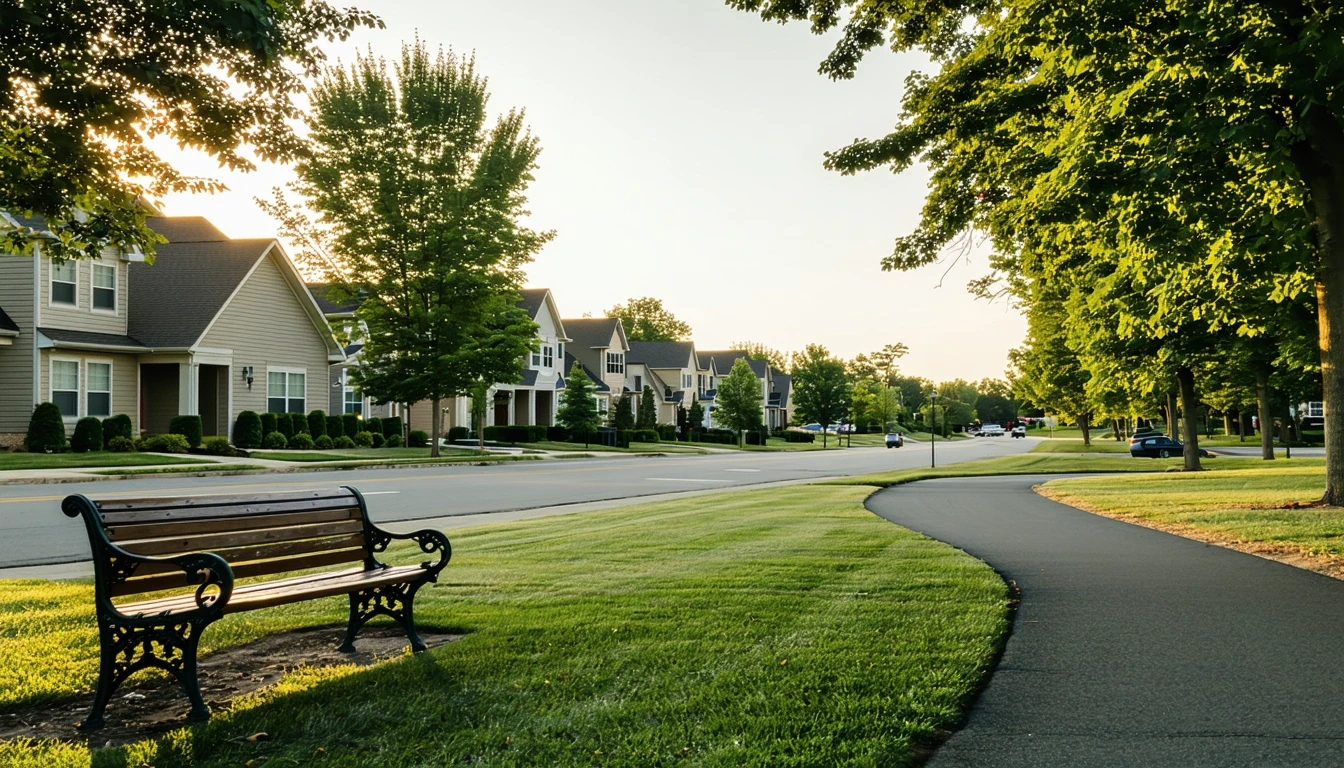
Ballwin and Kirkwood sit just miles apart in St. Louis County, yet they attract distinctly different homebuyers and renters. Ballwin, sprawling across West County, appeals to families seeking newer construction, spacious lots, and a suburban buffer from urban density. Kirkwood, closer to the city center and bisected by historic downtown streets and the Meramec River, draws buyers who value walkable neighborhoods, architectural character, and easier access to downtown St. Louis. Both cities boast excellent schools, safe streets, and strong community ties—but the cost of living in Ballwin vs Kirkwood reveals meaningful differences that can sway your decision in 2025.
Housing affordability, tax structures, and day-to-day expenses vary enough between these two suburbs to impact your monthly budget by hundreds of dollars. Ballwin’s housing stock skews newer and often larger, while Kirkwood’s older homes and denser layout create a different price-per-square-foot dynamic. For families weighing school districts against commute times, or young professionals balancing walkability with home size, understanding these cost tradeoffs is essential. This comparison breaks down housing, utilities, groceries, taxes, and lifestyle factors to help you determine which West County suburb aligns with your financial priorities and daily routine in 2025.
Whether you’re relocating to the St. Louis metro for the first time or moving within the county, this guide provides the granular cost insights you need to choose confidently between Ballwin and Kirkwood. We’ll examine not just the numbers, but how each city’s layout, amenities, and community character influence your overall cost of living and quality of life.
Housing Costs
Housing represents the largest cost difference between Ballwin and Kirkwood, driven by age of inventory, lot sizes, and proximity to downtown St. Louis. Ballwin’s residential landscape is dominated by subdivisions built from the 1980s onward, featuring 3- and 4-bedroom colonials and ranches on quarter-acre to half-acre lots. Median home prices in Ballwin typically range from $340,000 to $380,000 in 2025, with newer construction in developments like Westhampton Estates and Kehrs Mill Crossing pushing toward $450,000 or higher. Rentals are less common here—Ballwin is overwhelmingly owner-occupied—but 2-bedroom apartments in smaller complexes near Manchester Road rent for approximately $1,200 to $1,450 per month.
Kirkwood offers a more diverse housing mix. The city’s historic core, centered around downtown Kirkwood and the train station, features early 20th-century bungalows, Tudors, and two-story brick homes on tree-lined streets. These older homes often list between $300,000 and $420,000, depending on condition and proximity to downtown. Newer subdivisions on Kirkwood’s western edge mirror Ballwin’s price points, but the city’s rental market is more robust. Two-bedroom apartments near Kirkwood Road or in complexes along Big Bend Boulevard rent for $1,100 to $1,350 per month, slightly below Ballwin’s range. Three-bedroom single-family rentals, more common in Kirkwood’s older neighborhoods, typically command $1,800 to $2,200 monthly.
The key distinction lies in what you get for your money. In Ballwin, $350,000 buys a 2,200-square-foot home built in the 1990s with a two-car garage, updated kitchen, and finished basement. In Kirkwood, the same budget might yield a 1,800-square-foot 1920s bungalow with original hardwood floors, a smaller lot, and deferred maintenance—or a newer 2,000-square-foot home on the city’s western fringe. Families prioritizing space, modern systems, and low-maintenance exteriors often favor Ballwin. Buyers drawn to character, walkability, and proximity to downtown St. Louis lean toward Kirkwood’s historic neighborhoods, accepting trade-offs in square footage and renovation needs.
| Housing Type | Ballwin | Kirkwood |
|---|---|---|
| Median Home Price | $360,000 | $340,000 |
| 2-Bedroom Apartment Rent | $1,325/month | $1,225/month |
| 3-Bedroom Home Rent | $1,900/month | $2,000/month |
| Average Square Footage (Single-Family) | 2,200 sq ft | 1,900 sq ft |
For young professionals or small households, Kirkwood’s lower apartment rents and walkable downtown offer immediate savings and lifestyle convenience. Families seeking newer construction, larger yards, and more square footage per dollar will find Ballwin’s housing stock better aligned with their needs, even at slightly higher price points. Renters have more options in Kirkwood, while Ballwin’s market heavily favors buyers.
Winner: Kirkwood edges ahead for renters and buyers prioritizing affordability and walkability, though Ballwin delivers better value per square foot for families seeking modern, spacious homes.
Utilities and Energy Costs
Utility expenses in Ballwin and Kirkwood are shaped by housing age, insulation quality, and seasonal heating and cooling demands. Both cities are served by Ameren Missouri for electricity and natural gas, and Spire for additional gas service in some areas, so base rates are identical. However, the age and efficiency of your home significantly influence monthly bills. Ballwin’s newer housing stock—built predominantly after 1980—typically features better insulation, double-pane windows, and more efficient HVAC systems. A 2,200-square-foot home in Ballwin might see combined electric and gas bills ranging from $150 to $220 per month, with spikes to $250 or more during July and August air conditioning peaks or January heating surges.
Kirkwood’s older homes, especially those built before 1950, often lack modern insulation and may have original single-pane windows, leading to higher heating costs in winter and elevated cooling expenses in summer. Residents in historic Kirkwood neighborhoods frequently report monthly utility bills of $180 to $260 for similarly sized homes, with older furnaces and less efficient air conditioning units driving the difference. Renovated homes with updated windows, insulation, and HVAC systems perform comparably to Ballwin’s newer stock, but many Kirkwood buyers inherit deferred maintenance that impacts energy efficiency until upgrades are completed.
Water and sewer costs are managed by the Missouri American Water Company in both cities, with typical monthly charges of $60 to $80 for a family of four. Trash collection is provided by each city: Ballwin contracts with Republic Services, bundling trash, recycling, and yard waste into a monthly fee of approximately $20 to $25. Kirkwood similarly provides curbside collection, with costs embedded in property taxes or billed separately at comparable rates. Seasonal differences matter more than geography—St. Louis summers are hot and humid, and winters bring freezing temperatures, so both cities experience similar heating and cooling cycles. The real variable is your home’s construction era and condition.
For renters, utility costs are often lower due to smaller square footage. A 2-bedroom apartment in either city typically incurs $100 to $150 in combined electric, gas, and water expenses monthly, with landlords sometimes covering water and trash. Ballwin’s apartment complexes, being newer, may offer slightly lower utility bills due to modern construction standards, but the difference is modest—perhaps $10 to $20 per month.
Winner: Ballwin holds a slight advantage due to its newer housing stock and better baseline energy efficiency, translating to lower monthly utility bills for most homeowners. Kirkwood buyers can close the gap with targeted renovations, but out-of-the-box efficiency favors Ballwin.
Groceries and Daily Expenses
Grocery and everyday costs in Ballwin and Kirkwood are nearly identical, as both cities share access to the same regional chains and retailers. Ballwin residents shop at Schnucks, Dierbergs, Walmart Supercenter, and Target along Manchester Road and Clayton Road, while Kirkwood shoppers frequent Schnucks on Kirkwood Road, Dierbergs on Big Bend, and the same regional chains. Prices for staples—milk, bread, eggs, produce—are consistent across these stores, with weekly promotions and loyalty programs offering similar savings. A typical family of four can expect to spend $700 to $900 per month on groceries in either city, depending on dietary preferences and whether they favor budget chains like Aldi (accessible from both cities) or premium options like Whole Foods (a short drive into Clayton or Brentwood).
Dining out reveals subtle differences tied to each city’s character. Kirkwood’s walkable downtown hosts a concentration of locally owned restaurants, cafes, and bars—places like Citizen Kane’s Steakhouse, Kirkwood Station Brewing Company, and multiple coffee shops create a dine-and-stroll culture. Casual meals average $12 to $18 per person, with mid-range dinners running $25 to $40. Ballwin’s dining scene is more dispersed along commercial corridors, dominated by chain restaurants like Olive Garden, Panera, and Texas Roadhouse, with local spots like Napoli 2 and Hendel’s Restaurant adding variety. Prices are comparable, but Kirkwood’s density means you’re more likely to walk to dinner, saving on gas and parking, while Ballwin diners typically drive.
Household goods, personal care items, and incidentals cost the same in both cities, with access to Costco, Sam’s Club, and Amazon delivery equalizing bulk and online shopping. Coffee culture differs slightly: Kirkwood’s downtown supports multiple independent cafes where a latte runs $4.50 to $5.50, while Ballwin residents often default to Starbucks or Panera along Manchester Road at similar prices. Singles and young professionals may spend marginally more in Kirkwood if they frequent downtown cafes and restaurants regularly, but families stocking pantries and cooking at home will see no meaningful difference.
Winner: Tie. Grocery and daily expenses are effectively identical between Ballwin and Kirkwood, with lifestyle choices—dining out frequency, coffee habits, shopping preferences—mattering far more than geography.
Taxes and Fees
Property taxes represent a critical long-term cost difference between Ballwin and Kirkwood, and this is where Kirkwood’s affordability advantage narrows. St. Louis County assesses property taxes based on a home’s assessed value, but individual municipalities, school districts, and special taxing districts layer additional levies. Ballwin falls within the Rockwood School District (for most of the city) and Parkway School District (for northern sections), both highly rated but with different tax rates. Effective property tax rates in Ballwin typically range from 1.8% to 2.1% of assessed value annually, translating to approximately $6,500 to $7,500 per year on a $360,000 home.
Kirkwood is served entirely by the Kirkwood School District, one of the county’s most established and well-funded districts, which commands a higher tax levy. Effective property tax rates in Kirkwood often reach 2.2% to 2.5% of assessed value, resulting in annual bills of $7,500 to $8,500 on a $340,000 home—potentially $1,000 more per year than a comparably priced home in Ballwin. This difference stems from Kirkwood’s older infrastructure, higher municipal service costs, and the district’s commitment to maintaining facilities and programs. For buyers, this means Kirkwood’s lower purchase prices are partially offset by higher annual tax obligations.
Sales tax is uniform across both cities at 8.613% (as of 2025), combining state, county, and local rates. Neither city imposes unusual transaction taxes or fees that would affect daily purchases. Trash collection, as noted earlier, is bundled into municipal services in both cities at comparable costs. Homeowners associations (HOAs) are common in Ballwin’s newer subdivisions, with annual fees ranging from $300 to $800 covering landscaping, snow removal, and common area maintenance. Kirkwood’s older neighborhoods rarely have HOAs, reducing annual fees but shifting maintenance responsibilities entirely to homeowners.
Renters are indirectly affected by property taxes, as landlords factor tax costs into rent. Kirkwood’s higher property taxes may contribute to slightly elevated rents for single-family homes, though apartment rents remain competitive. For long-term homeowners, the cumulative impact of Kirkwood’s higher property taxes can amount to tens of thousands of dollars over a decade, making tax burden a key consideration for buyers planning to stay put.
Winner: Ballwin offers a clear advantage in property taxes, with annual savings of $500 to $1,000 or more compared to Kirkwood, making it more cost-effective for long-term homeowners despite slightly higher purchase prices.
Cost Summary Table
| Expense Category | Ballwin (Monthly) | Kirkwood (Monthly) |
|---|---|---|
| Housing (Mortgage/Rent, 3BR Home) | $1,900 | $1,850 |
| Utilities (Electric, Gas, Water, Trash) | $200 | $230 |
| Groceries (Family of 4) | $800 | $800 |
| Transportation (Gas, Insurance, Maintenance) | $450 | $420 |
| Property Taxes (Annualized Monthly) | $600 | $700 |
| Miscellaneous (Dining, Entertainment, Personal) | $400 | $400 |
| Estimated Monthly Total | $4,350 | $4,400 |
The cost summary reveals a narrow overall difference between Ballwin and Kirkwood, with Ballwin edging ahead by approximately $50 per month, or $600 annually. This advantage stems primarily from lower property taxes and slightly reduced utility costs due to newer housing stock. Kirkwood’s marginally lower housing costs and transportation expenses (thanks to walkability and proximity to transit) partially offset its higher taxes and utility bills. For a mid-size household—whether renting a 2-bedroom apartment or owning a 3-bedroom home—the financial difference is modest enough that lifestyle preferences and commute considerations should weigh heavily in your decision.
Methodology Note: Estimates reflect 2025 costs for a mid-size household (2-bedroom apartment or 3-bedroom home) using published national data, regional benchmarks, and local real estate listings. Actual expenses will vary with household size, lifestyle choices, home age, and neighborhood. All income figures referenced elsewhere in this article are expressed in gross monthly income (pre-tax) for clarity.
Lifestyle Fit
Lifestyle differences between Ballwin and Kirkwood extend beyond dollars and cents, influencing your daily routine, commute, and sense of community. Ballwin is quintessentially suburban: residential streets wind through subdivisions, commercial activity clusters along Manchester Road and Clayton Road, and most errands require a car. The city’s parks—Vlasis Park, Ballwin Golf Course, Castlio Park—are well-maintained and family-oriented, offering playgrounds, trails, and sports fields. Walkability is limited outside of individual neighborhoods, and public transit options are sparse. Most Ballwin residents drive to work, with commutes to downtown St. Louis averaging 25 to 35 minutes via I-64 or I-270, depending on traffic. This car-dependent layout suits families prioritizing space, privacy, and newer homes, but it increases transportation costs and limits spontaneous outings.
Kirkwood’s layout fosters a different rhythm. Downtown Kirkwood, centered around the Amtrak and MetroLink station, is a genuine walkable hub with restaurants, shops, the historic Kirkwood Farmers’ Market, and the Magic House children’s museum nearby. Residents in central Kirkwood can walk to coffee, dinner, and errands, reducing reliance on cars and fostering a stronger sense of place. MetroLink’s Red Line connects Kirkwood to Clayton, the Central West End, and downtown St. Louis in 20 to 30 minutes, offering a viable commute alternative for professionals working in the urban core. Neighborhoods farther from downtown Kirkwood are more suburban in character, but even these areas benefit from the city’s denser street grid and mature tree canopy. Kirkwood’s MetroLink access is a major differentiator, cutting transportation costs and expanding job accessibility without a car.
Recreation and culture also diverge. Ballwin’s amenities are geared toward families: youth sports leagues, community centers, and quiet subdivisions. Kirkwood’s historic downtown and proximity to Forest Park, the Missouri Botanical Garden, and the Delmar Loop create more opportunities for cultural outings and urban exploration. Kirkwood’s walkable downtown and transit access can save households $100 to $200 monthly in transportation costs compared to Ballwin’s car-centric layout, indirectly offsetting higher property taxes. For young professionals, empty nesters, or families comfortable with smaller homes and older architecture, Kirkwood’s lifestyle advantages—walkability, transit, and community character—often outweigh Ballwin’s space and modernity.
Climate and geography are nearly identical: both cities experience St. Louis’s humid summers, cold winters, and spring storms. Neither offers a climate advantage, so lifestyle fit hinges on your priorities. If you value new construction, large lots, and a quiet suburban buffer, Ballwin delivers. If you prefer walkable streets, historic charm, and easy access to urban amenities, Kirkwood is the better match. For a fictional family like the Johnsons—two working parents with school-age kids—the decision might hinge on whether they prioritize a spacious Ballwin home with a big backyard or a Kirkwood bungalow within walking distance of downtown and a MetroLink commute to Clayton.
Frequently Asked Questions
Is Ballwin more affordable than Kirkwood in 2025?
Ballwin is slightly more affordable overall, with lower property taxes and utility costs offsetting marginally higher home prices. Kirkwood’s higher property tax rates—often $500 to $1,000 more annually—narrow its advantage in purchase price, making Ballwin the better long-term value for homeowners focused on total cost of ownership.
Are rental prices lower in Ballwin or Kirkwood?
Kirkwood generally offers lower apartment rents, with 2-bedroom units averaging $1,225 per month compared to $1,325 in Ballwin. Kirkwood also has a larger rental inventory, including single-family homes, giving renters more options and competitive pricing.
How do grocery costs compare between Ballwin and Kirkwood?
Grocery costs are virtually identical, as both cities share access to the same regional chains like Schnucks, Dierbergs, and Walmart. A family of four can expect to spend $700 to $900 monthly in either city, with lifestyle choices—organic vs. conventional, bulk buying, dining out—mattering more than location.
Are property taxes higher in Kirkwood than in Ballwin?
Yes, Kirkwood’s effective property tax rates typically range from 2.2% to 2.5% of assessed value, compared to 1.8% to 2.1% in Ballwin. On a $350,000 home, Kirkwood homeowners may pay $1,000 or more annually in additional property taxes, driven by the Kirkwood School District’s higher levy and municipal service costs.
What is the average monthly cost of living for a family of four in Ballwin vs. Kirkwood?
A family of four can expect to spend approximately $4,350 per month in Ballwin and $4,400 in Kirkwood, including housing, utilities, groceries, transportation, taxes, and miscellaneous expenses. The $50 monthly difference reflects Ballwin’s lower taxes and utility costs versus Kirkwood’s slightly reduced housing and transportation expenses.
Conclusion
Choosing between Ballwin and Kirkwood in 2025 ultimately depends on whether you prioritize space and modernity or walkability and character. Ballwin offers newer homes, lower property taxes, and a car-oriented suburban lifestyle ideal for families seeking room to grow and low-maintenance living. Kirkwood delivers historic charm, a walkable downtown, MetroLink access, and a stronger sense of community, appealing to buyers and renters who value urban proximity and architectural character. The cost of living difference is modest—roughly $50 to $100 per month in Ballwin’s favor—but lifestyle fit and long-term financial goals should guide your decision more than raw numbers.
For families prioritizing square footage, modern systems, and predictable expenses, Ballwin is the clear choice. For young professionals, empty nesters, or households willing to trade space for walkability and transit access, Kirkwood’s advantages justify its slightly higher overall costs. Both cities offer excellent schools, safe neighborhoods, and strong community ties, so you can’t go wrong—but understanding these cost and lifestyle tradeoffs ensures you choose the suburb that aligns with your budget and daily routine. Ready to explore your options? Check out our sample monthly budgets for living in Ballwin to plan your move with confidence, and see our 2025 moving company picks to make your transition seamless.