
Ballwin is considered moderately priced in 2025, with average rent for a 2-bedroom apartment around $1,400 and overall costs for housing, groceries, utilities, and taxes running slightly below the national average, making it an attractive option for families seeking suburban St. Louis living.
When Sarah Martinez accepted a project management role in west St. Louis County, she spent three weeks mapping out every expense she’d face in Ballwin—from her apartment deposit to the cost of a gallon of milk at the local Schnucks. What she discovered was a community where middle-class budgets stretch further than in many comparable suburbs, but where understanding the full picture—utilities that swing with Missouri’s four-season climate, property taxes that fund excellent schools, and the hidden costs of car-dependent living—made all the difference between comfortable and stretched. Her spreadsheet became her roadmap, and now, eighteen months later, she’s helping colleagues navigate the same financial terrain.
Understanding the cost of living in Ballwin requires looking beyond headline rent figures to the complete monthly picture: how much you’ll actually spend on electricity during a humid July, what a week’s groceries cost at Dierbergs versus Aldi, and how St. Louis County’s tax structure affects your take-home pay. This guide breaks down every major expense category with 2025 data, providing the realistic budget framework you need whether you’re relocating from out of state, moving from the city to the suburbs, or planning your first independent household in the St. Louis metro.
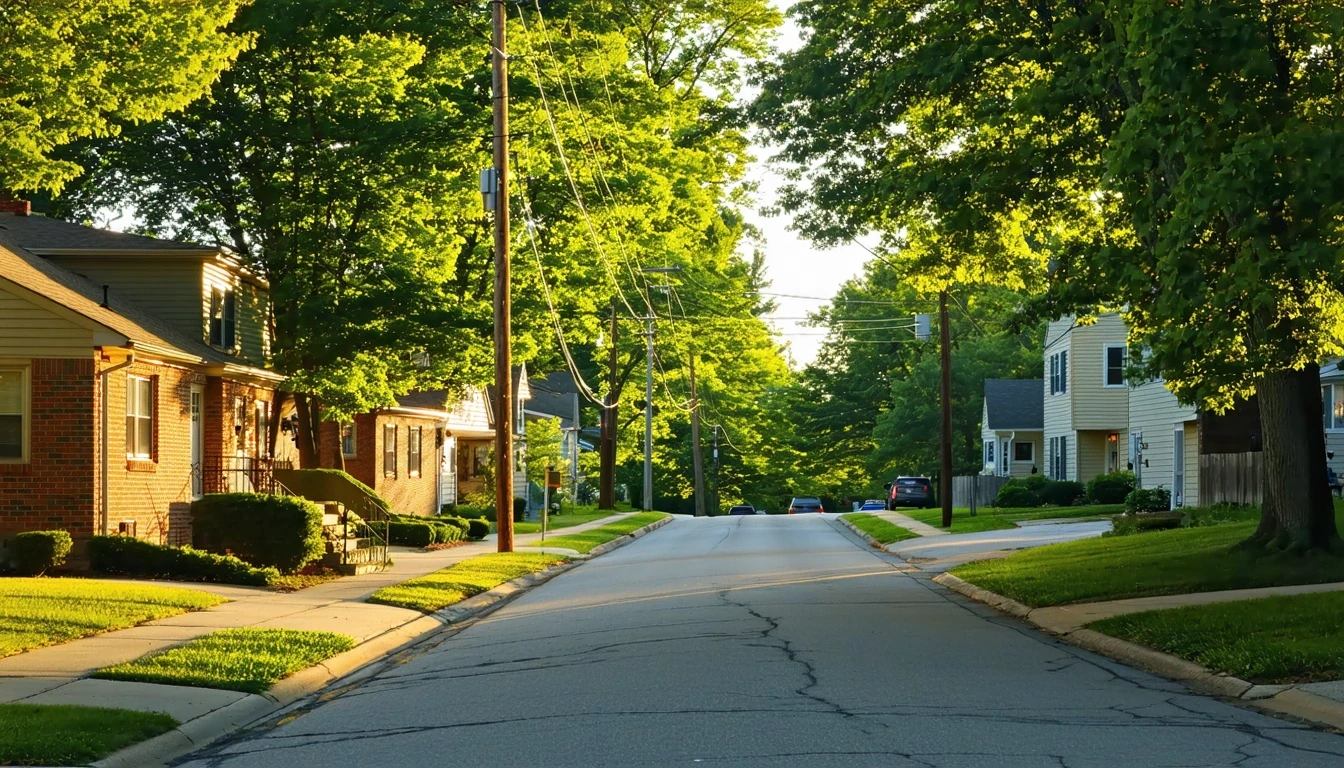
Housing Costs in Ballwin
Ballwin’s housing market reflects its position as an established, family-oriented suburb roughly twenty miles west of downtown St. Louis. The median home price in Ballwin sits around $365,000 in early 2025, with most single-family homes ranging from three to four bedrooms. Neighborhoods near Vlasis Park and along Clayton Road tend toward the higher end, while areas farther south near Highway 141 offer more accessible entry points. Property appreciation has been steady but modest—roughly 3-4% annually over the past three years—making Ballwin a stable rather than speculative market.
For renters, a two-bedroom apartment typically costs between $1,300 and $1,500 per month, depending on age, amenities, and proximity to shopping corridors like Ballwin Town Center or Manchester Road. Newer complexes with fitness centers, pools, and attached garages command the higher end of that range, while older garden-style apartments in quieter pockets can dip to $1,200. Three-bedroom townhomes and single-family rentals, popular with families on temporary assignments or those testing the market before buying, generally run $1,800 to $2,200 monthly. Unlike urban St. Louis neighborhoods, most Ballwin rentals include at least one parking space, and many properties offer washer-dryer hookups or units.
Homeownership brings additional considerations. Many subdivisions have homeowners association fees ranging from $200 to $600 annually—modest compared to newer planned communities but still a line item to budget. Homes built in the 1980s and 1990s, which make up a significant portion of Ballwin’s housing stock, may require updates to HVAC systems, roofing, or windows, so setting aside 1-2% of home value annually for maintenance is prudent. The city’s location in the Rockwood and Parkway school districts adds to property values and attracts families willing to pay a premium for highly rated public schools.
| Housing Type | Typical Monthly Cost | Notes |
|---|---|---|
| 2BR Apartment | $1,300–$1,500 | Newer complexes at upper range |
| 3BR Townhome Rental | $1,800–$2,200 | Often includes garage, yard |
| 3BR Home Purchase (median) | ~$2,100 (mortgage + taxes + insurance) | Based on $365K at 6.5% with 10% down |
Utilities and Energy Bills
Missouri’s continental climate—hot, humid summers and cold, occasionally icy winters—means Ballwin residents see noticeable seasonal swings in utility costs. Electricity, provided primarily by Ameren Missouri, averages around $130 to $160 per month for a typical 1,200-square-foot apartment or townhome. July and August bills can spike to $180 or more as air conditioning runs continuously, while mild spring and fall months may drop to $90. Homes with older insulation or single-pane windows will see higher costs; energy-efficient upgrades like programmable thermostats and LED lighting make a measurable difference.
Natural gas, used for heating and often for water heaters and stoves, runs about $50 to $80 monthly on average, but January and February bills can climb to $120-$150 as furnaces work overtime during cold snaps. Water and sewer service through the city typically costs $50 to $70 per month for a household of two to four, with trash collection included in many apartment leases or billed separately at around $20 monthly for single-family homes. Internet service from Spectrum or AT&T Fiber runs $60 to $90 depending on speed, and most households budget another $15-$25 for streaming services.
One often-overlooked cost: Ballwin’s tree-canopy neighborhoods are beautiful but can mean higher landscaping and gutter maintenance. Homes with mature oaks and maples may spend $200-$400 annually on professional leaf removal and gutter cleaning to prevent drainage issues. Budgeting for these seasonal tasks—or investing in your own equipment—keeps homes in good condition and avoids costly repairs down the line.
| Utility Type | Average Monthly Cost |
|---|---|
| Electricity (Ameren Missouri) | $130–$160 (seasonal swings $90–$180) |
| Natural Gas | $50–$80 (winter peaks $120–$150) |
| Water & Sewer | $50–$70 |
| Trash Collection | $20 (if not included in rent) |
| Internet | $60–$90 |
Groceries and Daily Expenses
Ballwin residents have access to a competitive grocery landscape: Schnucks, Dierbergs, Aldi, Walmart Supercenter, and Whole Foods (just over the border in Des Peres) all operate within a ten-minute drive. This variety keeps prices reasonable. A gallon of whole milk runs about $3.50, a dozen large eggs around $3.20, and a loaf of whole-wheat bread roughly $2.80. Boneless chicken breast averages $4.20 per pound, ground beef (80/20) about $5.50 per pound, and a pound of basmati rice $2.00. Fresh produce—tomatoes, bell peppers, lettuce—costs slightly more in winter when sourced from farther afield, but summer farmers’ markets in nearby Chesterfield and Manchester offer local options at competitive prices.
For a couple, a realistic monthly grocery budget falls between $600 and $750, assuming a mix of home cooking, occasional convenience items, and moderate organic or specialty purchases. Singles can manage on $300 to $400 if they cook most meals and shop sales, while a family of four typically spends $900 to $1,100 monthly, especially with school-age children who pack lunches and snack frequently. Shopping strategically—Aldi for staples, Schnucks for weekly sales, Dierbergs for specialty items—can shave 10-15% off the bill.
Dining out in Ballwin is moderately priced. Casual spots like Panera, Chipotle, and local favorites such as Crushed Red or Stone Turtle charge $12 to $18 per entrée. Mid-range sit-down restaurants—Italian, American, sushi—run $18 to $28 per person before drinks and tip. A family dinner at a chain like Olive Garden or Longhorn Steakhouse typically totals $60-$80. Coffee culture is present but not overwhelming; a latte at a local café costs around $5, and many residents brew at home to save the daily $4-$6 expense.
| Grocery Item | Typical Price |
|---|---|
| Gallon of Milk | $3.50 |
| Dozen Eggs | $3.20 |
| Loaf of Bread | $2.80 |
| Chicken Breast (per lb) | $4.20 |
| Ground Beef (per lb) | $5.50 |
| Basmati Rice (per lb) | $2.00 |
Transportation and Commuting Realities
Ballwin is a car-dependent suburb. While Metro Transit operates limited bus service along Manchester Road, the vast majority of residents drive for work, errands, and recreation. The average commute for Ballwin workers is roughly 22 to 26 minutes, with many heading east toward Clayton, Chesterfield corporate parks, or downtown St. Louis. Highway 141, Interstate 64, and Interstate 270 provide the primary routes, and while traffic is rarely gridlocked, rush-hour slowdowns are common on 64 eastbound in the morning and westbound in the evening.
Gasoline prices in the St. Louis metro, including Ballwin, have hovered around $2.90 to $3.20 per gallon in early 2025, slightly below the national average thanks to proximity to Midwest refineries. A typical household driving 1,000 miles monthly (split between two vehicles) will spend $120 to $150 on fuel. Auto insurance in Missouri runs lower than coastal states—expect $100 to $140 per month for full coverage on a newer sedan, though rates vary by driving record and credit score. Vehicle registration and personal property taxes (Missouri assesses vehicles annually) add another $150 to $300 per year depending on vehicle value.
Maintenance and repairs are another line item. Missouri’s freeze-thaw cycles are tough on roads, and potholes can accelerate tire and suspension wear. Budgeting $75 to $100 monthly for routine maintenance, tire rotations, and the occasional unexpected repair keeps vehicles reliable. For families with two cars, transportation easily becomes the second-largest monthly expense after housing, often totaling $400 to $550 when fuel, insurance, maintenance, and registration are combined.
Taxes and Hidden Fees
St. Louis County’s property tax rate in Ballwin averages around 1.1% to 1.3% of assessed home value annually, which is moderate by Missouri standards. On a $365,000 home, that translates to roughly $4,000 to $4,750 per year, or $330 to $395 per month when escrowed into a mortgage payment. These taxes fund the Rockwood and Parkway school districts, which consistently rank among the state’s best, making the expense more palatable for families prioritizing education quality.
Missouri’s sales tax in Ballwin combines state, county, and local rates for a total of approximately 8.6% to 8.9%, applied to most goods and many services. Groceries are taxed at a reduced rate (around 1.2%), but dining out, clothing, electronics, and home goods all carry the full rate. For a household spending $1,500 monthly on taxable purchases, that’s an additional $130 to $135 in sales tax—a hidden cost that adds up over the year.
Other fees to anticipate include:
- Vehicle personal property tax: Missouri assesses vehicles annually based on depreciated value; expect $150-$300 per vehicle per year.
- HOA fees: $200-$600 annually in many subdivisions, covering common area maintenance, snow removal, and sometimes trash service.
- Trash and recycling surcharges: If not included in rent or HOA, around $20/month for curbside pickup.
- City stickers and permits: Ballwin requires occupancy permits for rental properties (typically paid by landlords but sometimes passed through) and occasional permits for home improvement projects.
Monthly Budget Breakdown by Household Type
Pulling together all major expense categories, here’s what different household types can expect to spend monthly in Ballwin. These figures represent gross monthly income needed (pre-tax) to cover expenses comfortably, assuming moderate lifestyle choices and no significant debt beyond a car payment or mortgage.
| Expense Category | Single Adult | Couple (No Children) | Family of Four |
|---|---|---|---|
| Housing (Rent or Mortgage) | $1,200 | $1,500 | $2,100 |
| Utilities (Electric, Gas, Water, Internet) | $180 | $250 | $320 |
| Groceries | $350 | $650 | $950 |
| Transportation (Fuel, Insurance, Maintenance) | $280 | $480 | $550 |
| Taxes & Fees (Property, Sales, Vehicle) | $120 | $200 | $380 |
| Miscellaneous (Dining, Entertainment, Personal) | $300 | $450 | $600 |
| Total Monthly (Pre-Tax) | $2,430 | $3,530 | $4,900 |
Methodology: These 2025 estimates for Ballwin draw on publicly available national and regional sources including the U.S. Census Bureau, Bureau of Economic Analysis (BEA), Bureau of Labor Statistics (BLS), and Federal Reserve Economic Data (FRED). Where city-specific figures are unavailable, safe regional ranges are applied (e.g., typical 2BR rents, grocery costs per adult). All amounts are expressed as gross monthly income (pre-tax) and rounded to whole dollars. Actual expenses vary by household size, lifestyle, and neighborhood choice.
Lifestyle Considerations and Quality of Life
Living in Ballwin means embracing suburban rhythms: weekend trips to Castlewood State Park for hiking, youth sports leagues at Vlasis Park, and Friday nights at local restaurants along Manchester Road. The city’s parks system is extensive—over 20 parks with trails, playgrounds, and sports facilities—and most are free or require only minimal fees for organized programs. This access to green space and recreation reduces the need for expensive gym memberships or entertainment subscriptions, though many residents still opt for both.
The tradeoff for Ballwin’s spacious lots, good schools, and safe neighborhoods is a longer commute for those working in downtown St. Louis or even Clayton. That extra 10-15 minutes each way adds up: more fuel costs, more vehicle wear, and less time at home. Some residents offset this by negotiating hybrid work arrangements or choosing employers in nearby Chesterfield or West County corridors. The calculation is personal: housing costs are lower than in closer-in suburbs like Webster Groves or Kirkwood, but transportation expenses rise.
Ballwin also lacks the walkable, mixed-use character of urban neighborhoods. Nearly every errand requires a car, and public transit options are minimal. For young professionals or empty-nesters who value walkability and nightlife, this can feel limiting. But for families prioritizing space, school quality, and a quieter pace, Ballwin delivers exactly what they’re seeking—at a price point that remains accessible to middle-income households.
Frequently Asked Questions
Is Ballwin more affordable than nearby St. Louis suburbs in 2025? Ballwin’s housing costs are moderately priced compared to closer-in suburbs like Clayton or Ladue, which command significantly higher home prices and rents. However, Ballwin is slightly more expensive than farther-out communities like Wentzville or O’Fallon, Missouri, where newer construction and longer commutes bring costs down.
What is a realistic monthly budget for a couple in Ballwin? A couple without children should plan for approximately $3,500 to $4,000 in gross monthly income to cover rent or mortgage, utilities, groceries, transportation, and discretionary spending comfortably. This assumes moderate lifestyle choices and no significant debt beyond a car payment.
Do utilities cost more in Ballwin than in other St. Louis County suburbs? Utility costs in Ballwin are consistent with most of St. Louis County, as Ameren Missouri serves the broader region with uniform rate structures. Seasonal swings—high air conditioning in summer, high heating in winter—are typical across the metro, so Ballwin doesn’t stand out as particularly expensive or cheap in this category.
How much does a family of four spend in Ballwin per month? A family of four typically needs around $4,900 to $5,500 in gross monthly income to maintain a comfortable lifestyle, including a three-bedroom home, utilities, groceries, transportation for two vehicles, and moderate discretionary spending. Families with younger children or those prioritizing savings may manage on the lower end, while those with teens or private school tuition will trend higher.
Are property taxes higher in Ballwin than in nearby cities? Ballwin’s property tax rate of roughly 1.1% to 1.3% is moderate for St. Louis County and reflects the high-quality Rockwood and Parkway school districts. Nearby cities like Chesterfield and Town and Country have similar rates, while areas in St. Charles County across the Missouri River often have slightly lower rates but may offer fewer municipal services.
Is it cheaper to rent or buy in Ballwin in 2025? With median home prices around $365,000 and mortgage rates near 6.5%, monthly ownership costs (mortgage, taxes, insurance, maintenance) often exceed $2,100 for a typical three-bedroom home. Renting a comparable property runs $1,800 to $2,200, making renting slightly more flexible short-term, but homeownership builds equity and locks in housing costs against future rent increases.
What hidden costs should I budget for when moving to Ballwin? Beyond rent and utilities, budget for vehicle personal property taxes (Missouri assesses cars annually), potential HOA fees, higher transportation costs due to car dependency, and seasonal home maintenance like gutter cleaning and HVAC servicing. These “hidden” expenses can add $150 to $250 monthly to your baseline budget.
How does Ballwin’s cost of living compare to the national average? Ballwin’s overall cost of living sits slightly below the national average, primarily due to moderate housing costs and lower-than-coastal utility and transportation expenses. Groceries and healthcare track close to national norms, making Ballwin an attractive option for families seeking suburban quality of life without the premium price tags of larger metros.