
| Transportation Mode | Coverage Level | Primary User Profile |
|---|---|---|
| Personal Vehicle | Universal | Most households, all trip types |
| Bus Service | Corridor-based | Specific routes, limited schedules |
| Cycling Infrastructure | Pockets only | Recreational, limited commuting |
| Pedestrian Access | Low density | Neighborhood-scale errands only |
How People Get Around Florissant
Understanding transportation options in Florissant starts with recognizing the city’s fundamental structure: this is a car-oriented suburb where personal vehicles dominate daily mobility. Florissant developed in an era when roads and parking shaped neighborhood design, and that legacy defines how residents move today. Pedestrian infrastructure sits well below the density thresholds that would support routine walking for errands or commuting, and while bus service exists, it functions as a supplemental option rather than a primary system for most households.
Newcomers often underestimate how essential car ownership is here. Unlike denser urban cores where transit, walking, and cycling can substitute for driving, Florissant’s layout requires a vehicle for nearly all trip types—groceries, work commutes, medical appointments, and social activities. The city’s low-rise building character and residential-commercial land use mix create pockets of walkability within neighborhoods, but distances between key destinations and limited pedestrian connectivity mean that even short errands typically involve driving.
This isn’t a failure of planning; it reflects the suburban model that shaped much of the St. Louis metro area. But it does mean that households must budget for vehicle ownership, fuel, insurance, and maintenance as non-negotiable expenses. The question isn’t whether you’ll need a car in Florissant—it’s how many cars your household will require and how much driving your daily routine will demand.
Public Transit Availability in Florissant
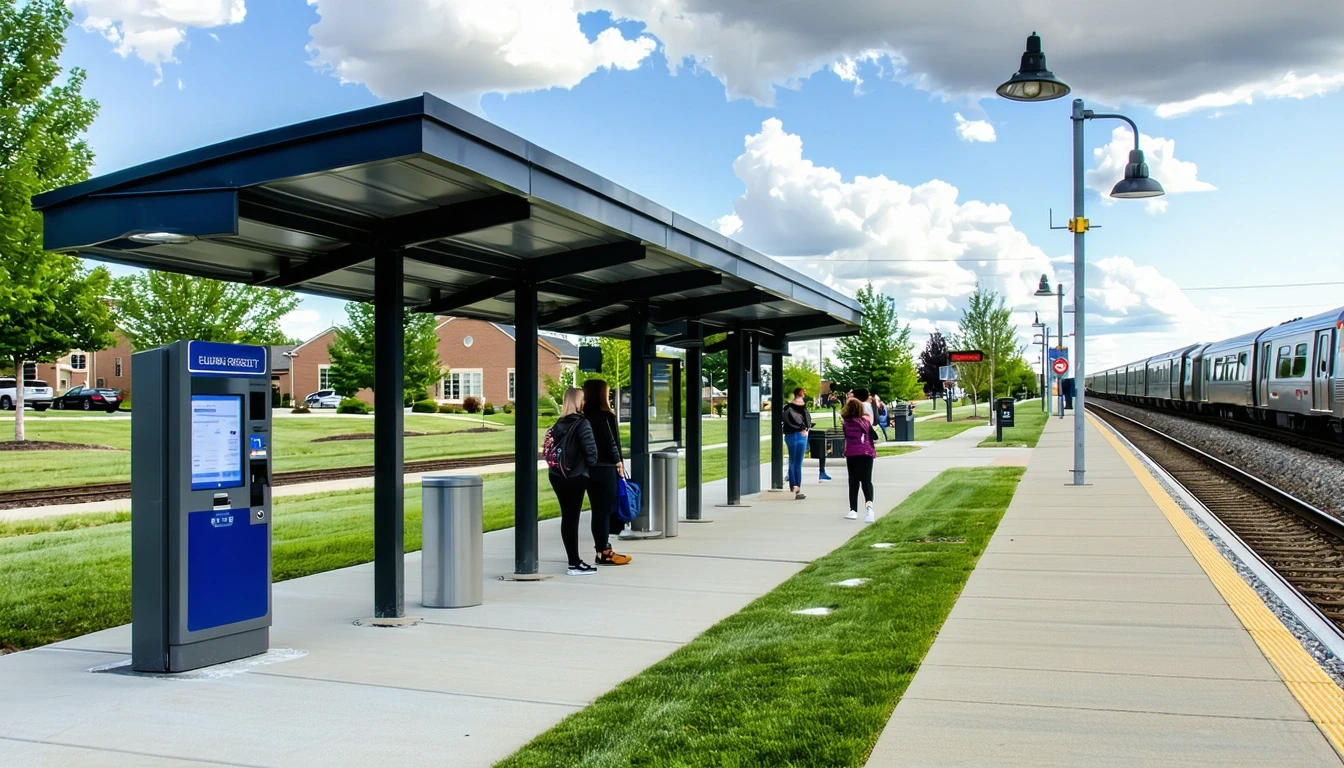
Public transit in Florissant centers around bus service, with no rail options present within city limits. Bus stops are distributed throughout the area, and routes typically connect Florissant to other parts of the St. Louis metro, including employment centers and regional destinations. However, transit plays a supporting role rather than serving as the backbone of daily mobility for most residents.
Bus service tends to work best for specific populations and trip types: commuters traveling to predictable destinations along established corridors, households able to structure schedules around fixed routes, and individuals whose housing and work locations align with service coverage. For these riders, transit offers a viable alternative to driving, particularly for peak-hour commutes where parking costs or traffic congestion make buses more attractive.
Where transit falls short is in coverage breadth, frequency, and off-peak availability. Florissant’s suburban geography means that many residential streets sit outside convenient walking distance to bus stops, and service intervals may not support spontaneous or time-sensitive trips. Evening and weekend schedules often thin out, limiting transit’s usefulness for shift workers, social activities, or errands outside traditional commute windows. Families managing multiple stops—daycare, grocery shopping, medical appointments—find that transit’s linear, fixed-route structure rarely accommodates the complexity of suburban household logistics.
Transit access in Florissant is real but narrow. It serves a minority of trips for a minority of households, and relying on it exclusively requires either exceptional alignment between your routine and available routes or significant compromises in convenience and flexibility.
Driving & Car Dependence Reality
Driving isn’t just the default in Florissant—it’s the structural expectation. The city’s road network, parking availability, and land use patterns all assume that residents will own and operate personal vehicles. This creates both advantages and obligations.
On the advantage side, driving offers unmatched flexibility. You control departure times, routes, and stops. Errands that would require multiple bus transfers or long waits become simple 10-minute trips. Families can manage complex schedules—dropping kids at school, commuting to work, picking up groceries, attending evening activities—without the coordination burden that transit imposes. Parking is generally abundant and free, removing a friction point common in denser cities.
But car dependence also locks in costs and exposure. Fuel prices, insurance premiums, maintenance schedules, and vehicle depreciation become household constants. A single-car household faces logistical strain when one partner needs the vehicle for work while the other manages errands or childcare. Multi-car households double those fixed costs, even if the second vehicle sits idle most days. And unlike transit, where you can skip a fare if you don’t ride, car ownership costs persist whether you drive daily or occasionally.
Florissant’s layout also means that driving distances add up quickly. The city’s footprint and the dispersed location of shopping, services, and employment centers translate into regular trips that stretch beyond neighborhood boundaries. Gas prices in the area currently sit at $2.41 per gallon, a relatively moderate rate, but the volume of driving required here means fuel becomes a recurring line item rather than an occasional expense.
For most households, the question isn’t whether to own a car—it’s how to structure vehicle ownership and usage to balance cost, convenience, and household needs. That calculation depends heavily on where you live within Florissant, where you work, and how many people in your household need independent mobility.
Commuting Patterns & Daily Mobility
Commuting in Florissant typically involves personal vehicles, and the structure of those commutes varies widely based on employment location. Residents working within Florissant or nearby suburbs often face short, predictable drives with minimal congestion. Those commuting into downtown St. Louis or other regional employment hubs absorb longer travel times and greater exposure to traffic variability.
The single-destination commute—home to work, work to home—is the simplest pattern and the one where transit might theoretically compete. But even here, car dependence dominates because parking at home is free, parking at work is often free or low-cost, and the time savings from driving usually outweigh any cost advantage transit might offer. For households where both partners work, especially in different directions or on different schedules, driving becomes non-negotiable.
Multi-stop commutes are where car dependence intensifies. Parents dropping children at daycare or school before heading to work, workers running errands during lunch breaks, and households managing medical appointments or service calls all rely on the flexibility that only personal vehicles provide. Transit’s fixed routes and schedules can’t accommodate this complexity, and walking or cycling aren’t viable given the distances involved.
Proximity matters significantly in Florissant. Residents living near their workplace or within Florissant’s commercial corridors enjoy shorter drives and lower fuel consumption. Those commuting to distant job sites or crossing into Illinois face longer trips and higher transportation exposure. The city’s position within the broader St. Louis metro means that commute patterns are highly individualized, shaped by employment location, household structure, and tolerance for time spent in transit.
Who Transit Works For — and Who It Doesn’t
Public transit in Florissant serves a narrow but real slice of the population. It works best for individuals whose housing and employment align with bus routes, who maintain predictable schedules, and who can tolerate the time and convenience tradeoffs that come with fixed-route service. Single commuters without childcare responsibilities, renters living along major corridors, and households willing to structure their routines around bus schedules can make transit work.
Transit becomes far less viable for families managing multiple dependents, shift workers with non-standard hours, and anyone whose daily routine involves multiple stops or time-sensitive obligations. The lack of pedestrian density means that even reaching a bus stop often requires a short drive or a long walk, undermining the cost savings transit might otherwise provide. And because bus service thins out in the evenings and on weekends, relying on transit exclusively means accepting significant limits on spontaneity and flexibility.
Homeowners, particularly those in Florissant’s more residential neighborhoods, rarely rely on transit. The combination of free parking, dispersed destinations, and the logistical demands of maintaining a household all push toward car ownership. Renters closer to commercial corridors have better access to bus routes, but even here, most choose driving when financially feasible because the time and convenience advantages are substantial.
Transit in Florissant isn’t broken—it’s limited. It serves specific trips for specific people, and it does so adequately. But it doesn’t replace the need for a car for the vast majority of households, and anyone considering life here without a vehicle should carefully assess whether their specific circumstances align with the narrow band where transit remains practical.
Transportation Tradeoffs in Florissant
Choosing between transit and driving in Florissant isn’t a balanced decision for most households—it’s a question of whether transit can supplement driving, not replace it. But understanding the tradeoffs helps clarify where each mode fits.
Driving offers control, flexibility, and speed. You leave when you want, stop where you need, and adjust plans on the fly. For families, multi-stop trips, and anyone with time-sensitive obligations, driving is the only realistic option. The cost is predictable in structure—fuel, insurance, maintenance—but exposed to external shocks like gas price spikes or unexpected repairs.
Transit offers lower direct costs for individual trips and eliminates the fixed burden of vehicle ownership. But it imposes time costs, schedule constraints, and geographic limits. A trip that takes 15 minutes by car might require 45 minutes by bus when you factor in walking to the stop, waiting, and potential transfers. And because service coverage is corridor-based, many destinations in Florissant simply aren’t accessible by transit without significant detours or gaps.
The real tradeoff isn’t cost versus convenience—it’s predictability versus flexibility. Transit works when your routine is stable, your destinations are fixed, and your schedule aligns with service availability. Driving works for everything else, which in Florissant means most trips for most people.
Cycling infrastructure exists in pockets, offering a third option for recreational riders or those living near specific routes. But the bike-to-road ratio remains in the medium band, meaning that cycling for transportation—commuting, errands, or daily mobility—is limited to a small subset of residents willing to navigate a car-oriented environment. Cycling here is more lifestyle choice than practical alternative.
FAQs About Transportation in Florissant (2026)
Is public transit usable for daily commuting in Florissant?
Public transit can work for daily commuting if your home and workplace align with bus routes and you can tolerate longer travel times compared to driving. Bus service is present and connects Florissant to other parts of the St. Louis metro, but coverage is corridor-based rather than comprehensive. Most residents find that driving offers significantly greater flexibility and time savings, making transit a supplemental option rather than a primary solution for daily commuting.
Do most people in Florissant rely on a car?
Yes. Florissant’s car-oriented infrastructure, low pedestrian density, and limited transit coverage mean that the vast majority of households depend on personal vehicles for daily mobility. Errands, commuting, and household logistics all typically require driving, and the city’s layout assumes car ownership as the baseline. Even households with access to bus service usually maintain at least one vehicle to handle trips that transit can’t accommodate efficiently.
Which areas of Florissant are easiest to live in without a car?
Living without a car in Florissant is challenging regardless of location, but areas closer to commercial corridors and bus routes offer the best chance of managing without a vehicle. Renters near grocery stores, clinics, and other essential services can reduce driving frequency, though they’ll still face significant limits on mobility and convenience. Even in these areas, most residents find that car ownership dramatically improves quality of life and access to employment, services, and social activities.
How does commuting in Florissant compare to nearby cities?
Commuting in Florissant reflects typical suburban patterns for the St. Louis metro: car-dependent, with travel times and distances shaped by employment location. Residents working locally face short, manageable drives, while those commuting to downtown St. Louis or other regional hubs absorb longer trips. Compared to denser urban cores with robust transit, Florissant offers less flexibility in transportation mode but benefits from lower congestion and abundant parking. Compared to more rural areas, Florissant provides better access to regional employment and services, though still within a car-oriented framework.
Can you bike safely for transportation in Florissant?
Cycling infrastructure exists in some parts of Florissant, but the overall bike-to-road ratio sits in the medium band, meaning that cycling for transportation remains limited and requires navigating a car-oriented environment. Recreational cycling is more common than commuting by bike, and most residents who cycle do so by choice rather than necessity. Safe cycling depends heavily on specific routes and comfort level sharing roads with vehicle traffic, and it’s not a practical substitute for driving for most trip types or households.
How Transportation Fits Into the Cost of Living in Florissant
Transportation in Florissant isn’t just a line item—it’s a structural factor that shapes housing decisions, time allocation, and household logistics. Because car ownership is effectively mandatory for most residents, the costs of vehicles, fuel, insurance, and maintenance become baseline expenses rather than optional spending. This affects affordability calculations in ways that aren’t always obvious at first glance.
A household comparing Florissant to a transit-rich urban core might see lower housing costs here and assume overall savings. But those savings can erode quickly when you factor in the cost of owning and operating one or two vehicles, especially for families where both partners work or where children’s activities require frequent driving. The flexibility and convenience that driving provides are real benefits, but they come with recurring costs that persist regardless of how much you actually drive.
For a detailed breakdown of how transportation fits into the broader picture of monthly expenses, including how fuel, insurance, and vehicle maintenance interact with housing, utilities, and other necessities, refer to the Monthly Budget article. That resource provides the numeric context needed to understand how transportation costs layer into overall affordability in Florissant.
The key insight is that transportation in Florissant isn’t a variable you can optimize away—it’s a fixed feature of the city’s structure. You can reduce driving frequency by choosing housing near work or essential services, and you can manage fuel costs by selecting efficient vehicles or carpooling. But you can’t eliminate the need for a car without accepting significant limits on mobility, employment access, and quality of life. Understanding that reality upfront helps you plan more accurately and avoid surprises once you’re settled here.
How this article was built: In addition to public economic data, this article incorporates location-based experiential signals derived from anonymized geographic patterns—such as access density, walkability, and land-use mix—to reflect how day-to-day living actually feels in Florissant, MO.