
Maya and Jordan were comparing job offers—one in Florissant, one farther west. The Florissant salary was lower, but the commute was shorter and the rent looked manageable. They ran the numbers, felt cautiously optimistic, and signed a lease. Six months in, they weren’t struggling—but they weren’t comfortable either. The car insurance, the gas, the winter heating bills, the realization that every errand required a drive. The income was enough. The margin wasn’t.
Living comfortably in Florissant isn’t about hitting a magic number. It’s about whether your income gives you room to absorb what the place actually costs—not just in dollars, but in time, planning, and flexibility. This article explains how income pressure works here, who feels it most, and how to judge whether your earnings and expectations align before you commit.
What “Living Comfortably” Means in Florissant
Comfort in Florissant doesn’t mean luxury. It means your housing doesn’t dictate every other decision. It means a surprise heating bill in January doesn’t derail your month. It means you can drive to work, run errands, and occasionally eat out without constantly recalculating.
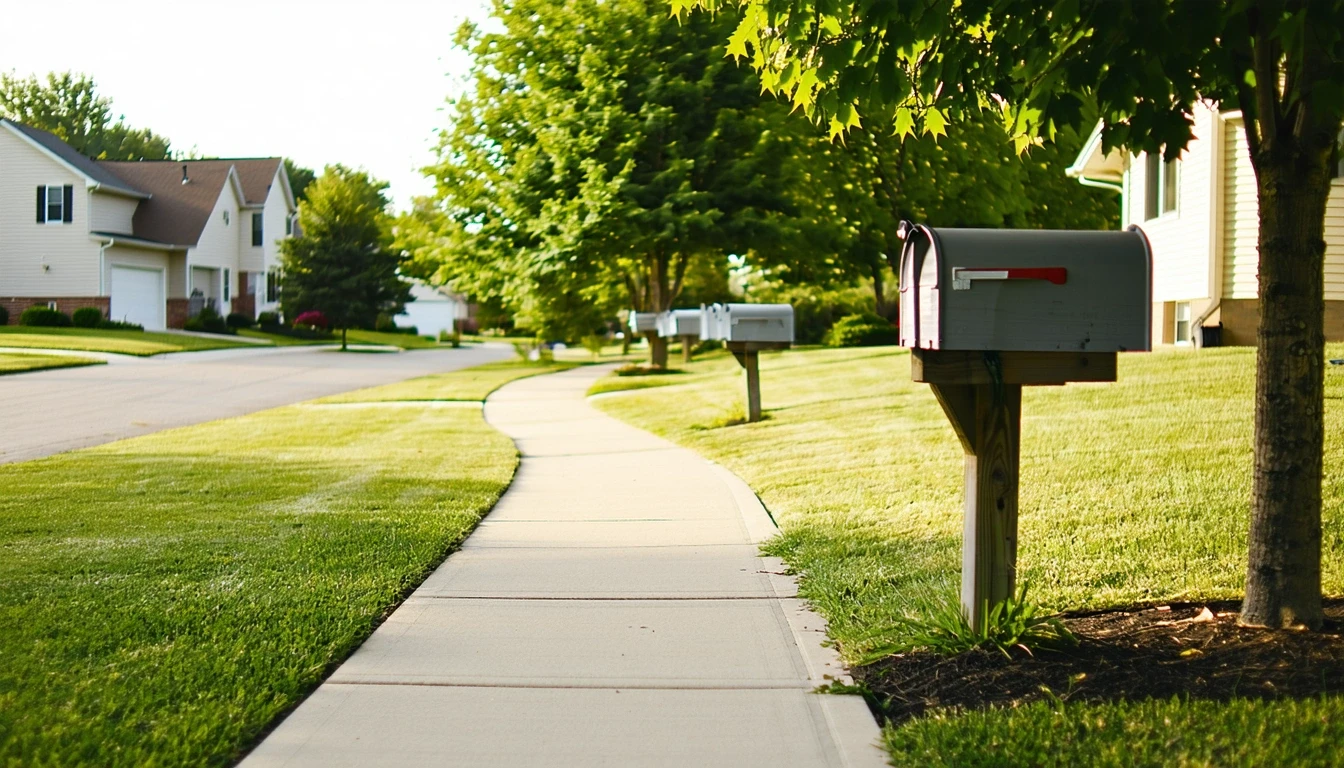
Florissant is a low-rise, car-oriented suburb in the St. Louis metro. Homes are modest, blocks are quiet, and the pace is steady. The regional price level sits slightly below the national average, which helps—but the structure of daily life here creates specific costs that income has to cover. You’ll need a reliable vehicle. You’ll plan errands around clusters, not walkable loops. You’ll heat your home through cold winters and cool it through humid summers. And if you have kids, you’ll appreciate the strong school and playground infrastructure, but you’ll still be driving them most places.
Comfort here is less about income level and more about income resilience: whether you can handle the fixed costs, the seasonal swings, and the transportation dependency without feeling constantly stretched.
Where Income Pressure Shows Up First
In Florissant, pressure doesn’t announce itself with one big expense. It accumulates across several non-negotiable categories, and the first squeeze points vary by household type.
Housing Tradeoffs
The median gross rent in Florissant is $1,195 per month. For a household earning the local median income of $64,178 per year (about $5,348 gross monthly), that rent sits just under the 30% affordability threshold often used as a rough guideline. It’s manageable—but it doesn’t leave much room for error. Single adults earning less than the median often find themselves choosing between location, space, and financial breathing room.
Homeownership is more accessible here than in many metro suburbs. The median home value is $125,200, which translates to lower monthly obligations for buyers who can manage the upfront costs. But ownership introduces its own pressures: property taxes, maintenance, insurance, and the reality that older homes sometimes need expensive repairs on short notice.
Transportation Dependency
Florissant’s infrastructure is car-oriented. Pedestrian paths are sparse, and while bus service exists, it doesn’t eliminate the need for a personal vehicle. Errands, work commutes, and family logistics all assume you’re driving.
That means car ownership isn’t optional—it’s a fixed cost. Insurance, fuel, maintenance, and registration fees add up quickly, and for households with two working adults, a second vehicle is often necessary. Gas prices in the area currently sit at $2.41 per gallon, which is moderate, but the real cost isn’t the per-gallon rate—it’s the cumulative miles required to live here. Every grocery run, every school pickup, every shift at work assumes you’re behind the wheel.
For single-income households, this dependency doubles the financial burden. For families, it adds logistical complexity that can’t be solved by walking or transit.
Seasonal Utility Exposure
Florissant experiences cold winters and warm, humid summers. Right now, it’s 31°F outside, feeling like 25°F—the kind of weather that keeps the furnace running. Heating costs are driven by natural gas, priced locally at $28.51 per thousand cubic feet, and electricity, at 12.95¢ per kilowatt-hour, powers cooling during the summer months.
Utility bills here aren’t steady. They spike in winter and summer, and households without budget billing or an emergency fund often feel the impact in their discretionary spending. Comfort means being able to heat and cool your home without rearranging your finances every season.
Family-Specific Pressure
Florissant has strong family infrastructure. Schools and playgrounds are well-distributed, and park density is high, with water features adding to the outdoor environment. For parents, this reduces some of the friction that comes with raising kids in a suburban setting.
But family life here still requires a car for nearly every activity. Practices, playdates, groceries, doctor visits—they all assume mobility. The infrastructure supports families, but it doesn’t eliminate the transportation and time costs that come with managing a household.
How the Same Income Feels Different by Household
Income pressure in Florissant isn’t uniform. Households at similar income levels often experience very different financial realities depending on their structure, fixed costs, and flexibility needs.
Single Adults
For single adults, rent consumes a larger share of income, and there’s no one to split fixed costs with. A $1,195 monthly rent on a solo income below the median leaves little room for transportation, utilities, and discretionary spending. Car dependency becomes especially expensive when you’re covering insurance, fuel, and maintenance alone.
Errands in Florissant are clustered along corridors rather than walkable from home, which means every trip requires planning and fuel. Single adults often find themselves managing a tight budget with limited margin for surprise expenses or seasonal bill increases.
Couples
Dual-income couples have more breathing room. Splitting rent or mortgage payments eases housing pressure, and shared transportation costs—even with two vehicles—feel less burdensome per person. Utility bills, internet, and other fixed expenses become more manageable when divided.
Couples also tend to have more flexibility in how they allocate income. One partner’s earnings might cover housing while the other handles transportation and discretionary spending. This structure creates resilience against seasonal cost swings and unexpected expenses.
Families
Families benefit from Florissant’s strong school and playground infrastructure, which reduces some of the logistical and financial friction common in other suburbs. But they also face higher space needs, which often push them toward homeownership or larger rental units.
Transportation costs multiply with kids. Multi-stop errands, school runs, and activity schedules all require a vehicle—and often two. Families also face higher utility usage, more grocery spending, and less discretionary income per person. Comfort for families here depends on whether both adults are earning and whether the household has enough margin to absorb the fixed and variable costs that come with raising children in a car-dependent suburb.
The Comfort Threshold (Qualitative)
There’s a point where income stops dictating behavior and starts enabling choice. You’re not counting gas money before driving to the store. You’re not delaying home repairs because the timing is bad. You’re not choosing between heating the house adequately and saving a little each month.
In Florissant, that threshold isn’t defined by a single number—it’s defined by the ability to handle the place’s cost structure without constant tradeoffs. It means:
- Your housing cost leaves room for transportation, utilities, and discretionary spending.
- You can absorb seasonal utility swings without cutting back elsewhere.
- You have a financial buffer for car maintenance, home repairs, or medical expenses.
- You’re not forced into a second job or side income just to cover baseline costs.
- You can occasionally spend money on dining, entertainment, or travel without guilt or financial stress.
Households below this threshold aren’t necessarily struggling—they’re managing. But they’re also constantly aware of their financial limits, and that awareness shapes daily decisions in ways that erode comfort over time.
Why Online Cost Calculators Get Florissant Wrong
Most cost-of-living calculators will tell you Florissant is affordable. They’ll add up rent, utilities, groceries, and transportation, produce a total, and imply that if your income exceeds that number, you’re fine.
But totals don’t explain pressure. They don’t account for the fact that car dependency here isn’t optional, or that errands require planning and fuel, or that winter heating bills can double your utility costs for months at a time. They don’t distinguish between a household that’s covering expenses and one that’s comfortable.
Calculators also assume average behavior—but your comfort depends on your specific needs. If you value walkability, Florissant’s car-oriented layout will frustrate you no matter what the numbers say. If you need frequent access to specialized healthcare, the lack of a local hospital will add time and travel costs. If you expect urban amenities or dense transit options, you’ll feel the absence daily.
People often feel surprised after moving here not because the costs were hidden, but because the structure of daily life—the driving, the planning, the seasonal swings—wasn’t reflected in the affordability math they relied on.
How Daily Life in Florissant Shapes What You Actually Spend
Understanding income pressure here requires understanding how the place itself structures your day. Florissant’s layout, infrastructure, and seasonal rhythms create cost patterns that aren’t obvious from a spreadsheet.
Because the street network has minimal pedestrian infrastructure and errands are clustered along commercial corridors rather than distributed walkably, nearly every household task requires a car. Grocery shopping isn’t a ten-minute walk—it’s a drive, often combined with other stops to save trips. That planning reduces frequency but doesn’t eliminate fuel costs or the need for a reliable vehicle. Families running kids to school, activities, and appointments face even more driving, which compounds both time and money costs.
The car-oriented texture also means that spontaneous errands feel more expensive. Picking up one forgotten item isn’t a quick errand—it’s a round trip that burns time and gas. Households adapt by batching trips and planning more carefully, but that adds a mental load that isn’t captured in any budget line.
Transit exists—bus service is present—but it doesn’t change the fundamental dependency on personal vehicles. For most households, the bus is a backup option, not a primary mode. That means transportation costs remain high and fixed, regardless of how much you actually drive in a given month.
What the Infrastructure Means for Your Budget
This structure doesn’t just affect transportation—it shapes how much margin you need in every other category. If your car breaks down, you can’t walk to work or take the train. You’re paying for a rental or repair immediately. If gas prices spike, you can’t switch to transit. You absorb the increase.
The strong family infrastructure—schools, playgrounds, and parks—reduces some costs by providing free or low-cost spaces for kids. But it doesn’t eliminate the need to drive to those spaces, or to manage the logistics of getting everyone where they need to be on time.
Comfort in Florissant depends on whether your income can absorb these structural costs without forcing you to constantly optimize, defer, or cut back.
How to Judge Whether Your Income Fits Florissant
Instead of asking “How much do I need to earn?” ask yourself these questions:
- Can I afford a reliable vehicle and the ongoing costs of ownership? Insurance, fuel, maintenance, and registration aren’t optional here.
- Does my housing budget leave room for transportation and utilities? If rent or mortgage consumes most of your income, the other fixed costs will squeeze you.
- Can I absorb a $200–$300 surprise expense without financial stress? Car repairs, medical bills, and seasonal utility spikes happen regularly.
- Am I comfortable with car-dependent errands and planning-based logistics? If you expect walkability or dense transit, Florissant will feel limiting no matter your income.
- Do I have income resilience, not just income adequacy? Covering baseline costs isn’t the same as having margin for variability, savings, or discretionary spending.
If you answered “no” or “barely” to more than one of these, your income may technically cover Florissant’s costs—but you’re unlikely to feel comfortable here.
FAQs About Living Comfortably in Florissant
Is Florissant affordable for single adults?
It depends on your income and expectations. Rent at $1,195 per month is manageable for earners near or above the local median, but single adults below that threshold often feel stretched once transportation and utilities are factored in. Car dependency makes it harder to keep costs low, and there’s no one to split fixed expenses with.
Can families live comfortably here on one income?
It’s difficult. Families face higher space needs, transportation costs, and utility usage. Single-income households often find themselves with little discretionary spending and limited ability to absorb unexpected expenses. Dual income provides significantly more breathing room.
How much do transportation costs really add up?
More than most people expect. Car ownership here isn’t just about gas—it’s insurance, maintenance, registration, and the reality that breakdowns or repairs can’t be deferred. For two-car households, these costs double. And because errands require driving, fuel expenses accumulate steadily even if you’re not commuting long distances.
Does Florissant’s lower cost of living mean I can earn less and feel the same?
Not necessarily. The regional price level is slightly below the national average, which helps with some costs—but the structure of life here (car dependency, seasonal utility swings, limited walkability) creates pressures that don’t show up in cost-of-living indexes. You may spend less than in a higher-cost city, but you’ll still need income resilience to feel comfortable.
What’s the biggest financial surprise people face after moving here?
The cumulative cost of car dependency. People expect to drive more, but they underestimate how much that affects their monthly budget and daily flexibility. The need to plan every errand, the inability to walk to nearby amenities, and the reality that transit doesn’t replace personal vehicles—all of this adds friction that isn’t obvious until you’re living it.
How this article was built: In addition to public economic data, this article incorporates location-based experiential signals derived from anonymized geographic patterns—such as access density, walkability, and land-use mix—to reflect how day-to-day living actually feels in Florissant, MO.
Florissant can work well for some households—but only if expectations match reality. Comfort here depends less on hitting a specific income threshold and more on whether your earnings, household structure, and lifestyle preferences align with what the place actually costs in time, money, and flexibility. If you value low housing costs and strong family infrastructure, and you’re prepared for car dependency and seasonal utility swings, Florissant offers a stable, manageable suburban life. If you expect walkability, dense amenities, or minimal transportation costs, you’ll feel the mismatch no matter how affordable the rent looks on paper.