
Florissant’s housing market reflects its position as an established inner-ring suburb in North St. Louis County—a place where home values sit well below regional averages but where the full cost of ownership extends beyond the purchase price. With a median home value of $125,200 and median rent at $1,195 per month, the city offers accessible entry points for both renters and buyers. But understanding what shapes the cost of living in Florissant means looking past the sticker price to the structure beneath: how transportation dependency, utility exposure, and maintenance burden combine to define what housing actually costs over time.
This article breaks down housing cost behavior in Florissant—not what you qualify for, but what you’re exposed to once you’re here.
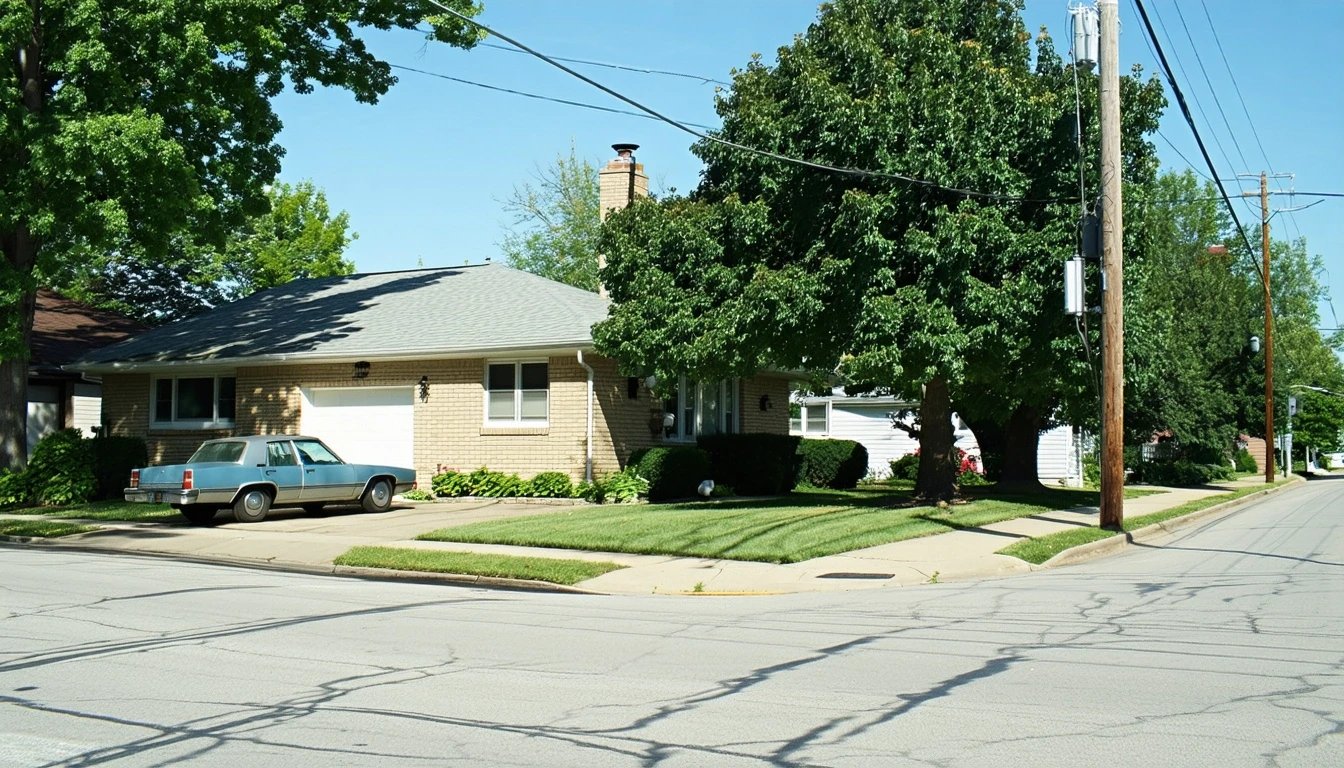
The Housing Market in Florissant Today
Florissant operates as a mature suburban market where housing stock is largely established and turnover is steady rather than speculative. The median home value of $125,200 positions the city as one of the more affordable ownership markets in the St. Louis metro, particularly when compared to West County suburbs or more recently developed exurban areas. This isn’t a market driven by new construction or rapid appreciation—it’s a market shaped by longevity, where many homes have been standing for decades and where value is tied more to condition and location within the city than to broader metro momentum.
What newcomers often misunderstand is that Florissant’s affordability is structural, not temporary. The regional price parity index of 96 confirms that costs here run below the national baseline, and that discount applies across categories—not just housing. But the tradeoff is infrastructure age and car dependency. Florissant’s low-rise, car-oriented layout means that owning or renting here also means budgeting for transportation as a non-negotiable expense. There’s no walkable downtown to fall back on, and transit options are limited to bus service. The housing may be cheap, but the mobility cost is baked in.
For buyers, this market rewards those who can assess total exposure—not just the mortgage, but the taxes, the maintenance, the utilities, and the commute. For renters, it’s a market where options are limited and landlords hold leverage, particularly in single-family rental stock that dominates the suburban rental landscape.
Renting in Florissant
At $1,195 per month, median gross rent in Florissant represents a significant share of the median household income of $64,178 per year—roughly 22% before taxes, or closer to 30% of take-home pay for a household at the median. That’s within the traditional affordability guideline, but it leaves little margin for error, particularly in a market where rental stock is limited and competition can be fierce for well-maintained units.
Florissant’s rental market is not apartment-heavy. Much of the available rental stock consists of single-family homes or small multi-family buildings, which means renters face a different cost structure than they would in a high-rise market. Landlords pass through maintenance, lawn care, and sometimes utilities, and lease terms often reflect the expectations of suburban homeownership—longer commitments, stricter rules, and less flexibility than urban apartment living.
The car-oriented layout adds another layer of cost. Renters here can’t rely on transit or walkability to reduce transportation expenses. Errands are corridor-clustered, meaning grocery stores and daily services are accessible by car but not on foot. For renters without reliable transportation, this creates friction that goes beyond the rent check—time, logistics, and dependency on others become part of the cost equation.
Rental pressure in Florissant is also shaped by the broader metro dynamics. As inner-ring suburbs, Florissant competes with nearby municipalities for renters priced out of the city or unwilling to move farther west. That competition keeps rents from falling, even as ownership remains accessible. For renters, the calculus often comes down to whether staying flexible is worth paying nearly as much as a mortgage would cost.
Owning a Home in Florissant
Ownership in Florissant starts with a low barrier to entry—$125,200 is within reach for many first-time buyers, particularly those with stable income and modest down payment savings. But the purchase price is only the beginning of the exposure. Property taxes, insurance, maintenance, and utilities all compound over time, and in a market where housing stock skews older, the maintenance burden can be substantial.
Property taxes in Missouri are locally assessed and vary by municipality, school district, and special taxing districts. While specific rates for Florissant are not provided in the data, buyers should expect taxes to represent a meaningful share of annual ownership costs—often rivaling or exceeding the mortgage payment itself in lower-priced markets. Unlike rent, which is fixed for the lease term, property taxes can rise with reassessments, and homeowners have limited control over that trajectory.
Maintenance is another long-term exposure that distinguishes ownership from renting. Florissant’s housing stock includes many homes built in the mid-to-late 20th century, and older homes carry higher upkeep costs—roofs, HVAC systems, plumbing, and electrical infrastructure all age on predictable timelines. Buyers who underestimate this exposure often find themselves managing deferred maintenance within the first few years of ownership, particularly if the previous owner delayed major repairs.
Utility costs also shift with ownership. Homeowners pay for heating, cooling, water, sewer, and trash directly, and in a climate with cold winters and hot, humid summers, those bills fluctuate seasonally. Natural gas at $28.51 per MCF and electricity at 12.95¢/kWh are both near or below national averages, but usage intensity matters more than rates. Older homes with poor insulation or aging HVAC systems can see utility bills spike during extreme weather, and those costs are entirely the owner’s responsibility.
Ownership in Florissant is a bet on stability and control. It works best for households that can absorb volatility, plan for maintenance, and commit to staying long enough to offset transaction costs. It’s not a market where rapid appreciation will bail out a bad decision—it’s a market where discipline and foresight determine whether ownership pays off.
Apartment vs House in Florissant — Cost Behavior Comparison
| Expense Category | Apartment | House |
|---|---|---|
| Heating & Cooling Exposure | Shared walls and smaller square footage reduce seasonal swings; landlord may cover some utilities | Full exposure to seasonal extremes; older single-family homes with poor insulation see noticeable spikes in winter heating and summer cooling |
| Maintenance Responsibility | Landlord handles major systems, exterior, and structural repairs; tenant risk limited to lease terms | Owner absorbs all maintenance and replacement costs; aging housing stock in Florissant increases likelihood of deferred systems (roof, HVAC, plumbing) |
| Transportation Dependency | Apartments near commercial corridors reduce trip frequency but still require car ownership; no walkable errand access | Single-family neighborhoods are car-dependent by design; every errand, commute, and service trip requires a vehicle |
| Property Tax Exposure | Not directly billed; embedded in rent but insulated from reassessment volatility during lease term | Direct annual obligation; subject to reassessment and rate changes; can rise independently of home value |
Why these differences matter in Florissant: The city’s car-oriented layout and low-rise building character mean that both apartments and houses require vehicle ownership, but houses amplify exposure through larger square footage, older systems, and direct responsibility for all utilities and upkeep. Apartments provide insulation from maintenance risk and seasonal utility swings, but they don’t eliminate transportation costs or provide the stability of fixed housing costs that ownership can offer. Categories like water/sewer and trash are omitted because they’re typically bundled or negligible in apartments and predictable in houses—they don’t vary meaningfully by housing type in this market.
Utilities & Upkeep Differences
Utility and maintenance costs in Florissant are shaped by climate, housing age, and infrastructure. The city experiences cold winters and hot, humid summers—conditions that drive heating and cooling to the top of the utility expense hierarchy. Natural gas heats most homes during winter months, and electricity powers air conditioning through extended summer heat. While rates are reasonable, usage intensity varies widely depending on home size, insulation quality, and system efficiency.
Older single-family homes—common in Florissant’s established neighborhoods—tend to have higher utility exposure than newer or smaller units. Poor insulation, single-pane windows, and aging HVAC systems all increase energy consumption, and homeowners bear the full cost of upgrades. Apartments, by contrast, benefit from shared walls and smaller conditioned spaces, which naturally reduce heating and cooling loads. Landlords may also cover some utilities, further insulating tenants from seasonal swings.
Maintenance differences are even more pronounced. Homeowners in Florissant manage everything from lawn care to roof replacement, and in a market where housing stock skews older, the likelihood of major system failures increases with each passing year. HVAC systems, water heaters, and roofing all have finite lifespans, and replacement costs can run into the thousands. Apartment tenants, meanwhile, are largely shielded from these expenses—landlords handle structural repairs, and tenants’ financial exposure is limited to lease terms and security deposits.
The car-oriented layout also affects upkeep indirectly. Homeowners with driveways, garages, and yards face ongoing maintenance that apartment dwellers avoid—snow removal, lawn care, exterior painting, and driveway repairs all add to the time and cost burden of ownership. These aren’t one-time expenses; they’re recurring obligations that compound over the years.
Rent vs Buy: Long-Term Exposure in Florissant
The rent-versus-buy decision in Florissant isn’t about which option costs less in month one—it’s about which cost structure aligns with your tolerance for volatility, your timeline, and your ability to absorb long-term exposure.
Renting offers predictability within the lease term. Your monthly payment is fixed, and your financial exposure is capped. If the furnace dies or the roof leaks, it’s the landlord’s problem. But that predictability comes with tradeoffs: no equity accumulation, no control over renewal terms, and no protection from rent increases when the lease expires. In a tight suburban rental market like Florissant’s, landlords hold leverage, and renters face the risk of being priced out or forced to move when they’d prefer to stay.
Ownership, by contrast, is a bet on control and stability. Your principal and interest payments are fixed (assuming a fixed-rate mortgage), and you’re building equity with every payment. But ownership also means absorbing all the risks that renters avoid—property tax increases, maintenance surprises, and utility volatility. In Florissant, where housing stock is older and infrastructure is car-dependent, those risks are not hypothetical. Roofs fail, HVAC systems break, and property taxes adjust with reassessments. Owners who can’t handle those shocks either defer maintenance (which compounds the problem) or find themselves financially stretched.
The long-term calculus also depends on how long you stay. Ownership in Florissant rewards longevity. Transaction costs—closing fees, moving expenses, and the time required to sell—mean that buyers who leave within a few years often lose money, even if the home appreciates modestly. Renters, meanwhile, can leave at the end of a lease with minimal financial penalty, which makes renting the better choice for anyone with uncertain timelines or high mobility.
Another factor is the hidden cost of car dependency. Both renters and owners in Florissant need reliable transportation, but homeowners in single-family neighborhoods often face longer trips for errands, services, and social activities. That’s not a housing cost in the traditional sense, but it’s part of the total cost structure that comes with living here. Renters in apartments near commercial corridors may reduce trip frequency slightly, but the car remains non-negotiable.
Ultimately, the choice comes down to risk tolerance and timeline. Renting makes sense for households that value flexibility, can’t absorb maintenance shocks, or plan to move within a few years. Ownership makes sense for those who can handle volatility, plan to stay long enough to offset transaction costs, and want the stability and equity-building that come with a fixed mortgage payment. Neither option is universally better—each fits a different set of circumstances.
FAQs About Housing Costs in Florissant
Is buying a home in Florissant cheaper than renting long-term?
Not automatically. While the median home value of $125,200 is accessible, ownership includes property taxes, insurance, maintenance, and utilities—all of which compound over time. Renting at $1,195 per month avoids those risks but offers no equity. Ownership is cheaper long-term only if you stay long enough to offset transaction costs and can absorb maintenance volatility without financial strain.
How does Florissant’s car dependency affect housing costs?
Florissant’s car-oriented layout means transportation is a non-negotiable expense for both renters and owners. Errands are corridor-clustered, and transit is limited to bus service. That adds fuel, insurance, and vehicle maintenance to the total cost of living here, and it’s an expense that doesn’t show up in rent or mortgage payments but affects household budgets just as much.
What should first-time buyers watch for in Florissant’s housing market?
Focus on total exposure, not just the purchase price. Many homes in Florissant are older, which means higher maintenance risk—roofs, HVAC, plumbing, and electrical systems all age on predictable timelines. Buyers who underestimate upkeep costs often find themselves managing deferred maintenance within the first few years. Get a thorough inspection and budget for repairs from day one.
Are property taxes in Florissant stable or volatile?
Property taxes in Missouri are locally assessed and can rise with reassessments or changes in taxing district rates. While specific rates for Florissant aren’t provided here, buyers should expect taxes to represent a meaningful share of annual ownership costs and should plan for the possibility of increases over time. Unlike rent, which is fixed during the lease term, property taxes are outside the homeowner’s control.
Does renting in Florissant offer more flexibility than owning?
Yes, but with limits. Renters can leave at the end of a lease with minimal financial penalty, which makes renting the better choice for anyone with uncertain timelines. But Florissant’s rental market is tight, and landlords hold leverage—renewal terms aren’t guaranteed, and rent increases can force moves even when you’d prefer to stay. Flexibility comes at the cost of stability.
Making Housing Choices in Florissant
Housing costs in Florissant are shaped by accessible entry prices, aging infrastructure, and car-dependent geography. The median home value of $125,200 and median rent of $1,195 per month both sit below regional averages, but that affordability comes with tradeoffs—older housing stock, higher maintenance exposure, and transportation dependency that adds hidden costs to every household budget.
Renters gain flexibility and insulation from maintenance risk, but they face a tight market where landlords control terms and rent increases can force moves. Owners gain stability and equity, but they absorb all the volatility—property taxes, utilities, and upkeep—that renters avoid. Neither path is universally better; each fits a different tolerance for risk, timeline, and financial capacity.
For households trying to understand a month of expenses in Florissant, housing is the anchor—but it’s not the whole picture. Transportation, utilities, and daily errands all interact with housing choices in ways that shape the total cost of living here. The key is to look past the sticker price and assess the full structure of exposure: what’s fixed, what’s volatile, and what you can control.
Florissant rewards households that plan for the long term, budget for maintenance, and understand that affordability isn’t just about the rent check or the mortgage payment—it’s about the total cost of being here, month after month, year after year.
How this article was built: In addition to public economic data, this article incorporates location-based experiential signals derived from anonymized geographic patterns—such as access density, walkability, and land-use mix—to reflect how day-to-day living actually feels in Florissant, MO.