
Many people moving to Saint Peters assume utility bills will be predictable and modest because Missouri’s cost of living sits below the national average. The truth is more nuanced: while base rates are reasonable, the real driver of what you’ll pay each month isn’t the price per kilowatt-hour or therm—it’s how Saint Peters’ Midwest climate, housing stock, and seasonal swings shape your usage. Understanding utilities cost in Saint Peters means looking past the rate sheet and into the structure of exposure, volatility, and control.
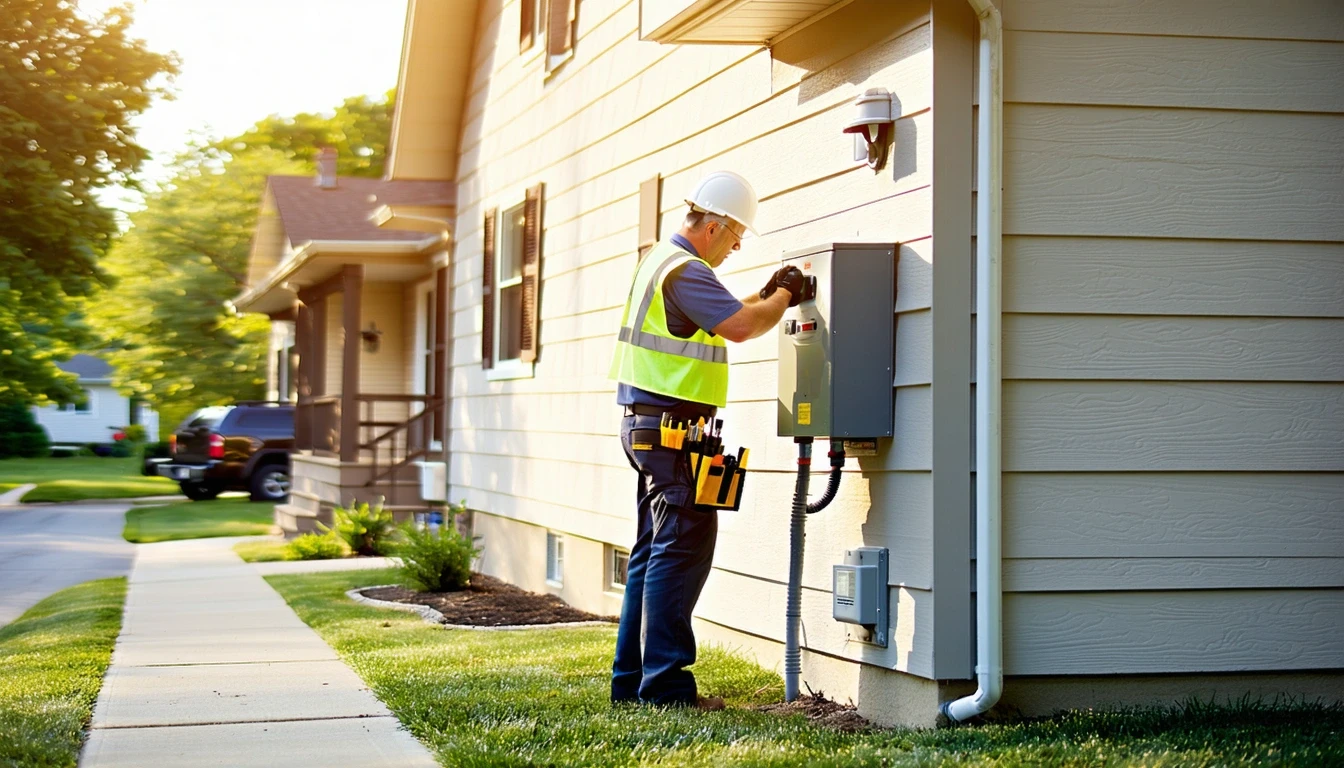
Understanding Utilities in Saint Peters
Utilities represent the second-largest fixed expense for most households after housing, and in Saint Peters, they behave less like a flat monthly fee and more like a variable cost tied to weather, home efficiency, and household behavior. For a mid-size household in a single-family home, utilities typically include electricity, natural gas, water, trash, and recycling. Apartments and townhomes often bundle some of these services into rent or HOA fees, but standalone homes bear the full seasonal exposure.
What makes Saint Peters distinct is its position in the St. Louis metro’s outer suburban ring. The housing stock skews toward single-family homes built between the 1980s and 2010s, many with central air conditioning, gas furnaces, and larger square footage than urban apartments. That means more space to heat and cool, and more surface area exposed to Missouri’s temperature extremes. Summers here are hot and humid, with stretches of weather that push air conditioners into daily overtime. Winters bring cold snaps that spike natural gas usage for weeks at a time. Spring and fall offer brief windows of lower usage, but they’re short.
For newcomers, the surprise often comes in July or January, when a bill that seemed manageable in April suddenly doubles. That’s not a billing error—it’s the cost structure revealing itself. Utilities in Saint Peters are less about the rate you’re charged and more about how much energy your home demands when the weather turns. The households that manage this well are the ones who understand the levers they control: insulation, thermostat discipline, and appliance efficiency. The ones caught off guard are usually those who assumed their experience in a different climate or housing type would translate directly.
Utilities at a Glance in Saint Peters
The table below shows how core utility costs typically behave for a mid-size household in a single-family home in Saint Peters. Where city-level prices are available in the data feed, they are shown directly. When exact figures are not provided, categories are described qualitatively to reflect how costs are structured and what drives variability.
| Utility | Cost Structure |
|---|---|
| Electricity | ~$119/month (illustrative, based on 1,000 kWh at 11.91¢/kWh) |
| Water | Tiered pricing; usage-dependent |
| Natural Gas | ~$16/month baseline; winter heating months significantly higher |
| Trash & Recycling | Often bundled with water or HOA fees |
| Total | Seasonal variability driven by electricity and heating |
This table reflects utility cost structure for a mid-size household in a single-family home in Saint Peters during 2026. Where exact figures are not provided in the IndexYard data feed, categories are described directionally to reflect how costs behave rather than a receipt-accurate total.
Electricity is billed per kilowatt-hour at 11.91¢/kWh in Saint Peters, which sits comfortably below many coastal markets but still translates into significant monthly costs during peak cooling season. A household using 1,000 kWh per month—a reasonable baseline for a three-bedroom home with central air—would see an illustrative bill around $119 before fees and taxes. That figure can climb substantially in July and August when air conditioners run daily, and it drops in spring and fall when heating and cooling needs are minimal. Electricity is typically the most exposure-sensitive utility in Saint Peters, driven more by climate and home efficiency than by base rates.
Water costs in Saint Peters are structured around tiered usage, meaning the more you use, the higher the per-unit rate climbs. Exact pricing varies by provider and neighborhood, but the pattern is consistent: modest use stays affordable, while irrigation, pools, or large households push bills higher. Water is rarely the dominant cost driver, but it’s also rarely negligible, especially in summer when outdoor watering increases.
Natural gas is priced at $16.48 per MCF (thousand cubic feet) in the region, and for most Saint Peters households, it powers the furnace, water heater, and sometimes the stove or dryer. During mild months, gas bills are minimal—often under $20. But in December, January, and February, when the furnace runs daily to combat freezing temperatures, usage can multiply several times over. A household using 1 MCF per month during heating season would see an illustrative cost around $16 for that usage alone, but multi-day cold snaps can push consumption much higher.
Trash and recycling are typically billed together, either as a standalone monthly fee or bundled into water service or HOA dues. In Saint Peters, the structure varies by neighborhood and provider, but the cost is generally stable and predictable—one of the few utilities that doesn’t swing with the seasons.
How Weather Impacts Utilities in Saint Peters
Saint Peters sits squarely in the Midwest’s seasonal crossfire. Summers are hot and humid, with stretches of days where the heat index climbs into the 90s or higher, and air conditioning isn’t optional—it’s a necessity. Humidity makes the heat feel heavier, and homes without modern insulation or efficient HVAC systems work harder to stay comfortable. Many households see their electric bills double or triple from May to September compared to the mild shoulder months of spring.
Winters bring the opposite pressure. Cold snaps push temperatures well below freezing, and natural gas furnaces run almost continuously to keep homes livable. Unlike electricity, which scales gradually with usage, heating costs can spike sharply during prolonged cold stretches. A week of single-digit temperatures can consume as much gas as an entire mild month, and households without programmable thermostats or adequate insulation feel that exposure most acutely.
Spring and fall offer brief relief. April, May, October, and early November are the months when Saint Peters households can open windows, turn off HVAC systems, and see utility bills drop to their baseline. These are the months that reveal what your home actually costs to operate when weather isn’t forcing your hand. For anyone evaluating overall living costs in Saint Peters, understanding this seasonal rhythm is critical—it’s not just about the average, it’s about the range.
How to Save on Utilities in Saint Peters
Reducing utility costs in Saint Peters starts with understanding which expenses you control and which are driven by external forces. You can’t change the weather, but you can change how your home responds to it. The highest-impact strategies focus on reducing heating and cooling demand, which together account for the majority of residential energy use in the region.
Insulation and air sealing are foundational. Homes built before 2000 often have gaps around windows, doors, and attics that let conditioned air escape and outdoor air infiltrate. Sealing those leaks and adding insulation reduces the load on your HVAC system year-round. Programmable or smart thermostats allow you to set temperatures based on occupancy, so you’re not heating or cooling an empty house during work hours. Even a few degrees of adjustment—68°F in winter, 76°F in summer—can reduce usage without sacrificing comfort.
Beyond the basics, consider these strategies:
- Enroll in budget billing or equalized payment plans if your provider offers them. These smooth out seasonal spikes by averaging your annual usage into consistent monthly payments, making it easier to plan.
- Upgrade to energy-efficient appliances when replacements are due. Modern HVAC systems, water heaters, and refrigerators use significantly less energy than models from even a decade ago.
- Plant shade trees on the south and west sides of your home to reduce solar heat gain in summer. This is a long-term investment, but it pays off in lower cooling costs for years.
- Check for utility rebates on efficiency upgrades. Many providers in the St. Louis metro area offer incentives for insulation, HVAC replacements, and smart thermostats.
- Monitor your usage through your provider’s online portal or app. Identifying spikes early lets you adjust behavior before the bill arrives.
🏆 Tip: Check if your provider in Saint Peters offers rebates for energy-efficient AC units or heating systems. These programs can offset a significant portion of upgrade costs and reduce long-term exposure to seasonal bill swings.
FAQs About Utility Costs in Saint Peters
Why do utility bills in Saint Peters spike so much in summer and winter? Saint Peters experiences Midwest seasonal extremes, with hot, humid summers that demand constant air conditioning and cold winters that require sustained heating. Unlike milder climates where HVAC systems cycle on and off, Saint Peters homes often run heating or cooling for hours at a time during peak months, which drives usage—and costs—sharply higher.
How much should a family of four budget for utilities in Saint Peters each month? Utility costs vary widely based on home size, efficiency, and season, but a mid-size household in a single-family home should expect electricity and natural gas to be the dominant expenses. During mild months, combined utility costs may stay modest, but in July or January, bills can climb significantly. The key is to plan for seasonal variability rather than assuming a flat monthly figure.
Do utility providers in Saint Peters offer budget billing or equalized payment plans? Many providers in the St. Louis metro area, including those serving Saint Peters, offer budget billing programs that average your annual usage into consistent monthly payments. This doesn’t reduce your total cost, but it eliminates the shock of a $250 summer electric bill by spreading that exposure across the year. Contact your provider to see if you qualify.
Are trash and recycling billed separately in Saint Peters or included with water service? It depends on your neighborhood and provider. In some parts of Saint Peters, trash and recycling are bundled into water bills; in others, they’re billed separately or included in HOA fees. New residents should confirm billing structure with their landlord or utility provider during move-in to avoid surprises.
How does seasonal weather affect monthly utility bills in Saint Peters compared to other Missouri cities? Saint Peters experiences similar seasonal swings to other St. Louis metro suburbs, with summer cooling and winter heating driving the majority of cost variability. Compared to rural Missouri towns with older housing stock or urban St. Louis neighborhoods with smaller apartments, Saint Peters’ suburban single-family homes tend to have higher baseline usage due to larger square footage and more exposure to outdoor temperatures.
How Utilities Fit Into the Cost Structure in Saint Peters
Utilities in Saint Peters function as a cost driver and volatility factor, not a fixed line item. They don’t behave like rent or a car payment—they respond to weather, usage, and household behavior, which means they introduce variability into monthly expenses that some households manage well and others find destabilizing. The households that succeed here are the ones who treat utilities as a system to optimize rather than a bill to accept.
What makes Saint Peters distinct from denser urban environments is the way its built form shapes utility exposure. The city’s walkable pockets and mixed land use mean some residents live in townhomes or apartments with shared walls and lower square footage, which naturally reduces heating and cooling costs. But the majority of housing stock consists of single-family homes with full exposure to the elements, and those homes carry higher baseline usage. The corridor-clustered layout of errands and services means most households still rely on cars for daily needs, but the presence of pedestrian infrastructure in parts of the city suggests a subset of residents can reduce transportation costs, freeing up budget flexibility for utilities or other expenses.
The interplay between housing type, climate exposure, and household logistics creates a cost structure where utilities aren’t just about the rate you’re charged—they’re about how much energy your home demands and how much control you have over that demand. A well-insulated home with a programmable thermostat and energy-efficient appliances can weather Saint Peters’ seasonal extremes without catastrophic bill spikes. A poorly insulated home with an aging HVAC system and no usage discipline will see costs climb sharply in July and January, and those spikes can strain budgets that otherwise look manageable on paper.
For a complete picture of how utilities interact with housing, transportation, and other fixed costs in Saint Peters, explore the broader cost breakdown and budget planning resources available through IndexYard. Utilities are one piece of the puzzle, but they’re a piece that reveals a lot about how a household operates and where financial pressure concentrates.
How this article was built: In addition to public economic data, this article incorporates location-based experiential signals derived from anonymized geographic patterns—such as access density, walkability, and land-use mix—to reflect how day-to-day living actually feels in Saint Peters, MO.
—