
A couple earning $95,000 gross can live well in Saint Peters—until they try to match the lifestyle their friends with the same income enjoy two counties over. A single professional making $52,000 might feel stretched here, yet comfortable in a neighboring metro. The gap isn’t the paycheck. It’s the invisible structure underneath: what you’re expected to own, how far you’re expected to drive, and what “normal” looks like when everyone else has a yard.
Saint Peters doesn’t punish low earners with high costs. It punishes mismatched expectations. The income you need depends less on the city’s price tags and more on whether your mental model of comfort aligns with what the place actually delivers.
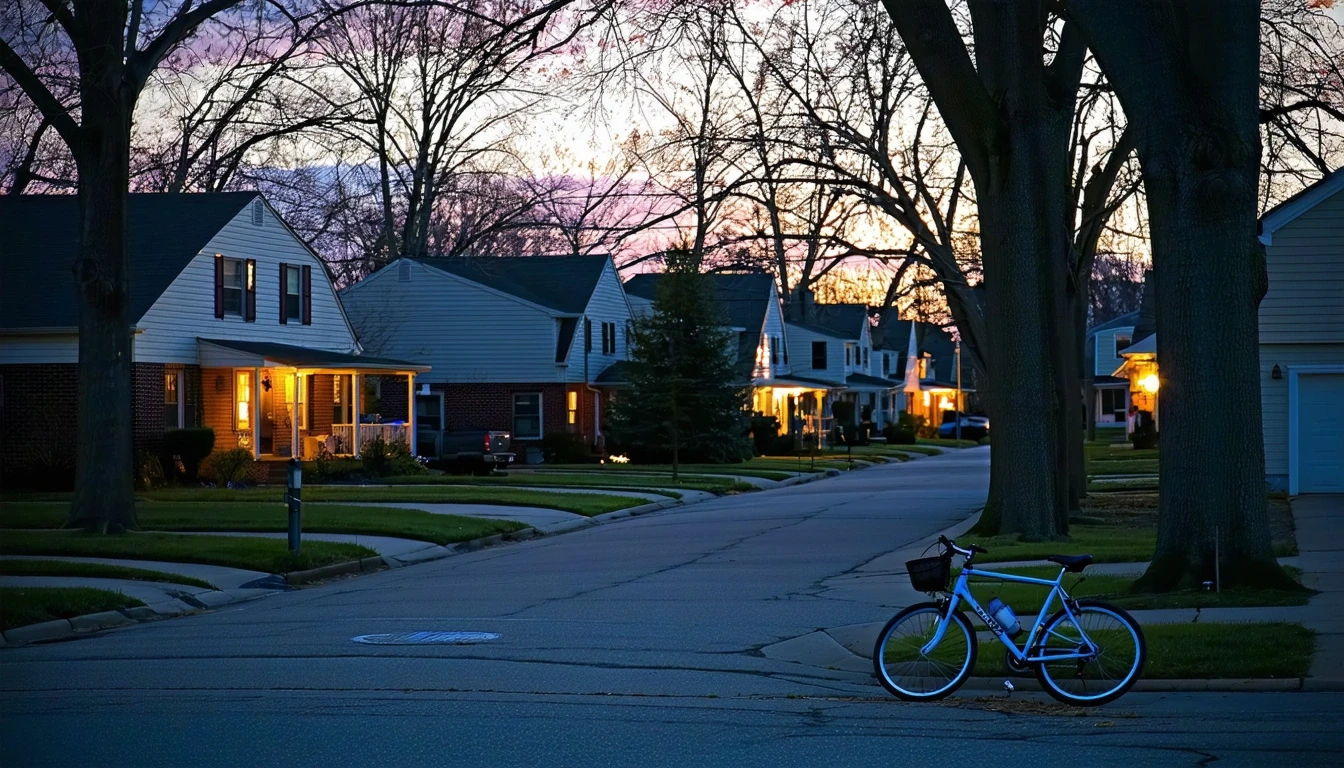
What “Living Comfortably” Means in Saint Peters
Comfort here is defined by space, not density. It means a house with a yard, not a walk-up with a balcony. It means driving to dinner, not strolling to it. It means central air that runs hard from June through September, and a furnace that works through January and February. Median household income sits at $88,708 per year, and the baseline expectation is ownership, not long-term renting.
The texture of daily life assumes car access, storage space, and the ability to absorb seasonal swings in utility bills without rearranging other spending. Comfort isn’t about luxury—it’s about not feeling friction when you do ordinary things. If your idea of normal involves walkable errands, frequent spontaneous outings, or minimal car dependence, the same income will feel tighter here than it would elsewhere.
Saint Peters rewards households that value square footage, yard space, and privacy over proximity and walkable amenities. If that’s not your priority, the money you save on rent won’t make up for the lifestyle gap.
Where Income Pressure Shows Up First
Housing shapes everything else. The median home value is $237,100, and while that’s accessible compared to coastal metros, it still demands a down payment, closing costs, and the ongoing expense of maintenance, insurance, and property taxes. Renting offers a lower entry point—median gross rent is $1,186 per month—but it doesn’t eliminate the pressure. Renters still face the same transportation costs, the same utility exposure, and the same expectation that you’ll drive to meet daily needs.
Utility bills swing with the seasons. Electricity costs 11.91¢ per kWh, and summer cooling dominates household energy use. Natural gas, priced at $16.48 per MCF, drives winter heating bills. Households that can’t absorb a $40–$60 swing between mild and extreme months feel that pressure every time the weather shifts. There’s no walking to a coffee shop to avoid running the AC. The structure of the place makes your home the center of daily life, and that means you pay to keep it comfortable.
Transportation isn’t optional. Gas sits at $2.64 per gallon, and most households depend on at least one vehicle. The bike-to-road ratio is high, and there are pockets of walkable infrastructure, but food and grocery options cluster along corridors rather than spreading evenly across neighborhoods. Running errands means driving, and commuting to work outside Saint Peters often means longer trips. Time and fuel costs compound, and households that can’t afford a reliable second car face logistical strain that higher earners never notice.
For families, the pressure multiplies. School density is moderate, but playground infrastructure is limited. Clinics are present, but there’s no hospital in the immediate area. Families with young children or aging parents face more driving, more scheduling complexity, and more need for backup plans when something breaks. The cost isn’t always visible in a budget—it’s the time, the mental load, and the reduced margin for error.
How the Same Income Feels Different by Household
A single adult earning $55,000 gross per year can rent comfortably in Saint Peters, cover utilities, maintain a car, and still have discretionary income—if they’re content with a quiet, car-dependent routine. But if they want frequent social outings, diverse dining options, or the ability to walk to a coffee shop on a Saturday morning, that same income starts to feel limiting. The money goes just as far, but the lifestyle it buys doesn’t match the expectation.
A couple with a combined gross income of $90,000 has more room to maneuver. They can afford a modest home, manage seasonal utility swings without stress, and maintain two vehicles if needed. But if one partner works in a neighboring county, or if they’re used to urban conveniences, they’ll feel the tradeoff between space and access. The income supports the bills, but it doesn’t eliminate the friction of distance and car dependence.
Families face the steepest climb. A household earning $110,000 gross can manage a home, two cars, childcare, and school-related expenses—but there’s little buffer for surprises. A major car repair, an HVAC failure, or an unexpected medical bill can tilt the budget. Families at this income level often feel comfortable month to month, yet stretched when they try to save or plan for future costs. The structure of Saint Peters assumes you have the resources to absorb those shocks, and when you don’t, the gaps become obvious.
Households at similar income levels experience very different pressure depending on how many people they’re supporting, how far they commute, and whether their expectations align with the suburban, car-oriented texture of the place.
The Comfort Threshold (Qualitative)
Comfort in Saint Peters arrives when housing costs stop dictating every other decision. It’s the point where you can absorb a high utility month without cutting back on groceries, where a car repair is annoying but not destabilizing, and where you can choose to eat out or stay in without checking your account first.
For most households, this threshold isn’t about hitting a specific number—it’s about having enough margin that the structure of the place works for you instead of against you. Single adults reach it when they can afford a comfortable rental and still have discretionary income. Couples reach it when they can manage a home and two vehicles without monthly anxiety. Families reach it when they can cover childcare, school expenses, and seasonal cost swings while still saving something each month.
The transition happens when bills stop driving behavior. You’re no longer choosing between fixing the AC and taking a weekend trip. You’re no longer weighing every grocery run against the gas it takes to get there. You’re no longer hoping nothing breaks because you don’t have the buffer to handle it.
That margin is what separates households who feel comfortable in Saint Peters from those who feel constantly squeezed—even when their incomes look similar on paper.
Why Online Cost Calculators Get Saint Peters Wrong
Most cost-of-living calculators treat Saint Peters as a data point: plug in the rent, add the gas price, multiply by a household size, and out comes a number. But the real cost pressures aren’t in the totals—they’re in the structure.
Calculators assume you’ll spend a fixed percentage on transportation, but they don’t account for the fact that you’ll drive almost everywhere, almost every day. They estimate utility costs based on averages, but they don’t capture the seasonal swings that force you to budget differently in July than in October. They price housing as a line item, but they don’t explain that the expectation here is ownership, and that renting long-term often means accepting a narrower range of options.
The biggest miss is lifestyle. A calculator might say two cities cost the same, but it won’t tell you that one rewards walkability and the other rewards space. It won’t explain that the same income buys you different daily experiences depending on whether you value proximity or privacy. It won’t flag that your assumptions about “normal” might not match what the place actually offers.
People feel surprised after moving because they trusted the math and ignored the structure. The rent was affordable, the income was sufficient, but the day-to-day reality didn’t align with what they thought “comfortable” meant.
How to Judge Whether Your Income Fits Saint Peters
Start by asking what you expect from daily life. Do you want to walk to errands, or are you comfortable driving everywhere? Do you value spontaneous outings, or are you content with a quieter, more planned routine? If your mental model of comfort depends on density, walkability, and frequent access to diverse amenities, your income will feel tighter here than it would in a more urban setting—even if the rent is lower.
Next, consider your sensitivity to cost volatility. Can you absorb a utility bill that swings $50 between seasons without stress? Can you handle a car repair or an HVAC issue without derailing your budget? Saint Peters assumes you have the margin to manage these fluctuations, and if you don’t, the place will feel more expensive than the sticker prices suggest.
Then evaluate your transportation needs. Do you need one car or two? How far will you commute? How often will you drive for errands, appointments, and social plans? The bike infrastructure is notable, and there are walkable pockets, but most daily tasks assume car access. If you’re trying to minimize transportation costs, you’ll face logistical friction that higher earners never encounter.
Finally, think about your household composition. Are you single, coupled, or supporting a family? Do you have young children who need care and activities? Do you have aging parents who need nearby medical access? Families face more complexity here, and the income required to feel comfortable scales quickly once you add dependents, childcare, and the need for backup plans.
Your income fits Saint Peters if the structure of the place aligns with your expectations. If it doesn’t, no amount of budgeting will close the gap between what you earn and how you want to live.
FAQs About Living Comfortably in Saint Peters
Is $70,000 a year enough to live comfortably in Saint Peters?
For a single adult or a couple without children, $70,000 gross per year can support a comfortable life—if you’re okay with car dependence and a quieter, suburban routine. You can rent or buy modestly, cover utilities and transportation, and still have discretionary income. But if you’re supporting a family, or if your expectations include frequent outings and urban-style convenience, that income will feel stretched. Comfort depends on household size and lifestyle expectations, not just the number.
Do most people in Saint Peters own or rent?
Most households in Saint Peters own. The median home value is $237,100, and the culture here assumes ownership as the baseline. Renting is common among younger adults and smaller households, but long-term renters often face a narrower range of options and less stability. If you’re planning to rent indefinitely, you’ll be outside the norm, and that can affect everything from housing availability to social expectations.
How much do utilities actually cost in Saint Peters?
Electricity runs 11.91¢ per kWh, and natural gas costs $16.48 per MCF. For a typical household using around 1,000 kWh per month, summer cooling and winter heating drive the biggest swings. You might see a $120 electric bill in July and a $70 bill in October. Natural gas usage spikes in winter, adding another layer of seasonal cost. If you can’t absorb a $40–$60 swing between mild and extreme months, utility volatility will create ongoing pressure.
Can you live in Saint Peters without a car?
Technically, yes. Practically, no. The bike-to-road ratio is high, and there are walkable pockets, but food and grocery options are clustered along corridors, not distributed evenly across neighborhoods. Most errands, appointments, and social plans assume car access. If you’re trying to rely on biking or walking alone, you’ll face significant logistical friction. A car isn’t legally required, but the structure of the place makes it functionally necessary for most households.
What’s the biggest financial surprise people face after moving to Saint Peters?
The biggest surprise isn’t a single cost—it’s the cumulative impact of car dependence and seasonal utility swings. People expect lower rent and assume that means lower overall costs, but they underestimate how much they’ll spend on gas, car maintenance, and driving time. They also don’t anticipate how much utility bills fluctuate between mild and extreme months. The sticker prices look manageable, but the structure of daily life adds hidden costs that don’t show up in a calculator.
How this article was built: In addition to public economic data, this article incorporates location-based experiential signals derived from anonymized geographic patterns—such as access density, walkability, and land-use mix—to reflect how day-to-day living actually feels in Saint Peters, MO.