
Is St. Peters expensive to live in? St. Peters is considered moderately priced in 2026, with a median home value of $237,100 and median rent of $1,186 per month. The value proposition depends on housing entry cost versus car dependence, with walkable pockets offering lower day-to-day transportation exposure than corridor-dependent neighborhoods.
When Maya transferred to a new role in the St. Louis metro, she assumed St. Peters would be straightforward: suburban, affordable, predictable. The rent seemed reasonable, the commute manageable. But three months in, she noticed the real pattern—her costs didn’t come from groceries or utilities. They came from where she lived within the city. Her friend in a walkable pocket near mixed-use corridors rarely drove for errands. Maya, ten minutes farther out, burned through a tank of gas every week just getting to the grocery store, the pharmacy, the gym. Same city, different cost structure.
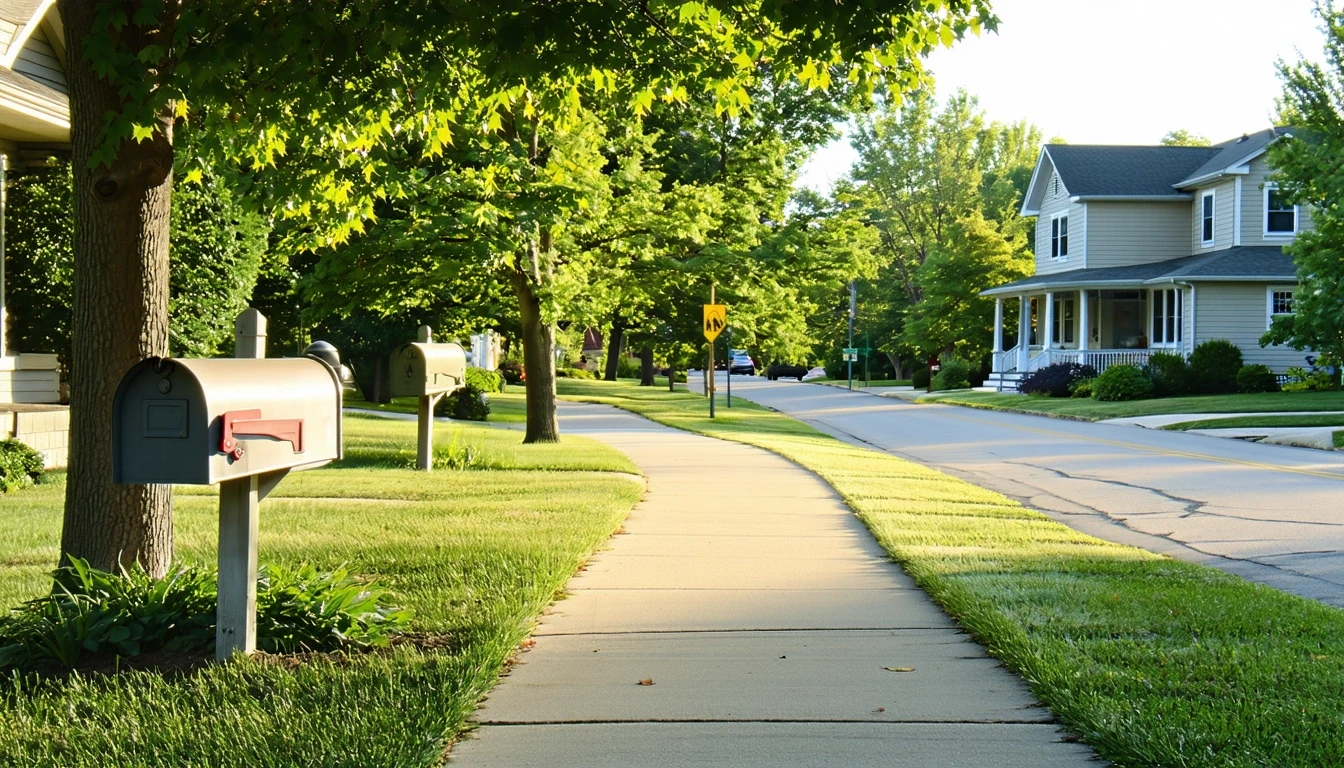
Overall Cost of Living Snapshot
St. Peters sits just below the national price baseline, with a regional price parity index of 96, meaning the overall cost structure runs about 4% lower than the U.S. average. But that citywide figure masks significant variation in how households actually experience costs. Housing dominates the financial landscape, but transportation exposure—driven by car dependency and errand logistics—creates the second-largest pressure point. Utilities remain moderate, groceries track close to national norms, and the local unemployment rate of 3.1% signals a stable job market.
The primary cost driver here is housing entry and ongoing ownership, particularly for buyers navigating property taxes, insurance, and maintenance. The main surprise comes from transportation variability: households in walkable pockets with access to mixed-use corridors face materially lower recurring vehicle costs than those in car-dependent sections of the city.
Housing Costs (Primary Driver)
With a median home value of $237,100, St. Peters positions itself as an ownership-oriented market. Buyers entering at that price point gain access to single-family homes in a stable metro suburb, but they also inherit the full cost stack: property taxes, homeowners insurance, maintenance reserves, and HOA fees where applicable. Ownership here isn’t just about the mortgage—it’s about managing a multi-layered recurring expense that scales with home size, age, and location within the city.
Renters face a different calculus. At $1,186 per month for median gross rent, the rental market offers fewer options and less flexibility than the ownership side. Rental inventory tends to cluster in specific corridors, and competition can push effective rents higher in desirable pockets. For households not ready to buy, renting here often means accepting less control over location and amenities than ownership would provide.
The renting-versus-owning decision in St. Peters hinges on timeline and stability. Renters gain short-term flexibility and avoid maintenance risk, but they pay a premium for that optionality and face limited geographic choice. Owners lock in long-term cost predictability (excluding tax and insurance volatility) and gain access to the full housing market, but they absorb all structural risk and upfront capital requirements.
Conclusion: St. Peters is a buying city for households with stable income and capital reserves. Renting works as a transitional strategy, but the value proposition tilts heavily toward ownership for anyone planning to stay more than three years.
| Housing Type | Cost Anchor | What That Buys You |
|---|---|---|
| Median Home (Purchase) | $237,100 | Single-family home; full cost stack (taxes, insurance, maintenance); long-term cost control |
| Median Rental | $1,186/month | Limited inventory; corridor-clustered options; short-term flexibility; no maintenance risk |
Utilities & Energy Risk
Electricity in St. Peters runs 11.91¢ per kWh, a rate that sits near the middle of the Midwest range. For illustrative context, a household using 1,000 kWh per month would see a baseline electric bill around $119 before fees and taxes. Summer cooling drives the highest usage, with extended heat pushing air conditioning loads well above spring and fall baselines. Winter electric use drops unless the home relies on electric heat.
Natural gas, priced at $16.48 per MCF (roughly 100 therms), introduces moderate seasonal volatility. Heating months—typically November through March—can see gas usage climb significantly, particularly in older homes with less efficient furnaces or poor insulation. For illustrative context, a household using 1 MCF per month during peak heating season would face a gas bill around $16.48 before fees and delivery charges, though actual usage varies widely by home size, thermostat settings, and building envelope quality.
The risk here is moderate. Utilities don’t dominate the cost structure the way housing and transportation do, but they introduce seasonal swings that can surprise households accustomed to flatter year-round bills. The biggest exposure comes from intensity and duration: a long, cold winter or an extended summer heat wave can push cumulative utility costs well above typical months, especially for larger or older homes.
Groceries & Daily Costs
Grocery costs in St. Peters track close to the national baseline, adjusted slightly downward by the regional price parity index of 96. Households shopping at familiar chains will find pricing competitive with other Midwest metro suburbs, though specific item costs vary by store format, location, and promotional cycles.
The real friction in daily costs comes not from what you buy, but from how you access it. Mixed residential and commercial land use creates pockets where errands can be handled on foot or bike, reducing the hidden cost of frequent short trips. But food and grocery options cluster along corridors rather than spreading evenly across neighborhoods. Households outside these corridors face higher transportation exposure—not because groceries cost more, but because every shopping trip requires a car, fuel, and time.
For households in walkable pockets, daily costs remain tightly controlled. For those in car-dependent sections, the cumulative burden of driving to every errand adds a recurring layer of expense that doesn’t show up on the grocery receipt but compounds over weeks and months.
Transportation Reality
St. Peters operates as a car-dependent suburb within the broader St. Louis metro, and transportation costs reflect that structural reality. Gas prices currently sit at $2.64 per gallon, a moderate rate that still translates into significant recurring expense for households making frequent trips. For illustrative context, a commuter driving 25 miles round trip daily in a vehicle averaging 25 MPG would use about 20 gallons per month, costing roughly $53 in fuel alone before maintenance, insurance, or depreciation.
But fuel is only part of the equation. The real cost driver is trip frequency and distance, which varies dramatically depending on where you live within the city. Households in walkable pockets with access to mixed-use corridors can handle many errands on foot or bike, reducing vehicle miles traveled and the associated wear, fuel, and time costs. Households in car-dependent sections face a different reality: every grocery run, pharmacy stop, or gym visit requires a car, and those short trips accumulate quickly.
Public transit options remain limited, and cycling infrastructure, while notable in certain areas, doesn’t provide citywide connectivity. For most households, transportation tradeoffs come down to vehicle count, commute distance, and proximity to daily destinations. A second car often becomes necessary for multi-adult households, doubling insurance, registration, and maintenance exposure.
Cost Exposure Profiles
Cost pressure in St. Peters doesn’t distribute evenly—it concentrates in specific exposure zones that vary by household structure, location, and lifestyle. Understanding which exposures dominate helps clarify where financial stress is most likely to emerge.
Low-exposure households typically own homes in walkable pockets near mixed-use corridors, work locally or remotely, and operate one fuel-efficient vehicle. Their largest fixed cost is the mortgage and property tax stack, but they avoid high transportation burn and benefit from stable, predictable utility usage in well-insulated homes. Their financial risk centers on housing cost escalation (taxes, insurance) rather than recurring operational expenses.
High-exposure households face compounding pressures: renting in corridor-clustered areas with limited walkability, commuting significant distances to jobs outside the metro, and operating multiple vehicles to manage errands and work logistics. Their costs layer quickly—rent, fuel, vehicle maintenance, seasonal utility swings—and they lack the cost-control levers that ownership and location provide. For these households, transportation and housing volatility create ongoing financial friction.
The distinction isn’t about income sufficiency—it’s about structural exposure. Households with long commutes, multiple vehicles, and car-dependent locations face recurring costs that scale with usage and distance, while those in walkable areas with shorter trips experience lower operational drag. Renters absorb housing volatility without building equity; owners trade upfront capital for long-term cost predictability. The key variable is how many high-exposure categories a household occupies simultaneously.
Frequently Asked Questions
Is St. Peters more affordable than nearby cities in 2026? St. Peters tends to be moderately priced compared to other St. Louis metro suburbs, with housing costs and overall expenses running close to regional averages. The value proposition depends heavily on location within the city and transportation exposure.
What does a typical cost profile look like in St. Peters? Housing dominates, followed by transportation costs that vary significantly based on proximity to walkable corridors and commute distance. Utilities remain moderate with seasonal swings, and groceries track close to national norms.
Do utilities cost more in St. Peters than nearby areas? Utility rates in St. Peters sit near the middle of the Midwest range, with electricity at 11.91¢/kWh and natural gas at $16.48/MCF. Seasonal heating and cooling drive the largest swings, but overall utility exposure remains moderate compared to housing and transportation.
What costs tend to surprise newcomers in St. Peters? Transportation variability surprises many newcomers—households in car-dependent areas face significantly higher recurring vehicle costs than those in walkable pockets. Seasonal utility swings and the full ownership cost stack (taxes, insurance, maintenance) also catch some buyers off guard.
Are property taxes higher in St. Peters than nearby cities? Property tax rates vary across St. Louis County municipalities, and St. Peters falls within the typical suburban range. Effective tax burden depends on assessed home value and local levy rates, which can shift year to year.
Is St. Peters a good place for renters or buyers? St. Peters favors buyers, with a deep ownership market and limited rental inventory. Renters face fewer options and less geographic flexibility, making ownership the stronger long-term value proposition for stable households.
How much does car dependency affect monthly costs in St. Peters? Car dependency drives significant recurring costs, especially for households making frequent trips or commuting long distances. Fuel, maintenance, insurance, and vehicle depreciation compound quickly, and a second car often becomes necessary for multi-adult households.
What’s the biggest cost difference between walkable and car-dependent areas in St. Peters? Households in walkable pockets near mixed-use corridors experience materially lower transportation costs due to reduced vehicle miles traveled and fewer required car trips for daily errands. Car-dependent areas require driving for nearly all routine tasks, increasing fuel, maintenance, and time costs.
How this article was built: In addition to public economic data, this article incorporates location-based experiential signals derived from anonymized geographic patterns—such as access density, walkability, and land-use mix—to reflect how day-to-day living actually feels in St. Peters, MO.