
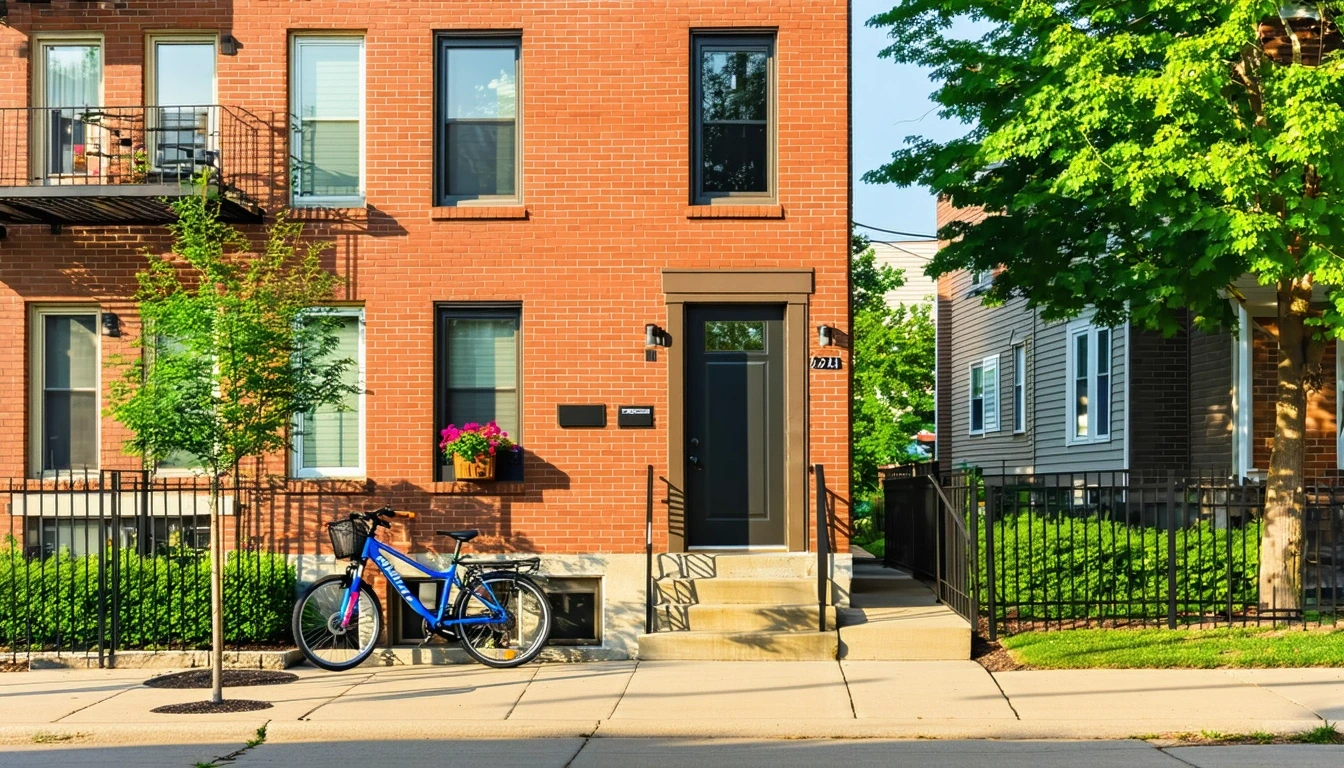
St. Louis median home: $174,100. Florissant: $125,200. St. Louis rent: $938/month. Florissant: $1,195/month. St. Louis has rail transit and walkable neighborhoods. Florissant requires a car for nearly everything. St. Louis households earn a median $52,941/year. Florissant: $64,178/year. Same metro area, completely different cost structures.
People compare St. Louis and Florissant because they’re both part of the greater St. Louis metro, but they operate on opposite ends of the urban-suburban spectrum. St. Louis offers denser, mixed-use neighborhoods with transit access and lower home prices. Florissant delivers low-rise residential space, strong family infrastructure, and a car-oriented layout. The decision isn’t about which city costs less overall—it’s about which cost pressures your household can absorb and which lifestyle friction you’re willing to manage in 2026.
This comparison focuses on where money goes, how predictably it flows out, and which households feel cost pressure most acutely in each city. Housing, transportation, utilities, groceries, and daily logistics all behave differently depending on whether you’re navigating St. Louis’s walkable pockets or Florissant’s suburban corridors. The right choice depends on what dominates your budget and how much control you need over volatility.
Housing Costs
St. Louis presents a lower entry barrier for homebuyers, with a median home value of $174,100 compared to Florissant’s $125,200. That $49,000 gap reflects structural differences: St. Louis includes more vertical, mixed-use housing stock—condos, townhomes, and older single-family homes in denser neighborhoods. Florissant skews toward low-rise, detached single-family homes on larger lots, which typically command lower purchase prices in this metro but come with different ongoing obligations.
Rent tells the opposite story. St. Louis renters pay a median $938/month, while Florissant renters face $1,195/month—a $257 monthly difference. This reflects Florissant’s limited apartment supply and higher prevalence of single-family rentals, which tend to price higher per unit even when home values are lower. In St. Louis, apartment density and competition keep rent more accessible, especially in neighborhoods near transit corridors or mixed-use commercial districts.
For first-time buyers prioritizing lower upfront costs, Florissant offers a more affordable entry point if you’re prepared for car dependency and suburban logistics. For renters, especially singles or couples without children, St. Louis delivers lower monthly obligations and access to walkable amenities. Families seeking space and yards may find Florissant’s housing form more suitable, but they’ll pay more in rent if they’re not ready to buy. St. Louis renters gain flexibility and lower cash outflow; Florissant buyers gain space and long-term equity positioning at a lower purchase threshold.
| Housing Type | St. Louis | Florissant |
|---|---|---|
| Median Home Value | $174,100 | $125,200 |
| Median Gross Rent | $938/month | $1,195/month |
| Typical Housing Form | Mixed-use, vertical, condos/townhomes common | Low-rise single-family detached |
Housing takeaway: St. Louis renters face lower monthly obligations and gain transit access; Florissant renters pay more but access suburban space. Homebuyers find lower entry costs in Florissant but inherit car-dependent logistics. St. Louis buyers pay more upfront but gain walkability and rail transit. The primary pressure difference is entry barrier vs. ongoing rent obligation, compounded by transportation dependence.
Utilities and Energy Costs
Utility cost behavior in St. Louis and Florissant hinges on housing stock, building age, and seasonal exposure rather than rate differences. St. Louis electricity runs 13.12¢/kWh; Florissant is nearly identical at 12.95¢/kWh. Natural gas shows more divergence: St. Louis pays $16.48/MCF, while Florissant faces $28.51/MCF—a significant gap that affects heating-season exposure for single-family homeowners relying on gas furnaces.
St. Louis’s more vertical, mixed-use housing stock—apartments, condos, and attached townhomes—tends to insulate residents from extreme heating and cooling costs. Shared walls, smaller square footage, and newer energy-efficient construction in redeveloped neighborhoods reduce baseline consumption. Florissant’s low-rise, detached single-family homes expose households to higher heating and cooling loads, especially in older housing stock common throughout the suburb. The natural gas price difference compounds this: Florissant households heating larger homes with gas face meaningfully higher winter bills.
Apartment dwellers in either city experience more predictable utility costs due to smaller footprints and shared infrastructure. Single-family homeowners in Florissant face greater volatility, particularly during extended heating or cooling seasons. Older homes in both cities—common in St. Louis’s historic neighborhoods and Florissant’s established subdivisions—introduce inefficiency that magnifies seasonal swings. Newer construction in Florissant offers better insulation, but the low-rise form and larger lot sizes still drive higher baseline usage compared to St. Louis apartments.
Utility takeaway: St. Louis apartment renters experience lower, more predictable utility exposure due to housing form. Florissant single-family homeowners face higher heating costs driven by natural gas pricing and larger home sizes. Households sensitive to seasonal volatility or managing older homes will feel utility pressure more acutely in Florissant. St. Louis’s denser housing stock and lower gas rates reduce both baseline usage and winter cost spikes.
Groceries and Daily Expenses
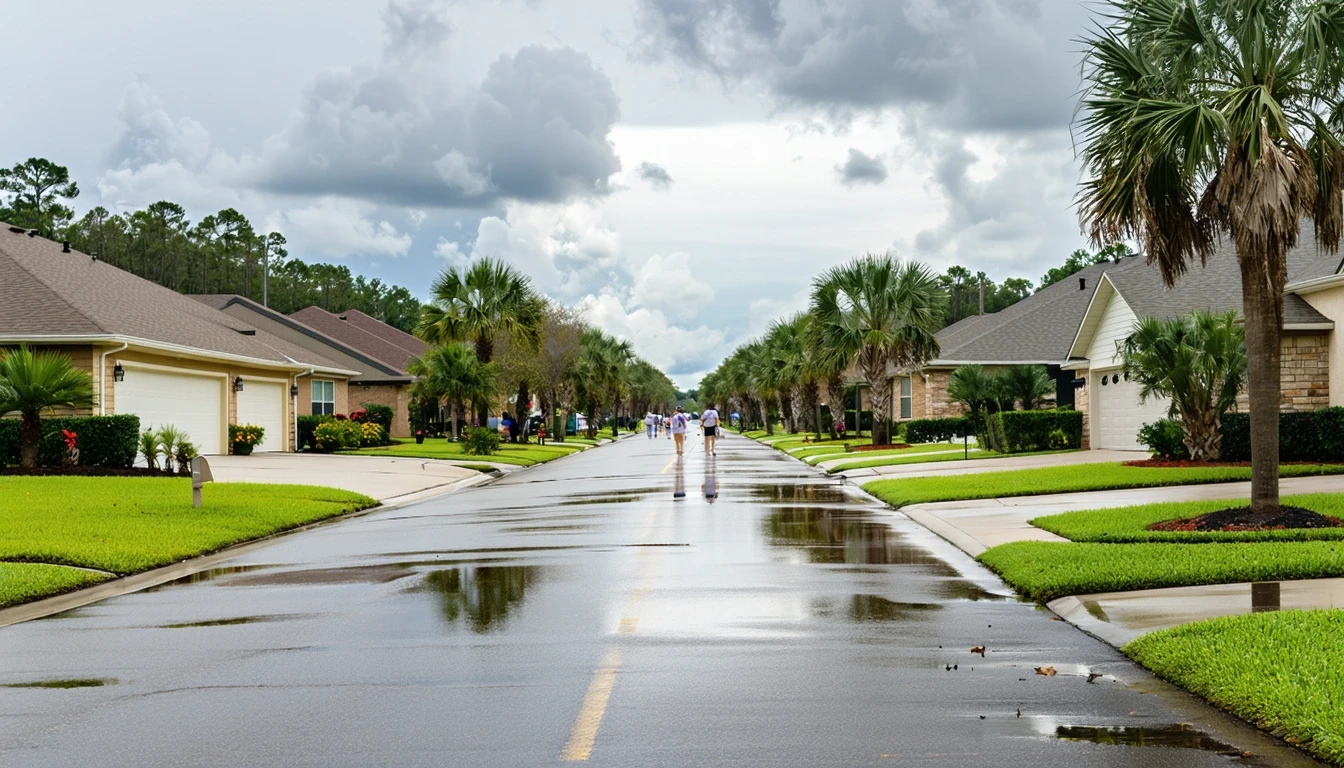
Grocery cost pressure in St. Louis and Florissant stems from access patterns and shopping flexibility rather than price differences. Both cities share the same regional price parity index (96), meaning staple prices—bread, milk, eggs, chicken—track closely. The difference lies in how easily households can comparison-shop, access discount retailers, or avoid convenience markups.
St. Louis offers broadly accessible food and grocery options, with high-density establishments spread across walkable neighborhoods and transit corridors. This structure supports frequent small-trip shopping, reduces reliance on bulk purchases, and allows households to avoid convenience-store markups when they run out of essentials mid-week. Florissant’s corridor-clustered grocery access means most residents drive to a handful of commercial strips, often consolidating trips to big-box stores or regional chains. This reduces per-item costs for bulk buyers but increases convenience spending for households that forget items or need last-minute additions.
Single adults and couples in St. Louis benefit from walkable access to smaller grocers, ethnic markets, and prepared food options that reduce cooking time without forcing full restaurant pricing. Families managing larger weekly volumes may find Florissant’s big-box access more efficient for stocking up, but they’ll absorb higher transportation costs and time friction. Dining out and takeout frequency also differ: St. Louis’s mixed-use density supports casual, lower-cost dining options within walking distance, while Florissant households typically drive to chain restaurants or fast-casual spots along commercial corridors.
Grocery takeaway: St. Louis households gain flexibility and convenience through walkable, high-density grocery access, reducing mid-week markups and supporting smaller, more frequent trips. Florissant households optimize for bulk shopping and big-box efficiency but face higher transportation costs and convenience spending when access requires driving. Families prioritizing volume and planning may prefer Florissant’s structure; singles and couples valuing spontaneity and walkability will find St. Louis less friction-prone.
Taxes and Fees
Tax and fee structures in St. Louis and Florissant reflect their different governance models and infrastructure needs, though specific rates aren’t detailed in available data. Both cities operate within Missouri’s state tax framework, but local property taxes, sales taxes, and municipal fees vary based on housing type, neighborhood services, and special districts.
St. Louis property taxes tend to reflect higher assessed values in denser, mixed-use neighborhoods, but the city’s older housing stock and varied neighborhood conditions create wide variation. Homeowners in redeveloped areas near transit or commercial corridors may face higher assessments, while those in less-improved neighborhoods see lower obligations. Florissant’s lower median home values translate to lower baseline property tax bills for most homeowners, though special assessments for subdivision maintenance, street improvements, or stormwater management can add unpredictability.
Renters in both cities indirectly absorb property taxes through rent, but St. Louis’s lower rent levels suggest landlords face less pressure to pass through tax increases—or that competition keeps rent growth constrained despite tax obligations. Florissant renters pay higher base rent, which may already incorporate property tax passthrough, HOA fees (common in newer subdivisions), and landlord maintenance reserves. Homeowners in Florissant should anticipate HOA fees if buying in planned communities, which can bundle landscaping, trash, and shared amenities but add $50–$200/month in ongoing obligations.
Taxes and fees takeaway: St. Louis homeowners face property tax exposure tied to neighborhood redevelopment and density, with wide variation by location. Florissant homeowners benefit from lower baseline assessments but may encounter HOA fees and special assessments in newer subdivisions. Renters in St. Louis avoid most fee complexity and benefit from lower rent; Florissant renters absorb higher rent that may already include landlord tax and fee passthrough. Long-term homeowners in either city should budget for assessment variability, but Florissant’s suburban structure introduces more fee-based obligations.
Transportation and Commute Reality
Transportation cost structure diverges sharply between St. Louis and Florissant, driven by transit availability and urban form rather than gas prices alone. St. Louis gas runs $2.52/gallon; Florissant is slightly lower at $2.41/gallon. But that 11-cent difference disappears quickly when you account for how often you need to drive.
St. Louis supports rail transit and walkable pockets with substantial pedestrian infrastructure. Households near MetroLink stations or in neighborhoods with high pedestrian-to-road ratios can reduce or eliminate car dependency for daily errands, commuting, and social activities. The average commute in St. Louis is 23 minutes, and 4.6% of workers operate from home, while 28.3% face long commutes—but those with transit access avoid the full cash and time cost of driving. Bike infrastructure is notable, offering another car-light option for shorter trips.
Florissant operates as a car-oriented suburb with bus-only transit service. Pedestrian infrastructure is minimal, and bike-to-road ratios sit in the medium band, meaning cycling is possible in pockets but not practical for most daily needs. Commute data for Florissant isn’t available, but the city’s layout and lack of rail access suggest most households drive for work, errands, and recreation. Even with slightly lower gas prices, Florissant households absorb higher per-mile costs through mandatory car ownership, insurance, maintenance, and parking.
Single adults and couples in St. Louis can feasibly operate car-free or with one vehicle if they live near transit or in walkable neighborhoods, cutting insurance, registration, and depreciation costs entirely. Families with children may still need a car for school runs and weekend activities, but they can reduce weekday driving. Florissant households—regardless of size—typically require at least one car per working adult, doubling transportation overhead for dual-income couples. Time cost also differs: St. Louis commuters with rail access avoid traffic volatility, while Florissant drivers face suburban congestion and longer travel times for non-work trips.
Cost Structure Comparison
Housing dominates the cost experience in both cities, but the pressure point differs. St. Louis renters face lower monthly obligations and gain transit access, reducing transportation overhead. Florissant renters pay $257 more per month but access suburban space and low-rise housing forms. For buyers, Florissant offers a lower entry threshold—nearly $49,000 less than St. Louis—but inherits car dependency and suburban logistics that add ongoing costs.
Utilities introduce more volatility in Florissant, where single-family homes and higher natural gas prices amplify heating-season exposure. St. Louis households in apartments or attached housing experience more predictable utility costs due to smaller footprints and shared walls. Families managing older homes in either city face inefficiency, but Florissant’s low-rise form magnifies baseline usage.
Transportation patterns matter more in Florissant, where car ownership is non-negotiable and every trip requires driving. St. Louis households near rail or in walkable pockets can reduce or eliminate car costs, shifting budget pressure away from insurance, maintenance, and gas. Florissant’s slightly lower gas price doesn’t offset the structural requirement to drive everywhere.
Daily living and groceries reflect access differences more than price differences. St. Louis’s broadly accessible food options reduce convenience markups and support spontaneous, small-trip shopping. Florissant’s corridor-clustered access rewards bulk shopping and planning but penalizes households that need mid-week additions or prefer frequent, smaller purchases.
The better choice depends on which costs dominate your household and how much control you need over volatility. Households sensitive to upfront cash and monthly rent will find St. Louis less front-loaded. Families prioritizing space, yards, and lower purchase prices may prefer Florissant’s entry point, accepting higher rent or car dependency as the tradeoff. For renters, St. Louis offers lower cash outflow and transit flexibility; for buyers, Florissant offers lower entry costs but higher ongoing transportation and utility exposure.
How the Same Income Feels in St. Louis vs Florissant
Single Adult
In St. Louis, a single adult’s non-negotiable costs start with rent, which runs lower and often includes proximity to transit or walkable errands. Flexibility exists in transportation—rail access or bike infrastructure can eliminate car ownership entirely, freeing up cash for discretionary spending or savings. In Florissant, rent consumes more of the budget upfront, and car ownership becomes mandatory, locking in insurance, gas, and maintenance as fixed obligations. The same income feels tighter in Florissant because transportation and housing both demand more, leaving less room for adjustment.
Dual-Income Couple
A dual-income couple in St. Louis can operate with one car or none if both partners live near transit or work remotely, reducing transportation overhead significantly. Housing costs stay manageable with lower rent or moderate home prices in walkable neighborhoods, and grocery flexibility allows for spontaneous, smaller trips without bulk-buying pressure. In Florissant, the same couple typically needs two cars if both work, doubling transportation costs and eliminating the flexibility St. Louis couples gain from transit. Rent or mortgage may feel more predictable in Florissant’s suburban layout, but the loss of walkability and transit access shifts more income toward car dependency and time spent driving.
Family with Kids
Families in St. Louis face trade-offs between space and access. Lower home prices or rent in denser neighborhoods come with smaller square footage, but proximity to schools, parks, and hospitals reduces logistical friction. One car may suffice if parents stagger schedules or rely on transit for commuting, though school runs and weekend activities often require driving. In Florissant, families gain space, yards, and strong family infrastructure, but car dependency becomes non-negotiable—typically two vehicles for working parents. Utility costs rise with larger homes, and grocery trips require planning and driving. The same income feels more stretched in Florissant when transportation, utilities, and housing size all demand more, but families prioritizing outdoor space and low-rise living may accept that tradeoff.
Decision Matrix: Which City Fits Which Household?
| Decision factor | If you’re sensitive to this… | St. Louis tends to fit when… | Florissant tends to fit when… |
|---|---|---|---|
| Housing entry + space needs | You need lower upfront costs or prioritize rent affordability over space | You’re renting, value walkability, or accept smaller square footage for transit access | You’re buying and prioritize lower purchase price, yards, and single-family detached homes |
| Transportation dependence + commute friction | You want to avoid mandatory car ownership or reduce driving frequency | You live near rail, work downtown, or value bike/walk infrastructure for daily errands | You’re comfortable driving everywhere and need space for multiple vehicles |
| Utility variability + home size exposure | You want predictable utility bills or live in smaller, energy-efficient housing | You rent an apartment, live in attached housing, or prioritize lower heating costs | You’re buying a single-family home and accept higher heating/cooling exposure for space |
| Grocery strategy + convenience spending creep | You value spontaneous, walkable access to food or prefer frequent small trips | You shop often, avoid bulk buying, or rely on neighborhood grocers and prepared food | You plan weekly trips, buy in bulk, and drive to big-box stores for volume discounts |
| Fees + friction costs (HOA, services, upkeep) | You want to avoid unpredictable fees or minimize ongoing obligations beyond rent/mortgage | You rent in older neighborhoods or buy in areas without HOA or special assessments | You buy in newer subdivisions and accept HOA fees for bundled services and maintenance |
| Time budget (schedule flexibility, errands, logistics) | You want to minimize driving time or reduce logistical complexity for daily tasks | You value walkable errands, rail commuting, or reducing time spent in a car | You have schedule flexibility, don’t mind driving, and prioritize space over convenience |
Lifestyle Fit
St. Louis and Florissant offer fundamentally different daily experiences shaped by urban form, transit access, and neighborhood structure. St. Louis operates as a denser, mixed-use environment with rail transit, walkable pockets, and vertical housing stock. Residents near MetroLink stations or in neighborhoods with high pedestrian infrastructure can walk to coffee shops, groceries, and restaurants without needing a car. Parks and green space are integrated throughout the city, with water features adding recreational variety. Cultural amenities, hospitals, and entertainment options cluster in accessible corridors, reducing the need to drive for routine activities or social outings.
Florissant delivers a low-rise, car-oriented suburban experience with strong family infrastructure and integrated green space. Schools and playgrounds meet density thresholds, making it easier for families with children to access educational and recreational resources without long drives. Parks are plentiful, and the residential character emphasizes single-family homes with yards and quiet streets. However, daily errands require driving to corridor-clustered commercial areas, and bus-only transit limits flexibility for households without cars. Social and cultural activities typically involve driving to nearby St. Louis or other metro suburbs.
These lifestyle differences indirectly affect costs in meaningful ways. St. Louis’s walkability and transit access reduce transportation expenses by allowing households to operate car-free or car-light, cutting insurance, maintenance, and gas costs. Denser housing stock—apartments, condos, townhomes—lowers utility exposure through shared walls and smaller square footage. Florissant’s suburban layout increases transportation costs through mandatory car ownership but offers lower home purchase prices and more space, which appeals to families prioritizing yards and room to grow. Utility costs rise with larger homes, but families gain outdoor access and quieter residential environments.
St. Louis unemployment rate: 4.1%. Florissant unemployment rate: 3.6%, reflecting slightly tighter labor market conditions in the suburb.
Frequently Asked Questions
Is it cheaper to rent in St. Louis or Florissant in 2026?
St. Louis renters pay a median $938/month, while Florissant renters face $1,195/month—a $257 monthly difference. St. Louis offers lower rent and walkable access to transit, groceries, and amenities, reducing transportation costs. Florissant’s higher rent reflects limited apartment supply and more single-family rentals, but renters gain suburban space and low-rise housing. The better choice depends on whether you prioritize lower monthly cash outflow and transit flexibility (St. Louis) or suburban space and family-oriented neighborhoods (Florissant).
How does transportation cost differ between St. Louis and Florissant?
St. Louis supports rail transit and walkable neighborhoods, allowing households to reduce or eliminate car ownership. Florissant requires a car for nearly all daily tasks, with bus-only transit and minimal pedestrian infrastructure. Even though Florissant gas prices run slightly lower ($2.41/gallon vs. $2.52/gallon in St. Louis), mandatory car ownership in Florissant adds insurance, maintenance, and depreciation costs that outweigh the gas savings. St. Louis households near transit can operate car-free or car-light, cutting transportation overhead significantly.
Which city is better for families with kids in 2026?
Both cities offer strong family infrastructure, with schools and playgrounds meeting density thresholds. Florissant provides low-rise, single-family homes with yards and quieter residential streets, appealing to families prioritizing outdoor space and suburban living. St. Louis offers walkable neighborhoods, integrated parks, and hospital access, reducing logistical friction for families managing school, activities, and healthcare. The decision hinges on whether your family values space and suburban character (Florissant) or walkability, transit access, and lower rent (St. Louis).
Do utilities cost more in St. Louis or Florissant?
Utility cost exposure depends more on housing type than rates. St. Louis electricity runs 13.12¢/kWh; Florissant is nearly identical at 12.95¢/kWh. Natural gas shows a larger gap: St. Louis pays $16.48/MCF, while Florissant faces $28.51/MCF. Florissant’s low-rise, single-family homes drive higher heating and cooling loads, especially in older housing stock. St. Louis apartments and attached housing reduce baseline usage through smaller footprints and shared walls. Families in larger Florissant homes face more seasonal volatility; St. Louis renters experience more predictable utility costs.
How does grocery shopping differ between St. Louis and Florissant in 2026?
St. Louis offers broadly accessible food and grocery options, with high-density establishments spread across walkable neighborhoods. This supports frequent, smaller trips and reduces convenience markups. Florissant’s corridor-clustered grocery access requires driving to commercial strips, favoring bulk shopping at big-box stores. Families managing large weekly volumes may find Florissant’s structure more efficient, but households needing mid-week additions or preferring spontaneous shopping will face higher convenience costs. St. Louis’s walkable access reduces transportation friction; Florissant rewards planning and consolidation.
Conclusion
St. Louis and Florissant operate on opposite ends of the urban-suburban spectrum, with cost structures that reflect those differences. St. Louis renters face lower monthly obligations, gain transit access, and benefit from walkable neighborhoods that reduce transportation overhead. Homebuyers pay more upfront but access denser, mixed-use environments with rail transit and broadly accessible amenities. Florissant offers lower home purchase prices and suburban space, but renters pay more, and car dependency becomes non-negotiable. Utility costs rise with larger homes, and grocery shopping requires driving to corridor-clustered commercial areas.
The right choice depends on which cost pressures your household can absorb and which lifestyle friction you’re willing to manage. Households prioritizing lower rent, transit flexibility, and walkability will find St. Louis less front-loaded and more adaptable. Families seeking space, yards, and lower home purchase prices may prefer Florissant’s entry point, accepting higher rent or car dependency as the tradeoff. Neither city is universally cheaper—each concentrates cost pressure differently, and the better fit depends on what dominates your budget and how much control you need over volatility in 2026.
How this article was built: In addition to public economic data, this article incorporates location-based experiential signals derived from anonymized geographic patterns—such as access density, walkability, and land-use mix—to reflect how day-to-day living actually feels in St. Louis and Florissant.