
“I moved here expecting full Midwest suburban sprawl, and honestly? It’s way more walkable than I thought. There are actual sidewalks, bike lanes, the MetroLink… it feels more like a city than a lot of places twice the size.” That sentiment captures the surprise many newcomers experience in St. Louis—a place that defies easy categorization and rewards those willing to embrace its contradictions.
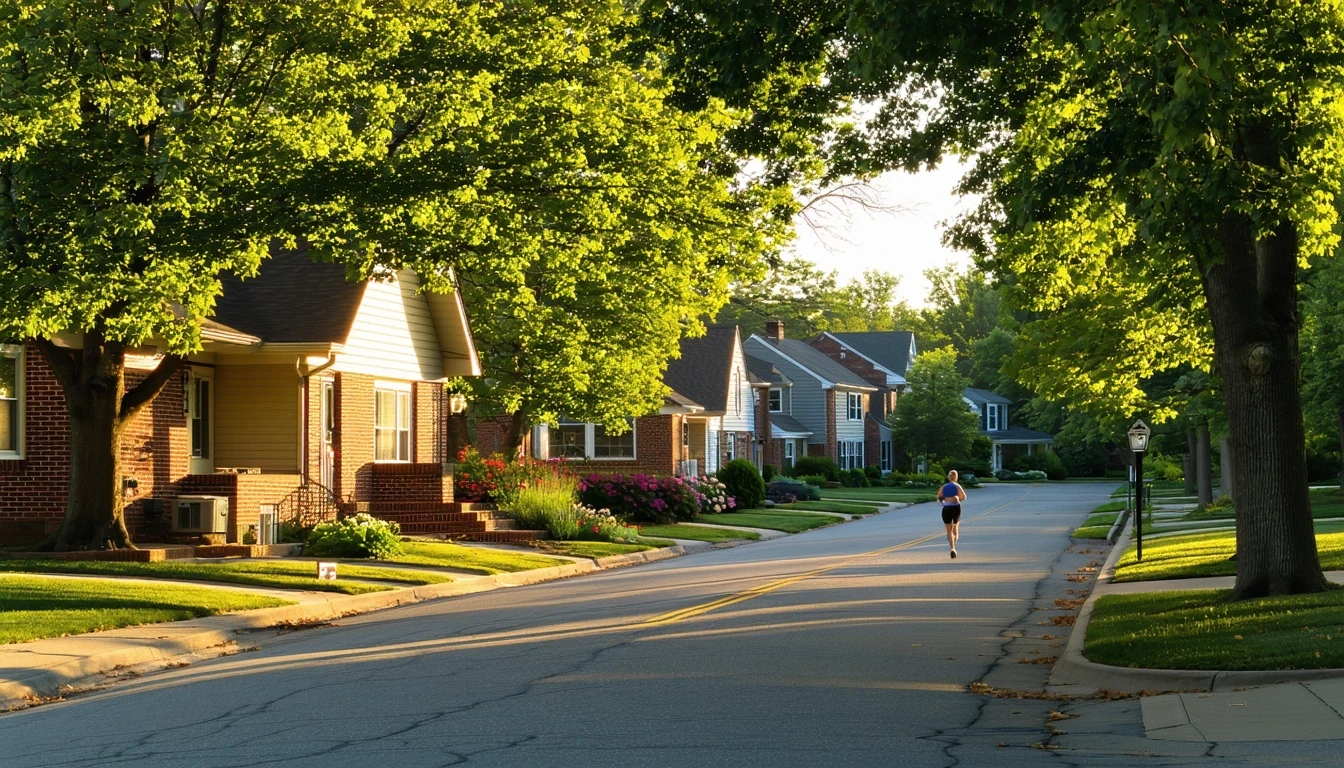
The Emotional Landscape of St. Louis
St. Louis operates in a space many Midwestern metros don’t: it offers urban texture without requiring full metro commitment. The city has rail transit, high pedestrian infrastructure density, and mixed-use neighborhoods where you can walk to groceries, parks, and coffee shops. For people tired of car dependency but unwilling to pay coastal prices, this feels like discovery. For those expecting uniform suburban comfort, it can feel disorienting.
The tension isn’t about whether St. Louis is “good” or “bad”—it’s about expectation alignment. People who want a city that feels like a city tend to feel validated here. People who want a suburb that feels like a suburb often feel caught between worlds. The city’s affordability amplifies this dynamic: median home values around $174,100 and rent at $938 per month make it accessible to households priced out of peer metros, but that value comes with tradeoffs in consistency and predictability.
What keeps coming up emotionally is the question of identity. Is St. Louis a comeback city or a shrinking one? A hidden gem or a overlooked market? The answer depends less on data and more on what you’re optimizing for. If you want walkability, green space, and housing tradeoffs that don’t require six-figure incomes, the city tends to deliver. If you want everyone to agree it’s thriving, you’ll find that conversation exhausting.
What People Talk About Online
St. Louis social media discussion tends to split into two emotional registers: fierce local pride and weary defensiveness. On platforms like Reddit and neighborhood Facebook groups, you’ll find people celebrating the city’s park system, its food culture, and the fact that you can bike to a farmers market without spending half your paycheck on rent. You’ll also find people frustrated by perceptions—outsiders who assume the whole city is dangerous, or newcomers who expect it to function like Nashville or Austin.
“People here are so proud of this place, but also kind of tired of explaining it. Like, yes, we have problems. Yes, we also have an incredible park system and you can actually afford to live near it.”
“I love that I can walk my kid to school and then walk to the grocery store. That’s not normal in most Midwest cities, and people don’t realize it.”
“It’s a city that rewards you for exploring, but punishes you if you expect everything to be shiny and new.”
The recurring theme is tradeoff acceptance. People who thrive here tend to be comfortable with unevenness—neighborhoods that shift in character from block to block, infrastructure that mixes old and new, a civic identity that’s still being renegotiated. People who struggle often wanted something more predictable.
How Local Coverage Frames the City
Local news and community outlets in St. Louis tend to frame the city through the lens of transition and potential. You’ll see recurring topic clusters that reflect both optimism and unresolved tension:
- “Neighborhoods Debate What Growth Should Look Like”
- “New Development Arrives as Residents Weigh Character vs. Convenience”
- “Transit Expansion Proposals Spark Discussion on Access and Investment”
- “Historic Districts Balance Preservation with Affordability Pressure”
- “Families Discover Walkable Blocks in Unexpected Corners of the Metro”
The tone isn’t boosterism, but it isn’t fatalism either. It’s more like ongoing negotiation—what kind of city is this becoming, and who gets to decide? That ambiguity can feel energizing if you like being part of something unfinished. It can feel unstable if you want a settled civic identity.
What Reviews and Public Feedback Reveal
Public perception of St. Louis, as reflected in reviews and community platforms, tends to hinge on whether people’s expectations matched the city’s actual structure. Those who arrived hoping for walkable errands, park access, and transit options tend to leave positive feedback. Those who expected seamless suburban car convenience or consistent neighborhood aesthetics often express disappointment.
Praise tends to focus on access and affordability. People love that they can walk to multiple grocery stores, that parks are genuinely integrated into daily life, and that housing costs don’t require dual six-figure incomes. The city’s bike infrastructure and MetroLink rail service get mentioned frequently by people who didn’t expect to find them in a Midwest metro.
Criticism tends to focus on unevenness. Neighborhoods can shift in character quickly. Some blocks feel urban and activated; others feel neglected or in transition. People who want uniformity—whether suburban tidiness or urban polish—often feel disoriented by the patchwork quality. There’s also frustration among those who expected the city to “feel bigger” or have more nightlife and dining density than it does.
The family experience skews positive for those who value infrastructure over aesthetics. Schools and playgrounds meet density thresholds, parks are plentiful, and you can run errands on foot with kids in tow. But families expecting newer construction, highly ranked school districts, and manicured sameness often feel the city doesn’t meet their mental model of “good for kids.”
How St. Louis Compares to Nearby Metros
| Dimension | St. Louis, MO | Kansas City, MO | Indianapolis, IN |
|---|---|---|---|
| Walkability & Transit | Rail present, high pedestrian density, bike infrastructure notable | More car-oriented, limited rail, sprawling metro | Car-dependent, minimal transit, newer suburban growth |
| Errands & Daily Access | Broadly accessible, high grocery and food density | Corridor-clustered, requires more driving | Sparse, designed for car trips |
| Green Space | Integrated, high park density, water features present | Present but less dense, more metro-edge parks | Present, but access requires driving in many areas |
| Urban Form | More vertical, mixed-use present, older building stock | Low-rise, newer development, more uniform | Low-rise, suburban-dominant, newer construction |
| Affordability | Below national average, accessible to moderate incomes | Moderate, rising in core areas | Moderate, newer housing commands premium |
| Civic Identity | In transition, pride mixed with defensiveness | Confident, growing, less introspective | Steady, predictable, less contested |
The comparison isn’t about declaring a winner—it’s about helping you predict fit. If you want urban texture, transit viability, and the ability to live car-light in the Midwest without paying Chicago prices, St. Louis delivers something Kansas City and Indianapolis largely don’t. If you want newer construction, predictable suburban form, and a civic identity that feels settled and confident, those cities may feel more comfortable.
St. Louis rewards people who value infrastructure over aesthetics and access over uniformity. It frustrates people who want their city to feel like everyone agrees it’s great. The question isn’t which metro is “better”—it’s which tradeoff set matches your wiring.
Voices from the Ground
“We moved here from a bigger city and were shocked by how much we could afford. We’re in a walkable neighborhood with great parks, and our mortgage is less than our old rent. Yeah, it’s not perfect, but the quality of life is real.”
“I thought I wanted a suburb, but I actually love being able to bike to the store and take the MetroLink downtown. It feels like a city in a way most Midwest places don’t.”
“It’s uneven. Some blocks are beautiful, some are rough. If you need everything to look the same, this will drive you crazy. But if you can handle a little grit, there’s a lot to love.”
“The pride here is intense. People really love this place, and they get defensive if you criticize it. It took me a while to understand that’s because they’re tired of being written off.”
“I’m raising kids here and it’s great. We walk to school, we walk to the park, we walk to get groceries. That’s not something I could do in most places at this price point.”
“Honestly, I think people either get it or they don’t. If you want a polished, easy-to-explain city, go somewhere else. If you want a place that’s affordable and actually urban, this is one of the best-kept secrets in the Midwest.”
“The food scene is underrated, the parks are incredible, and the cost of living lets you actually enjoy your life. But you have to be okay with the fact that not everyone sees it that way.”
Does St. Louis Feel Like a Good Fit?
St. Louis works for people who value access, affordability, and urban infrastructure more than uniformity or consensus. It tends to fit households tired of car dependency, families who want walkable errands and parks without coastal prices, and professionals seeking a city that feels like a city without requiring a six-figure income. The experiential structure here—rail transit, pedestrian density, bike infrastructure, mixed-use neighborhoods—supports a lifestyle that’s rare in the Midwest and increasingly expensive on the coasts.
It tends to frustrate people who want predictability, aesthetic consistency, or a civic identity everyone agrees on. If you need your city to feel “obviously great” or want neighborhoods that look uniform and new, the patchwork quality here will feel like a compromise. If you’re uncomfortable with visible contrasts or ongoing civic debate, the emotional landscape may feel exhausting.
The city’s affordability amplifies both the opportunity and the tension. You can access a lifestyle here—walkable, transit-connected, park-rich—that costs twice as much in peer metros. But that value comes with tradeoffs in polish, consistency, and external perception. The question isn’t whether St. Louis is “happy.” The question is whether its specific tradeoff set matches what you’re optimizing for.
If you’re still weighing the decision, consider exploring what a month of expenses actually feels like, how quality of life factors play out day-to-day, and what the broader context around housing and affordability looks like in practice.
How this article was built: In addition to public economic data, this article incorporates location-based experiential signals derived from anonymized geographic patterns—such as access density, walkability, and land-use mix—to reflect how day-to-day living actually feels in St. Louis, MO.
The perspectives shown reflect commonly expressed local sentiment and recurring themes in public discussion, rather than individual accounts.