
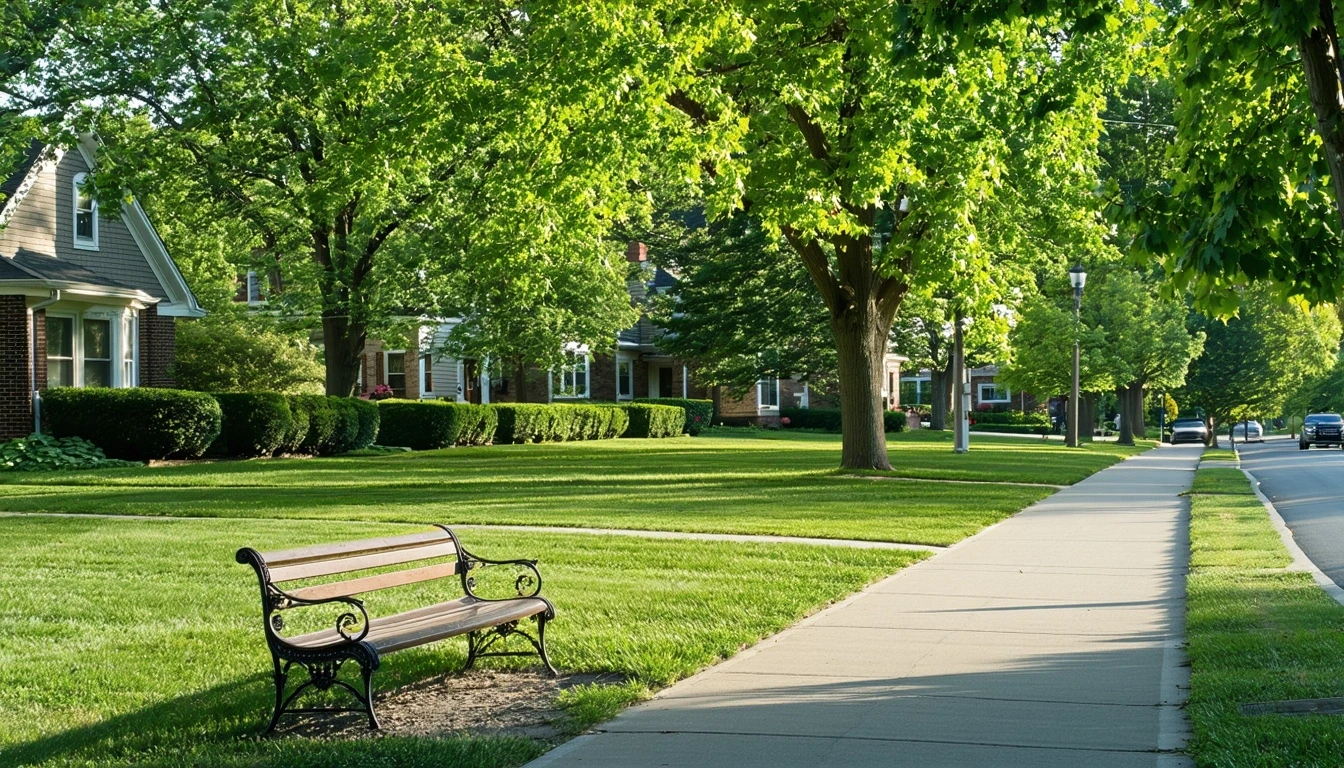
The Housing Market in Saint Louis Today
Saint Louis operates as a bi-state metro where Missouri and Illinois housing markets create cross-river cost arbitrage, but within the Missouri core, the defining feature is low absolute home values paired with an older, mixed-density housing stock. The median home value sits at $174,100—well below many comparable metros—while median rent reaches $938 per month. With a regional price parity index of 96, Saint Louis delivers below-national housing costs in nominal terms, but the cost experience depends heavily on neighborhood structure, transit access, and the age of the housing itself.
What newcomers often misunderstand: Saint Louis’s cost structure rewards those who can navigate historic neighborhoods, older infrastructure, and variable walkability. The low purchase price isn’t a subsidy—it’s a tradeoff. Buyers inherit full responsibility for maintenance, taxes, and systems upgrades on homes that may predate modern efficiency standards. Renters, meanwhile, benefit from accessible grocery density, rail transit, and pedestrian infrastructure in select pockets, allowing some households to reduce or eliminate car dependency altogether.
The metro’s urban form shows more vertical building character than typical suburban sprawl, with mixed residential and commercial land use prevalent in core areas. This creates pockets of convenience—particularly for errands and daily logistics—but also means housing types and cost exposures vary sharply across neighborhoods. Saint Louis isn’t a single housing market; it’s a collection of micro-markets where access, age, and infrastructure determine whether ownership or renting makes sense.
Renting in Saint Louis
At $938 per month median gross rent, Saint Louis offers below-national rental costs, but the rental experience varies significantly by proximity to transit, grocery access, and pedestrian infrastructure. The city shows broadly accessible food and grocery density, meaning renters in many neighborhoods can complete daily errands on foot or via short trips. Rail transit is present, and the pedestrian-to-road ratio exceeds high thresholds in walkable pockets, allowing some renters to avoid car ownership entirely or reduce vehicle use to occasional trips.
Rental pressure remains moderate relative to income—median household income sits at $52,941 per year—but the key decision for renters isn’t affordability in isolation; it’s where you rent and what that location enables. Renters in neighborhoods with integrated park access, strong family infrastructure (schools and playgrounds at medium density), and hospital presence gain logistical convenience that reduces secondary costs: less driving, fewer trips, lower fuel and parking exposure.
The tradeoff: rental stock in Saint Louis often reflects the same aging housing infrastructure that affects ownership. Older buildings may carry higher heating and cooling costs due to insulation gaps, and landlords in lower-cost units may defer maintenance. Renters should verify utility responsibility (electricity at 13.12¢/kWh, natural gas at $16.48/MCF) and understand that “cheap rent” can shift costs to utilities or transportation if the location forces car dependency.
Owning a Home in Saint Louis
Ownership in Saint Louis starts with a low barrier: $174,100 median home value makes down payments and mortgage qualification easier than in many metros. But the cost experience of ownership here isn’t defined by the purchase price—it’s shaped by what you inherit. Much of the housing stock predates modern building codes, meaning buyers often face deferred maintenance, aging HVAC systems, older windows, and roofing that may need replacement within the first few years.
Property taxes, insurance, and maintenance aren’t luxuries in Saint Louis—they’re the primary cost drivers of ownership. While tax rates aren’t provided in available data, older homes in historic neighborhoods often carry higher assessment volatility, and insurance costs reflect the age and condition of the structure. Maintenance exposure is significant: heating and cooling systems work harder in older homes, and seasonal temperature swings (cold winters, hot summers) stress infrastructure that may lack modern insulation or weatherization.
The upside: ownership in Saint Louis locks predictability in a market where rental stock is aging and landlords face the same maintenance pressures. Owners gain control over upgrades, efficiency improvements, and long-term cost management. Neighborhoods with strong family infrastructure, integrated parks, and hospital presence support long-term stability, particularly for households planning to stay multiple years. But ownership here requires financial reserves—not just for the mortgage, but for the systems and repairs that come with older housing stock.
Apartment vs House in Saint Louis — Cost Behavior Comparison
| Expense Category | Apartment | House |
|---|---|---|
| Base Housing Cost | $938/month median rent; often includes water/trash | $174,100 median value; mortgage depends on down payment and rate |
| Heating & Cooling Exposure | Lower due to shared walls and smaller square footage; older buildings may lack efficiency | Higher due to full envelope exposure; older homes often lack modern insulation, increasing gas and electric load |
| Maintenance Responsibility | Landlord covers structure, HVAC, appliances; tenant may face delays or deferred work | Owner assumes all costs: roof, HVAC, plumbing, windows, foundation—aging systems require reserves |
| Walkability & Errand Access | Apartments in walkable pockets benefit from high grocery density, rail transit, and pedestrian infrastructure—reduces car dependency | Houses in lower-density areas may require car for all errands; walkable neighborhoods exist but are selective |
| Outdoor & Family Infrastructure | Limited private outdoor space; city shows integrated park access and strong playground/school density nearby | Private yard; same park/school access but with maintenance (mowing, landscaping, seasonal upkeep) |
| Long-Term Cost Predictability | Rent can increase annually; tenant has no control over timing or magnitude | Mortgage fixed (if financed that way); taxes, insurance, and maintenance vary but owner controls upgrade timing |
Why these categories? Saint Louis’s older housing stock, variable walkability, and integrated park/transit infrastructure create cost differences that go beyond rent vs mortgage. Heating and cooling exposure matters here due to aging building envelopes and seasonal temperature swings. Walkability and errand access vary by neighborhood, directly affecting car dependency and transportation costs. Maintenance responsibility is the dominant long-term differentiator: apartments defer it to landlords (with less control), while houses place full exposure on owners who must budget for aging systems.
Categories like HOA fees, parking costs, and trash service were omitted because they don’t vary meaningfully across housing types in Saint Louis’s typical rental and ownership scenarios. The table reflects cost behavior driven by local housing age, climate, and infrastructure—not generic national patterns.
Utilities & Upkeep Differences
Utility exposure in Saint Louis is shaped by seasonal temperature swings and housing age, not just rates. Electricity costs 13.12¢/kWh and natural gas runs $16.48/MCF—both near or slightly below national averages—but the amount you use depends heavily on building envelope, insulation quality, and HVAC efficiency. Older homes and apartments, common throughout the metro, often lack modern weatherization, meaning heating and cooling systems run longer and harder to maintain comfort.
The difference between apartments and houses in Saint Louis isn’t just square footage—it’s envelope exposure. Apartments benefit from shared walls and ceilings, reducing heat loss in winter and heat gain in summer. Houses, particularly older single-family homes in historic neighborhoods, expose four walls and a full roof to the elements. Without modern insulation, windows, and sealing, houses face noticeable utility premiums during both heating and cooling seasons.
Maintenance exposure follows the same pattern. Apartment renters avoid direct responsibility for HVAC replacement, water heater failure, or roof leaks, though they may experience delays or deferred repairs depending on landlord responsiveness. Homeowners in Saint Louis inherit full responsibility for aging systems, and the older housing stock means those systems often reach end-of-life within the first few years of ownership. Roof replacement, furnace upgrades, and window sealing aren’t rare—they’re expected costs that buyers must budget for alongside the mortgage.
Rent vs Buy: Long-Term Exposure in Saint Louis
The rent-versus-buy decision in Saint Louis isn’t about which option costs less in year one—it’s about which cost structure fits your capacity for volatility, maintenance exposure, and long-term planning. Renting at $938/month median keeps upfront costs low and avoids maintenance risk, but it also means accepting annual rent adjustments and zero control over timing or magnitude. Landlords face the same aging infrastructure and rising insurance/tax pressures that owners do, and those costs eventually pass through to tenants.
Ownership at $174,100 median value shifts the cost profile entirely. The mortgage (if fixed-rate) becomes predictable, but property taxes, insurance, and maintenance do not. Older homes in Saint Louis require ongoing investment: HVAC systems age out, roofs need replacement, and plumbing or electrical systems may need updates to meet modern standards. These aren’t emergencies—they’re foreseeable expenses that owners must reserve for. The tradeoff is control: owners decide when to upgrade, how much to spend, and whether to improve efficiency or defer work.
Over time, ownership in Saint Louis rewards households who can absorb maintenance shocks and plan for systems replacement. The low purchase price creates equity-building opportunity that renting doesn’t offer, but only if the household has financial reserves beyond the down payment. Renters, meanwhile, maintain flexibility and avoid repair risk, but they also forfeit control over housing cost increases and gain no equity benefit from monthly expenses.
The decision hinges on time horizon and financial capacity. Households planning to stay five-plus years, with savings to cover deferred maintenance, benefit from ownership’s predictability and equity accumulation. Households prioritizing flexibility, or those without repair reserves, face lower risk and simpler logistics by renting—particularly in neighborhoods with strong transit access and walkable errand infrastructure that reduce secondary transportation costs.
FAQs About Housing Costs in Saint Louis
Is Saint Louis cheaper than other Midwestern metros for housing?
Saint Louis shows below-national housing costs in absolute terms—$174,100 median home value and $938/month median rent—but “cheaper” depends on what you’re comparing. The metro’s regional price parity of 96 reflects lower costs than coastal cities, but the housing stock is older, and maintenance exposure is higher. You’re not paying less for the same product; you’re paying less for housing that requires more ongoing investment.
Does renting in Saint Louis make sense if I can afford to buy?
Renting makes sense if you value flexibility, lack reserves for maintenance, or plan to stay fewer than three years. Saint Louis’s older housing stock means ownership comes with repair and systems-replacement costs that aren’t optional. Renters in walkable neighborhoods with rail transit and high grocery density can also avoid or reduce car ownership, lowering total monthly costs despite paying rent. Ownership builds equity but requires financial capacity beyond the down payment.
How much does housing age affect costs in Saint Louis?
Housing age is a dominant cost driver in Saint Louis. Older homes and apartments often lack modern insulation, efficient HVAC, and updated windows, increasing heating and cooling costs during seasonal temperature swings. Owners face higher maintenance frequency and systems-replacement costs. Renters may see deferred repairs or slower landlord response. Age doesn’t make housing unaffordable—it shifts costs from purchase price to ongoing upkeep and utilities.
Are there neighborhoods in Saint Louis where I don’t need a car?
Yes. Saint Louis shows walkable pockets with high pedestrian-to-road ratios, rail transit presence, and broadly accessible grocery density. Neighborhoods with these features allow households to complete daily errands on foot or via transit, reducing or eliminating car dependency. However, walkability varies sharply across the metro—many areas remain car-dependent. Location choice directly affects transportation costs, which can rival or exceed housing cost differences between neighborhoods.
What should I budget for maintenance if I buy a home in Saint Louis?
Maintenance budgets depend on home age and condition, but in Saint Louis’s older housing stock, expect to reserve for HVAC replacement, roof work, window sealing, and plumbing or electrical updates within the first five years. These aren’t emergencies—they’re foreseeable costs tied to aging systems. Buyers should budget beyond the mortgage payment and verify the condition of major systems before purchase. Maintenance isn’t optional; it’s the primary long-term cost of ownership here.
Making Housing Choices in Saint Louis
Housing costs in Saint Louis reflect a market where low purchase prices and below-national rents coexist with older infrastructure, variable walkability, and significant maintenance exposure. The metro rewards households who understand that affordability isn’t just about the rent or mortgage—it’s about the total cost structure, including utilities, transportation, and upkeep.
Renters gain flexibility and avoid repair risk, particularly in neighborhoods with strong transit access, integrated parks, and high grocery density that reduce car dependency. Ownership offers equity-building and long-term cost predictability, but only for households with reserves to manage aging systems and deferred maintenance. Neither path is universally better—each fits different time horizons, risk tolerance, and financial capacity.
Saint Louis’s housing market isn’t expensive, but it isn’t simple. The cost experience depends on where you live, what you inherit, and how you navigate the tradeoffs between access, age, and infrastructure. For more detail on how housing fits into monthly expenses, explore the full budget breakdown. And if you’re planning a move to the metro, understanding pods vs trucks can help you manage logistics and upfront costs effectively.
How this article was built: In addition to public economic data, this article incorporates location-based experiential signals derived from anonymized geographic patterns—such as access density, walkability, and land-use mix—to reflect how day-to-day living actually feels in Saint Louis, MO.