
The Housing Market in Raymore Today
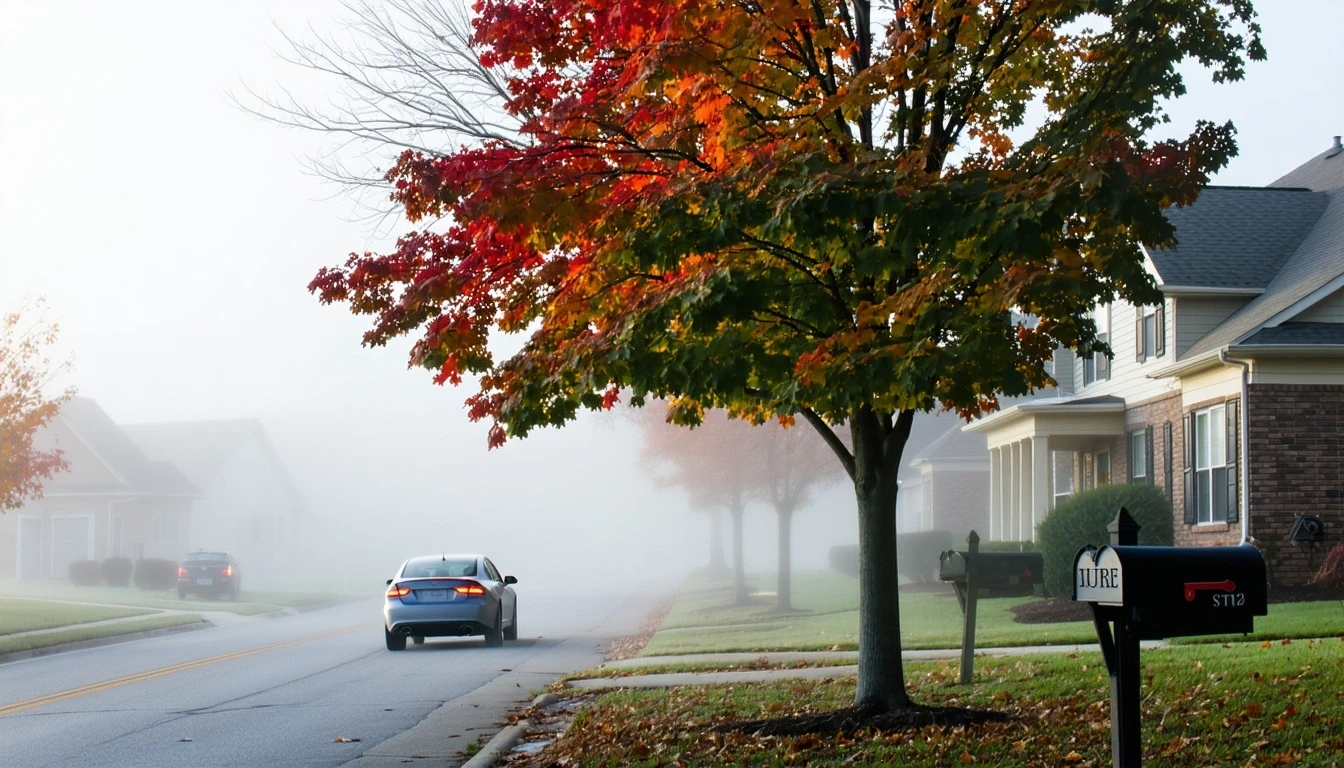
Raymore, a growing suburb located just south of Kansas City, has seen its housing market evolve in recent years. With a population of over 23,000 as of 2025, Raymore offers a mix of established neighborhoods and new developments catering to various demographics, from young families to retirees. The city’s proximity to major employers like Cerner Corporation and Burns & McDonnell has driven steady demand for housing.
Compared to neighboring cities like Lee’s Summit and Belton, Raymore’s housing market remains relatively affordable. However, prices have been on the rise as more people discover the appeal of this quiet, family-friendly community. Residents are drawn to Raymore’s highly-rated schools, ample parks and recreation options, and convenient access to Kansas City via I-49.
For those considering a move to Raymore, it’s crucial to understand the full scope of housing costs beyond just rent or mortgage payments. Property taxes, HOA fees, and maintenance expenses can add up quickly, making it important to budget accordingly and weigh the long-term costs of renting versus buying.
Renting in Raymore: Typical Costs and Trends
As of 2025, the average rent for a 1-bedroom apartment in Raymore hovers around $1,100 per month, while a 2-bedroom unit typically goes for $1,400. These prices are on par with the broader Kansas City metro area but slightly higher than some neighboring suburbs like Grandview or Belton.
Raymore’s rental market caters to a mix of young professionals, small families, and empty nesters looking to downsize. Many renters are drawn to the city’s newer apartment complexes, which offer amenities like fitness centers, swimming pools, and dog parks. Older apartment buildings and townhomes provide more affordable options, particularly in established neighborhoods near Raymore’s historic downtown district.
Renters in Raymore benefit from the city’s central location and easy highway access. Many residents commute to jobs in downtown Kansas City or the nearby Cerner Innovations Campus, making proximity to I-49 a key factor in rental prices. Neighborhoods close to major thoroughfares like 58 Highway or Dean Avenue tend to command higher rents.
Owning a Home in Raymore: Prices, Taxes, and HOA Fees
The median home price in Raymore sits around $275,000 as of 2025, making it an attractive option for first-time buyers and growing families. However, prices can vary widely depending on the neighborhood, age of the home, and lot size. Newer construction in master-planned communities like Edgewater at Creekmoor or Westbrook Villas often sells for $350,000 or more.
Property taxes are another important consideration for homeowners in Raymore. The city’s property tax rate currently stands at 1.2%, which translates to annual taxes of $3,300 on a $275,000 home. This rate is slightly higher than some neighboring cities but helps fund Raymore’s top-notch schools and community amenities.
Many of Raymore’s newer neighborhoods are governed by homeowners associations (HOAs), which charge monthly or annual fees to cover maintenance of common areas, amenities, and exteriors. HOA fees in Raymore typically range from $200 to $500 per month, depending on the community and services provided. In addition to landscaping and snow removal, some HOAs cover extras like trash service, swimming pools, and fitness centers.
Apartment vs House in Raymore: Side-by-Side Costs
| Monthly Expense | Apartment (2BR) | House (3BR) |
|---|---|---|
| Rent/Mortgage Payment | $1,400 | $1,600 |
| Property Tax | N/A (included in rent) | $275 |
| Utilities | $150 | $250 |
| Insurance | $15 (renters) | $80 (homeowners) |
| HOA Fees | N/A | $300 |
| Maintenance & Repairs | $0 | $200 |
| Monthly Total | $1,565 | $2,705 |
Methodology: Housing estimates for 2025 in Raymore use published rent and sale price data, local property tax rates, and typical HOA fees where available. When city-specific numbers are missing, regional ranges for similar Missouri markets are applied. All totals are rounded and expressed as monthly costs. Actual expenses vary depending on neighborhood, housing type, and household size.
Utility & Upkeep Differences
In addition to higher base rent or mortgage payments, houses in Raymore tend to come with steeper utility and maintenance costs compared to apartments. Standalone homes have more space to heat and cool, resulting in higher energy bills, especially during Missouri’s humid summers and chilly winters. Homeowners should budget an extra $100 or more per month for electricity and gas.
Apartments, particularly those in newer complexes, are typically more energy-efficient thanks to shared walls, updated HVAC systems, and smaller square footage. Some Raymore landlords even include water, trash, or cable in the monthly rent. However, renters should still anticipate paying for electricity, internet, and sometimes parking on top of base rent.
Maintenance is another key area where houses differ from apartments. While most apartment dwellers only have to worry about minor repairs and upkeep inside their unit, homeowners are responsible for all interior and exterior maintenance. This includes big-ticket items like roof replacements, HVAC repairs, and lawn care, which can add hundreds to the monthly budget.
5-Year Rent vs Buy Outlook
Over a 5-year period, renting in Raymore tends to be the more affordable option on a monthly basis. Assuming a 2-bedroom apartment at $1,400 per month and modest 2% annual rent increases, a renter would pay around $88,000 in total housing costs over 5 years. In contrast, a homeowner with a $275,000 house (10% down, 3.5% interest rate) would shell out closer to $135,000 during that same period, factoring in mortgage payments, property taxes, insurance, and conservative maintenance costs.
However, the long-term financial benefits of homeownership can outweigh the higher upfront costs. Assuming a modest 2% annual appreciation rate, that same $275,000 Raymore home would be worth over $303,000 after 5 years. The owner also builds around $35,000 in equity over that period, while the renter walks away with no tangible assets.
Ultimately, the decision to rent or buy in Raymore depends on individual circumstances, including income stability, savings, and long-term goals. Buyers who plan to stay put for at least 5-7 years often come out ahead, while those who value flexibility or may relocate for work are likely better off renting.
FAQs About Housing Costs in Raymore
How much are HOA fees in Raymore?
HOA fees in Raymore range from $200 to $500 per month, depending on the neighborhood and amenities. Not all communities have HOAs.
What is the property tax rate in Raymore?
As of 2025, Raymore’s property tax rate is 1.2% of assessed value. For a $275,000 home, that equates to $3,300 per year or $275 per month.
Is renting cheaper than buying long-term in Raymore?
Renting is often cheaper than buying on a monthly basis, but homeowners can come out ahead long-term through equity gains and appreciation. The break-even point is typically around 5-7 years.
Do houses have higher utility costs than apartments?
Yes, standalone homes in Raymore tend to have higher heating, cooling, and water costs than apartments due to their larger size and less efficient layouts. Budget an extra $100+ per month for house utilities.
What’s the monthly cost difference between apartments and houses in Raymore?
As of 2025, the average 2-bedroom apartment in Raymore rents for $1,400 per month. A typical 3-bedroom house has a monthly mortgage payment around $1,600, plus $800 or more for taxes, insurance, HOA dues, and upkeep – totaling $2,400+.
Making Smart Housing Choices in Raymore
As Raymore’s population and housing costs continue to rise, it’s more important than ever for residents to understand the full picture of renting versus buying. While renting may offer lower monthly payments and more flexibility, homeownership remains a key path to long-term wealth building for those who can afford the upfront costs and plan to stay in the area.
For a more complete look at the cost of living in Raymore, be sure to factor in expenses like food, transportation, healthcare, and entertainment on top of core housing costs. Prospective residents can also explore typical household budgets to get a sense of how much they’ll need to earn to afford their desired Raymore lifestyle.
Whether renting a cozy apartment near the historic downtown district or purchasing a spacious home in one of Raymore’s newer subdivisions, there are plenty of options for putting down roots in this charming Kansas City suburb. By carefully weighing the costs and benefits of each housing type, residents can find the right fit for their budget and long-term goals.