
Is Gladstone the kind of place you grow roots—or just pass through? That question tends to split people cleanly: families with kids often describe it as exactly what they were looking for, while younger singles and urban-minded renters sometimes feel like they’re waiting for the next chapter. The city’s emotional tone reflects a classic suburban tradeoff—comfort and convenience on one side, limited nightlife and cultural variety on the other. What keeps coming up in local discussion isn’t whether Gladstone is “good” or “bad,” but whether it fits what you’re actually trying to build.
Gladstone sits in the northern Kansas City metro, close enough to the city for work but far enough to feel distinctly suburban. The vibe here is grounded in family routines, accessible errands, and green space woven into daily life. People who thrive here tend to value predictability, safety, and infrastructure that supports raising kids. People who feel restless tend to want more spontaneity, walkable urban texture, or cultural options within arm’s reach. The tension isn’t about Gladstone failing to deliver—it’s about whether what it delivers is what you’re looking for.
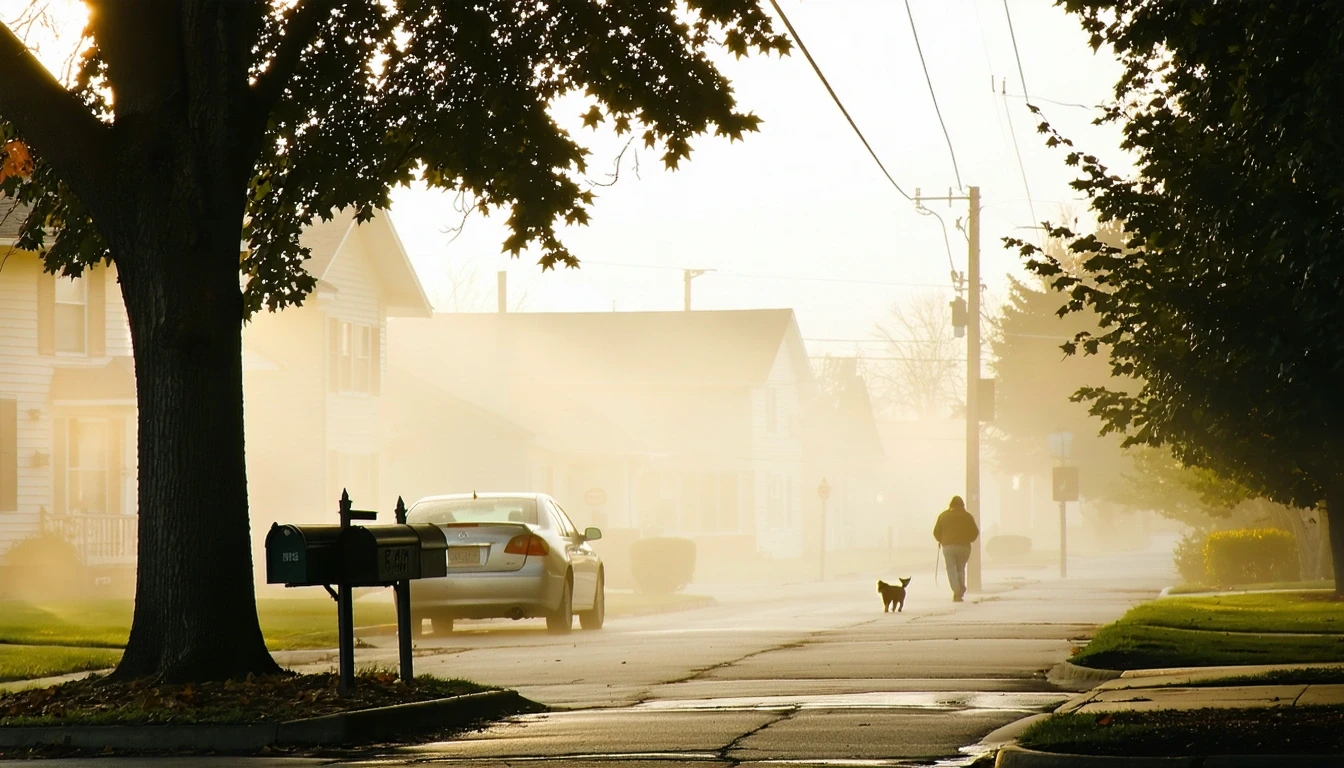
What the Conversation Sounds Like
On platforms like Reddit, Facebook groups, and neighborhood forums, Gladstone residents talk less about dramatic change and more about the steady hum of suburban life. Discussions often center on school quality, park maintenance, grocery store options, and commute strategies. There’s a protective tone when outsiders dismiss the city as “just another suburb”—locals push back with specifics about convenience, safety, and the ease of running errands without fighting traffic or parking.
Frustration tends to surface around two themes: the need for a car in many parts of the city, and the lack of evening entertainment options. One recurring sentiment sounds like this: “It’s great for what it is, but if you want to do anything after 8 p.m., you’re driving to Kansas City.” Another common thread: “I love that I can get groceries, hit the park, and be home in under an hour—but I wish there were more local restaurants worth going back to.”
There’s also a generational split in tone. Long-time residents express pride in the city’s stability and family focus, while newer arrivals—especially younger professionals—sometimes describe feeling caught between affordability and isolation. A typical comment: “We moved here because we could actually afford a house, but we didn’t realize how much we’d miss being able to walk somewhere interesting.”
How Local Coverage Frames the City
Local news and community outlets tend to frame Gladstone through the lens of steady growth, infrastructure updates, and family-oriented development. Coverage rarely focuses on controversy or crisis; instead, it highlights ribbon cuttings, school achievements, and park improvements. The tone is civic and optimistic, but not without occasional debate about what kind of growth the city should pursue.
Recurring headline-style themes include:
- “Community Debates What Growth Should Look Like”
- “New Amenities Arrive as Town Identity Evolves”
- “Residents Weigh Convenience vs Quiet”
- “Schools and Parks Remain Central to City’s Appeal”
- “Commuters Balance Affordability and Distance”
The framing reflects a city that knows what it is—a family-focused suburb with strong infrastructure—but is still negotiating how much it wants to change. There’s little appetite for dramatic transformation, but there’s also recognition that younger households and renters want more than what’s currently on offer.
What Reviews and Public Perception Reveal
On Google, Yelp, and Nextdoor-style platforms, Gladstone earns consistent praise for grocery accessibility, park quality, and school infrastructure. People who moved here specifically for family life tend to leave glowing reviews: “Everything we need is close by, the parks are clean, and the schools are solid. We’re not looking for nightlife, so this is perfect.”
Criticism tends to come from people whose expectations didn’t align with the city’s structure. Common complaints include limited dining variety, car dependency in certain neighborhoods, and the lack of a hospital within city limits. One recurring sentiment: “It’s fine if you have kids and a car. If you don’t have both, it feels limiting.”
Gladstone’s structure creates natural friction for households that prioritize walkability or spontaneous outings. The city has walkable pockets—areas where sidewalks, parks, and grocery stores cluster—but much of the residential fabric still assumes you’ll drive. People who land in the walkable zones tend to feel more satisfied; those in car-oriented sections sometimes describe feeling isolated despite living in a populated area.
Healthcare access also surfaces in reviews. While clinics and pharmacies are present, the absence of a local hospital means serious medical needs require a drive. For families with young kids or older adults, this adds a layer of planning that some find inconvenient.
How Gladstone Compares to Nearby Cities
| Dimension | Gladstone | Liberty | North Kansas City |
|---|---|---|---|
| Overall Vibe | Family-focused suburban comfort with strong errands access | Historic small-town feel with growing amenities | Urban-adjacent with industrial texture and walkable core |
| Walkability | Walkable pockets, but car-oriented in many areas | Walkable downtown, car-dependent elsewhere | More walkable throughout, closer to urban grid |
| Family Infrastructure | Strong schools and playgrounds, integrated parks | Strong schools, growing family amenities | Limited family infrastructure, more urban feel |
| Nightlife & Dining | Limited, mostly chain options | Growing local dining scene, still quiet evenings | More variety, closer to Kansas City’s urban core |
| Commute Tradeoff | Affordable, but distance to Kansas City adds time | Farther out, more suburban isolation | Closest to downtown Kansas City, less suburban space |
Gladstone sits in the middle of a classic suburban spectrum. Liberty offers more small-town charm and a walkable historic downtown, but it’s farther from Kansas City and feels more isolated for people who work downtown. North Kansas City trades suburban space for proximity and walkability, appealing to renters and younger professionals who want urban access without full urban density. Gladstone offers a middle path: family infrastructure, grocery convenience, and affordability, but less walkability and fewer evening options than North Kansas City, and less historic character than Liberty.
If you’re raising kids and want parks, schools, and easy errands, Gladstone tends to feel like the right fit. If you’re a young professional who values spontaneous outings and walkable texture, North Kansas City might feel less isolating. If you want small-town identity with space to spread out, Liberty might align better. None of these cities is objectively better—they’re solving for different priorities.
What Locals Are Saying
“We moved here from Overland Park when our second kid was born. The schools are solid, the parks are everywhere, and I can get groceries without planning my whole afternoon. It’s not exciting, but that’s kind of the point.” — Family with young children
“I work remotely and honestly, Gladstone feels a little too quiet. I love the green space and the low-key vibe, but I wish there were more coffee shops or places to work outside my house. I end up driving to Kansas City a lot.” — Remote worker in their 30s
“I’ve lived here for 20 years and watched it grow. It’s still a great place to raise a family, but I do worry it’s losing some of its character. Everything new feels like a chain.” — Long-time resident
“We rented here for a year before buying. The rent was reasonable, and we liked being close to Kansas City without paying city prices. But we didn’t realize how much we’d need a second car—there’s just not much within walking distance from our apartment.” — Young couple, renters turned buyers
“The parks are honestly some of the best I’ve seen in a suburb this size. We’re at the playground or trail almost every weekend. If you have kids, that alone makes it worth it.” — Parent of school-aged children
“I moved here after retiring and it’s been exactly what I wanted—quiet, safe, easy to get around. I don’t need nightlife, and the clinic nearby handles most of my appointments. For serious stuff, I drive to the hospital in Kansas City, but that’s rare.” — Retiree
“It’s fine, but I feel like I’m always driving. Even though there are grocery stores nearby, I still need a car for everything. I thought ‘suburban’ would feel more connected than this.” — Single professional without kids
How Place Structure Shapes Daily Life
Gladstone’s structure creates a specific rhythm for households. Because food and grocery density both exceed regional thresholds, running errands feels efficient—you’re rarely more than a few minutes from a supermarket or pharmacy. Parks are integrated throughout the city, not isolated in distant corners, so families with kids can access green space without planning a trip. Schools and playgrounds meet density thresholds in tandem, which means neighborhoods tend to feel designed for families rather than retrofitted.
But the city’s walkability is uneven. The pedestrian-to-road ratio is high in certain pockets, meaning some neighborhoods support walking as a real option for errands or recreation. In other areas, the infrastructure assumes you’ll drive. This creates a split experience: households in walkable zones describe feeling connected and convenient, while those in car-oriented sections sometimes feel isolated despite living in a populated suburb. Transit is limited to bus service, so households without cars face real friction unless they’re in one of the walkable pockets.
For families with school-aged children, this structure tends to work well—errands are accessible, parks are plentiful, and the rhythm of daily life feels manageable. For younger professionals, remote workers, or renters without kids, the experience can feel more limiting, especially in the evenings or on weekends when the lack of dining and entertainment options becomes more noticeable.
Does Gladstone Feel Like a Good Fit?
Gladstone doesn’t ask you to love it unconditionally—it asks whether you value what it’s built to deliver. If you’re raising a family, want housing tradeoffs that favor affordability over urban proximity, and appreciate infrastructure designed around schools, parks, and grocery access, this city tends to feel like it fits. If you’re looking for walkable urban texture, evening entertainment, or spontaneous outings without a car, you’ll likely feel the gaps.
The city’s emotional tone reflects stability, not excitement. People who thrive here tend to describe it as “exactly what we needed”—not because it’s perfect, but because it solves the problems they were trying to escape. People who feel restless tend to describe it as “fine for now”—a placeholder until they can afford something closer to Kansas City or with more variety.
Understanding monthly expenses and lifestyle needs can help clarify whether Gladstone’s structure aligns with your priorities. The city isn’t trying to be all things to all people—it’s optimized for family life, errands accessibility, and suburban comfort. If that’s what you’re looking for, the fit tends to be strong. If you’re looking for something else, the friction will likely show up early.
How this article was built: In addition to public economic data, this article incorporates location-based experiential signals derived from anonymized geographic patterns—such as access density, walkability, and land-use mix—to reflect how day-to-day living actually feels in Gladstone, MO.
The perspectives shown reflect commonly expressed local sentiment and recurring themes in public discussion, rather than individual accounts.