
Maya and her partner had been eyeing Glastonbury for months—good schools on paper, a manageable commute to Hartford, and neighborhoods that looked peaceful in photos. Their combined income felt solid, well above what online calculators suggested they’d need. But three months after moving, they were surprised by how quickly their financial cushion thinned. It wasn’t one dramatic expense—it was the steady accumulation of costs that didn’t show up in the averages. Housing took more than they’d planned. Utility bills spiked in winter. Errands required more driving than expected. They weren’t struggling, but the ease they’d imagined hadn’t materialized. Comfort, they realized, wasn’t just about income—it was about how income matched the specific frictions of daily life in Glastonbury.
This article explains how income pressure and comfort actually work in Glastonbury, helping you judge whether your earnings and lifestyle expectations align with the realities of living here—without producing a single “required income” figure.
What “Living Comfortably” Means in Glastonbury
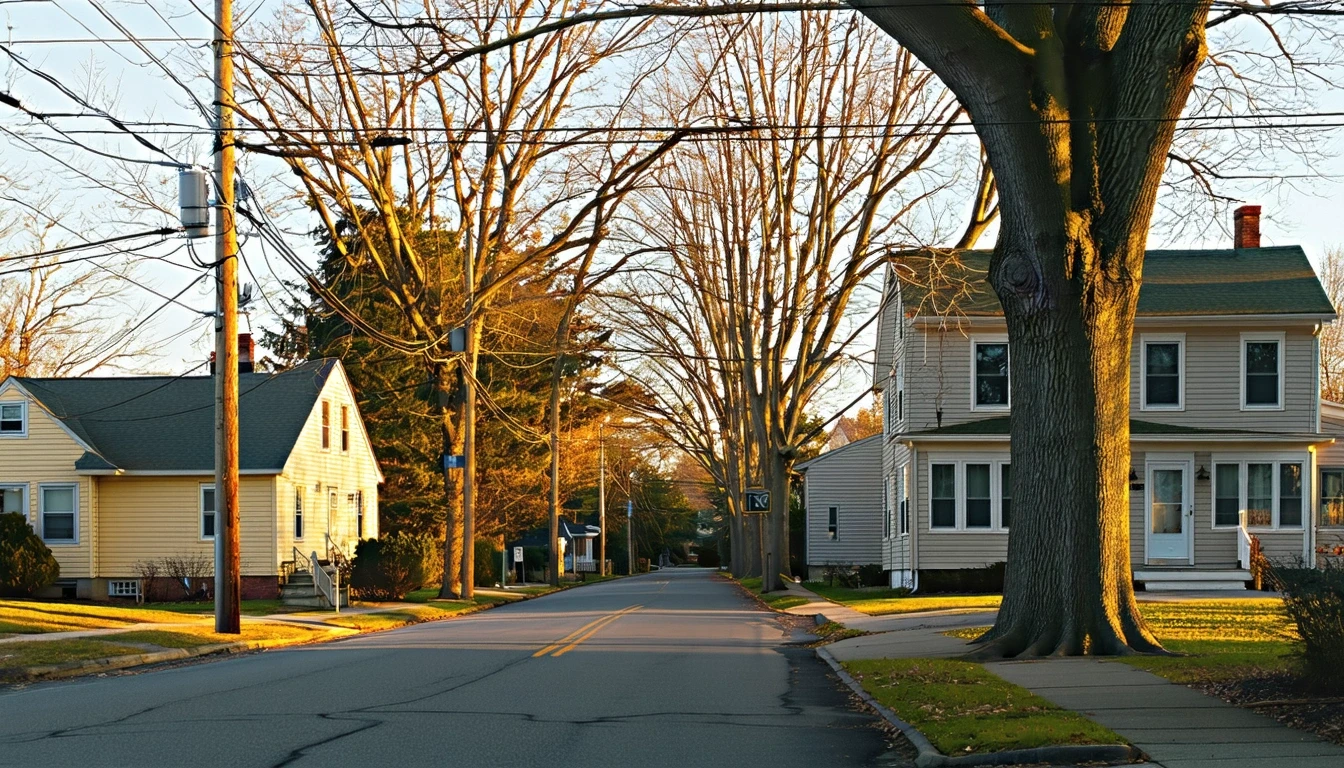
Comfort in Glastonbury isn’t universal—it’s contextual, shaped by what you expect from your home, your time, and your daily routines. For some, comfort means a single-family home with yard space and room to spread out. For others, it’s the ability to walk to a coffee shop on a Saturday morning or skip the car for quick errands. The town offers both, but not everywhere, and not without tradeoffs.
Glastonbury’s median household income sits at $104,557 per year, well above state and national benchmarks. That figure reflects a community where dual incomes are common, professional employment dominates, and housing costs command a significant share of earnings. The median home value is $360,900, and renters pay a median of $1,657 per month. These aren’t abstract numbers—they set the baseline for what “normal” looks like here, and they shape what comfort requires.
Comfort also means absorbing seasonal swings without stress. Winters bring cold-weather heating exposure, and electricity rates of 25.30¢/kWh make climate control expensive. Natural gas, priced at $16.18 per MCF, offers an alternative for heating, but not all homes have access. Comfort means your income can handle these swings without forcing you to adjust thermostats, delay purchases, or rethink plans.
Time is another dimension of comfort. Glastonbury’s structure—mixed land use in some areas, car-dependent corridors in others—means daily logistics vary widely depending on where you live. Walkable pockets exist, offering pedestrian infrastructure that supports errands and routines on foot. But food and grocery options cluster along corridors rather than spreading evenly, so spontaneity often requires planning. Comfort, in this context, means your household can afford the time or money cost of getting things done without constant friction.
Where Income Pressure Shows Up First
Income pressure in Glastonbury doesn’t announce itself with a single bill—it accumulates across multiple cost centers, each one defensible on its own but collectively demanding. Understanding what drives expenses here requires looking at how housing, utilities, transportation, and household logistics interact.
Housing dominates. Whether you’re renting or buying, shelter costs in Glastonbury claim a large share of gross income. The median rent of $1,657 per month translates to nearly $20,000 annually before utilities, parking, or renter’s insurance. For buyers, the median home value of $360,900 implies mortgage payments, property taxes, homeowner’s insurance, and maintenance—all of which escalate total housing expense well beyond the purchase price. Households at or below the median income often find that housing alone consumes more than the traditional 30% affordability threshold, leaving less room for everything else.
Utility volatility intensifies pressure. Glastonbury’s cold winters and warm summers create seasonal swings in heating and cooling costs. Electricity rates are high relative to national averages, and homes relying on electric heat face steep bills during extended cold snaps. Natural gas offers some relief, but not all properties have access, and prices fluctuate. Comfort requires the ability to absorb these swings without cutting back elsewhere—something that becomes harder when housing costs are already stretched.
Transportation adds another layer. Gasoline prices of $3.04 per gallon are moderate, but Glastonbury’s structure means car dependency varies by neighborhood. Walkable pockets with higher pedestrian-to-road ratios allow some households to reduce driving, but food and grocery options cluster along corridors rather than spreading evenly. This means errands often require a car, even for short trips. Commuters face additional exposure: without local commute data, it’s difficult to quantify, but the town’s role as a bedroom community near Hartford suggests many residents drive daily, adding fuel, maintenance, insurance, and time costs to the household ledger.
For families, logistics pressure compounds. School and playground density in Glastonbury falls below typical thresholds, meaning parents often need to drive children to activities, playdates, and extracurriculars. Clinics are present locally, but hospital access requires travel. These aren’t catastrophic costs, but they add friction—time spent coordinating, fuel consumed, schedules tightened. Income pressure shows up not just in bills, but in the mental load of managing a household where convenience isn’t built into the environment.
How the Same Income Feels Different by Household
Households at similar income levels often experience very different pressure in Glastonbury depending on their size, structure, and expectations. The same salary that feels manageable for one household can feel tight for another, not because of spending habits, but because of how daily life intersects with the town’s cost structure and physical layout.
Single adults face the full weight of housing costs alone. Rent of $1,657 per month or a mortgage on a $360,900 home consumes a large share of income when there’s no one to split it with. Utility bills, car expenses, and insurance all fall on one person. The upside: walkable pockets in Glastonbury offer a car-light lifestyle in limited areas, and mixed land use means some singles can reduce transportation costs by living near work or errands. But corridor-clustered food and grocery options still require planning, and limited family infrastructure is irrelevant. For single adults, comfort depends on whether income can cover housing without forcing compromises on space, location, or quality.
Couples without children gain flexibility. Dual incomes create a buffer that absorbs housing costs more easily and smooths out utility volatility. Seasonal heating and cooling swings that might force a single adult to adjust behavior become manageable when two paychecks cover the bills. Transportation costs can be shared, and the town’s mixed land use supports varied routines—one partner might work from home while the other commutes, or both might drive but to different destinations. Limited family infrastructure doesn’t matter yet, and routine healthcare access through local clinics meets most needs. For couples, Glastonbury often feels comfortable at income levels that would strain a single adult.
Families with children face the most complex pressure. Housing space needs intensify—larger homes, more bedrooms, yards for play—all of which push costs higher. Limited school and playground density increases logistics burden: parents drive children to activities, coordinate schedules, and spend time managing a household where convenience isn’t built into the environment. Car dependency rises outside walkable pockets, and corridor-clustered errands mean grocery runs, doctor visits, and extracurriculars all require planning and fuel. Healthcare access is adequate for routine needs, but hospital care requires travel. For families, comfort requires not just higher income, but income that can absorb both the direct costs (housing, utilities, transportation) and the indirect costs (time, coordination, mental load) of raising children in a town where infrastructure support is limited.
The Comfort Threshold (Qualitative)
Comfort in Glastonbury isn’t a number—it’s a transition point where financial pressure eases and choices expand. It’s the moment when housing costs no longer force you to compromise on location, space, or quality. When utility bills arrive and you pay them without adjusting your thermostat or rethinking your budget. When transportation becomes a choice rather than a constraint, and errands don’t require constant planning. When discretionary spending—a dinner out, a weekend trip, a home repair—becomes possible without monthly recalculation.
Below this threshold, households make tradeoffs. They rent smaller apartments to stay within budget. They drive less, plan errands carefully, and absorb seasonal utility swings by adjusting behavior. They delay purchases, skip non-essentials, and feel the weight of every unexpected expense. Life works, but it requires constant management.
Above the threshold, pressure dissipates. Housing costs become predictable rather than dominant. Utility volatility is an annoyance, not a crisis. Transportation offers flexibility—drive when you want, walk when it’s convenient, skip the mental math. Families can afford the logistics burden of limited infrastructure without feeling stretched. Saving becomes plausible, not aspirational.
Where that threshold sits depends on household structure, expectations, and how you use the town. A single adult living in a walkable pocket with modest space needs crosses it at a lower income than a family of four seeking a single-family home with yard space and room for children. A couple willing to absorb seasonal utility swings and plan errands around corridor clusters crosses it sooner than one expecting spontaneous convenience. The threshold isn’t fixed—it’s personal, shaped by what you need from Glastonbury and how much friction you’re willing to manage.
Why Online Cost Calculators Get Glastonbury Wrong
Most cost-of-living calculators reduce Glastonbury to a set of averages: median rent, typical utilities, estimated transportation. They produce a total, imply a required income, and suggest that if your earnings exceed the number, you’ll be fine. But totals mislead, because they ignore how costs interact with lifestyle and how the town’s structure shapes daily experience.
Calculators treat housing as a fixed line item, but in Glastonbury, housing is a tradeoff. The median rent of $1,657 per month reflects a range of options—some in walkable pockets with access to errands and transit alternatives, others in car-dependent corridors where convenience requires driving. A calculator sees one number; a household experiences very different realities depending on where they land. The same income feels different in each location, but the calculator doesn’t capture that.
Utilities get averaged, but Glastonbury’s seasonal swings mean actual bills vary widely. A household heating with electricity at 25.30¢/kWh during a cold winter faces very different costs than one using natural gas or living in a well-insulated newer build. Calculators assume typical usage, but comfort depends on whether your income can absorb the high months without stress—something averages can’t predict.
Transportation assumptions break down entirely. Calculators estimate car costs based on regional averages, but Glastonbury’s mixed mobility texture means some households can walk or bike for errands while others drive everywhere. Corridor-clustered food and grocery options mean planning matters more than distance. Limited family infrastructure means parents drive children to activities that might be walkable in denser towns. A calculator might estimate $200 per month for gas and maintenance; a family with two working parents and school-age children might spend double that, plus the time cost of constant coordination.
Lifestyle assumptions matter more than totals. Calculators don’t ask whether you expect to walk to coffee shops, absorb utility swings without adjusting behavior, or manage a household where errands require planning. They don’t account for the mental load of living in a place where convenience isn’t built in. They produce a number, but comfort isn’t a number—it’s the alignment between your income, your expectations, and the specific frictions of daily life in Glastonbury.
People feel surprised after moving because the calculator told them they could afford it, but it didn’t tell them what “affording it” would feel like. The bills get paid, but the ease they imagined doesn’t materialize. That gap—between the total and the texture—is why calculators get Glastonbury wrong.
How to Judge Whether Your Income Fits Glastonbury
Instead of asking “How much do I need?” ask yourself these questions. Your answers will tell you more than any income threshold ever could.
How sensitive are you to housing tradeoffs? Glastonbury’s housing costs are high, and they force choices. Can you accept a smaller space, an older building, or a less convenient location to stay within budget? Or do you need a single-family home with yard space and modern finishes? If your housing expectations are non-negotiable, your income needs to be high enough to meet them without forcing compromises elsewhere.
Can you absorb seasonal utility swings? Winters bring cold-weather heating exposure, and electricity rates are steep. If a $300 heating bill in January would force you to cut back on groceries or delay a purchase, your income might not provide the cushion Glastonbury’s climate demands. Comfort means paying the bill and moving on, not adjusting your thermostat or rethinking your budget.
Is time or money your limiting factor? Glastonbury’s structure—walkable pockets in some areas, car-dependent corridors in others—means daily logistics vary widely. If you live in a walkable pocket, you can reduce transportation costs but might sacrifice space or pay higher rent. If you live in a car-dependent area, you’ll drive more, spend more on fuel and maintenance, and invest more time coordinating errands. Which tradeoff fits your household better?
How much planning friction can you tolerate? Food and grocery options cluster along corridors rather than spreading evenly, so spontaneous errands often aren’t possible. School and playground density is limited, so families drive children to activities. Routine healthcare is accessible locally, but hospital care requires travel. If you expect convenience to be built into your environment—walk out the door and find what you need—Glastonbury will feel harder than a place where infrastructure density is higher. If you’re comfortable planning ahead and building routines around the town’s structure, it works.
How much flexibility do you expect month to month? Comfort isn’t just about covering bills—it’s about having room for the unexpected. A car repair, a medical expense, a last-minute trip. If your income leaves little margin after housing, utilities, and transportation, Glastonbury will feel tight even if the math technically works. If you have discretionary income left over and can save consistently, you’re above the comfort threshold.
These questions don’t produce a number, but they clarify fit. Glastonbury works well for households whose income aligns with its cost structure and whose expectations match its physical layout. For others, the gap between income and comfort will persist no matter how the math looks on paper.
How Day-to-Day Living Actually Feels in Glastonbury
The structure of Glastonbury shapes daily routines in ways that aren’t immediately obvious from housing costs or income averages. How you move through the town, where you run errands, and how much planning your household requires all depend on where you live and how the built environment supports—or resists—your needs.
Walkable pockets exist, offering pedestrian infrastructure that supports errands and routines on foot in limited areas. If you live in one of these zones, you can reduce car dependency for some trips—coffee runs, short errands, evening walks. But food and grocery options don’t spread evenly; they cluster along corridors, which means even in walkable areas, a full grocery trip often requires a car. The bike-to-road ratio sits in the medium band, so cycling is possible but not seamlessly integrated. You’ll find bike lanes in some areas, but connectivity is incomplete, and many residents default to driving even for short distances.
For families, the logistics burden is heavier. School and playground density falls below typical thresholds, meaning parents drive children to activities, playdates, and extracurriculars rather than walking them to nearby facilities. This isn’t catastrophic, but it adds time, fuel costs, and coordination complexity to daily life. Households with young children spend more time in the car managing logistics than they might in towns where family infrastructure is denser and more evenly distributed.
Healthcare access works for routine needs—clinics are present locally, and pharmacies are available—but hospital care requires travel. For most households, this is manageable: annual checkups, minor illnesses, and prescriptions can be handled nearby. But emergencies, specialist visits, or more complex care mean driving to Hartford or another regional hub, which adds time and planning to situations that are already stressful.
Mixed land use is present, meaning residential and commercial zones overlap in parts of the town. This supports varied routines—some people work from home, others commute, and some can walk to errands while others drive. But the mix isn’t uniform, and convenience depends heavily on where you land. Live in a walkable pocket near mixed-use corridors, and daily life feels easier. Live in a car-dependent residential zone, and every errand requires a trip, every activity requires coordination, and spontaneity becomes rare.
The texture of daily life in Glastonbury isn’t uniform—it’s shaped by infrastructure, density, and where your household sits within the town’s physical layout. Income determines whether you can afford to live here, but structure determines how living here actually feels.
How this article was built: In addition to public economic data, this article incorporates location-based experiential signals derived from anonymized geographic patterns—such as access density, walkability, and land-use mix—to reflect how day-to-day living actually feels in Glastonbury, CT.
FAQs About Living Comfortably in Glastonbury
Is the median household income in Glastonbury enough to live comfortably?
The median household income of $104,557 per year reflects what’s typical here, not what’s sufficient. For dual-income couples without children, it often provides a comfortable cushion. For single adults or families with children, it can feel tight, especially if housing costs claim a large share and utility volatility or family logistics add pressure. Comfort depends on household structure, expectations, and how much friction you’re willing to manage.
How much of my income will go to housing in Glastonbury?
That depends on what you choose and what you’re willing to compromise. The median rent of $1,657 per month and median home value of $360,900 set a baseline, but actual costs vary widely by location, size, and condition. Many households exceed the traditional 30% affordability threshold, especially if they prioritize space, location, or modern finishes. Comfort comes when housing costs no longer force tradeoffs that affect your quality of life.
Are utilities in Glastonbury expensive?
Yes, particularly electricity, which costs 25.30¢/kWh—well above national averages. Cold winters drive heating costs higher, and homes relying on electric heat face steep bills during extended cold snaps. Natural gas, priced at $16.18 per MCF, offers an alternative for some, but not all properties have access. Comfort means your income can absorb seasonal swings without forcing you to adjust thermostats or delay other spending.
Do I need a car to live in Glastonbury?
Most households do. Walkable pockets exist, and some residents reduce driving by living near errands or work, but food and grocery options cluster along corridors rather than spreading evenly. Families face higher car dependency due to limited school and playground density, which requires driving children to activities. Gasoline prices of $3.04 per gallon are moderate, but total transportation costs—fuel, maintenance, insurance—add up quickly, especially for multi-car households.
Is Glastonbury a good fit for families on a tight budget?
It’s challenging. Housing costs are high, family infrastructure density is limited, and daily logistics often require driving. Parents spend more time coordinating schedules, managing errands, and transporting children than they might in towns where schools, playgrounds, and activities are more accessible. Families at or below the median income often find that managing monthly expenses requires constant tradeoffs, and comfort remains elusive unless income provides a significant cushion above baseline costs.