
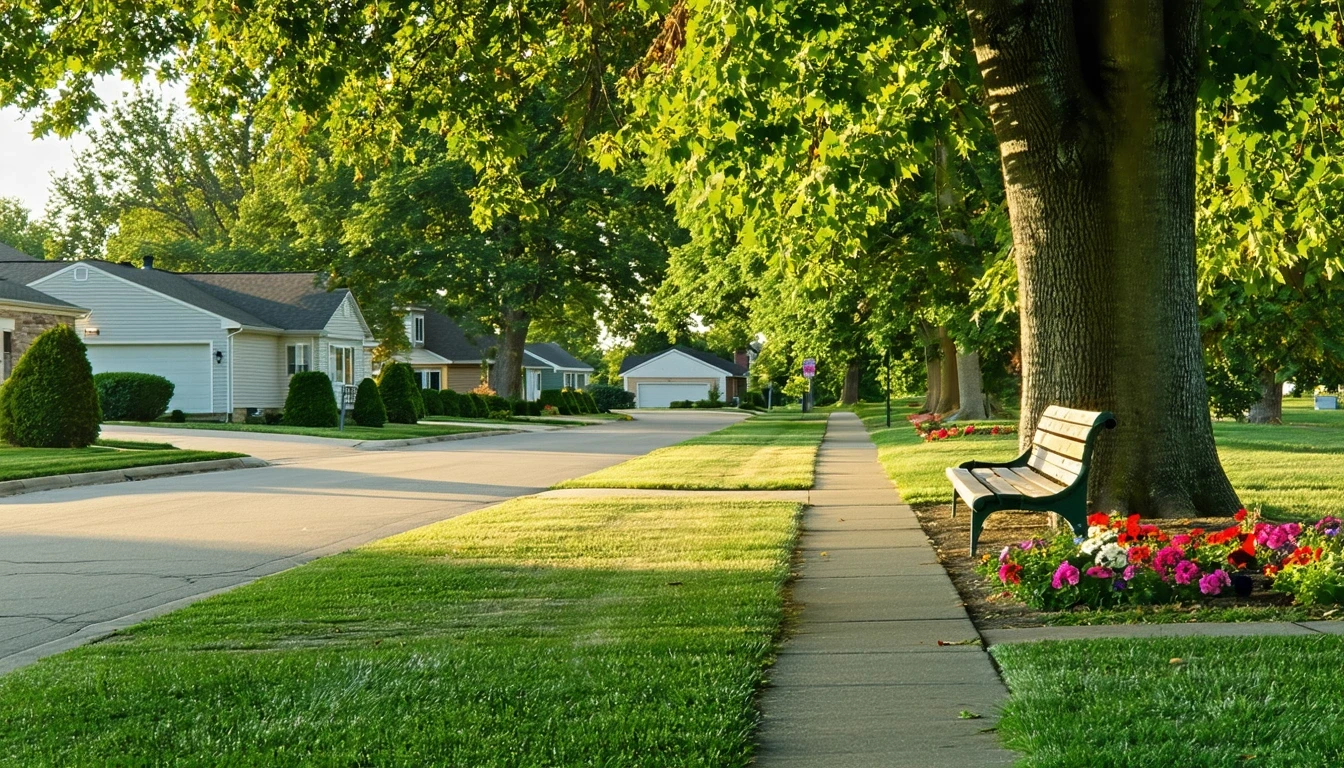
Here’s the myth: Independence is just “cheaper Kansas City.” The reality in 2026 is more textured. Independence and Kansas City sit in the same metro area, share the same utility providers, and face the same winter heating bills—but the way cost pressure shows up for households is shaped less by price tags and more by structure. Independence offers lower housing entry points and a quieter pace, while Kansas City delivers denser access to groceries, parks, and transit corridors. The decision isn’t about which city costs less overall; it’s about which cost behaviors match your household’s priorities, routines, and tolerance for trade-offs between front-loaded expenses and ongoing friction.
Both cities draw from the same regional economy, but the lived experience of managing a household budget differs in meaningful ways. Independence appeals to households prioritizing space, predictability, and lower upfront housing costs. Kansas City attracts those willing to pay more at entry in exchange for walkable errands, integrated green space, and shorter distances to daily needs. Neither city is universally more affordable—each simply concentrates cost pressure in different categories, and the right fit depends entirely on what drives your household’s financial stress and what you’re willing to navigate.
This comparison explains where costs show up, how they behave, and which households feel the differences most acutely in 2026. We’ll cover housing entry barriers, utility exposure, grocery accessibility, transportation dependence, and the hidden costs of time and convenience—without declaring a winner.
Housing Costs
Housing is where Independence and Kansas City diverge most visibly. Independence offers a median home value of $150,800 and median gross rent of $1,020 per month, while Kansas City’s median home value sits at $208,900 with median gross rent at $1,131 per month. These aren’t small differences—they represent distinct entry barriers and ongoing obligations that shape household budgets differently depending on whether you’re renting, buying, or planning to stay long-term.
For renters, Independence delivers lower monthly obligations, which matters most for single adults and couples managing tight budgets or prioritizing flexibility. The $111 monthly difference between median rents may seem modest, but it compounds over time and affects how much cushion remains for utilities, transportation, or unexpected expenses. Kansas City’s rental market, meanwhile, reflects denser housing stock and proximity to urban amenities—apartments in walkable corridors or near transit hubs command higher rents, but they also reduce car dependence and errand friction for households that value convenience over space.
For buyers, the gap widens. Independence’s lower median home value translates to smaller down payments, lower mortgage obligations, and reduced property tax exposure. This makes Independence more accessible for first-time buyers or families seeking single-family homes with yards. Kansas City’s higher home values reflect a mix of taller building profiles, denser neighborhoods, and proximity to parks and commercial corridors. Buyers in Kansas City often trade higher upfront costs for shorter commutes, walkable errands, and integrated green space—benefits that don’t show up in the purchase price but reduce ongoing transportation and time costs.
| Housing Type | Independence | Kansas City |
|---|---|---|
| Median Home Value | $150,800 | $208,900 |
| Median Gross Rent | $1,020/month | $1,131/month |
| Typical Housing Form | Single-family, mixed-height | Mixed-use, more vertical |
The housing takeaway is conditional. Renters sensitive to monthly cash flow and buyers prioritizing lower entry barriers will find Independence easier to access. Households willing to pay more upfront in exchange for reduced transportation costs, walkable daily errands, and proximity to parks will find Kansas City’s housing pressure more manageable in the long run. The difference isn’t about which city is cheaper—it’s about whether cost pressure concentrates at entry or spreads across ongoing logistics and time.
Utilities and Energy Costs
Utilities in Independence and Kansas City operate under identical rate structures—both cities pay 13.12¢ per kWh for electricity and $16.48 per MCF for natural gas. The rates are the same, but the way households experience utility costs differs based on housing stock, building age, and how much space you’re heating or cooling. Independence’s mixed-height housing and single-family dominance mean more households manage larger footprints, older construction, and greater seasonal volatility. Kansas City’s taller, denser housing stock—especially in walkable corridors—tends to concentrate residents in apartments and townhomes with shared walls, which buffer heating and cooling exposure.
Winter heating costs hit both cities, but the impact varies by housing type. Single-family homes in Independence face higher natural gas usage during cold months because they lack the thermal buffering of shared walls. Families in older homes with less insulation will see the most volatility, especially during extended cold snaps. Kansas City residents in newer apartment buildings or mixed-use developments experience more predictable utility bills year-round, though single-family homeowners in Kansas City face similar exposure to Independence. The key difference isn’t the rate—it’s the housing form and how much square footage you’re conditioning.
Summer cooling costs follow a similar pattern. Both cities endure hot, humid summers that drive air conditioning usage, but households in larger homes or older construction face steeper bills. Independence’s housing stock skews toward single-family homes with more square footage, which amplifies cooling exposure. Kansas City’s denser housing mix includes more apartments and townhomes where cooling costs are lower per household. Renters in both cities typically see more predictable utility bills because they’re managing smaller spaces, but homeowners—especially those in older, larger homes—should expect seasonal spikes that require budget cushion.
The utility takeaway is structural, not rate-based. Households in single-family homes—whether in Independence or Kansas City—will experience more volatility and higher seasonal exposure than those in apartments or newer construction. Independence’s housing stock leans more heavily toward larger, older homes, which means utility pressure is more common there. Kansas City’s denser, more vertical housing stock offers more opportunities for predictable utility costs, especially for renters and buyers in mixed-use neighborhoods. The difference isn’t about which city charges more—it’s about which housing forms dominate and how much control you have over square footage and building efficiency.
Groceries and Daily Expenses
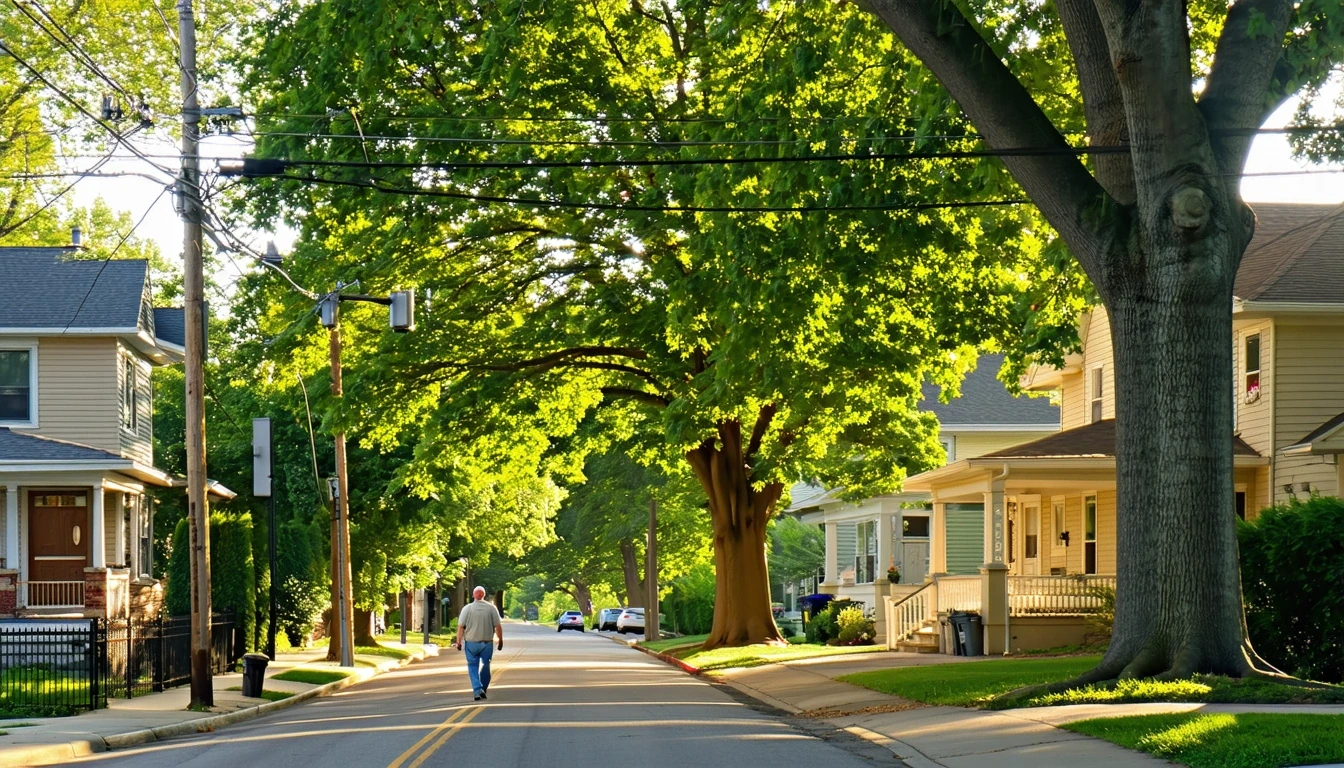
Grocery and daily expense pressure in Independence and Kansas City is shaped less by price differences and more by access density and household routines. Both cities draw from the same regional grocery market, but the way households navigate food shopping, dining out, and convenience spending differs based on how clustered or dispersed options are. Independence shows corridor-clustered food and grocery access, meaning stores and restaurants concentrate along main roads rather than spreading evenly across neighborhoods. Kansas City, by contrast, shows broadly accessible food and grocery density, with options distributed more evenly across residential areas and walkable corridors.
For single adults and couples, the difference shows up in errand friction. Independence residents often drive to a handful of familiar grocery stores along major corridors, which works well for weekly bulk shopping but adds time and planning to quick trips. Kansas City residents—especially those in denser neighborhoods—can walk or make short drives to multiple grocery options, which reduces the need for rigid shopping schedules and makes it easier to avoid waste or impulse buys at convenience stores. The price per item may be similar, but the ease of access affects how often households rely on takeout, coffee shops, or prepared foods when fresh groceries feel out of reach.
For families managing larger grocery volumes, the structural difference matters more. Independence’s corridor-clustered access works well for households that can batch errands and stock up weekly, especially if they have storage space and predictable schedules. Families in Kansas City benefit from shorter distances to grocery stores, which makes it easier to shop more frequently, buy fresh produce without overbuying, and avoid the convenience spending creep that happens when errands require dedicated trips. The trade-off isn’t about which city has cheaper groceries—it’s about whether your household thrives on planned bulk shopping or benefits from flexible, frequent access.
The grocery takeaway is logistical. Households with predictable schedules, storage space, and a preference for weekly shopping will find Independence’s corridor-clustered access manageable and cost-effective. Households with variable schedules, limited storage, or a preference for fresh, frequent shopping will find Kansas City’s broadly accessible grocery density reduces both time costs and the temptation to rely on expensive convenience options. The difference isn’t about price sensitivity—it’s about how access structure interacts with your household’s routines and whether you’re optimizing for bulk efficiency or day-to-day flexibility.
Taxes and Fees
Taxes and fees in Independence and Kansas City reflect differences in housing values, local service structures, and how municipalities fund infrastructure. Both cities operate under Missouri’s state tax framework, but property taxes—the largest recurring tax burden for homeowners—scale with home values. Independence’s lower median home value of $150,800 translates to lower annual property tax obligations compared to Kansas City’s median home value of $208,900. For homeowners planning to stay several years, this difference compounds and affects long-term affordability, especially for households on fixed incomes or those prioritizing predictable housing costs.
Renters in both cities don’t pay property taxes directly, but landlords pass those costs through in rent. The $111 monthly rent difference between Independence and Kansas City reflects not just market demand but also the underlying property tax burden and service fees landlords manage. Renters in Kansas City pay slightly more, but they also benefit from denser infrastructure, more walkable access to services, and proximity to parks and transit—benefits that don’t appear on a lease but reduce other household costs like transportation and time.
Local fees—trash collection, water, sewer, and stormwater—vary by municipality and housing type. Single-family homeowners in both cities typically pay these fees separately, while apartment renters often see them bundled into rent. Independence’s single-family housing dominance means more households manage these fees directly, which adds administrative friction but also transparency. Kansas City’s denser housing stock means more renters have fees bundled, which simplifies budgeting but reduces visibility into what’s driving costs. HOA fees, where applicable, add another layer—more common in newer subdivisions in both cities, but especially relevant in Independence’s suburban developments and Kansas City’s mixed-use corridors.
The tax and fee takeaway is structural and long-term. Homeowners in Independence face lower property tax exposure due to lower home values, which matters most for households planning to stay several years or those prioritizing predictable housing costs. Homeowners in Kansas City pay more in property taxes, but they also benefit from denser infrastructure and shorter distances to services, which reduces transportation and time costs. Renters in both cities see these costs indirectly through rent, but the trade-off between upfront housing costs and ongoing convenience remains the same. The difference isn’t about which city charges more—it’s about whether cost pressure concentrates in predictable, transparent taxes or spreads across bundled fees and indirect service costs.
Transportation & Commute Reality
Transportation costs in Independence and Kansas City are shaped by commute patterns, car dependence, and how far households need to travel for work and errands. Both cities share the same gas price of $2.51 per gallon, but the way households use cars—and whether they can avoid using them—differs based on transit access, walkability, and job location. Kansas City reports an average commute time of 22 minutes, with 26.1% of workers facing long commutes and only 3.1% working from home. Independence lacks published commute data, but its corridor-clustered errands and lower transit density suggest more households rely on cars for both work and daily logistics.
Kansas City’s rail transit presence and walkable pockets mean some households can reduce car dependence, especially those living near transit corridors or in denser neighborhoods. The city’s broadly accessible grocery and service density also shortens errand trips, which reduces weekly mileage even for households that still own cars. Independence, by contrast, shows rail transit presence but with more limited walkability outside specific pockets. Households in Independence typically drive for groceries, errands, and work, which adds up over time—not just in gas costs, but in maintenance, insurance, and the time spent managing a car-dependent lifestyle.
The transportation takeaway is behavioral, not just financial. Households in Kansas City—especially those in walkable corridors or near transit—can reduce car dependence and the ongoing costs that come with it. Households in Independence should expect to drive more frequently for both work and errands, which means higher mileage, more frequent maintenance, and less flexibility to avoid car ownership. The difference isn’t about which city has cheaper gas—it’s about how much driving your household’s routines require and whether you’re willing to trade housing costs for reduced transportation friction.
Cost Structure Comparison
Housing dominates the cost experience in both cities, but the pressure shows up differently. Independence offers lower entry barriers for both renters and buyers, which matters most for households prioritizing upfront affordability and predictable monthly obligations. Kansas City’s higher housing costs reflect denser infrastructure, walkable access to groceries and parks, and proximity to transit—benefits that reduce transportation and time costs but require higher upfront investment. Households sensitive to entry barriers will find Independence more accessible; households willing to pay more at entry to reduce ongoing logistics friction will find Kansas City’s structure more manageable long-term.
Utilities introduce similar exposure in both cities due to identical rate structures, but the housing stock difference amplifies volatility. Independence’s single-family dominance means more households manage larger footprints and older construction, which increases seasonal heating and cooling costs. Kansas City’s denser, more vertical housing stock offers more opportunities for predictable utility bills, especially for renters and buyers in apartments or newer construction. Households in single-family homes in either city should expect more volatility, but Independence’s housing mix makes that volatility more common.
Daily living costs—groceries, dining, and convenience spending—differ more in access structure than price. Independence’s corridor-clustered grocery and food access works well for households with predictable schedules and storage space, but it adds errand friction for those with variable routines. Kansas City’s broadly accessible grocery density reduces time costs and makes it easier to avoid convenience spending creep. Families managing larger grocery volumes may find Independence’s bulk shopping structure more efficient, while single adults and couples may prefer Kansas City’s flexibility and shorter errand distances.
Transportation patterns matter more in Independence, where car dependence is higher and errands require dedicated trips. Kansas City’s walkable pockets, rail transit, and denser service access reduce the need for constant driving, which lowers mileage, maintenance, and time costs. Households in Independence should budget for higher transportation exposure—not just gas, but the full cost of car ownership and the time spent managing a car-dependent lifestyle. Households in Kansas City can reduce or eliminate some of that pressure, especially if they live near transit or in walkable corridors.
The decision isn’t about which city is cheaper overall—it’s about which cost structure aligns with your household’s priorities. Households sensitive to housing entry barriers, predictable monthly obligations, and bulk shopping efficiency may prefer Independence. Households willing to pay more upfront in exchange for walkable errands, integrated green space, and reduced car dependence may find Kansas City’s cost structure more sustainable. The difference is less about price and more about where cost pressure concentrates and what your household is equipped to manage.
How the Same Income Feels in Independence vs Kansas City
Single Adult
For a single adult, Independence offers lower rent and more breathing room in the monthly budget, but that flexibility comes with higher transportation exposure and more time spent managing errands. Groceries and daily needs require dedicated trips, which adds friction to weeknight routines. Kansas City’s higher rent eats into the budget upfront, but walkable access to groceries, parks, and transit reduces car dependence and makes it easier to avoid convenience spending when time is tight. The trade-off is between predictable housing costs and reduced logistics friction.
Dual-Income Couple
For a dual-income couple, Independence’s lower housing costs free up cash for savings or discretionary spending, but both partners typically need cars to manage work and errands independently. Kansas City’s higher housing costs feel more manageable when both incomes are pooled, and the denser infrastructure means one partner may be able to reduce or eliminate car dependence if they work near transit or live in a walkable corridor. The decision hinges on whether the household prioritizes housing affordability or reduced transportation and time costs.
Family with Kids
For families with kids, Independence’s lower home values and larger single-family housing stock offer more space and predictable monthly costs, which matters when managing childcare, groceries, and school logistics. Kansas City’s higher housing costs feel steeper, but the integrated park access, moderate school density, and broadly accessible grocery options reduce the time and planning burden of managing a household with children. Families in Independence gain space and predictability; families in Kansas City gain proximity and flexibility. The difference is whether cost pressure concentrates in housing or spreads across time, transportation, and daily logistics.
Decision Matrix: Which City Fits Which Household?
| Decision Factor | If You’re Sensitive to This… | Independence Tends to Fit When… | Kansas City Tends to Fit When… |
|---|---|---|---|
| Housing entry + space needs | You prioritize lower upfront costs and predictable monthly obligations | You need single-family space and lower entry barriers matter more than proximity | You’re willing to pay more upfront for walkable access and denser infrastructure |
| Transportation dependence + commute friction | You want to reduce car dependence or avoid long commutes | You’re comfortable driving for work and errands and prefer lower housing costs | You value transit access, walkable corridors, and shorter errand distances |
| Utility variability + home size exposure | You want predictable utility bills and less seasonal volatility | You’re managing a single-family home and can budget for seasonal spikes | You prefer apartments or newer construction with shared walls and lower exposure |
| Grocery strategy + convenience spending creep | You want flexible, frequent access to groceries without rigid planning | You thrive on weekly bulk shopping and have storage space for larger hauls | You prefer frequent, walkable grocery access and want to avoid convenience spending |
| Fees + friction costs (HOA, services, upkeep) | You want transparency and control over recurring service fees | You’re managing a single-family home and prefer direct control over fees | You prefer bundled fees in rent and value simplified budgeting |
| Time budget (schedule flexibility, errands, logistics) | You want to minimize errand friction and maximize schedule flexibility | You have predictable schedules and can batch errands efficiently | You have variable schedules and value proximity to daily needs |
Lifestyle Fit
Independence and Kansas City offer distinct lifestyle textures that extend beyond cost structure. Independence delivers a quieter, more suburban pace with single-family housing, corridor-clustered errands, and moderate park access. It appeals to households seeking space, predictability, and lower entry barriers, especially families prioritizing yards and single-family homes. Kansas City offers denser infrastructure, integrated green space, and walkable pockets that make daily life feel more fluid. Rail transit presence, broadly accessible groceries, and taller building profiles create a more urban rhythm, which suits households prioritizing convenience, proximity, and reduced car dependence.
Commute patterns differ meaningfully. Kansas City’s average commute time of 22 minutes reflects a mix of urban and suburban job centers, with rail transit offering an alternative to driving for some workers. Independence lacks published commute data, but its corridor-clustered structure and lower transit density suggest more households drive for both work and errands. Families in Independence often accept longer commutes in exchange for lower housing costs and more space, while Kansas City residents trade higher housing costs for shorter distances to work, groceries, and parks.
Outdoor access and family infrastructure also diverge. Kansas City shows integrated park access with high density and water features, which makes it easier for families to incorporate outdoor time into daily routines without dedicated trips. Independence shows moderate park density, which still supports outdoor recreation but requires more intentional planning. Kansas City’s moderate school density and broader family infrastructure make it easier for families to manage school logistics, while Independence’s lower school and playground density means families may need to drive more for extracurriculars and play spaces. Both cities offer family-friendly environments, but Kansas City’s denser infrastructure reduces the time and planning burden.
Independence median household income: $57,415 per year. Kansas City median household income: $65,256 per year. Both cities show unemployment rates of 3.9%, reflecting stable regional labor markets. The income difference reflects Kansas City’s denser job market and proximity to urban employment centers, while Independence’s lower housing costs help offset the income gap for households prioritizing affordability over proximity.
Frequently Asked Questions
Is Independence or Kansas City more affordable for renters in 2026?
Independence offers lower median gross rent at $1,020 per month compared to Kansas City’s $1,131 per month, which matters most for single adults and couples managing tight budgets. Kansas City’s higher rent reflects denser infrastructure, walkable access to groceries and parks, and proximity to transit, which reduces transportation and time costs. Renters sensitive to monthly cash flow will find Independence more accessible, while renters prioritizing walkable errands and reduced car dependence may find Kansas City’s higher rent offset by lower transportation exposure.
How do housing costs in Independence compare to Kansas City for first-time buyers in 2026?
Independence’s median home value of $150,800 offers a lower entry barrier compared to Kansas City’s $208,900, which translates to smaller down payments, lower mortgage obligations, and reduced property tax exposure. First-time buyers prioritizing affordability and single-family space will find Independence more accessible. Kansas City’s higher home values reflect denser neighborhoods, walkable corridors, and proximity to parks and transit, which reduce ongoing transportation and time costs. The decision depends on whether buyers prioritize upfront affordability or long-term convenience.
Do utilities cost more in Independence or Kansas City in 2026?
Both cities share identical utility rates—13.12¢ per kWh for electricity and $16.48 per MCF for natural gas—but the way households experience utility costs differs based on housing stock. Independence’s single-family housing dominance means more households manage larger footprints and older construction, which increases seasonal heating and cooling exposure. Kansas City’s denser, more vertical housing stock offers more opportunities for predictable utility bills, especially for renters and buyers in apartments or newer construction. The difference isn’t the rate—it’s the housing form and how much square footage you’re conditioning.
Is it easier to live without a car in Independence or Kansas City in 2026?
Kansas City’s rail transit presence, walkable pockets, and broadly accessible grocery density make it easier to reduce car dependence, especially for households living near transit corridors or in denser neighborhoods. Independence shows rail transit presence but with more limited walkability outside specific pockets, and its corridor-clustered errands mean most households drive for groceries, work, and daily logistics. Households prioritizing reduced car dependence will find Kansas City more viable, while households comfortable with car ownership and prioritizing lower housing costs will find Independence manageable.
Which city is better for families with kids—Independence or Kansas City—in 2026?
Independence offers lower home values, larger single-family housing stock, and more predictable monthly costs, which matters for families managing childcare, groceries, and school logistics. Kansas City’s higher housing costs feel steeper, but the integrated park access, moderate school density, and broadly accessible grocery options reduce the time and planning burden of managing a household with children. Families prioritizing space and predictable housing costs will find Independence more accessible, while families prioritizing proximity to parks, schools, and walkable errands will find Kansas City’s infrastructure reduces daily friction.
Conclusion
Independence and Kansas City don’t compete on price—they offer different cost structures that fit different household priorities. Independence delivers lower housing entry barriers, predictable monthly obligations, and more single-family space, which suits households prioritizing upfront affordability and bulk shopping efficiency. Kansas City offers denser infrastructure, walkable errands, integrated green space, and reduced car dependence, which suits households willing to pay more at entry in exchange for reduced transportation and time costs. Neither city is universally more affordable; each simply concentrates cost pressure in different categories.
The right choice depends on where your household feels cost pressure most acutely and what trade-offs you’re equipped to manage. Households sensitive to housing entry barriers, predictable monthly costs, and car-dependent routines will find Independence more accessible. Households prioritizing walkable daily errands, proximity to parks and transit, and reduced logistics friction will find Kansas City’s higher upfront costs offset by lower ongoing transportation and time exposure. The decision isn’t about which city costs less—it’s about which cost behaviors align with your household’s routines, priorities, and long-term plans in 2026.
How this article was built: In addition to public economic data, this article incorporates location-based experiential signals derived from anonymized geographic patterns—such as access density, walkability, and land-use mix—to reflect how day-to-day living actually feels in Independence, MO.