
Before signing a lease or closing on a home in Independence, most newcomers focus on rent or mortgage payments—but overlook the utility checklist that quietly shapes monthly cash flow: whether trash is billed separately, how water meters are read, if natural gas is available or if heating runs on electricity, and whether the provider offers budget billing to smooth seasonal swings.
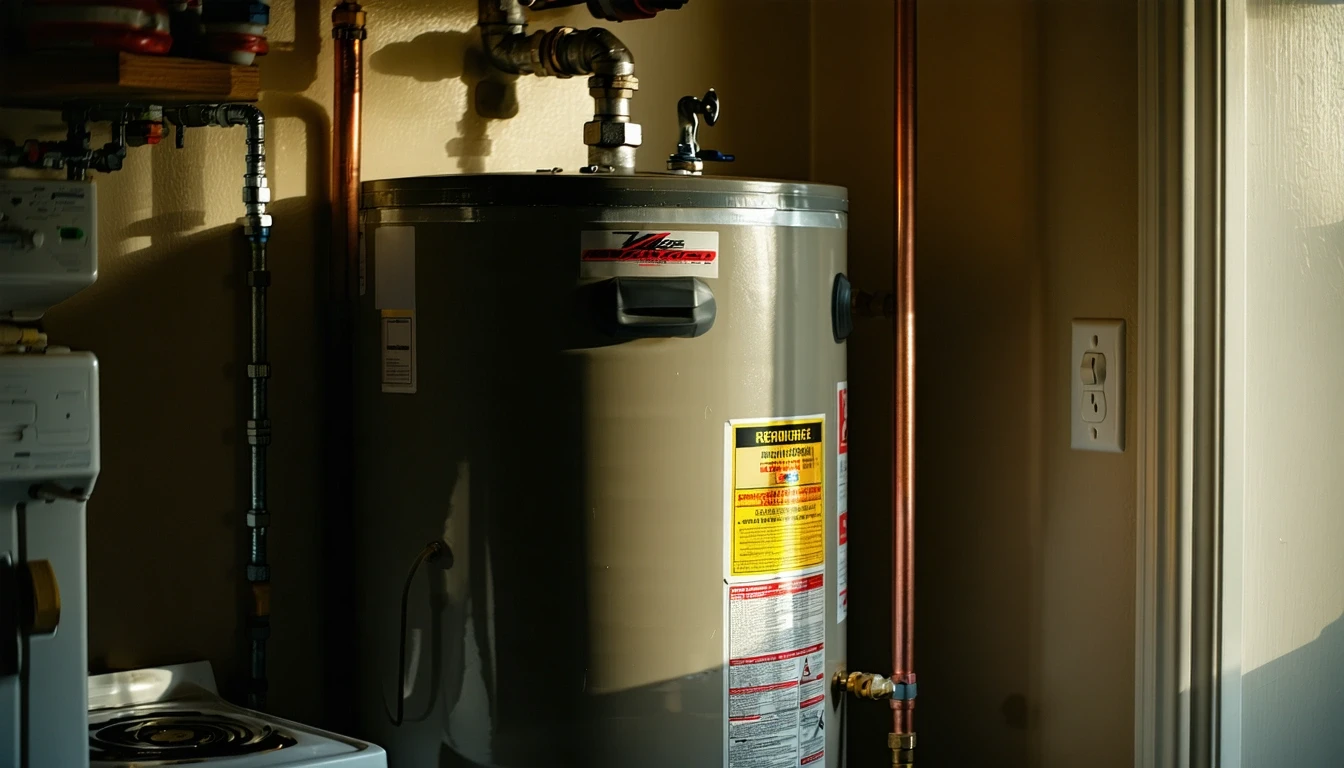
Understanding Utilities in Independence
When planning a move to Independence, utilities cost in Independence often gets less attention than housing or transportation—yet for most households, utilities represent the second-largest monthly expense after rent or mortgage. Unlike fixed costs, utility bills fluctuate with weather, usage habits, and home efficiency, making them harder to predict but critical to budget for accurately.
In Independence, utility costs typically include electricity, water, natural gas, trash collection, and recycling. For renters in apartments or smaller units, some of these services may be bundled into monthly fees or covered by the landlord, reducing direct exposure. For homeowners or renters in single-family homes, however, all utilities are usually billed separately, and responsibility for managing seasonal swings falls entirely on the household.
Understanding how utilities behave in Independence—what drives the bills, when they peak, and how to control them—turns an unpredictable expense into a manageable one. This guide breaks down the structure, explains the seasonal forces at work, and offers strategies to reduce costs throughout the year.
Utilities at a Glance in Independence
The table below shows how core utility costs typically behave for a mid-size household in a single-family home in Independence. Where city-level prices are available in the data feed, they are shown directly. When exact figures are not provided, categories are described qualitatively to reflect how costs are structured and what drives variability.
| Utility | Cost Structure |
|---|---|
| Electricity | ~$131/month (1,000 kWh at 13.12¢/kWh, before fees) |
| Water | Usage-dependent; tiered pricing typical |
| Natural Gas | Winter-driven; heating-dependent ($16.48/MCF) |
| Trash & Recycling | Often bundled with water or HOA; low volatility |
| Total | Seasonal variability driven by electricity and heating |
This table reflects utility cost structure for a mid-size household in a single-family home in Independence during 2026. Where exact figures are not provided in the IndexYard data feed, categories are described directionally to reflect how costs behave rather than a receipt-accurate total.
Electricity is billed per kilowatt-hour in Independence, and at 13.12¢/kWh, a household using 1,000 kWh per month would see a base charge around $131 before taxes, fees, or seasonal surges. Actual bills vary widely depending on home size, insulation quality, and whether heating or cooling is electric. Summer air conditioning and winter electric heating (in homes without natural gas) can push usage—and bills—significantly higher.
Water costs in Independence are typically usage-sensitive and billed on a tiered structure, meaning the more you use, the higher the per-unit rate climbs. Households with irrigation systems, pools, or larger families will see higher bills, especially during dry summer months. Water is often bundled with trash collection on a single municipal bill, though this varies by neighborhood and provider.
Natural gas is priced at $16.48 per thousand cubic feet (MCF) in Independence, and it’s the primary heating fuel for many homes. Bills are winter-dominant: a household might see minimal charges from May through September, then sharp increases from November through March as furnaces run steadily. Homes without natural gas access rely on electric heating, which shifts the cost burden entirely to the electric bill.
Trash and recycling services in Independence are generally low-cost and stable, often bundled with water or included in HOA fees for planned communities. Standalone service, where applicable, typically runs as a flat monthly fee with little seasonal variation, making it one of the most predictable line items in the utility budget.
Electricity is typically the most exposure-sensitive utility in Independence, driven more by climate and home efficiency than by base rates.
How Weather Impacts Utilities in Independence
Independence sits in a climate zone with cold winters and hot, humid summers—creating dual-season utility pressure that many newcomers underestimate. Right now, with temperatures at 25°F and a wind chill that feels like 14°F, heating costs are front and center. Natural gas furnaces run steadily, and homes relying on electric heat see sharp spikes in kilowatt-hour consumption. January and February bills often represent the year’s peak for heating-related costs.
Come summer, the pressure flips. High heat combined with Midwest humidity means air conditioners run long cycles to maintain comfort, and electricity usage climbs again—sometimes matching or exceeding winter totals in homes with central AC. Many Independence households experience noticeably higher electric bills during peak summer compared to spring, particularly in older homes with less efficient cooling systems or poor insulation.
The shoulder seasons—spring and fall—offer the only real relief, when neither heating nor cooling dominates and utility bills drop to baseline levels. For households new to the area, this seasonal swing is one of the most important budget variables to anticipate. Unlike cities with mild year-round climates, Independence requires planning for two cost peaks, not one, and the gap between low and high months can be substantial.
How to Save on Utilities in Independence
Reducing utility costs in Independence starts with understanding what drives the bills—and in this climate, that means managing heating and cooling loads without sacrificing comfort. Small changes in thermostat settings, insulation quality, and equipment efficiency can lower exposure across both winter and summer peaks, smoothing out the seasonal volatility that strains many household budgets.
One of the most effective levers is timing. Many electric providers in the Kansas City metro area offer time-of-use or off-peak billing programs that reward households for shifting usage away from high-demand afternoon and evening hours. Running dishwashers, laundry, or charging equipment overnight can reduce per-kilowatt-hour costs without changing total consumption. Similarly, programmable or smart thermostats allow households to reduce heating and cooling when no one is home, then restore comfort before occupants return—cutting runtime without discomfort.
Longer-term strategies include weatherization and equipment upgrades. Sealing air leaks around windows, doors, and ductwork reduces the load on both furnaces and air conditioners, lowering bills in every season. Upgrading to high-efficiency HVAC systems, water heaters, or appliances delivers ongoing savings, and many utilities and state programs offer rebates that offset upfront costs. In Independence, where both heating and cooling matter, efficiency improvements pay off twice.
- Enroll in budget billing or equalized payment plans to smooth seasonal swings into predictable monthly amounts
- Check for utility-sponsored rebates on high-efficiency air conditioners, furnaces, and water heaters
- Install a programmable thermostat to reduce heating and cooling during unoccupied hours
- Seal gaps around windows, doors, and ductwork to reduce heating and cooling losses
- Plant shade trees on south and west sides of the home to reduce summer cooling loads
- Switch to LED lighting and Energy Star appliances to lower baseline electricity usage
- Explore time-of-use billing if your provider offers it, and shift high-draw tasks to off-peak hours
🏆 Tip: Check if your provider in Independence offers rebates for energy-efficient AC units or heating systems—these programs can cover hundreds of dollars in upfront costs and deliver savings for years.
FAQs About Utility Costs in Independence
Why are utility bills so high in Independence during winter and summer?
Independence experiences cold winters and hot, humid summers, creating dual-season demand for heating and cooling. Homes rely heavily on natural gas furnaces or electric heat in winter, and central air conditioning in summer, which drives up electricity and gas usage during peak months. Older homes with poor insulation or aging HVAC systems see the highest bills.
What is the average monthly electric bill for an apartment in Independence compared to a single-family home?
Apartments in Independence typically see lower electric bills due to smaller square footage, shared walls that reduce heating and cooling losses, and landlords sometimes covering certain utilities. A single-family home, by contrast, has greater exposure—larger spaces to heat and cool, no shared insulation, and full responsibility for all utilities, which can push monthly electric costs significantly higher during peak seasons.
Do HOAs in Independence usually include trash or water in their fees?
Many planned communities and townhome developments in Independence bundle trash, recycling, and sometimes water into monthly HOA fees, which simplifies billing and reduces variability. Single-family homes outside HOA communities typically receive separate municipal bills for water and trash, often combined on a single statement.
How does seasonal weather affect monthly utility bills in Independence?
Winter heating (natural gas or electric) and summer cooling (electric) create the year’s two cost peaks, with spring and fall offering lower baseline bills. The swing between low and high months can be substantial, especially in older or less-efficient homes, making budget billing a popular tool for smoothing out the volatility.
Does Independence offer incentives for solar panels or energy-efficient appliances?
While Independence itself may not administer direct incentive programs, residents can access state-level and utility-sponsored rebates for energy-efficient HVAC systems, water heaters, and appliances. Federal tax credits for solar installations are also available, and some regional utilities offer net metering or renewable energy programs that reduce long-term costs for households investing in solar panels.
How Utilities Fit Into the Cost Structure in Independence
Utilities in Independence function as a cost driver and volatility factor, not a fixed line item. Unlike rent or a mortgage payment, which remain stable month to month, utility bills respond to weather, occupancy, and usage habits—rising sharply during winter heating season and summer cooling months, then dropping during the milder shoulder seasons. This seasonal swing makes utilities one of the hardest expenses to predict, but also one of the most controllable with the right strategies.
For households evaluating what shapes the cost of living in Independence, utilities represent a meaningful share of monthly cash flow, particularly for families in single-family homes where heating, cooling, and water costs all fall on the resident. Renters in smaller units or apartments often see lower exposure, especially when landlords cover water or trash, but anyone planning a month of expenses in Independence should account for dual-season peaks and build in a buffer for the coldest and hottest months.
The good news: utilities are one of the few major cost categories where households have direct control. Thermostat discipline, equipment efficiency, and participation in utility programs can reduce bills without relocating or changing housing type. In a city where both heating and cooling matter, that control translates into year-round savings and greater budget predictability—two outcomes that make a measurable difference in household financial stability.
How this article was built: In addition to public economic data, this article incorporates location-based experiential signals derived from anonymized geographic patterns—such as access density, walkability, and land-use mix—to reflect how day-to-day living actually feels in Independence, MO.
—