
‘We moved to Independence for the schools, but stayed for the neighbors.’
That sentiment captures something essential about Independence, Missouri—a city where the promise of suburban affordability and Kansas City proximity meets the reality of uneven infrastructure and evolving identity. For some, Independence feels like a sweet spot: affordable housing, rail access, and a sense of community rooted in history. For others, it’s a place of friction—where walkability exists in pockets but not everywhere, where errands cluster along corridors rather than spreading evenly, and where family-oriented amenities don’t quite match the suburban footprint.
Understanding whether Independence feels like a good fit depends less on what the city has and more on what you’re willing to trade off. This article translates the emotional tone of living here—not through data or rankings, but through the recurring themes, tensions, and alignments that shape daily life.
The Emotional Landscape of Independence
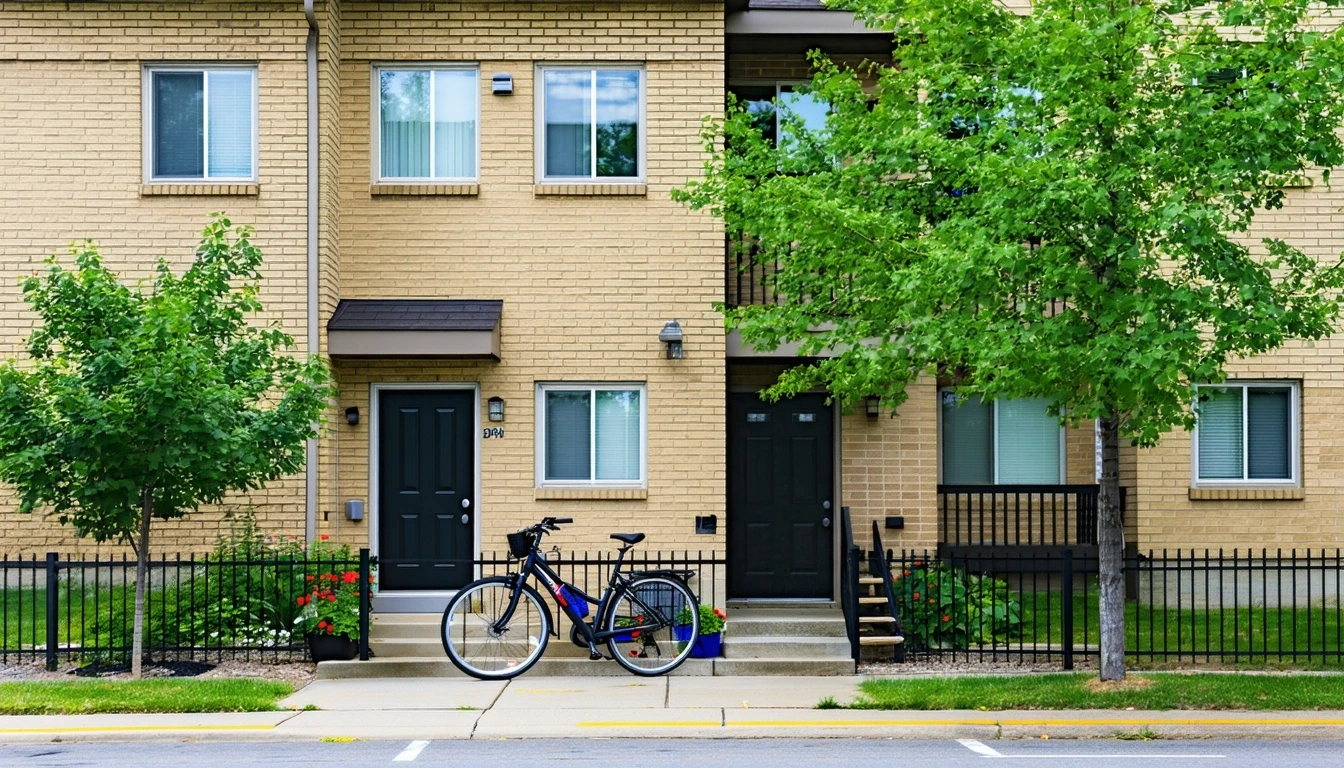
Independence sits in a curious middle ground. It’s not quite Kansas City, but it’s not a distant exurb either. It’s a place where you can catch a train downtown, but you’ll still drive to most errands. Where some blocks feel walkable and tree-lined, while others feel car-dependent and utilitarian. Where history and pride run deep, but growth and change stir debate.
People who thrive here tend to be those who value housing affordability and proximity to Kansas City without needing urban density or consistent walkability. They’re comfortable managing household logistics by car, appreciate rail transit as an option (not a necessity), and find satisfaction in a community that feels rooted rather than transient.
People who struggle here are often those who expected more walkable texture citywide, denser family infrastructure, or a fuller range of local amenities. They may feel the tension between Independence’s suburban character and its mixed land use—enough commercial presence to hint at urban convenience, but not enough to eliminate car dependency.
Social Media Buzz in Independence
On platforms like Reddit, Facebook groups, and X (formerly Twitter), Independence residents tend to discuss the city through a lens of tradeoffs and identity. Conversations often revolve around affordability, proximity to Kansas City, and the tension between preserving community character and accommodating growth.
Common themes include:
- Affordability pride: “You get way more house here than in Lee’s Summit or Overland Park, and you’re still close to everything.”
- Uneven walkability: “Some neighborhoods are great for walking, but you’re still driving to the grocery store or the pharmacy.”
- Growth ambivalence: “New stuff is nice, but it feels like we’re losing what made Independence feel like Independence.”
The tone is rarely extreme—neither overwhelmingly positive nor deeply negative. Instead, it’s pragmatic and protective. People here seem to understand what they’ve traded for affordability and location, and they’re generally okay with it—as long as those tradeoffs don’t erode too quickly.
Local News Tone
Local coverage of Independence tends to frame the city as a place navigating change while holding onto identity. Stories often focus on community debates, infrastructure updates, and the balance between growth and preservation.
Recurring headline-style themes include:
- “Community Debates What Growth Should Look Like”
- “New Amenities Arrive as Town Identity Evolves”
- “Residents Weigh Convenience vs Quiet”
- “Historic Roots Meet Modern Expansion”
- “Transit Access Expands, But Car Culture Remains”
The framing is rarely alarmist or celebratory—it’s more observational, reflecting a city that’s neither stagnant nor rapidly transforming. The emotional tone is one of cautious adaptation, where residents are watching closely to see whether new development enhances or dilutes the community they value.
Review-Based Public Perception
On platforms like Google Reviews, Yelp, and Nextdoor, Independence earns mixed but generally grounded feedback. The city tends to delight people who wanted suburban comfort with some urban access, and disappoint those who expected consistent walkability or dense amenities.
What people praise:
- Housing value—more space and affordability than nearby suburbs
- Rail access to Kansas City for commuters who want the option
- Pockets of walkable, tree-lined neighborhoods
- Community feel and historical character
What people criticize:
- Uneven walkability—some areas feel pedestrian-friendly, others don’t
- Errands cluster along corridors, requiring intentional planning
- Limited family infrastructure (schools and playgrounds below density thresholds)
- Healthcare access limited to clinics; no local hospital
What people accept:
- Car dependency for most daily tasks
- Mixed building heights and land use—not uniform suburban sprawl, but not urban either
- Proximity to Kansas City as a tradeoff for local amenities
The reviews suggest that expectation matching is key. People who moved here for affordability and proximity tend to feel satisfied. People who moved here expecting urban texture or dense suburban infrastructure tend to feel let down.
Comparison to Nearby Cities
| Dimension | Independence, MO | Kansas City, MO | Lee’s Summit, MO |
|---|---|---|---|
| Overall Vibe | Suburban affordability with rail access | Urban density, walkable districts, cultural variety | Planned suburban comfort, family-focused |
| Walkability | Pockets of walkable texture, mostly car-dependent | Consistent walkability in core neighborhoods | Limited walkability, car-oriented |
| Transit Access | Rail present, bus service available | Extensive transit network | Minimal transit, car-dependent |
| Family Infrastructure | Limited school/playground density | Varied by neighborhood, denser overall | Strong family infrastructure, newer schools |
| Affordability | High housing value, lower cost of entry | Higher costs in desirable neighborhoods | Moderate to high, newer housing premium |
Independence occupies a distinct middle ground. It’s more affordable than Lee’s Summit and offers rail access that Lee’s Summit lacks. But it doesn’t deliver the consistent walkability or urban amenities of Kansas City. For commuters who want housing value and occasional transit access without paying urban prices, Independence makes sense. For families prioritizing school density and newer infrastructure, Lee’s Summit may feel more aligned. For those seeking walkable urban texture and cultural variety, Kansas City itself is the better fit.
What Locals Are Saying
Young professional, renting near downtown:
“I can take the train to work in KC a few days a week, which is great. But I’m still driving to the grocery store, the gym, and pretty much everywhere else. It’s not as walkable as I thought it would be.”
Family with young kids, homeowner:
“We got a great house for the price, and the neighbors are wonderful. But I wish there were more parks and playgrounds nearby. We end up driving to Lee’s Summit or KC for family activities.”
Retiree, long-time resident:
“Independence has changed a lot, but it still feels like home. I like that it’s not as crowded as Kansas City, and I can still get to everything I need without too much hassle.”
Remote worker, moved from out of state:
“I wanted affordable housing near a bigger city, and Independence delivered. But the day-to-day logistics are more car-dependent than I expected. I thought ‘rail access’ meant I could ditch my car—it doesn’t.”
Couple without kids, homeowner:
“We love the mix of old and new here. Some blocks feel really charming and walkable, others feel generic. It’s not perfect, but it works for us.”
Single parent, renting:
“Rent is manageable, and I can get to work in KC without a terrible commute. But finding childcare and good schools nearby has been harder than I expected.”
Young couple, first-time buyers:
“We couldn’t afford Lee’s Summit or Overland Park, and we didn’t want to live in Kansas City proper. Independence felt like the compromise—close enough, affordable enough, and still connected.”
How Day-to-Day Living Actually Feels
Independence’s structure shapes daily life in specific ways. Because food and grocery options cluster along corridors rather than spreading evenly, running errands often means driving to a handful of familiar spots rather than walking to the nearest corner. The pedestrian-to-road ratio is high in certain pockets—tree-lined blocks with sidewalks and front porches—but those pockets don’t connect seamlessly across the city. You might walk your dog around the neighborhood, but you’ll drive to the pharmacy.
Rail access changes the calculus for commuters who work in Kansas City. It’s not a replacement for car ownership, but it’s a meaningful option for those who want to avoid highway traffic a few days a week. For households managing day-to-day costs, that flexibility can reduce fuel expenses and commute stress—but only if your work schedule and location align with the rail line.
The mixed building heights and land use create a visual and functional texture that feels transitional. You’ll see single-family homes next to small commercial strips, older neighborhoods adjacent to newer development. It’s not the uniform sprawl of outer suburbs, but it’s also not the dense, walkable urbanism of Kansas City’s core. For some, that mix feels dynamic and practical. For others, it feels disjointed.
Park density sits in the moderate range, and water features add some outdoor appeal. But with school and playground density below thresholds, families often find themselves driving to recreational spaces rather than walking. That doesn’t mean outdoor life is absent—it just means it requires more planning and car trips than in denser suburban areas.
Does Independence Feel Like a Good Fit?
Independence works best for people who understand and accept its tradeoffs. If you value housing affordability, proximity to Kansas City, and rail access as an option, and you’re comfortable managing most errands by car, Independence delivers. If you appreciate pockets of walkable texture but don’t need it everywhere, and you’re okay with corridor-based shopping rather than neighborhood-scale convenience, the city’s structure won’t frustrate you.
It’s less aligned for those who expected consistent walkability, dense family infrastructure, or local hospital access. If you’re moving from a place where schools, playgrounds, and grocery stores are within walking distance, Independence will feel more car-dependent than you anticipated. If you’re seeking urban texture without the cost of Kansas City proper, you may find Independence’s mixed character more frustrating than liberating.
The emotional tone here is pragmatic, not aspirational. People aren’t declaring Independence the happiest place to live—they’re saying it works for what they need, as long as they’re clear-eyed about what it isn’t. If that sounds like alignment rather than compromise, Independence might feel like home.
To explore how these tradeoffs translate into quality of life factors or financial planning, consider reading more about what shapes daily life and long-term satisfaction in Independence.
How this article was built: In addition to public economic data, this article incorporates location-based experiential signals derived from anonymized geographic patterns—such as access density, walkability, and land-use mix—to reflect how day-to-day living actually feels in Independence, MO.
The perspectives shown reflect commonly expressed local sentiment and recurring themes in public discussion, rather than individual accounts.