
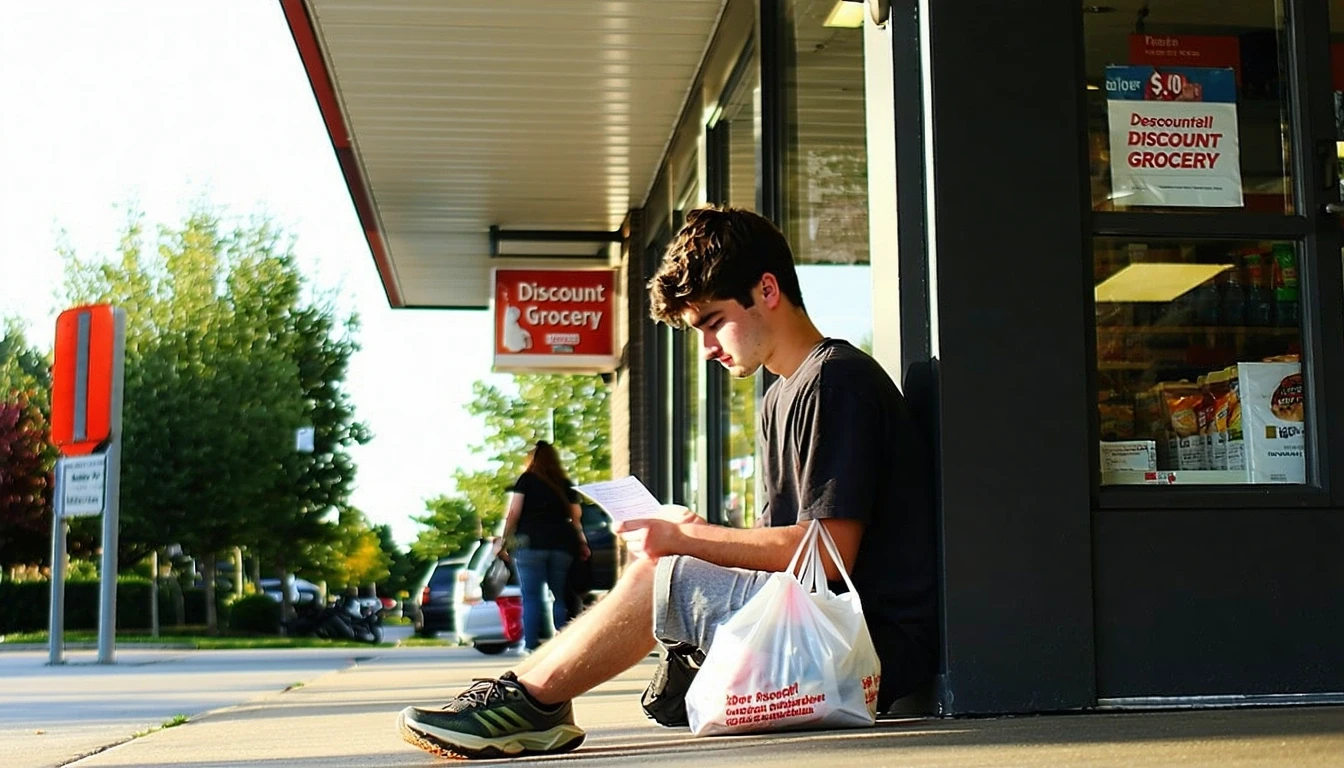
How Grocery Costs Feel in Independence
When you’re planning meals for the week in Independence, the grocery bill doesn’t usually deliver sticker shock—but it doesn’t feel like a bargain either. With a regional price parity index of 93, Independence sits modestly below the national baseline, meaning food prices here tend to run a bit lighter than in higher-cost metros. For households earning around the city’s median income of $57,415 per year, that slight edge matters, especially when you’re feeding a family or managing a fixed budget. Grocery costs in Independence feel manageable for disciplined shoppers, but they’re not so low that you can ignore where and how you shop.
The pressure from grocery spending shows up differently depending on household size and income flexibility. Singles and younger professionals often notice the cost of convenience—grabbing prepared foods, shopping at premium-focused stores, or making frequent small trips. Families with children, on the other hand, feel the volume effect: feeding multiple people three meals a day means even modest per-item prices add up quickly. Retirees on fixed incomes tend to be the most price-sensitive, carefully comparing weekly ads and planning trips around sales. In Independence, grocery costs don’t dominate the cost of living the way housing or transportation might, but they’re a steady, recurring expense that rewards intentional choices.
What makes grocery spending feel tighter or looser in Independence isn’t just the price tags—it’s how food and grocery options are distributed across the city. In Independence, stores tend to cluster along commercial corridors rather than being evenly spread throughout neighborhoods. That means most households need to plan their grocery trips intentionally, often driving to their preferred store rather than walking to the nearest option. For families prioritizing price, that’s not necessarily a problem—it just means building grocery runs into weekly routines. For those who value convenience and proximity, the corridor-clustered layout can add friction, making last-minute trips or quick top-offs less practical and sometimes nudging shoppers toward smaller, pricier stores closer to home.
Grocery Price Signals (Illustrative)
These prices illustrate how staple items tend to compare locally—not a full shopping list. They’re derived estimates based on national baselines adjusted by regional price parity, not observed shelf prices at specific stores. Think of them as anchors for understanding relative cost positioning in Independence, not as guarantees of what you’ll pay at checkout on any given week.
| Item | Typical Price |
|---|---|
| Bread | $1.71/lb |
| Milk | $3.81/half-gallon |
| Eggs | $2.40/dozen |
| Chicken | $1.90/lb |
| Ground Beef | $6.28/lb |
| Cheese | $4.51/lb |
| Rice | $0.98/lb |
Staples like rice, bread, and chicken sit in the modest range, reflecting Independence’s below-average price environment. Ground beef and cheese—higher-ticket proteins and dairy—still command attention in the cart, especially for families buying in volume. Eggs and milk, both household essentials, land in the middle, neither bargain-bin cheap nor premium-priced. These aren’t the kinds of prices that make Independence a grocery destination, but they also don’t create the constant budget strain you’d find in higher-cost metros. The real variance comes not from these baseline prices, but from where you choose to shop and how often you’re willing to compare options.
Store Choice & Price Sensitivity
Grocery price pressure in Independence varies significantly by store tier, and understanding that distinction is more useful than fixating on a single “average” price. Discount-tier stores—no-frills formats focused on private labels, limited selection, and high-volume turnover—offer the lowest prices and appeal most to households prioritizing cost over convenience. Mid-tier stores provide broader selection, national brands, and more polished shopping experiences, with prices that sit comfortably in the middle. Premium-tier stores emphasize organic options, specialty items, prepared foods, and curated inventory, charging noticeably more for the convenience and quality positioning.
In Independence, most households have access to all three tiers, but the corridor-clustered layout means you’re often choosing one store per trip rather than casually switching between them. Families stretching a grocery budget tend to anchor their shopping at discount or mid-tier stores, making occasional premium-tier stops for specific items rather than filling the cart there. Singles and smaller households, especially those with less time to plan or compare, may default to mid- or premium-tier stores closer to home or work, accepting the higher per-item cost in exchange for convenience. Retirees and price-conscious shoppers often become highly intentional about store choice, planning weekly trips to discount-tier stores and using sales flyers to guide purchases.
The tier you shop most often shapes your grocery experience in Independence more than the city’s baseline prices do. A household that consistently shops discount-tier and plans meals around sales will spend far less than one that defaults to premium-tier stores and buys on impulse. That gap isn’t unique to Independence, but the city’s corridor-based store layout makes it harder to casually mix tiers within a single trip, so the choice becomes more deliberate. For households new to the area, figuring out which stores align with your budget and routine is one of the most practical ways to control grocery spending without sacrificing the foods you actually want to eat.
What Drives Grocery Pressure Here
Income is the most direct driver of grocery price sensitivity in Independence. At a median household income of $57,415, many families have enough flexibility to absorb modest price swings, but not enough to ignore grocery costs entirely. For households earning below the median—especially those supporting multiple people—grocery spending becomes a category that requires active management. Higher earners feel less day-to-day pressure, but even they notice the difference between discount-tier and premium-tier shopping over the course of a month.
Household size amplifies grocery costs in predictable ways. A single person or couple can often absorb price increases by adjusting portion sizes, eating out less, or shifting to cheaper proteins. Families with children don’t have that flexibility—kids need to eat, and volume requirements don’t shrink just because beef prices rise. Larger households in Independence benefit most from bulk purchasing, meal planning, and discount-tier shopping, because the per-person cost advantage compounds quickly. Smaller households, by contrast, can sometimes afford to prioritize convenience or quality over price, since their total grocery spending remains manageable even at premium-tier stores.
Regional distribution and access patterns also shape grocery pressure in Independence. Because stores cluster along corridors rather than spreading evenly across neighborhoods, some households face longer drives to reach their preferred store tier. That’s not a dealbreaker for most, but it does mean grocery shopping becomes a planned errand rather than a spontaneous stop. For households without reliable transportation, or those balancing tight schedules, that extra friction can nudge them toward closer, pricier options even when they’d prefer to shop discount-tier. The layout doesn’t create food deserts, but it does reward households with the time and mobility to shop strategically.
Practical Ways People Manage Grocery Costs
Meal planning is the most effective behavioral lever for controlling grocery spending in Independence. Households that plan a week’s worth of meals before shopping tend to buy only what they’ll actually use, reducing impulse purchases and food waste. Planning also makes it easier to shop discount-tier stores, since you’re less reliant on convenience items or last-minute substitutions. Families with children often build meal planning into weekend routines, using sales flyers and pantry inventory to guide the week’s menu. The goal isn’t rigid adherence to a plan, but reducing the number of unplanned trips and reactive purchases that drive up costs.
Shopping less frequently also helps. Households that consolidate grocery trips into one or two major runs per week spend less than those making frequent small stops, because fewer trips mean fewer opportunities for impulse buys and convenience markups. In Independence, where stores cluster along corridors, batching errands makes logistical sense anyway—you’re already driving to the store, so filling the cart once reduces the need to return mid-week. Combining grocery shopping with other errands (pharmacy, gas, household supplies) further improves efficiency and reduces the temptation to stop at a pricier store just because it’s nearby.
Flexibility around brands and proteins keeps costs down without sacrificing nutrition. Households willing to buy store-brand staples, shift between chicken and ground beef based on sales, and substitute frozen vegetables for fresh when prices spike can significantly reduce their grocery bills. In Independence, where baseline prices are modest but not rock-bottom, that flexibility matters more for families buying in volume than for singles or couples. The key is knowing which categories tolerate substitution (canned goods, grains, frozen proteins) and which don’t (fresh produce, specialty dietary items), then adjusting purchasing behavior accordingly.
Groceries vs Eating Out (Directional)
The tradeoff between cooking at home and eating out shapes grocery spending in Independence, even though the two categories serve different needs. Cooking at home almost always costs less per meal than dining out, but it requires time, planning, and energy that not every household has in equal measure. Families with children tend to cook most meals at home out of necessity—feeding multiple people at restaurants quickly becomes prohibitively expensive. Singles and couples, especially those working long hours, often find themselves balancing convenience against cost, eating out more frequently but feeling the cumulative impact on their budgets.
In Independence, where grocery prices sit modestly below the national average, the cost advantage of cooking at home is meaningful but not extreme. A household that cooks most meals will spend far less on food than one that dines out regularly, but the gap narrows if you’re comparing discount-tier grocery shopping to casual dining rather than premium-tier shopping to fine dining. The real decision point isn’t whether cooking saves money—it does—but whether the time and effort required fit into your household’s routine and priorities. For budget-conscious households, cooking at home is non-negotiable. For higher earners or those prioritizing convenience, the tradeoff becomes more about lifestyle fit than strict cost control.
FAQs About Grocery Costs in Independence (2026)
Is it cheaper to shop in bulk in Independence? Bulk purchasing reduces per-unit costs, especially for non-perishable staples like rice, canned goods, and frozen proteins. Families and larger households benefit most, since they’ll use the volume before it spoils.
Which stores in Independence are best for low prices? Discount-tier stores focused on private labels and high-volume turnover offer the lowest prices. Mid-tier stores provide broader selection at moderate cost, while premium-tier stores charge more for specialty and convenience items.
How much more do organic items cost in Independence? Organic products typically carry a noticeable premium over conventional equivalents, with the gap widest for fresh produce and dairy. Households prioritizing organic should expect to allocate more of their grocery budget to those categories.
How do grocery costs for two adults in Independence tend to compare to nearby cities? Independence’s regional price parity of 93 suggests grocery costs run modestly below the national baseline, making it more affordable than higher-cost metros in the region but not dramatically cheaper than similar-sized cities nearby.
How do households in Independence think about grocery spending when cooking at home? Most households view cooking at home as a cost-control strategy, especially families and retirees. Store tier choice, meal planning, and willingness to substitute brands or proteins determine how much flexibility a household has within their monthly expenses.
Does shopping at different stores for different items save money? It can, but in Independence’s corridor-clustered layout, the time and fuel cost of visiting multiple stores often offsets the per-item savings unless you’re already combining errands. Most households pick one primary store and make occasional secondary stops for specific deals.
How does grocery spending change with household size? Larger households face higher total costs but benefit more from bulk purchasing and discount-tier shopping. Smaller households spend less overall but may feel less pressure to optimize, sometimes defaulting to mid- or premium-tier stores for convenience.
How Groceries Fit Into the Cost of Living in Independence
Grocery costs in Independence sit in the middle tier of household expenses—less dominant than housing or transportation, but more variable and controllable than utilities. For most households, groceries represent a recurring cost that responds directly to behavior: where you shop, how often, and how much planning you do all shape the monthly total. That makes groceries one of the few major expense categories where intentional choices produce immediate, measurable results. Families stretching a budget often start with grocery optimization because it’s more flexible than rent or car payments, and the feedback loop is faster.
The city’s modest price environment helps, but it doesn’t eliminate the need for strategy. Independence’s below-average regional price parity means you’re starting from a slightly better baseline than higher-cost metros, but the gap between discount-tier and premium-tier shopping, or between planned and impulsive purchasing, still matters. Households that treat grocery shopping as a planned, intentional activity tend to spend significantly less than those who shop reactively or prioritize convenience over price. That gap compounds over months and years, making grocery habits one of the most practical levers for long-term cost control.
For a complete picture of how groceries fit into your household’s financial structure—including how food spending interacts with housing, transportation, and utilities—refer to the monthly budget breakdown for Independence. Grocery costs are just one piece of the puzzle, but they’re a piece you can actively manage, and in a city where housing pressure and commuting costs often feel fixed, that control matters. Whether you’re moving to Independence or already living here, understanding how grocery prices behave and how your choices shape the outcome gives you one more tool for building a budget that works.
How this article was built: In addition to public economic data, this article incorporates location-based experiential signals derived from anonymized geographic patterns—such as access density, walkability, and land-use mix—to reflect how day-to-day living actually feels in Independence, MO.