
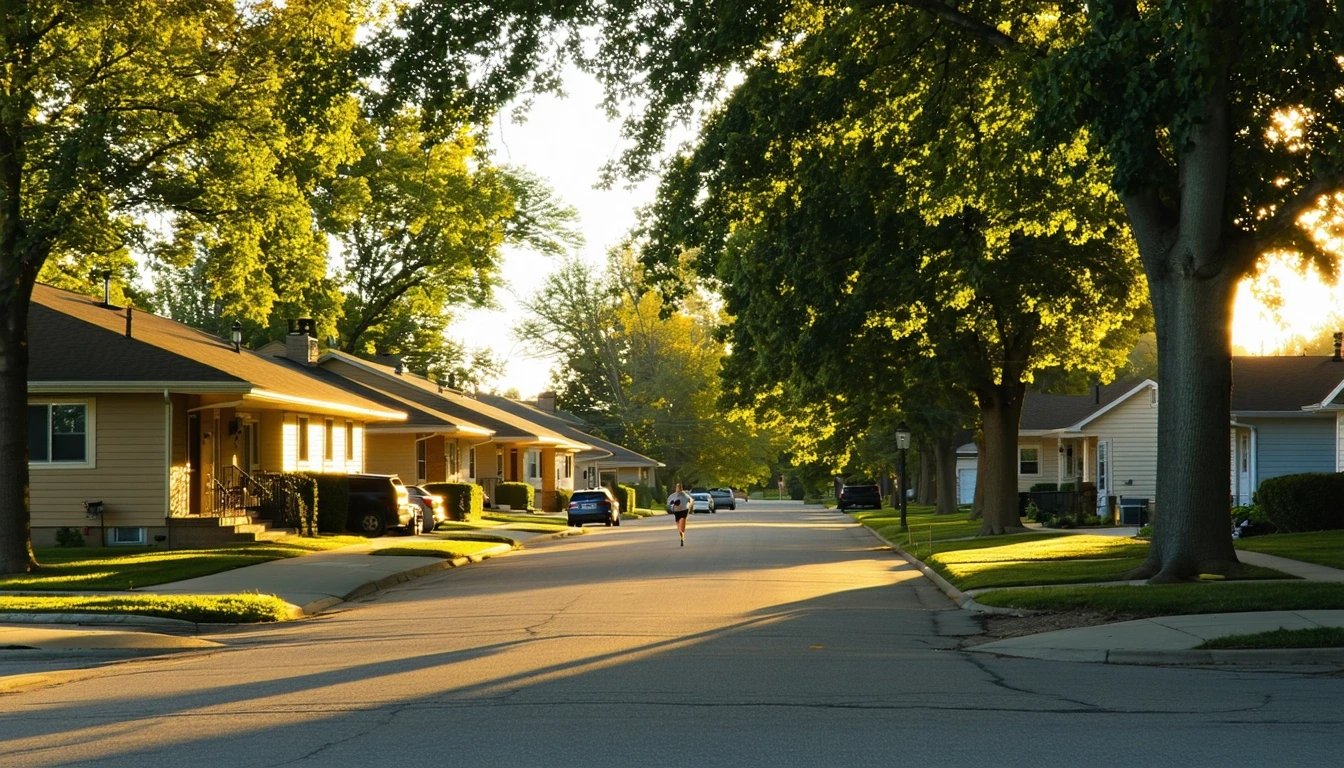
The Housing Market in Shawnee Today
Shawnee, Kansas, a growing suburb of Kansas City, has seen its housing market evolve in recent years. With a population of over 67,000, Shawnee offers a mix of established neighborhoods and new developments catering to various demographics, from young professionals to growing families. The city’s proximity to major employers like Bayer, FedEx, and Garmin has driven steady demand for housing.
Compared to neighboring Overland Park and Lenexa, Shawnee’s housing market remains relatively affordable, with a median home price of $350,000 as of 2025. This positions Shawnee as an attractive option for those seeking more space and amenities within the Kansas City metro area. The city’s diverse housing stock, ranging from post-war bungalows to modern subdivisions, provides options for various budgets and preferences.
As remote work has become more prevalent, Shawnee has seen an influx of buyers seeking larger homes with dedicated office spaces. This trend, combined with historically low interest rates, has kept the housing market competitive. However, Shawnee’s ample land for new construction has helped maintain a balanced market compared to more built-out suburbs.
Renting in Shawnee: Typical Costs and Trends
For those considering renting in Shawnee, the market offers a range of options from apartments to single-family homes. As of 2025, the typical rent for a one-bedroom apartment in Shawnee is around $1,100 per month, while a two-bedroom unit averages $1,400. These prices are on par with the broader Kansas City metro area.
Shawnee’s rental market attracts a mix of young professionals, families, and empty-nesters. Neighborhoods like downtown Shawnee and the Midtown area offer walkable amenities and easy access to I-35, making them popular among renters who commute to Kansas City. Newer apartment complexes along Shawnee Mission Parkway cater to those seeking modern finishes and community amenities like pools and fitness centers.
Renters in Shawnee can expect to pay slightly higher prices for properties with quick access to major highways or newer construction. However, the city’s overall cost of living remains reasonable compared to larger cities on the coasts, making it an attractive option for those relocating to the Kansas City area for work.
Owning a Home in Shawnee: Prices, Taxes, and HOA Fees
For those considering buying a home in Shawnee, it’s important to understand the full scope of ownership costs beyond the mortgage payment. As of 2025, the median home price in Shawnee is $350,000, which translates to a monthly mortgage of around $1,400 (assuming a 30-year fixed rate at 3.5% with 20% down).
On top of the mortgage, homeowners in Shawnee can expect to pay property taxes of around 1.3% of their home’s assessed value annually. For a $350,000 home, this equates to approximately $380 per month. Kansas also has a statewide 1.5% mortgage registration fee, which adds to the upfront costs of purchasing a home.
Many newer subdivisions in Shawnee, particularly along the K-7 corridor, have homeowners associations (HOAs) that charge monthly or annual fees. These fees typically cover maintenance of common areas, trash removal, and in some cases, amenities like community pools. HOA fees in Shawnee range from $200 to $500 per year, adding another $17 to $42 to the monthly cost of homeownership.
Apartment vs House in Shawnee: Side-by-Side Costs
| Monthly Expense | Apartment (2BR) | House (3BR) |
|---|---|---|
| Rent/Mortgage Payment | $1,400 | $1,400 |
| Property Tax | N/A (included in rent) | $380 |
| Utilities | $150 | $250 |
| Insurance | $15 (renters) | $80 (homeowners) |
| HOA Fees | N/A | $35 |
| Maintenance & Repairs | N/A | $150 |
| Monthly Total | $1,565 | $2,295 |
Methodology: Housing estimates for 2025 in Shawnee use published rent and sale price data, local property tax rates, and typical HOA fees where available. Utility costs are estimated based on regional averages for the Midwest. All totals are rounded and expressed as monthly costs. Actual expenses vary depending on neighborhood, housing type, and household size.
Utility & Upkeep Differences
When comparing the costs of renting versus owning in Shawnee, it’s important to factor in utility expenses and maintenance. Apartments tend to have lower utility costs due to their smaller size and shared walls, which improve energy efficiency. The average renter in Shawnee can expect to pay around $150 per month for electricity, gas, water, and trash service.
Homeowners, on the other hand, typically have higher utility bills due to larger square footage and more exposure to the elements. The average single-family home in Shawnee incurs around $250 per month in utility costs. Homes with older HVAC systems, poor insulation, or inefficient appliances may see even higher bills.
Maintenance is another key differentiator between renting and owning. Renters are generally not responsible for repairs or upkeep, as those fall to the landlord. Homeowners, however, must budget for ongoing maintenance tasks like lawn care, gutter cleaning, and HVAC tune-ups, as well as larger repairs like roof replacements or plumbing issues. A common rule of thumb is to set aside 1-2% of the home’s value annually for maintenance and repairs.
5-Year Rent vs Buy Outlook
Looking at the long-term costs of renting versus buying in Shawnee, homeownership tends to come out ahead after five years. Assuming a purchase price of $350,000 with 20% down and a 30-year fixed mortgage at 3.5%, the total cost of owning over five years would be approximately $137,700 (including mortgage payments, property taxes, insurance, maintenance, and HOA fees).
In comparison, renting a similar home for $1,800 per month (which is on the higher end for Shawnee) would cost $108,000 over five years. While this is lower than the cost of owning, renters do not build equity or benefit from potential home value appreciation. Historically, homes in Shawnee have appreciated at a rate of 2-3% per year, which can add significantly to a homeowner’s net worth over time.
Of course, the rent versus buy decision ultimately depends on individual circumstances, such as job stability, savings for a down payment, and long-term goals. Those who plan to stay in Shawnee for several years and have the financial means may find that buying makes more sense, while those who value flexibility or have limited savings may prefer renting.
FAQs About Housing Costs in Shawnee
How much are HOA fees in Shawnee?
HOA fees in Shawnee typically range from $200 to $500 per year, depending on the community amenities and services provided.
What is the property tax rate in Shawnee?
The property tax rate in Shawnee is approximately 1.3% of a home’s assessed value.
Is renting cheaper than buying long-term in Shawnee?
While renting may be cheaper in the short term, buying a home in Shawnee can be more cost-effective over a longer period (5+ years) due to the potential for building equity and home value appreciation.
Do houses have higher utility costs than apartments?
Yes, houses in Shawnee typically have higher utility costs than apartments due to their larger size and greater exposure to the elements.
What’s the monthly cost difference between apartments and houses in Shawnee?
The monthly cost difference between renting an apartment and owning a house in Shawnee is approximately $730, with houses being more expensive due to additional costs like property taxes, insurance, maintenance, and HOA fees.
Making Smart Housing Choices in Shawnee
When evaluating housing costs in Shawnee, it’s essential to consider both the short-term and long-term financial implications. For those planning to stay in the area for several years, buying a home can provide stability and the opportunity to build wealth through equity. However, it’s crucial to factor in the full scope of ownership costs, including property taxes, insurance, maintenance, and potential HOA fees.
Renters, while not building equity, benefit from greater flexibility and lower upfront costs. They also avoid the responsibility of maintenance and repairs, which can add up over time. Ultimately, the decision to rent or buy in Shawnee depends on individual financial circumstances, lifestyle preferences, and long-term goals.
Regardless of whether one chooses to rent or buy, it’s important to budget accordingly and plan for potential changes in expenses. This may involve building up an emergency fund to cover unexpected repairs or setting aside money each month for future housing costs. By understanding the full picture of housing costs in Shawnee and planning ahead, residents can make informed decisions that align with their financial and lifestyle goals.