
Olathe, KS vs. Overland Park, KS: Cost of Living Comparison (2025)
When considering a move to the Kansas City metro area, two popular suburban options often come to mind: Olathe and Overland Park. Both cities offer a high quality of life, excellent schools, and convenient access to the amenities of Kansas City. However, many people assume that Overland Park is the more affordable choice. In reality, the cost of living in Olathe can be surprisingly competitive, especially for certain household types.
As we look ahead to 2025, cost of living is becoming an increasingly important factor for relocating families, first-time homebuyers, and renters alike. While Olathe and Overland Park share many similarities, subtle differences in housing costs, utilities, and daily expenses can add up to significant savings over time. By comparing the key cost of living factors side-by-side, you can make an informed decision about which Kansas City suburb best fits your lifestyle and budget.
In this article, we’ll dive into a detailed cost of living comparison between Olathe and Overland Park, examining housing prices, utility bills, grocery costs, taxes, and more. Whether you’re a young professional looking for an affordable apartment or a growing family in search of more space, understanding the true costs of each city will help you choose the ideal place to call home in the Kansas City area.
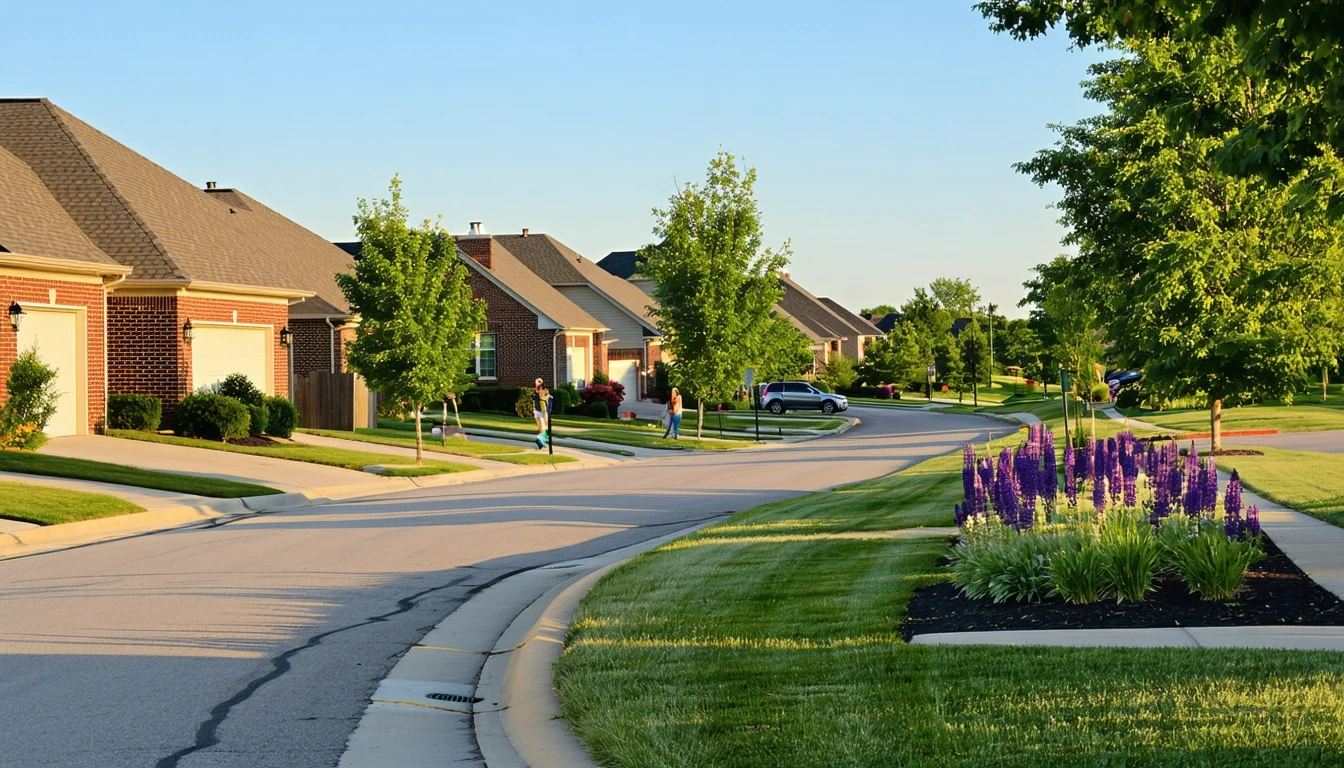
Housing Costs
Housing is typically the largest expense in any household budget, and the Olathe vs. Overland Park comparison is no exception. While both cities offer a range of housing options, from apartments to single-family homes, prices can vary significantly.
In Olathe, the median home price hovers around $350,000 as of 2025. For renters, a typical two-bedroom apartment goes for about $1,200 per month. Olathe tends to have a slightly higher proportion of newer construction, which can mean lower maintenance costs and more energy-efficient homes.
Overland Park, on the other hand, has a median home price closer to $400,000. Rents for a comparable two-bedroom apartment average $1,350 monthly. The city has a mix of older and newer neighborhoods, with some areas commanding premium prices due to their proximity to top-rated schools and upscale amenities.
| Housing Type | Olathe | Overland Park |
|---|---|---|
| Median Home Price | $350,000 | $400,000 |
| 2BR Apartment Rent | $1,200 | $1,350 |
| 3BR House Rent | $1,600 | $1,800 |
For growing families in need of more space, the lower home prices in Olathe can result in substantial savings over time. A family buying a home in Olathe at the median price would save around $50,000 compared to a similar home in Overland Park. Young professionals and couples, on the other hand, may find better rental value in Olathe while still enjoying an easy commute to Kansas City job centers.
Overall, Olathe comes out ahead in the housing cost comparison, offering more affordable options for both buyers and renters in 2025.
Utilities and Energy Costs
Utility costs are another important consideration when comparing the cost of living between cities. In Olathe and Overland Park, residents can expect to pay similar amounts for basic utilities like electricity, natural gas, water, and sewer.
For a typical household, monthly utility bills in Olathe average around $150-200. This includes energy costs for heating and cooling, which can vary seasonally. Newer homes with energy-efficient features may see lower bills, while older homes might have slightly higher costs.
In Overland Park, utility expenses are comparable, with average monthly bills in the $160-210 range. The city’s mix of older and newer housing stock means that energy costs can vary more widely depending on the specific home or apartment.
Larger families may find that utility costs eat up a slightly larger portion of their budget in Overland Park due to the higher proportion of older, less energy-efficient homes. However, the difference is relatively minor compared to other cost of living factors.
In terms of utility and energy costs, Olathe and Overland Park are neck-and-neck, with no clear winner. Residents of both cities can expect similar monthly expenses in this category.
Groceries and Daily Expenses
The cost of groceries and everyday items is another key factor in the overall cost of living. Olathe and Overland Park both offer a variety of grocery stores, from major chains to local specialty markets.
In Olathe, residents report slightly lower prices for staples like milk, bread, and eggs compared to Overland Park. A gallon of milk averages $3.50 in Olathe, while the same item might cost $3.75 in Overland Park. Similarly, a loaf of bread is around $2.50 in Olathe versus $2.75 in Overland Park.
Dining out is also marginally more affordable in Olathe. A meal for two at a mid-range restaurant averages $50, while in Overland Park, the same meal would be closer to $55. Fast food prices are comparable between the two cities.
For a family of four, the slightly lower grocery and restaurant prices in Olathe can add up to savings of $50-100 per month compared to Overland Park. Single residents and couples may notice less of a difference, but Olathe still comes out ahead by a small margin.
When it comes to groceries and daily expenses, Olathe takes the lead, offering residents more affordable options for feeding their families and enjoying the occasional meal out.
Taxes and Fees
Taxes and municipal fees can also impact the overall cost of living in Olathe and Overland Park. Both cities have similar property tax rates, with Olathe’s median rate at 1.35% and Overland Park’s at 1.4%.
For a home valued at $350,000, annual property taxes would be approximately $4,725 in Olathe and $4,900 in Overland Park. Over the course of a 30-year mortgage, this difference adds up to $5,250 in savings for Olathe homeowners.
Sales tax rates are identical in both cities at 9.125%, which includes state, county, and city taxes. However, Overland Park residents may pay slightly higher prices for goods and services, which can result in paying more sales tax overall.
In terms of other municipal fees, such as trash collection and water service, costs are comparable between Olathe and Overland Park. Homeowners in both cities may also encounter additional expenses like HOA fees, which can vary widely depending on the specific neighborhood and amenities.
Considering the long-term impact of property taxes, Olathe has a slight advantage over Overland Park in the taxes and fees category, particularly for homeowners.
Cost of Living in Olathe vs Overland Park: Summary
| Category | Olathe | Overland Park |
|---|---|---|
| Housing | $1,200 – $1,600 | $1,350 – $1,800 |
| Utilities | $150 – $200 | $160 – $210 |
| Groceries | $600 – $800 | $650 – $850 |
| Transportation | $200 – $300 | $200 – $300 |
| Taxes | $400 – $500 | $450 – $550 |
| Misc. | $200 – $300 | $250 – $350 |
| Estimated Monthly Total | $2,750 – $3,700 | $3,060 – $4,060 |
Estimates reflect 2025 costs for a mid-size household (2-bedroom apartment or 3-bedroom home) using published national data and regional benchmarks. Actual expenses will vary with household size, lifestyle, and neighborhood.
When comparing the overall cost of living between Olathe and Overland Park, Olathe emerges as the more affordable option in most categories. For a typical family of four, living in Olathe could result in savings of $300-400 per month compared to Overland Park, primarily due to lower housing, grocery, and tax expenses.
Young professionals and smaller households may see less dramatic savings, but Olathe still offers better value overall. The estimated monthly cost of living ranges from $2,750 to $3,700 in Olathe, while Overland Park’s range is higher at $3,060 to $4,060.
Lifestyle Fit
While cost is a major consideration, it’s also important to evaluate how each city’s lifestyle aligns with your preferences and needs. Olathe and Overland Park offer similar amenities, but there are some key differences to note.
Olathe has a more small-town feel, with a historic downtown district, community events, and a slightly slower pace of life. Commute times average 20-25 minutes, thanks to easy access to I-35 and K-10. The city also boasts over 35 parks and green spaces, perfect for outdoor recreation.
Overland Park, as the larger of the two cities, has a more suburban vibe with pockets of urban density. It offers a wider variety of dining, shopping, and entertainment options, including the upscale Prairiefire development. Commute times are a bit longer at 25-30 minutes due to higher traffic volume.
Both cities have excellent school districts, low crime rates, and plenty of family-friendly activities. Olathe’s lower housing costs may give it an edge for growing families, while Overland Park’s more vibrant atmosphere could be a draw for young professionals.
Ultimately, the choice between Olathe and Overland Park comes down to your individual priorities and lifestyle preferences. While Olathe offers a lower overall cost of living, Overland Park’s amenities and location may be worth the slightly higher expenses for some residents.
Frequently Asked Questions
Is Olathe more affordable than Overland Park in 2025?
Yes, Olathe generally has a lower cost of living compared to Overland Park in 2025. Housing, groceries, and taxes tend to be more affordable in Olathe, while utility costs are similar between the two cities.
Are rental prices lower in Olathe or Overland Park?
Rental prices are typically lower in Olathe. As of 2025, a two-bedroom apartment in Olathe averages around $1,200 per month, while a similar unit in Overland Park rents for approximately $1,350.
How do grocery costs compare between Olathe and Overland Park?
Grocery prices are slightly lower in Olathe compared to Overland Park. Staples like milk, bread, and eggs cost a few cents less in Olathe stores, which can add up to savings of $50-100 per month for a family of four.
Are property taxes higher in Overland Park than in Olathe?
Property tax rates are marginally higher in Overland Park. The median rate is 1.4% in Overland Park versus 1.35% in Olathe. For a $350,000 home, this equates to paying $175 more per year in property taxes in Overland Park.
What is the average monthly cost of living for a family of four in Olathe vs. Overland Park?
As of 2025, the estimated monthly cost of living for a family of four ranges from $2,750 to $3,700 in Olathe. In Overland Park, the same family would likely spend between $3,060 and $4,060 per month.
Conclusion
When it comes to the cost of living in 2025, Olathe has the edge over Overland Park for most households. With more affordable housing, lower grocery prices, and slightly lower taxes, Olathe offers families and individuals the opportunity to stretch their budgets further without sacrificing quality of life.
However, Overland Park’s more extensive amenities and convenient location may still make it the preferred choice for some residents, particularly young professionals who value a more urban lifestyle. Ultimately, the decision between these two Kansas City suburbs depends on your unique priorities and financial situation.
By carefully weighing the cost of living factors discussed in this article and considering your lifestyle needs, you can make an informed choice between Olathe and Overland Park. Whether you’re a first-time homebuyer, a relocating family, or a renter searching for the perfect apartment, understanding the true costs of each city will help you find the ideal place to call home in the Kansas City metro area.
For more information on budgeting and expenses in these cities, check out our guides on sample monthly budgets for Olathe and the overall cost of living in Olathe. If you’re planning a move to either city, our comparison of moving options can help you find the most affordable and efficient way to relocate.