
Introduction: Why People Move from Los Angeles to Las Vegas
The move from Los Angeles to Las Vegas represents one of the most common relocation corridors in the Southwest—and one of the most misunderstood. People often frame it as a simple cost escape, but the reality is more textured. Yes, housing entry barriers drop significantly, but the structure of daily life changes in ways that redistribute pressure rather than eliminate it.
Los Angeles operates as a sprawling, polycentric metro where neighborhoods vary wildly in density, walkability, and access. Las Vegas, while also car-dependent, functions more as a regional hub with a tighter urban core surrounded by master-planned suburbs. Commute patterns, errand logistics, and climate exposure all shift—sometimes in ways that surprise newcomers.
This guide explains where costs concentrate in each city, how daily routines change, and who tends to adapt most easily. It does not calculate total budgets or declare a financial winner. Instead, it helps you understand what pressure looks like before and after the move, so you can plan around the friction points that matter most to your household.
Cost Pressure Shifts: Where Expenses Concentrate Differently
The most visible difference between Los Angeles and Las Vegas is housing. The median home value in Los Angeles sits at $822,600, compared to $365,300 in Las Vegas. For renters, the gap is smaller but still meaningful: median gross rent in Los Angeles is $1,791 per month, while Las Vegas comes in at $1,356 per month. That difference—roughly $435 per month—represents the primary reason many households consider this move in the first place.
But lower housing costs don’t mean lower overall exposure. Las Vegas redistributes pressure into other categories, and the intensity of those costs depends heavily on household composition and daily patterns.
Utility costs behave very differently. Electricity rates in Los Angeles run 31.91¢/kWh, while Las Vegas pays 14.20¢/kWh—less than half. Natural gas follows a similar pattern: $21.89/MCF in Los Angeles versus $11.96/MCF in Las Vegas. On paper, that looks like a clear win for Las Vegas. In practice, it’s more complicated. Las Vegas endures long, intense cooling seasons with extended stretches of triple-digit heat, which can drive summer electricity consumption far higher than the rate alone suggests. Los Angeles benefits from coastal moderation and milder temperature swings, meaning lower rates don’t always translate to lower bills when usage patterns shift.
Transportation costs tilt in Las Vegas’s favor in some ways, but not all. Gas prices in Los Angeles average $4.61/gal, compared to $3.67/gal in Las Vegas—a meaningful difference for daily commuters. The average commute in Los Angeles is 31 minutes, with 52.1% of workers facing long commutes. In Las Vegas, the average commute drops to 25 minutes, and only 38.1% experience long commutes. That suggests less time in the car and lower fuel exposure for many households.
But Las Vegas is even more car-dependent than Los Angeles. Only 4.6% of Las Vegas workers work from home, compared to 13.1% in Los Angeles. That means nearly everyone in Las Vegas drives, and they drive for nearly everything—errands, appointments, recreation. Los Angeles, despite its reputation for traffic, offers pockets of walkability, transit access, and neighborhood-level services that reduce the need for constant car trips. In Las Vegas, the urban form is more dispersed outside the Strip corridor, and daily life assumes car ownership and regular use.
Income context matters here. Median household income in Los Angeles is $76,244 per year, compared to $66,356 in Las Vegas. That’s nearly $10,000 less annually, which means the same dollar of savings carries different weight depending on what you’re earning. Lower housing costs help, but they don’t fully offset the income gap for all household types.
Unemployment rates are identical in both cities at 5.8%, so labor market stability doesn’t favor one over the other. The regional price parity index—a measure of overall cost level—shows Los Angeles at 100 (the national baseline) and Las Vegas at 97, meaning Las Vegas is slightly below the national average. But that 3-point difference is modest, and it doesn’t capture the intensity of specific cost drivers like cooling, transportation dependence, or housing maintenance in desert conditions.
Housing and Neighborhood Patterns: Entry Barriers vs. Ongoing Obligations
The housing market shift is the most dramatic part of this move, but it’s not just about lower prices. It’s about what kind of housing you’re likely to occupy and how that structure shapes ongoing costs.
In Los Angeles, the housing stock is older, denser, and more varied. You’ll find everything from rent-controlled apartments in older buildings to single-family homes in hillside neighborhoods to newer condos in mixed-use corridors. Ownership is out of reach for many households, so renting becomes a long-term strategy. Rent control exists in some jurisdictions, which can stabilize costs for tenants who stay put, but it also creates rigidity and competition for available units.
Las Vegas housing skews newer and more suburban. Many neighborhoods are master-planned communities built in the last 20 years, with HOAs, shared amenities, and design standards that create uniformity. Ownership is more accessible, but it comes with different obligations. HOA fees, landscaping costs in desert conditions, and cooling system maintenance all add recurring expenses that renters in older Los Angeles buildings don’t face. Pool maintenance, desert landscaping, and exterior upkeep in extreme heat can surprise first-time homeowners who assume lower purchase prices mean lower total cost of ownership.
For renters, Las Vegas offers more space for less money, but the rental market is less regulated and more volatile. Rent increases can be steep during hot markets, and tenant protections are weaker than in California. The tradeoff is flexibility: it’s easier to move between units, and vacancy rates tend to be higher, giving renters more leverage during softer periods.
Neighborhood form also affects daily costs. Los Angeles neighborhoods often cluster services—grocery stores, pharmacies, schools—within a few miles, even if you still need a car to reach them. Las Vegas neighborhoods, especially newer ones, are more spread out. A trip to the grocery store, the pharmacy, and the bank might require three separate drives across different parts of the valley. That adds up in fuel, time, and wear on vehicles, even if individual trips are shorter than a Los Angeles freeway crawl.
Lifestyle and Daily Rhythms: How Errands, Commutes, and Climate Shape Your Week
Daily life in Las Vegas operates on a different rhythm than Los Angeles, and much of that difference comes down to how people move through space and manage household logistics.
In Los Angeles, despite the traffic, many residents develop hyperlocal routines. They know which grocery store is closest, which gas station is on the way home, which park or coffee shop is walkable from their apartment. The city’s density and long history mean services are layered into neighborhoods, even if accessing them still requires driving. Public transit exists—buses, Metro rail—and while it’s not comprehensive, it’s usable for some trips, especially in denser corridors like Koreatown, Downtown, or along the Expo Line.
Las Vegas is more explicitly car-dependent. The city’s growth happened fast and recently, which means neighborhoods were designed around the assumption that every household owns at least one car. Errands require planning. You don’t “pop out” for something; you batch trips. Grocery stores, big-box retailers, and chain restaurants cluster along major arterials, and residential streets feed into those corridors rather than mixing uses within walking distance.
This isn’t inherently worse—it’s just different. Households that value space, privacy, and predictable commutes often adapt quickly. But people who relied on spontaneous errands, walkable coffee runs, or transit access in Los Angeles may feel the loss of that texture. Las Vegas rewards planning and routine; Los Angeles rewards flexibility and improvisation.
Climate exposure shifts dramatically. Los Angeles enjoys mild, Mediterranean-influenced weather with cool ocean breezes tempering summer heat. Winters are gentle, and heating costs are minimal. Air conditioning is necessary in inland areas, but coastal and central neighborhoods often get by with fans or minimal cooling.
Las Vegas sits in the Mojave Desert, and summer heat is relentless. Triple-digit temperatures stretch from May through September, and the dry heat—while less humid—still demands constant air conditioning. Cooling costs dominate summer utility bills, and the intensity of that exposure surprises many newcomers. Winters are mild but can bring occasional freezing nights, so heating is intermittent rather than continuous. The key difference is that Las Vegas households face one overwhelming seasonal cost driver (summer cooling), while Los Angeles households experience more moderate, year-round utility exposure.
Outdoor routines also change. In Los Angeles, outdoor activity is possible nearly year-round, with adjustments for occasional rain or heat waves. In Las Vegas, summer outdoor activity happens early in the morning or late in the evening. Midday heat makes parks, trails, and even errands uncomfortable without air-conditioned refuge. Families with young children or outdoor hobbies need to adapt their schedules around the heat, which can feel restrictive compared to the flexibility Los Angeles offers.
Relocation Logistics and Practical Friction: What Surprises Movers Most
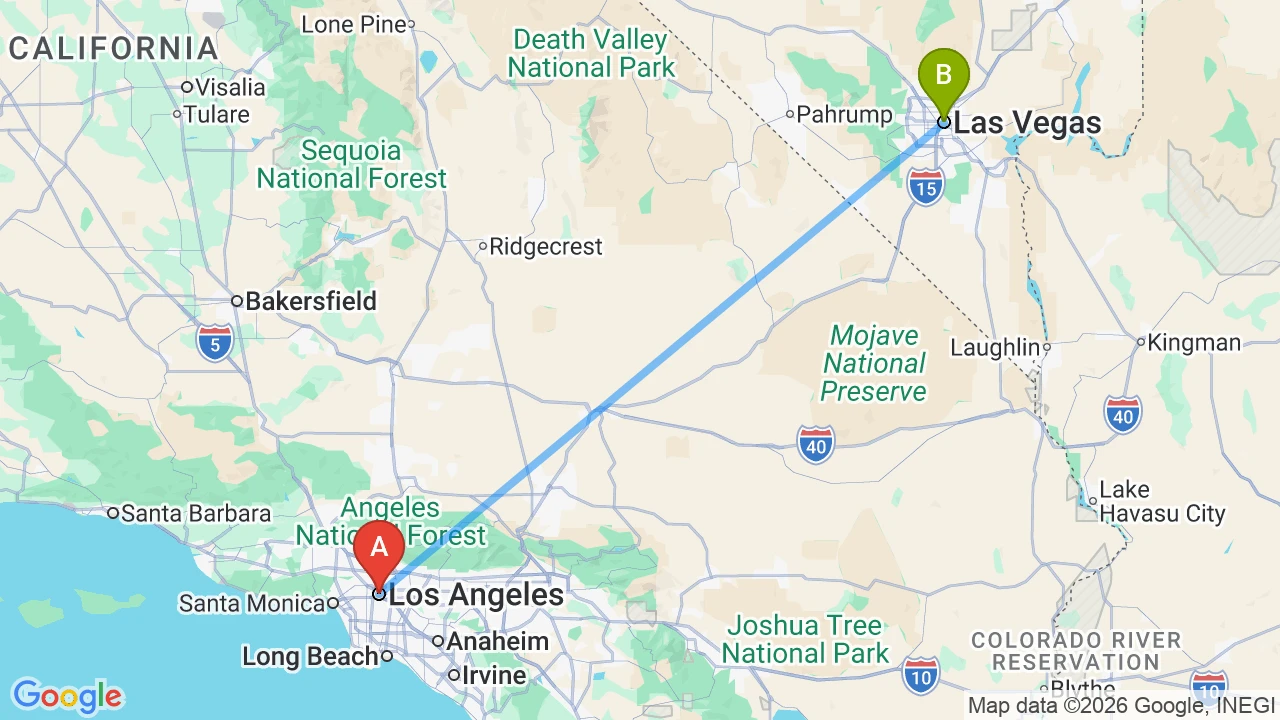
The move itself is straightforward—Las Vegas is about 270 miles from Los Angeles, a four-hour drive under normal conditions. Many people make the move in a single day with a rental truck or a few carloads. But the adjustment period involves friction points that aren’t obvious until you’re living it.
One of the most common surprises is how much you drive in Las Vegas. Even though commutes are shorter on average, the total number of car trips increases. In Los Angeles, you might consolidate errands because traffic makes multiple trips painful. In Las Vegas, driving is easier, so you drive more often—but that adds up in fuel, maintenance, and time behind the wheel. Households that moved to save money sometimes find that transportation costs don’t drop as much as expected because the car becomes the default for every single task.
Another adjustment is the loss of neighborhood texture. Los Angeles neighborhoods have character—ethnic enclaves, historic districts, pockets of local businesses that give each area a distinct feel. Las Vegas neighborhoods, especially newer ones, are more uniform. Master-planned communities offer amenities and safety, but they can feel generic. The Strip and downtown Las Vegas have energy and personality, but most residents live in suburban areas that prioritize convenience and space over distinctiveness.
Social networks also shift. Los Angeles has deep, established communities—cultural organizations, professional networks, hobby groups—that have been around for decades. Las Vegas is a transient city. People move in and out frequently, and social ties can feel more surface-level. That’s not universal, but it’s a pattern many movers notice, especially if they came from tight-knit Los Angeles communities.
Healthcare access is another consideration. Los Angeles has world-class medical institutions, specialists, and research hospitals. Las Vegas has solid healthcare infrastructure, but the depth and specialization aren’t the same. For households with chronic conditions or complex medical needs, that difference can matter. Las Vegas is also recognized as a retirement destination, and the city has built out senior services and healthcare options accordingly, but it’s still a smaller system than what Los Angeles offers.
Finally, the pace of life changes. Los Angeles operates at a high intensity—culturally, professionally, socially. There’s always something happening, and the city rewards hustle and ambition. Las Vegas is more relaxed outside the tourism corridor. The energy is different, the professional landscape is narrower, and the cultural scene is smaller. For some, that’s a relief. For others, it feels like a step down.
Frequently Asked Questions
- Does Las Vegas feel more or less expensive than Los Angeles?
- Las Vegas concentrates cost pressure differently rather than simply being cheaper. Housing entry barriers drop significantly, which helps with upfront affordability, but ongoing expenses like summer cooling, transportation dependence, and HOA fees can surprise households expecting across-the-board savings. The intensity of specific costs—especially climate-driven utility bills and car dependency—matters more than the overall price level for most households.
- How do housing markets differ between Los Angeles and Las Vegas?
- Los Angeles housing is older, denser, and more expensive, with strong tenant protections in some areas but high competition for rentals. Las Vegas housing is newer, more suburban, and more accessible for ownership, but it comes with HOA fees, desert maintenance costs, and less regulated rental markets. Ownership is more attainable in Las Vegas, but the structure of ongoing obligations shifts rather than disappears.
- What feels different about daily life after moving to Las Vegas?
- Daily routines become more car-dependent and require more planning. Errands that felt spontaneous in Los Angeles—grabbing coffee, picking up groceries—become deliberate trips in Las Vegas. The climate also reshapes outdoor activity, with summer heat limiting midday options and pushing recreation to early mornings or evenings. The pace is slower, neighborhoods feel more uniform, and social networks are less established.
- When does the move from Los Angeles to Las Vegas feel easiest?
- The move tends to feel smoothest for households prioritizing space, ownership, and predictable routines over cultural density and spontaneous access. Timing around summer heat helps—moving in fall or winter allows time to acclimate before facing the intense cooling season. Households with flexible work arrangements or remote jobs adapt more easily, since they can avoid peak commute exposure and build routines around climate constraints.
- What are the most common adjustment challenges?
- The biggest surprises are usually the intensity of summer heat, the loss of neighborhood walkability, and the increase in total driving despite shorter commutes. Households also notice the difference in cultural texture—fewer local institutions, less ethnic diversity, and a more transient social environment. For families with school-age children, adjusting to a different education system and finding extracurricular options can take time.
- Who does this move work best for—and who struggles?
- This move works well for households seeking homeownership, more space, and relief from Los Angeles housing pressure, especially if they value routine and don’t rely on walkability or transit. Retirees drawn to Nevada’s tax structure and warm winters often adapt easily. Households that struggle most are those who depended on Los Angeles’s cultural density, neighborhood texture, transit access, or hyperlocal routines. Families with complex healthcare needs or careers tied to Los Angeles’s specialized industries may also feel the limitations of a smaller metro.
Conclusion: Tradeoffs, Fit, and What Matters Most
The move from Los Angeles to Las Vegas isn’t a simple cost downgrade—it’s a reallocation of pressure. Housing costs drop, but climate exposure intensifies. Commutes shorten, but total driving increases. Ownership becomes accessible, but ongoing obligations shift into new categories. The question isn’t whether Las Vegas is cheaper; it’s whether the structure of costs and daily life aligns with how your household operates.
Households that adapt most easily are those who value space, predictability, and ownership over cultural density and spontaneous access. Retirees, remote workers, and families seeking suburban stability often find Las Vegas a strong fit. Households that struggle most are those who relied on Los Angeles’s neighborhood texture, transit options, or specialized professional ecosystems.
Before committing, spend time understanding where your own pressure points are. If housing is your primary constraint, Las Vegas offers real relief. If walkability, cultural access, or climate moderation matter more, the tradeoffs may feel steeper than the savings suggest. The move works—but it works differently depending on what you’re optimizing for.
For deeper cost breakdowns, neighborhood profiles, and household-specific guidance, explore the Las Vegas living hub and the Los Angeles cost guide on IndexYard.
How this article was built: In addition to public economic data, this article incorporates location-based experiential signals derived from anonymized geographic patterns—such as access density, walkability, and land-use mix—to reflect how day-to-day living actually feels in Las Vegas, NV.