
Overland Park, KS vs. Leawood, KS: Cost of Living Comparison (2025)
In 2025, the average monthly expenses in Overland Park, KS are $350 lower than in neighboring Leawood. For many relocating families and professionals, that adds up to substantial savings over the course of a year. Both of these upscale Kansas City suburbs offer excellent schools, safe neighborhoods, and easy access to the metro area. But when it comes to stretching your budget, is Overland Park or Leawood the better choice?
To help you decide which city fits your lifestyle and financial goals, we’ve analyzed the latest cost of living data for Overland Park and Leawood. We’ll compare key factors like housing costs, utilities, groceries, and taxes to show you where your money goes further. Whether you’re moving across the metro or relocating from out of state, here’s what you need to know about the cost of living in these two premier Kansas City suburbs in 2025.
Housing Costs
Housing is the biggest factor in the cost of living difference between Overland Park and Leawood. In 2025, the median home price in Overland Park is $415,000, while Leawood’s median price is a steeper $525,000. For a typical 3-bedroom, 2-bathroom home, that’s a gap of over $100,000.
Renting is also more affordable in Overland Park. A mid-range 2-bedroom apartment goes for around $1,450 per month, compared to $1,700 in Leawood. Rental inventory tends to be tighter in Leawood, with fewer apartment complexes and more single-family homes.
| Housing Type | Overland Park | Leawood |
|---|---|---|
| Median Home Price | $415,000 | $525,000 |
| Typical 3BR Home | $450,000 | $575,000 |
| 2BR Apartment Rent | $1,450 | $1,700 |
For growing families who need more space, Overland Park offers better value with its larger supply of mid-priced homes. Young professionals and couples may find Leawood’s higher-end apartments and townhomes worth the premium for luxury finishes and walkable locations. But overall, Overland Park comes out ahead on housing costs for most budgets and lifestyles.
Housing Cost Winner: Overland Park. With median prices over $100,000 lower than Leawood and more affordable rental options, Overland Park offers significant savings on the biggest piece of most household budgets.
Utilities and Energy Costs
Utility costs are fairly similar between Overland Park and Leawood, with both cities served by the same electric and gas providers. The average monthly energy bill is around $160 in Overland Park and $175 in Leawood for a typical household.
Seasonal costs can vary quite a bit in this part of the Midwest. Summer electricity bills tend to be higher with air conditioning, while winter gas bills rise with heating needs. Homes with older HVAC systems and less insulation may see steeper utility costs. Leawood’s slightly higher average likely reflects its larger home sizes.
Water, sewer, and trash fees are marginally higher in Leawood as well. For a family of four, expect to pay around $110 per month in Overland Park compared to $125 in Leawood. These costs are rolled into HOA fees in some neighborhoods, so be sure to check what’s included when budgeting.
Utility Cost Winner: Overland Park. While the difference is small, Overland Park ekes out a win with lower monthly utility costs across electric, gas, water and sewer. Efficient appliances and weatherproofing can help keep bills manageable in either city.
Groceries and Daily Expenses

Overland Park and Leawood both have abundant grocery options, from upscale specialty markets to budget-friendly chains. Prices for staples like milk, bread, eggs and produce are nearly identical. Where costs can really differ is in prepared foods, organics, and gourmet items.
Leawood’s fancier supermarkets like Hen House Market and Whole Foods tend to have higher markups on these premium goods compared to Overland Park’s more standard Hy-Vee and Price Chopper stores. A gallon of organic milk might be $6 in Overland Park but closer to $7 in Leawood.
Dining out is also a bit pricier in Leawood. A meal for two at a nice restaurant easily runs $75-100, while Overland Park has more casual $50-60 options. But with the variety of eateries in both cities, it’s possible to find something for every taste and budget. Cooking at home is still the biggest money-saver.
Grocery Cost Winner: Overland Park. Thrifty shoppers can find the essentials for similar low prices in both cities. But for specialty items and dining out, Overland Park offers better deals and value.
Taxes and Fees
Kansas is known as a low-tax state, but there are some notable differences between Overland Park and Leawood. The biggest is property tax: Overland Park’s rate is 1.34%, while Leawood’s is 1.46%. On a $500,000 home, that’s a difference of $600 per year.
Sales tax is also slightly higher in Leawood at 9.1% compared to Overland Park’s 8.85%. That adds up over time on larger purchases. Both cities charge annual vehicle taxes, but Leawood’s is steeper at 1.25% versus 0.6% in Overland Park.
For services like trash collection and rec center access, Leawood residents pay more in municipal fees. A family rec center pass is $550 in Leawood compared to $450 in Overland Park. But Leawood’s higher taxes also fund excellent city amenities and services that add to quality of life.
Tax Winner: Overland Park. While both cities enjoy low state income taxes, Overland Park keeps more money in residents’ pockets with lower property taxes, sales taxes, and city fees. The difference can add up to thousands in annual savings for homeowners.
Cost of Living Summary
| Category | Overland Park | Leawood |
|---|---|---|
| Housing | $1,800 | $2,200 |
| Utilities | $270 | $300 |
| Groceries | $600 | $650 |
| Transportation | $550 | $550 |
| Taxes | $800 | $1,000 |
| Misc. | $500 | $600 |
| Estimated Monthly Total | $4,520 | $5,300 |
Estimates reflect 2025 costs for a mid-size household (2-bedroom apartment or 3-bedroom home) using published national data and regional benchmarks. Actual expenses will vary with household size, lifestyle, and neighborhood.
When you add it all up, the cost of living in Overland Park is about $780 per month less than in Leawood for a comparable household. The biggest drivers are lower housing, food, and tax costs. Over the course of a year, that difference equates to over $9,000 in potential savings.
Of course, raw numbers don’t tell the full story. Leawood’s higher prices come with perks like beautiful neighborhoods, upscale amenities, and a prestigious reputation. For some, those intangibles are worth paying a premium. Lifestyle fit matters as much as the bottom line.
Lifestyle Considerations
Overland Park and Leawood are just 10 miles apart, but they each have a distinct vibe. Overland Park feels more like a bustling small city, with a revitalized downtown, major employers, and tons of shopping and dining. It’s a great fit for families and professionals who want a suburban lifestyle with easy access to urban amenities.
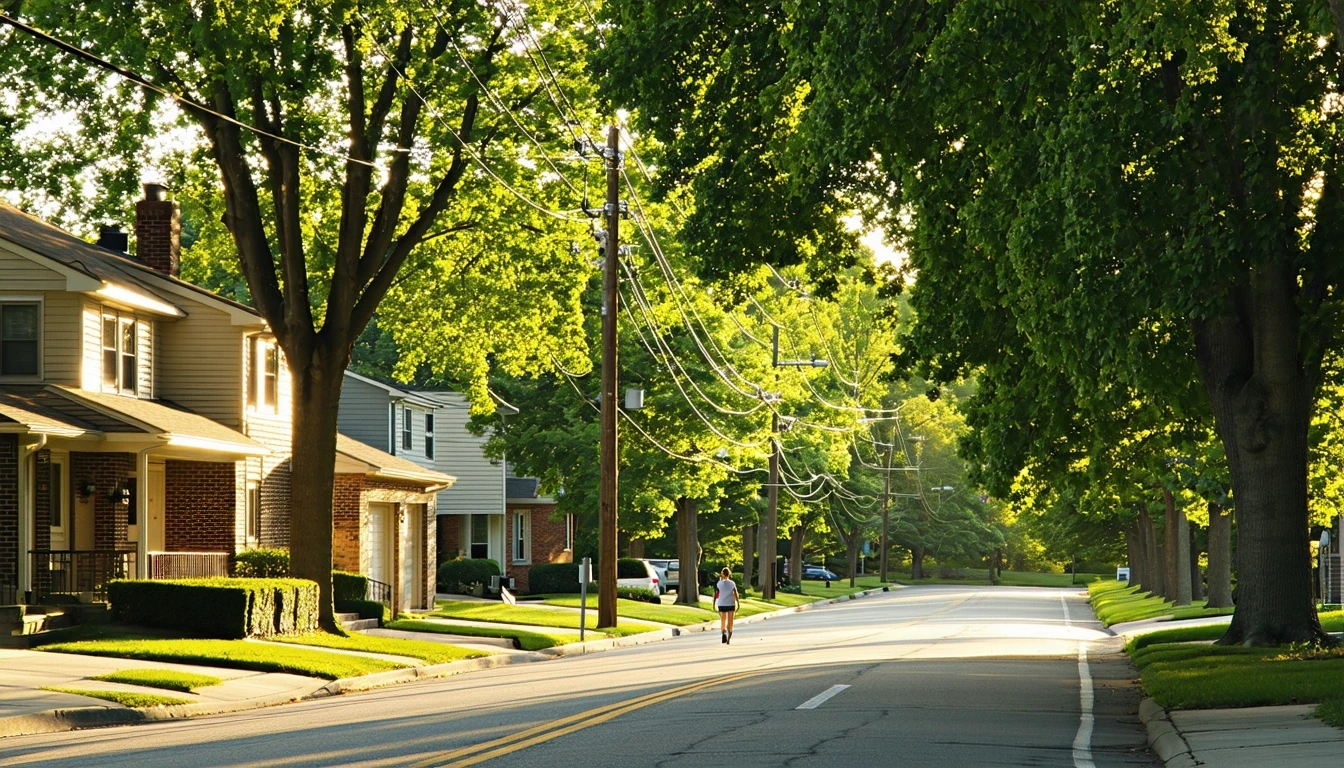
Leawood has a quieter, more residential character. Its tree-lined streets and upscale subdivisions give off a posh, country club vibe. While it has plenty of parks, shops and restaurants, the overall pace is a bit slower and more relaxed. It appeals to high-earning families and executives who value prestige and breathing room.
The typical commute is 5-10 minutes shorter from Overland Park, thanks to its proximity to I-435 and major employers like Sprint, Black & Veatch, and T-Mobile. Both cities are served by Johnson County Transit buses, but Overland Park has more routes and stops for easier car-free living.
Leawood’s lush parks and hiking trails offer natural respite, but Overland Park’s newer sports facilities and community centers are a big draw for active families. Cultural amenities like the Nerman Museum and Overland Park Arboretum add to OP’s appeal as a place to put down roots.
Frequently Asked Questions
Is Overland Park more affordable than Leawood in 2025? Yes, Overland Park has a lower overall cost of living than Leawood, with the biggest savings in housing, taxes, and daily expenses. For a typical family, Overland Park is about $780 per month less expensive.
Are property taxes higher in Leawood than in Overland Park? Yes, Leawood’s property tax rate is 1.46% compared to Overland Park’s 1.34%. On a $500,000 home, that equates to a difference of $600 per year.
What is the average monthly cost of living for a family of four in Overland Park vs. Leawood? In 2025, a family of four can expect to spend around $5,200 per month in Overland Park compared to $6,100 per month in Leawood. This assumes a 3-bedroom home, two vehicles, and a moderate lifestyle.
How much could renters save by choosing Overland Park over Leawood in 2025? A typical 2-bedroom apartment rents for $1,450 in Overland Park compared to $1,700 in Leawood, a savings of $250 per month or $3,000 per year. Utility costs also tend to be slightly lower in Overland Park rental properties.
Is Overland Park considered a better value for homebuyers compared to Leawood? With a median home price over $100,000 lower than Leawood, Overland Park offers more affordable options for the same size home. But Leawood’s luxurious vibe and amenities still make it an attractive choice for high-end buyers.
The Bottom Line
Overland Park and Leawood are both extremely desirable places to live, with excellent schools, safe neighborhoods, and a bounty of amenities. But when it comes to maximizing your budget, Overland Park offers the best value in 2025. With lower housing costs, taxes, and daily expenses, a typical family could save over $9,000 per year compared to living in Leawood.
Ultimately, the choice comes down to your financial picture and lifestyle priorities. Overland Park is ideal for families and professionals who want big city conveniences at a small town price. Leawood’s posh vibe and country club amenities will appeal to those who value prestige and don’t mind paying for it. You can’t go wrong with either of these premier Kansas City suburbs – but you can certainly save a pretty penny by choosing Overland Park.