
Many people assume utility bills in Simsbury are predictable and modest—just another line item in the monthly budget. The reality is more nuanced: utilities are the second-largest household expense after housing, and in Simsbury, they’re driven more by seasonal intensity and home efficiency than by base rates alone.
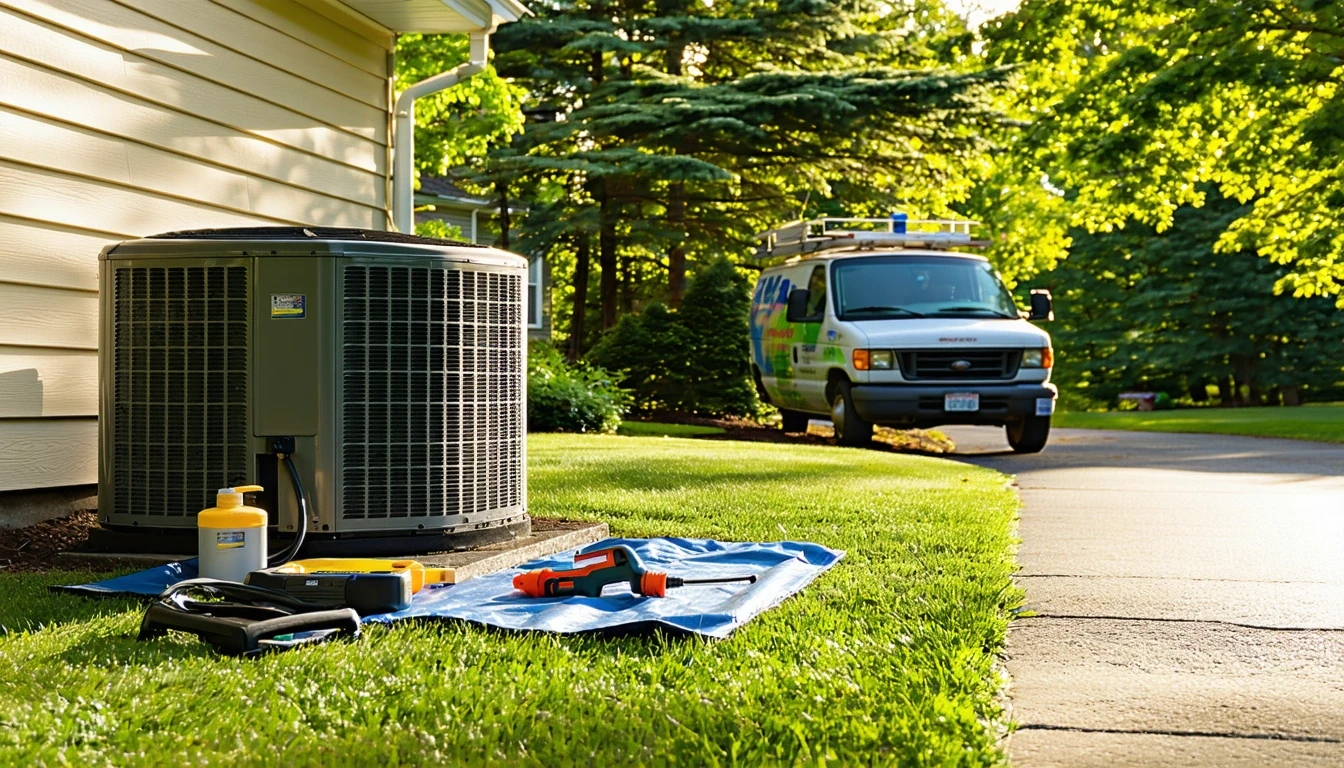
Understanding Utilities in Simsbury
When planning a household budget in Simsbury, utility costs demand careful attention. Unlike rent or a mortgage payment, which remain fixed month to month, utilities fluctuate with weather, usage patterns, and the efficiency of your home. For families, remote workers, and new movers alike, understanding how electricity, natural gas, water, and trash costs behave throughout the year is essential to avoiding surprises and maintaining financial control.
Utilities typically include electricity, natural gas (or heating oil in some homes), water, trash collection, and recycling. In Simsbury, as in much of Connecticut, the structure of these costs reflects both regional pricing and the demands of a climate with cold winters and warm, humid summers. Apartments may have some utilities bundled into rent or HOA fees, while single-family homeowners bear the full weight of seasonal swings and usage-sensitive billing.
For those moving to Simsbury from other regions, it’s important to recognize that utility exposure here is shaped by home type, insulation quality, and HVAC systems. A well-insulated single-family home with an efficient furnace and central air will behave very differently than an older rental with baseboard heat and window units. The difference isn’t just comfort—it’s hundreds of dollars over the course of a year.
Utilities at a Glance in Simsbury
The table below shows how core utility costs typically behave for a mid-size household in a single-family home in Simsbury. Where city-level prices are available in the data feed, they are shown directly. When exact figures are not provided, categories are described qualitatively to reflect how costs are structured and what drives variability.
| Utility | Cost Structure |
|---|---|
| Electricity | ~$308/month (1,000 kWh at 30.77¢/kWh; usage-sensitive, seasonal) |
| Water | Tiered pricing; usage-dependent |
| Natural Gas | ~$16/month baseline (1 MCF at $16.18; winter-driven, heating-dependent) |
| Trash & Recycling | Bundled with water or HOA in many neighborhoods |
| Total | Seasonal variability driven by electricity and heating |
This table reflects utility cost structure for a mid-size household in a single-family home in Simsbury during 2026. Where exact figures are not provided in the IndexYard data feed, categories are described directionally to reflect how costs behave rather than a receipt-accurate total.
Electricity is the most exposure-sensitive utility in Simsbury. Billed at 30.77¢ per kilowatt-hour, costs rise sharply during summer cooling months and again in winter if electric heating or supplemental baseboard units are in use. Homes with central air conditioning, multiple occupants, or daytime usage (remote workers, retirees) see the steepest seasonal swings. Efficiency upgrades—programmable thermostats, insulation, LED lighting—directly reduce kilowatt-hour consumption and smooth out monthly volatility.
Water costs in Simsbury are typically tiered, meaning the more you use, the higher the per-unit rate climbs. Families with irrigation systems, multiple bathrooms, or older appliances face higher bills, especially in summer. Many neighborhoods bundle water with trash collection, so the line item on your bill may reflect both services together.
Natural gas is the dominant heating fuel for many Simsbury homes, particularly single-family houses built in the last few decades. Priced at $16.18 per thousand cubic feet (MCF), gas costs remain modest during spring and fall but climb significantly from December through March as furnaces run continuously. Homes without gas service rely on heating oil or electric resistance heat, both of which carry different cost structures and volatility patterns.
Trash and recycling services are often bundled with water bills or included in HOA fees, particularly in planned communities and newer subdivisions. Standalone trash service, where applicable, is typically billed monthly at a flat rate. Costs are stable and predictable, making this the least volatile utility category for most households.
Electricity is typically the most exposure-sensitive utility in Simsbury, driven more by climate and home efficiency than by base rates.
How Weather Impacts Utilities in Simsbury
Simsbury’s climate—cold winters and warm, humid summers—creates a dual-season cost structure that many newcomers underestimate. Summer cooling demands push electric bills to their annual peak, often two to three times higher than in spring or fall. Central air conditioning, dehumidifiers, and increased refrigerator cycling all contribute to higher kilowatt-hour consumption from June through August. Homes with poor insulation, south-facing windows, or older HVAC systems feel this pressure most acutely.
Winter heating costs depend heavily on fuel type. Natural gas furnaces dominate in Simsbury, and while gas remains more affordable per unit of heat than electricity, total usage climbs steeply as outdoor temperatures drop. January and February typically bring the highest gas bills of the year. Homes relying on electric baseboard heat or heat pumps face even steeper winter electric bills, as resistance heating is far less efficient than gas combustion.
Spring and fall offer a brief reprieve—windows stay open, HVAC systems rest, and utility bills drop to their annual lows. These shoulder seasons reveal the baseline cost of running a household in Simsbury: lighting, appliances, water heating, and refrigeration. The gap between shoulder-season bills and peak-season bills is a direct measure of how much climate drives your annual utility exposure.
How to Save on Utilities in Simsbury
Reducing utility costs in Simsbury requires a combination of behavioral changes, efficiency upgrades, and strategic use of available programs. The goal isn’t necessarily to eliminate seasonal swings—Connecticut’s climate makes that impossible—but to reduce the magnitude of those swings and regain control over usage-sensitive categories like electricity and water.
Start with the low-hanging fruit: programmable or smart thermostats allow you to reduce heating and cooling when you’re asleep or away from home, cutting usage without sacrificing comfort. LED bulbs use a fraction of the electricity of incandescent or CFL bulbs and last years longer. Sealing air leaks around windows, doors, and attic hatches prevents conditioned air from escaping, reducing the load on your HVAC system. These changes pay for themselves quickly and compound over time.
- Enroll in budget billing or equalized payment plans offered by many Connecticut utilities, which spread annual costs evenly across twelve months to avoid seasonal bill shock.
- Check whether your electricity provider offers time-of-use rates or off-peak billing programs that reward shifting usage to evenings or weekends.
- Investigate state and federal incentives for energy-efficient appliances, insulation upgrades, and heat pump installations—Connecticut periodically offers rebates that reduce upfront costs.
- Plant shade trees on south- and west-facing sides of your home to reduce summer cooling loads naturally; this is a long-term investment that also increases property value.
- Install low-flow showerheads and faucet aerators to reduce water consumption without noticeable changes in pressure or comfort.
- Consider a home energy audit, often available at low or no cost through utility providers, to identify the most impactful efficiency upgrades for your specific home.
🏆 Tip: Check if your provider in Simsbury offers rebates for energy-efficient AC units or heating systems—these programs can offset hundreds of dollars in upgrade costs and deliver ongoing savings for years.
FAQs About Utility Costs in Simsbury
Why are utility bills so high in Simsbury during summer and winter?
Simsbury’s climate creates dual-season demand: air conditioning dominates summer electric bills, while heating (gas or electric) drives winter costs. Homes with older HVAC systems or poor insulation experience the steepest swings, often doubling or tripling their shoulder-season baseline.
What is the average monthly electric bill for an apartment in Simsbury compared to a single-family home?
Apartments typically see lower absolute electric costs due to smaller square footage and shared walls that reduce heating and cooling loads. Single-family homes, especially those over 2,000 square feet, face significantly higher bills during peak seasons. The gap widens in older homes with less efficient insulation and HVAC systems.
Do HOAs in Simsbury usually include trash or water in their fees?
Many planned communities and condominium associations in Simsbury bundle trash, recycling, and sometimes water into monthly HOA fees. Single-family homeowners outside of HOA neighborhoods typically receive separate bills for water and trash, often combined into a single municipal charge.
How does seasonal weather affect monthly utility bills in Simsbury?
Summer humidity and heat drive electric bills to annual peaks as air conditioning runs continuously. Winter cold pushes natural gas or electric heating costs to their highest levels. Spring and fall offer the lowest utility bills of the year, revealing the baseline cost of running a household without climate control demands.
Does Simsbury offer incentives for solar panels or energy-efficient appliances?
Connecticut periodically offers state-level incentives for solar installations, heat pumps, and high-efficiency appliances. Federal tax credits for renewable energy and efficiency upgrades are also available. Check with your utility provider and the Connecticut Green Bank for current programs and eligibility requirements.
How Utilities Fit Into the Cost Structure in Simsbury
Utilities represent the second-largest recurring expense for most Simsbury households, trailing only housing. Unlike rent or mortgage payments, which remain fixed, utility costs fluctuate with weather, usage, and household behavior. This volatility makes utilities a critical planning category—not just for budgeting, but for understanding how lifestyle choices (remote work, family size, home efficiency) translate into monthly financial pressure.
In Simsbury, where food and grocery options are sparse and car dependency is the norm for most errands, households already face elevated transportation costs. Layering seasonal utility swings on top of that baseline creates a cost structure that rewards efficiency and planning. Families who invest in insulation, programmable thermostats, and efficient appliances gain both predictability and lower annual totals. Those who don’t face steeper bills and less control over month-to-month variation.
For a complete picture of how utilities interact with housing, transportation, and day-to-day spending in Simsbury, explore the monthly budget breakdown. Understanding where your money goes—and why—is the first step toward making informed tradeoffs and building a sustainable household budget in 2026.
How this article was built: In addition to public economic data, this article incorporates location-based experiential signals derived from anonymized geographic patterns—such as access density, walkability, and land-use mix—to reflect how day-to-day living actually feels in Simsbury, CT.