
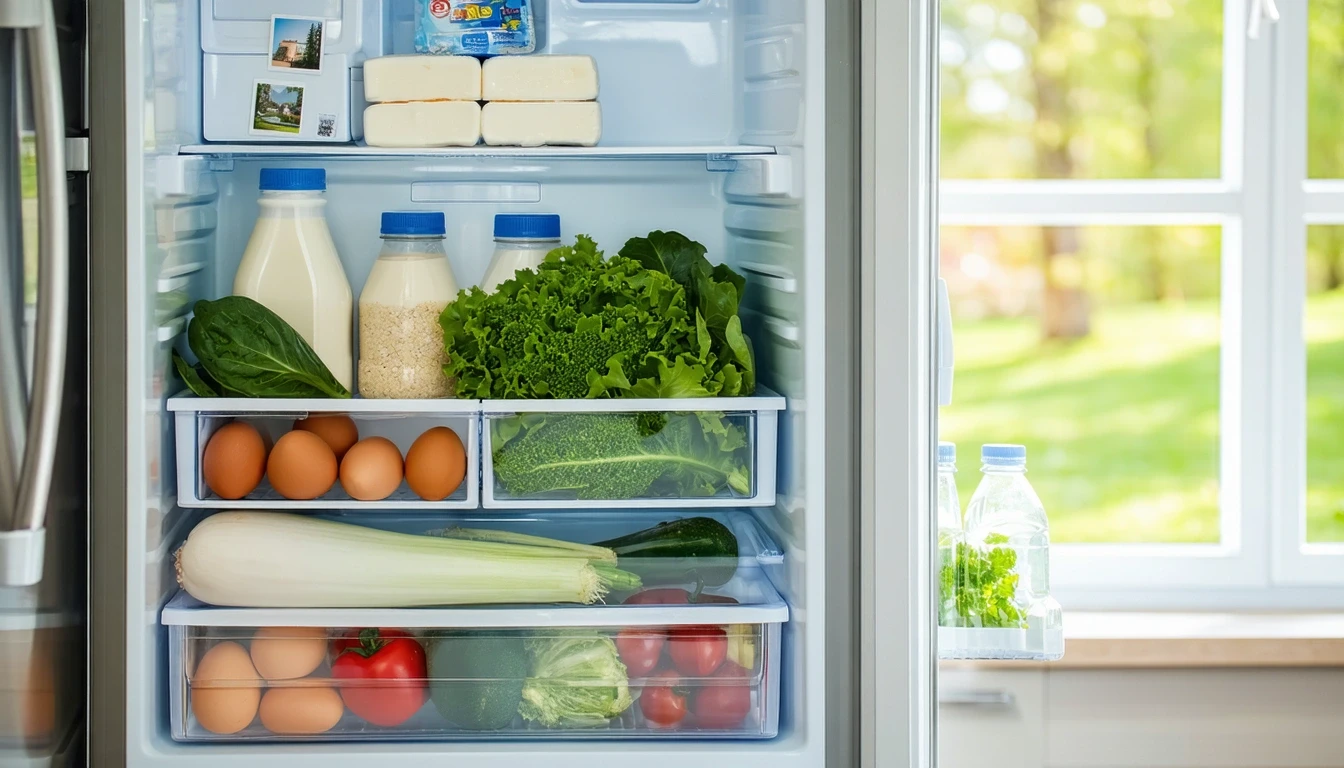
How Grocery Costs Feel in Simsbury
Grocery prices in Simsbury run above the national baseline, reflecting the town’s position in the Hartford metro’s higher-cost corridor. With a regional price parity index of 110, everyday staples—bread, eggs, milk, chicken—carry a modest but consistent premium compared to what shoppers pay in lower-cost parts of the country. For households earning Simsbury’s median income of $120,435 per year, that premium rarely creates acute pressure. But for single adults, younger professionals, or families managing tighter budgets, the difference between discount-tier and premium-tier grocers becomes one of the most direct levers available to control monthly expenses.
The town’s sparse food and grocery establishment density—confirmed by infrastructure analysis—means that running errands isn’t always a matter of stopping at the nearest store on the way home. Many households plan their shopping trips around specific retailers, balancing convenience against price. That planning burden is light for high-income households with flexibility, but it compounds for families buying in volume or individuals stretching paychecks across rent, utilities, and transportation. Grocery costs don’t dominate the cost structure here the way housing does, but they’re one of the few categories where behavior and store choice produce immediate, recurring savings without requiring long-term commitments or capital.
Who notices grocery costs most? Single adults and small households feel the per-person impact more acutely, since fixed costs like housing and utilities don’t scale down proportionally. A family of four spreading the regional premium across bulk purchases experiences grocery pressure differently than someone buying for one or two. Both groups face the same shelf prices, but the former can absorb inefficiency more easily, while the latter benefits sharply from intentional store selection and trip consolidation.
Grocery Price Signals (Illustrative)
These prices illustrate how staple items tend to compare locally—not a full shopping list. They’re derived from national baselines adjusted for regional cost patterns, and they reflect mid-tier grocery positioning rather than discount or premium extremes. Actual shelf prices vary by store, season, and brand, but the figures below offer useful anchors for understanding Simsbury’s grocery price texture.
| Item | Illustrative Price |
|---|---|
| Bread (per pound) | $1.99/lb |
| Cheese (per pound) | $5.26/lb |
| Chicken (per pound) | $2.24/lb |
| Eggs (per dozen) | $2.58/dozen |
| Ground beef (per pound) | $7.37/lb |
| Milk (per half-gallon) | $4.47/half-gallon |
| Rice (per pound) | $1.17/lb |
Derived estimate based on national baseline adjusted by regional price parity; not an observed local price.
Ground beef and cheese anchor the higher end of the spectrum, while rice and bread remain relatively accessible. Eggs and milk sit in the middle, sensitive to seasonal and supply-chain volatility but generally stable within the regional premium band. These aren’t checkout-accurate figures, but they help clarify why a household buying protein-heavy or dairy-heavy diets will feel Simsbury’s grocery costs more than one relying on grains, beans, and produce.
Store Choice & Price Sensitivity
Grocery price pressure in Simsbury varies sharply by store tier, and understanding that variation is more useful than fixating on a single “average” cost. Discount-tier grocers—regional chains and no-frills formats—offer the lowest baseline prices, often 15–25% below mid-tier competitors on core staples. Mid-tier stores balance selection, convenience, and competitive pricing, serving as the default for many households. Premium-tier grocers emphasize organic options, prepared foods, specialty items, and curated inventory, with corresponding price premiums on everyday staples.
For families buying in volume or households managing strict budgets, discount-tier shopping isn’t just about saving a few dollars per trip—it’s about reducing cumulative food costs by hundreds of dollars per year without sacrificing nutrition or variety. For high-income households prioritizing convenience, prepared foods, or organic preferences, premium-tier stores justify their pricing through selection and experience. The middle tier serves households who want reasonable prices without driving across town or sacrificing product quality.
Simsbury’s sparse grocery density means that store choice often involves intentional routing rather than impulse stops. Households that consolidate trips, plan around sales cycles, and differentiate between staple runs and specialty purchases extract the most value from the local retail landscape. Those who default to the nearest option or shop reactively tend to pay more, not because they’re careless, but because convenience carries a measurable cost premium in lower-density retail environments.
What Drives Grocery Pressure Here
Income plays a defining role in how grocery costs feel. At Simsbury’s median household income of $120,435, food spending—even at mid-tier or premium stores—remains a small share of total household budgets. For households earning significantly less, or for single adults living alone, the same regional premium creates tighter tradeoffs. A $30 difference per week between discount and premium shopping feels negligible to a six-figure household but meaningful to someone earning $50,000 and managing rent, utilities, and transportation simultaneously.
Household size amplifies sensitivity in both directions. Larger families face higher absolute grocery bills, but they also benefit from bulk purchasing, per-unit discounts, and the ability to absorb waste or spoilage more easily. Smaller households lose those efficiencies, paying closer to full retail on smaller quantities and facing higher per-person costs. A single adult buying a half-gallon of milk at $4.47 pays the same unit price as a family of four, but the latter spreads that cost across more people and more meals.
Regional distribution patterns also shape grocery costs indirectly. Simsbury sits within the Hartford metro’s retail and logistics network, which supports a range of grocery formats but doesn’t deliver the hyper-competitive density found in larger metros. That means fewer loss-leader promotions, less frequent price wars, and more stable—but slightly elevated—baseline pricing. Seasonal variability exists, particularly for produce and eggs, but it’s less pronounced than in regions with extreme weather or isolated supply chains.
Practical Ways People Manage Grocery Costs
Store tier selection is the most direct behavioral lever. Households that default to discount-tier grocers for staples—rice, beans, canned goods, frozen vegetables, dairy, eggs—and reserve mid-tier or premium stores for specialty items, fresh produce, or prepared foods reduce their baseline grocery spending without sacrificing variety or nutrition. This isn’t about extreme couponing or deprivation; it’s about recognizing that a box of rice or a dozen eggs costs materially less at a no-frills grocer than at a premium format, and that difference compounds across dozens of purchases per month.
Trip consolidation reduces both direct costs and the indirect expense of driving. Households that plan weekly or bi-weekly shopping trips around sales cycles, bulk staples, and predictable needs avoid the premium pricing that comes with frequent, small, reactive purchases. Planning also reduces food waste, since intentional shopping lists tend to align more closely with actual consumption than impulse buys or convenience stops.
Seasonal and sale-cycle awareness helps households time purchases of higher-cost items—meat, seafood, cheese—around promotions rather than paying full retail. Buying proteins on sale and freezing them, stocking up on non-perishables during periodic discounts, and shifting meal planning around what’s competitively priced that week are all low-friction strategies that reduce cumulative costs without requiring extreme discipline or lifestyle changes.
Cooking from scratch rather than relying on prepared foods, meal kits, or pre-cut ingredients lowers per-meal costs significantly, though it requires time and skill. For households with flexibility, that tradeoff works well. For dual-income families or individuals working long hours, the convenience premium on prepared foods may be worth paying, but it’s useful to recognize that choice as a cost driver rather than an unavoidable baseline.
Groceries vs Eating Out (Directional)
Without specific dining cost data for Simsbury, the grocery-versus-restaurant tradeoff remains directional rather than quantifiable. In general, cooking at home costs a fraction of what eating out does on a per-meal basis, but the comparison isn’t purely financial. Dining out saves time, reduces planning burden, and offers social or experiential value that home cooking doesn’t replicate. For high-income households, frequent restaurant meals are easily affordable and may be preferable to the time cost of cooking. For moderate-income households, the tradeoff becomes sharper: a few restaurant meals per week can equal or exceed a week’s worth of home-cooked groceries.
The key insight isn’t that one option is universally better, but that the cost gap between them is wide enough to matter for households managing tight budgets. A family that reduces restaurant frequency from four times per week to once or twice, substituting home-cooked meals using discount-tier staples, will see a measurable reduction in food spending without eliminating dining out entirely. Conversely, a household that treats dining out as discretionary rather than default behavior retains more flexibility to absorb grocery price volatility without feeling squeezed.
FAQs About Grocery Costs in Simsbury (2026)
Is it cheaper to shop in bulk in Simsbury? Bulk purchasing reduces per-unit costs on non-perishables, proteins, and frozen goods, particularly at discount-tier or warehouse-format stores. The savings are most meaningful for larger households that can consume bulk quantities before spoilage, while smaller households may find that bulk buying ties up cash without proportional benefit.
Which stores in Simsbury are best for low prices? Discount-tier grocers and no-frills formats consistently offer the lowest baseline prices on staples like dairy, eggs, grains, and canned goods. Mid-tier stores balance price and selection, while premium formats emphasize organic, specialty, and prepared foods at higher price points. Store choice depends on budget priorities and trip consolidation preferences.
How much more do organic items cost in Simsbury? Organic products typically carry a premium over conventional equivalents, with the gap widest on produce, dairy, and meat. The exact premium varies by store tier and item, but households prioritizing organic options should expect to pay measurably more than those buying conventional staples, particularly at premium-tier grocers.
How do grocery costs for two adults in Simsbury tend to compare to nearby cities? Simsbury’s regional price parity of 110 places it above the national baseline, meaning grocery staples cost more here than in lower-cost regions but remain comparable to other Hartford metro suburbs. Households moving from lower-cost areas will notice the difference; those coming from higher-cost metros may find Simsbury’s grocery prices relatively moderate.
How do households in Simsbury think about grocery spending when cooking at home? Many households treat grocery costs as one of the few flexible categories in their budgets, using store tier selection, trip planning, and sale-cycle awareness to manage spending without sacrificing nutrition or variety. Cooking from scratch, buying staples in bulk, and differentiating between discount-tier runs and specialty purchases are common strategies for reducing baseline food costs.
Does Simsbury’s layout make grocery shopping more expensive? The town’s sparse grocery density means that convenient, frequent shopping often comes with a price premium, since the nearest store may not be the most competitively priced. Households that plan trips around specific retailers and consolidate errands reduce both direct costs and the time burden of shopping, while those who prioritize convenience tend to pay more per item.
Are there seasonal patterns in grocery costs here? Produce prices fluctuate with growing seasons and supply-chain conditions, while eggs and dairy can see volatility tied to regional production cycles. Meat and seafood prices also vary with sales cycles and promotional periods. Households that time purchases around these patterns and stock up during low-price windows reduce their exposure to seasonal peaks.
How Groceries Fit Into the Cost of Living in Simsbury
Grocery costs in Simsbury are real and measurable, but they don’t drive the town’s overall cost structure the way housing does. A household paying $350,000 for a median-value home or $1,904 per month in rent faces far larger fixed obligations than even a generous grocery budget. Utilities, transportation, and insurance all compete for budget share, and groceries—while recurring and visible—remain one of the few categories where month-to-month behavior produces immediate, controllable savings.
That flexibility matters most for households managing tighter budgets or adjusting to Simsbury’s above-national cost baseline. Store tier selection, trip planning, and cooking habits can reduce food spending by hundreds of dollars per year without requiring major lifestyle changes or long-term commitments. For high-income households, grocery costs are a minor line item; for moderate-income households, they’re a meaningful but manageable pressure point; for single adults and smaller households, they’re one of the first places to look when trying to reduce monthly spending.
For a complete picture of how groceries interact with housing, utilities, transportation, and other recurring costs, the Monthly Budget article offers a fuller breakdown of where money goes each month and which categories create the most pressure. Grocery costs are one piece of that puzzle—important, controllable, and worth understanding—but not the defining factor in whether Simsbury feels affordable or tight. The households that manage food spending most effectively are those who treat it as a flexible, recurring decision rather than a fixed obligation, using store choice and planning to reduce baseline costs while preserving quality and variety.
How this article was built: In addition to public economic data, this article incorporates location-based experiential signals derived from anonymized geographic patterns—such as access density, walkability, and land-use mix—to reflect how day-to-day living actually feels in Simsbury, CT.