
What does it actually feel like to live in Enfield, CT? Not the polished chamber-of-commerce version or the doom-scroll headlines — but the everyday emotional texture of calling this place home. For some, Enfield offers exactly what they’ve been looking for: affordable space, good schools, and a quiet suburban rhythm. For others, it can feel like a place where convenience comes at the cost of character, where the tradeoff between affordability and vibrancy tips a little too far toward quiet.
Understanding whether Enfield fits you isn’t about whether it’s objectively “good” or “bad” — it’s about whether its particular mix of strengths and limitations aligns with what you value day to day.
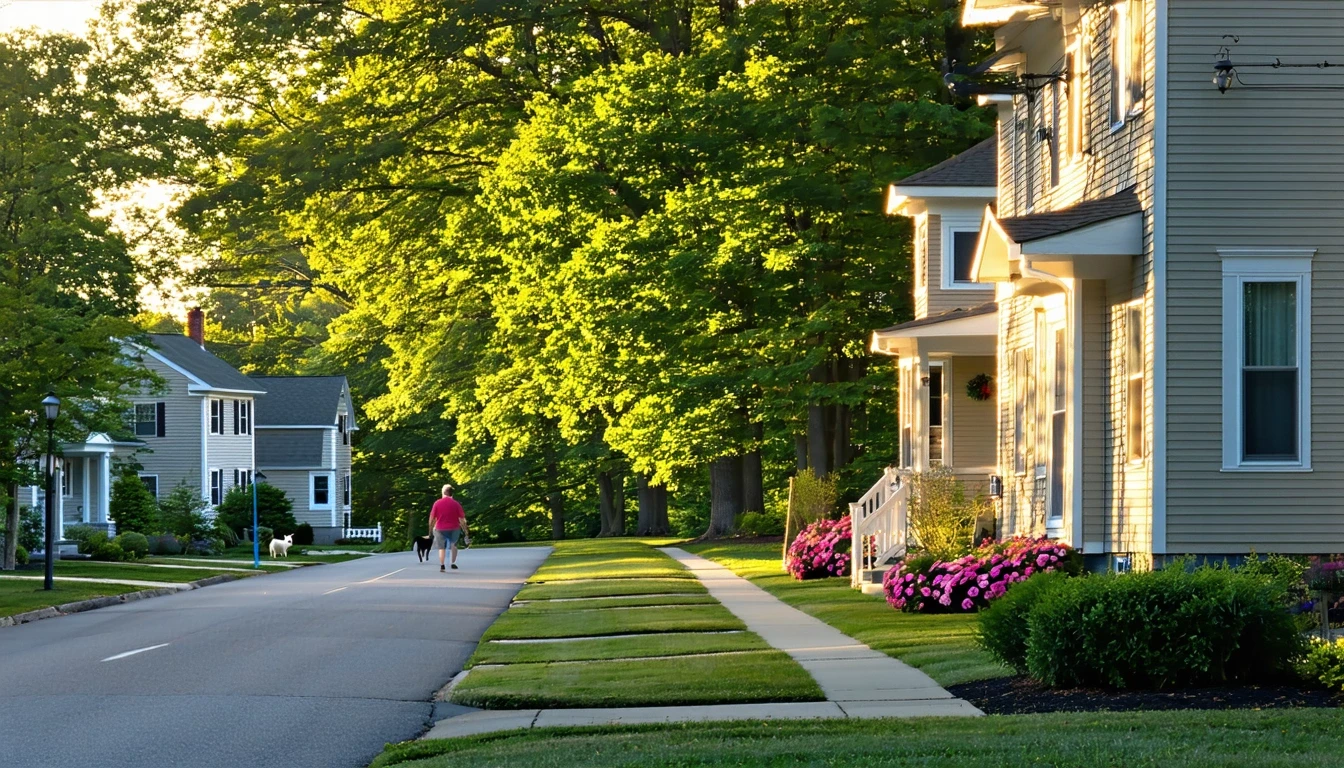
The Emotional Landscape of Enfield
Enfield sits in that interesting middle ground: close enough to Hartford to feel connected, far enough to maintain a distinctly suburban, small-town identity. It’s a place where families tend to feel grounded and remote workers find space to breathe, but where younger professionals and those craving walkable neighborhoods or a thriving food scene often feel restless.
The recurring tension in Enfield’s vibe is this: people who wanted suburban comfort and practical living tend to feel satisfied, while those who hoped for more texture — boutique shops, diverse dining, evening activity — often feel like something’s missing. It’s not that Enfield lacks community pride or investment; it’s that the town’s identity leans heavily toward residential stability rather than urban energy.
“It’s a solid place to raise kids and have a yard, but if you’re looking for things to do on a Friday night, you’re probably heading somewhere else,” captures a common sentiment. The flip side? “I love that it’s quiet and I can actually afford a house here without feeling squeezed.”
What People Are Talking About Online
On platforms like local Facebook groups and regional subreddits, Enfield discussions tend to circle around a few recurring themes: school quality, affordability compared to neighboring towns, and the search for good local restaurants. There’s a protective pride when Enfield gets dismissed as “just another suburb,” but also a self-aware acknowledgment that the town isn’t trying to be something it’s not.
Tone-wise, the conversation is pragmatic rather than passionate. People share recommendations for contractors, ask about the best pizza spots, and debate whether certain retail developments are improvements or eyesores. There’s less of the heated civic drama you might find in more politically charged or rapidly changing towns, and more of a “we’re all just trying to make it work here” vibe.
“Enfield gets overlooked, but honestly, that’s part of why it works — no pretension, just regular people living regular lives.”
“I wish we had more local coffee shops and places to walk to. It feels like everything interesting is a drive away.”
“The schools are good, the taxes are manageable, and I can get to Hartford or Springfield when I need to. That’s the whole point for us.”
How Local Coverage Frames the Town
Local news and community coverage in Enfield tends to focus on steady, incremental change rather than dramatic transformation. The tone is often about managing growth, preserving community character, and debating what kinds of development fit the town’s identity. You’ll see recurring topic buckets like:
- “Town Weighs New Retail Development Near Route 5”
- “School District Celebrates Academic Achievements”
- “Residents Debate Balance Between Growth and Quiet”
- “Community Events Draw Families to Town Green”
- “Empty Storefronts Spark Conversation About Local Business”
The framing is rarely alarmist, but it’s also not particularly celebratory. Enfield’s media presence reflects a town that’s stable but not booming, comfortable but not trendy. For people who value predictability and low drama, that’s reassuring. For those hoping to feel part of something dynamic or evolving, it can feel a bit flat.
What Reviews and Public Perception Reveal
On platforms like Google Reviews, Yelp, and neighborhood apps, Enfield’s public perception splits along predictable lines. Families and long-time residents tend to emphasize value, safety, and school quality. Younger adults and newcomers more often mention limited dining options, lack of walkability, and a sense that the town feels “sleepy.”
Positive sentiment clusters around:
- Affordability relative to other Connecticut suburbs
- Access to parks and recreational spaces
- Strong community events and family-friendly atmosphere
- Convenient location between Hartford and Springfield
Critical sentiment often focuses on:
- Limited variety in restaurants and entertainment
- Retail turnover and vacant storefronts in certain areas
- Car dependency for nearly all errands and activities
- Perception that the town lacks a distinct downtown or gathering hub
Neighborhood variation exists, though it’s often framed generically: newer planned developments tend to feel more polished and family-oriented, while older pockets offer more character but sometimes less consistency in upkeep. The expectation-matching theme is strong here — people who wanted suburban simplicity tend to be pleased; those who wanted texture or walkability often feel disappointed.
How Enfield Compares to Nearby Towns
| Dimension | Enfield, CT | Manchester, CT | Windsor, CT |
|---|---|---|---|
| Overall Vibe | Quiet suburban, practical, family-focused | More retail energy, slightly more urban texture | Polished suburban, corporate presence, commuter-friendly |
| Dining & Nightlife | Limited variety, mostly chains | Better restaurant scene, more local spots | Moderate variety, some upscale options |
| Walkability | Low; car-dependent for most errands | Moderate in certain areas | Low; suburban layout |
| Community Feel | Steady, low-drama, family-oriented | More diverse, slightly more bustling | Professional, quieter, less neighborhood intimacy |
The comparison isn’t about declaring a winner — it’s about helping you understand tradeoffs. If you value affordability and a straightforward suburban lifestyle, Enfield delivers without pretense. If you want more restaurant variety and a bit more street-level activity, Manchester might feel more aligned. If you prefer a more polished, corporate-adjacent suburban experience, Windsor could be a better match. None of these towns will give you urban walkability or a thriving nightlife scene, but they each offer a slightly different flavor of suburban Connecticut living.
Voices from the Community
“We moved here from a pricier town closer to the coast, and honestly, Enfield has been great for us. The house is bigger, the taxes are lower, and the schools are solid. It’s not flashy, but that’s not what we needed.”
“I’m a remote worker, and Enfield works perfectly — I have space for a home office, the internet is reliable, and when I need to get out, Hartford is right there. I don’t need nightlife at my doorstep.”
“It’s fine, but it feels like there’s not much of a ‘there’ there. I end up driving to other towns for dinner or anything interesting. I wish Enfield had more of its own identity.”
“The community events are actually really nice — farmers markets, holiday parades, that sort of thing. It’s not exciting, but it’s wholesome, and that matters when you have kids.”
“I’ve lived here my whole life, and I’ve seen it change. Some of the old local businesses are gone, and it feels like we’re losing a bit of what made it special. But it’s still home.”
“If you’re young and single, Enfield can feel pretty isolating. There’s just not much to do, and everyone seems to be in family mode.”
“Honestly, I think people expect too much. Enfield is affordable, safe, and convenient. If you want Brooklyn, move to Brooklyn. This is a suburb, and it does that job well.”
Does Enfield Feel Like a Good Fit?
Enfield’s emotional profile is defined by what it offers and what it doesn’t. It tends to work well for families seeking space and stability, remote workers who value affordability and quiet, and anyone who prioritizes practical suburban living over urban texture. It tends to frustrate people who crave walkable neighborhoods, diverse dining and entertainment, or a strong sense of place identity.
The town doesn’t try to be something it’s not, and for many residents, that’s exactly the point. But if you’re someone who measures quality of life by how much you can do within walking distance, or how vibrant the local food scene is, Enfield might feel limiting. The tradeoff is clear: you get more house for your money and a quieter pace, but you give up some of the texture and convenience that comes with denser, more mixed-use environments.
Ultimately, whether Enfield feels like a good fit depends on whether its particular balance of affordability, space, and simplicity aligns with what you’re looking for in day-to-day life. If you’re curious about how those tradeoffs play out financially, exploring your monthly budget in Enfield or understanding whether your income supports the lifestyle you want can help clarify whether the emotional fit translates into a practical one. And if you’re weighing renting vs buying in Enfield, understanding the community vibe can help you decide whether putting down roots here makes sense for the long term.
The perspectives shown reflect commonly expressed local sentiment and recurring themes in public discussion, rather than individual accounts.