

Glastonbury’s median home value sits at $360,900 while Manchester’s reaches $195,200—a housing entry gap that shapes every other cost decision between these two Hartford metro neighbors. But the story isn’t just about sticker prices. It’s about where cost pressure concentrates, how predictability trades off against flexibility, and which households feel the difference in daily routines versus long-term obligations. Both cities share the same regional price environment, yet the mechanics of spending—housing entry barriers, utility rate structures, transportation friction, and access to daily errands—play out differently depending on income level, household composition, and tolerance for volatility.
Glastonbury and Manchester sit minutes apart in the Hartford metro, yet they attract different household profiles for structural reasons. Glastonbury offers walkable pockets, mixed land use, and pedestrian infrastructure that exceeds regional norms, making it appealing to households prioritizing errands accessibility and neighborhood texture. Manchester provides a lower housing entry threshold and shorter average commutes, drawing buyers and renters who need to control front-loaded costs or preserve flexibility. The choice between them isn’t about which city costs less overall—it’s about which cost structure aligns with your household’s income stability, time budget, and sensitivity to specific expense categories in 2025.
This comparison explains how housing, utilities, transportation, groceries, and daily logistics differ between Glastonbury and Manchester, not in totals but in exposure, timing, and household fit. The goal is to clarify which trade-offs matter most for your situation, so you can make a decision grounded in how costs actually behave, not just how they add up.
Housing Costs
Housing dominates the cost experience in both cities, but the pressure shows up differently. Glastonbury’s median home value of $360,900 creates a higher entry barrier for buyers, requiring larger down payments and qualifying income thresholds. Manchester’s $195,200 median opens homeownership to households with more modest savings and income levels, making it a practical choice for first-time buyers or those transitioning from renting. The difference isn’t just about monthly mortgage payments—it’s about how much capital you need upfront and how much flexibility you retain after closing.
Renters face a similar structural gap. Glastonbury’s median gross rent of $1,657 per month reflects tighter housing supply and higher demand for walkable, mixed-use neighborhoods. Manchester’s $1,289 median rent offers more breathing room for households managing other obligations—student loans, childcare, or irregular income. The rent difference compounds over time, but the immediate impact is felt in how much discretionary income remains after housing. For single adults or couples without children, the Glastonbury rent premium may be offset by reduced transportation costs if walkability reduces car dependence. For families needing larger units, Manchester’s lower rent can translate into access to more bedrooms or yard space without stretching the budget.
Housing stock composition also matters. Glastonbury’s mixed building height profile and land-use diversity suggest a range of housing types—single-family homes, townhomes, and smaller multifamily buildings—concentrated in pockets rather than spread uniformly. Manchester’s housing market, while less documented in experiential terms, tends toward single-family homes and apartment complexes serving commuters and families seeking space over walkability. Older housing stock in both cities can introduce maintenance volatility, but Glastonbury’s higher home values may correlate with newer or better-maintained properties, reducing near-term repair exposure. Manchester’s lower entry costs come with the risk of deferred maintenance or older systems requiring attention sooner.
| Housing Type | Glastonbury | Manchester |
|---|---|---|
| Median Home Value | $360,900 | $195,200 |
| Median Gross Rent | $1,657/month | $1,289/month |
Housing takeaway: Glastonbury’s housing costs create a higher entry barrier but may offer more walkable, mixed-use environments that reduce other expenses. Manchester’s lower housing entry and rent levels make it more accessible for first-time buyers, renters with tighter budgets, and families prioritizing space over neighborhood texture. Households with stable, higher incomes may absorb Glastonbury’s housing premium more easily, while those with variable income or limited savings will find Manchester’s structure less restrictive. The decision hinges on whether you’re optimizing for neighborhood walkability and long-term asset appreciation, or for immediate affordability and flexibility in housing choice.
Utilities and Energy Costs
Utility cost behavior in Glastonbury and Manchester diverges primarily in natural gas pricing and electricity rates, creating different exposure profiles depending on home heating systems and household size. Glastonbury’s natural gas price of $16.18 per MCF is substantially lower than Manchester’s $26.56 per MCF, meaning households relying on gas heat or gas water heaters face more predictable and lower baseline costs in Glastonbury during heating months. Manchester’s higher natural gas price introduces volatility, especially for older homes with less efficient furnaces or poor insulation. Electricity rates show a smaller gap—Glastonbury at 25.30¢/kWh versus Manchester at 27.02¢/kWh—but the difference still compounds for households running central air conditioning during humid Connecticut summers or operating electric heat in newer construction.
Seasonality drives utility exposure in both cities, but the intensity varies by housing type and system age. Single-family homes with gas heat in Glastonbury benefit from lower natural gas prices, keeping winter heating bills more manageable. In Manchester, the same home profile faces higher heating costs, particularly during extended cold snaps when furnaces run continuously. Apartments and smaller units with electric baseboard heat reverse the dynamic slightly, as Glastonbury’s lower electricity rate provides modest relief, though electric heat remains costly regardless of location. Cooling costs in summer hit both cities similarly due to regional humidity, but Manchester’s slightly higher electricity rate means households running air conditioning for extended periods see incrementally higher bills.
Home age and construction quality amplify these differences. Older homes—common in both cities—tend to have less insulation, single-pane windows, and aging HVAC systems, all of which increase baseline energy consumption. In Glastonbury, the lower natural gas price cushions some of this inefficiency for gas-heated homes. In Manchester, the higher natural gas price magnifies the cost of inefficiency, making energy upgrades (insulation, window replacement, thermostat management) more urgent for budget-conscious households. Newer construction in either city reduces exposure through better insulation and more efficient systems, but the natural gas price gap persists, favoring Glastonbury for gas-dependent households.
Household size also shapes utility pressure. Larger families with multiple occupants generate higher baseline electricity usage (lighting, appliances, laundry, electronics) and more hot water demand, increasing both electricity and natural gas consumption. In Glastonbury, the lower natural gas price keeps water heating costs more predictable. In Manchester, families relying on gas water heaters face higher ongoing costs, especially with teenagers or frequent laundry cycles. Single adults and couples experience less dramatic differences, but the gap still shows up in monthly bills, particularly during peak heating and cooling months.
Utility takeaway: Glastonbury’s lower natural gas price creates more predictable heating costs for households with gas furnaces or water heaters, making it a better fit for families in older, gas-dependent homes. Manchester’s higher natural gas price increases exposure to heating volatility, especially in poorly insulated properties, though its slightly higher electricity rate has less impact on overall utility pressure. Households in newer, well-insulated homes or those using electric heat exclusively will feel smaller differences between the cities. The key decision factor is whether your home relies on natural gas for heating or hot water—if so, Glastonbury’s rate structure offers meaningful relief during Connecticut’s long heating season.
Groceries and Daily Expenses
Grocery and everyday spending pressure in Glastonbury and Manchester stems less from price differences—both cities share the same regional price parity index of 103—and more from how access, convenience, and household routines shape spending patterns. Glastonbury’s corridor-clustered food and grocery accessibility, supported by medium-density food establishments and mixed land use, means households can reach grocery stores, cafes, and prepared food options without extensive driving. This structure reduces the friction cost of running errands and allows for more frequent, smaller shopping trips, which can help households avoid bulk buying or impulse purchases driven by infrequent access. Manchester lacks detailed experiential data on food accessibility, but its lower housing costs and commuter-oriented layout suggest grocery shopping may require more intentional planning, favoring larger, less frequent trips to big-box stores or regional supermarkets.
Price sensitivity plays out differently depending on household composition and shopping habits. Single adults and couples in Glastonbury may lean toward convenience spending—grabbing prepared meals, coffee, or takeout—because proximity reduces the time cost of these choices. In Manchester, the same households might batch errands and cook more at home to offset transportation time and preserve flexibility in their schedules. Families managing larger grocery volumes face a different calculus: Glastonbury’s mixed land use and walkable pockets allow for quick mid-week trips to restock staples, reducing food waste and the need for large pantry inventories. Manchester families may benefit from lower rent and housing costs, freeing up budget for bulk grocery purchases at discount retailers, but the trade-off is more time spent planning and traveling to access those options.
Dining out and convenience spending also vary by neighborhood structure. Glastonbury’s mixed residential and commercial land use supports local cafes, casual dining, and quick-service restaurants within walking or short driving distance, making it easier to default to prepared food when time is tight. This convenience can quietly inflate monthly spending if households don’t actively manage dining frequency. Manchester’s layout, more car-dependent and less densely mixed, may reduce spontaneous dining out simply because it requires more intentional effort to reach restaurants. For households with tight budgets, this structural friction can act as a natural spending brake, though it also means less flexibility when schedules get hectic.
Grocery and daily expense takeaway: Glastonbury’s corridor-clustered food accessibility and mixed land use reduce the friction cost of errands but can encourage convenience spending if households don’t actively manage dining and takeout frequency. Manchester’s lower housing costs free up budget for groceries, but less dense food access may require more planning and larger, less frequent shopping trips. Families with young children or dual-income couples may value Glastonbury’s proximity to food options as a time-saver, while budget-conscious households or those comfortable with meal planning may prefer Manchester’s structure, which naturally limits impulse spending on prepared food. The decision depends on whether you prioritize convenience and time flexibility, or budget control and intentional shopping routines.
Taxes and Fees
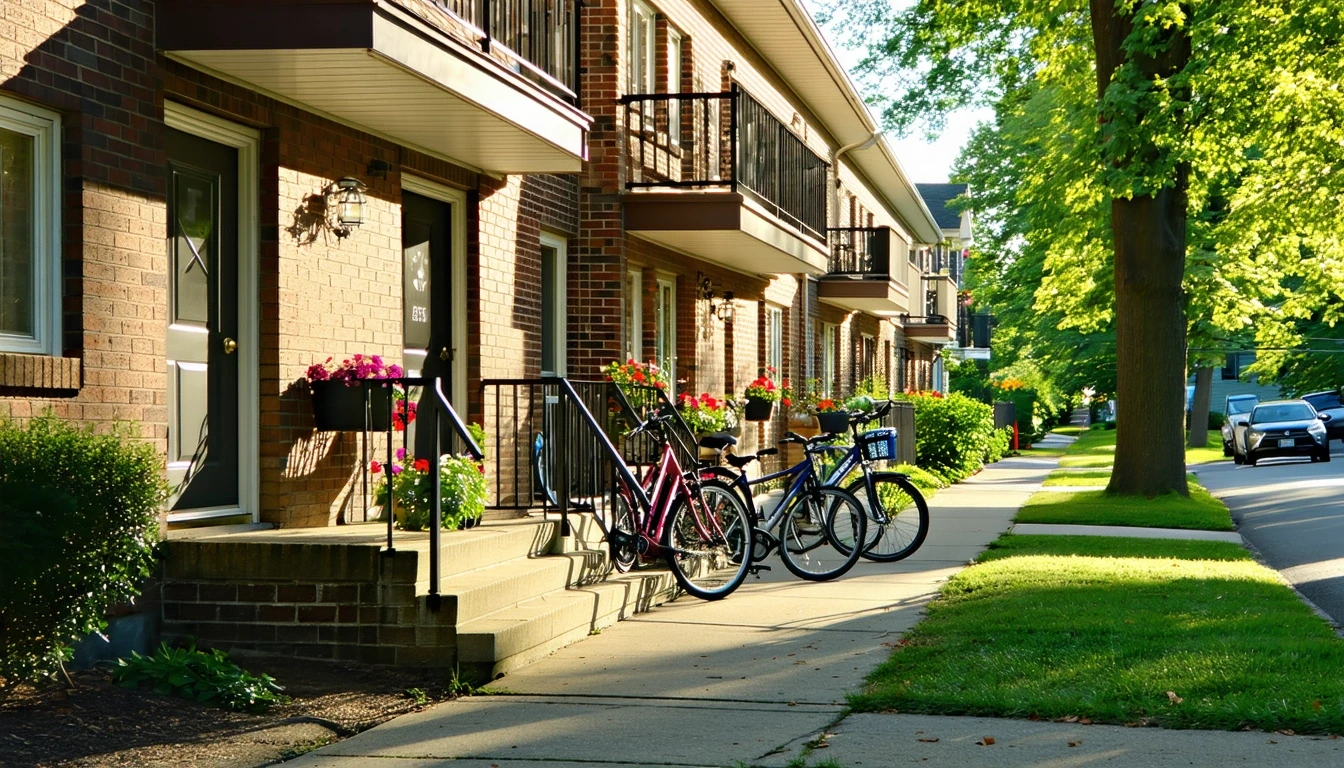
Property taxes and local fees shape long-term cost exposure in both Glastonbury and Manchester, though specific rates aren’t provided in the available data. What matters structurally is how property taxes interact with home values and how recurring fees (trash, water, sewer, HOA assessments) layer onto housing costs. Glastonbury’s higher median home value of $360,900 means property tax bills—typically calculated as a percentage of assessed value—will be higher in absolute terms than Manchester’s, even if mill rates are similar. For homeowners, this translates into a larger annual obligation that must be budgeted alongside mortgage payments. Manchester’s $195,200 median home value results in lower property tax bills, making homeownership more manageable for households with tighter cash flow or those prioritizing predictability in fixed costs.
Renters in both cities don’t pay property taxes directly, but landlords pass through tax costs in rent pricing. Glastonbury’s higher home values and likely higher property taxes contribute to its $1,657 median rent, while Manchester’s lower property tax base supports its $1,289 median rent. The difference isn’t purely tax-driven—demand, housing supply, and neighborhood amenities all play roles—but property taxes form part of the structural cost floor that landlords must cover. For renters planning to stay several years, understanding this pass-through effect helps clarify why rent levels differ and whether future rent increases might track property tax reassessments.
Local fees and service charges vary by municipality and housing type. Some neighborhoods in either city may have homeowners’ associations (HOAs) that bundle services like landscaping, snow removal, or trash collection into monthly or annual fees. These fees add predictability—households know the cost upfront—but they also reduce flexibility, as opting out isn’t possible. In areas without HOAs, households pay separately for trash collection, water, and sewer services, which can introduce variability depending on usage and rate changes. Glastonbury’s mixed land use and walkable pockets may correlate with more HOA-managed properties, particularly in townhome or condo developments. Manchester’s single-family home orientation may mean fewer HOA fees but more direct responsibility for service contracts and maintenance.
Tax and fee takeaway: Glastonbury’s higher home values likely result in higher property tax bills for homeowners, increasing the ongoing cost of ownership even if mill rates are comparable to Manchester. Manchester’s lower home values translate into lower property tax obligations, making homeownership more accessible for households with limited cash reserves or those prioritizing predictable fixed costs. Renters in both cities experience tax costs indirectly through rent levels, but the structural difference in home values means Glastonbury renters face higher baseline rent partly due to landlord tax pass-through. Households planning to stay long-term should consider how property tax reassessments and local fee structures might evolve, as these costs are less negotiable than discretionary spending and compound over years of ownership or tenancy.
Transportation & Commute Reality
Transportation costs and commute friction differ between Glastonbury and Manchester primarily through infrastructure texture, car dependence, and time-versus-distance trade-offs. Manchester provides concrete commute data: an average commute time of 22 minutes, with 26.5% of workers experiencing long commutes and only 4.6% working from home. This profile suggests most Manchester households rely on cars for daily commuting, with a meaningful share facing extended drive times that increase fuel consumption, vehicle wear, and time costs. Glastonbury lacks specific commute data in the feed, but its walkable pockets and pedestrian-to-road ratio exceeding high thresholds indicate that some residents can manage errands, school drop-offs, or short trips on foot or bike, reducing total vehicle miles traveled even if primary commutes still require driving.
Gas prices show a small difference—Glastonbury at $3.04 per gallon versus Manchester at $2.85 per gallon—but the structural impact of commute length and car dependence matters more than the per-gallon cost. Manchester’s 22-minute average commute, combined with its higher share of long commuters, means households there log more miles weekly, compounding fuel costs despite the slightly lower gas price. Glastonbury’s walkable pockets and mixed land use allow some households to consolidate errands or reduce short trips, offsetting the higher gas price through lower total consumption. For households with two working adults, the difference multiplies: if both partners commute daily in Manchester, fuel and vehicle maintenance costs accumulate faster than in Glastonbury, where one partner might walk to local errands or work from a nearby mixed-use area.
Bike infrastructure and transit options also shape transportation flexibility. Glastonbury’s bike-to-road ratio sits in the medium band, indicating some cycling infrastructure in pockets, which supports recreational riding and short utilitarian trips for households comfortable biking. Manchester’s feed lacks experiential signals on bike or transit infrastructure, suggesting car dependence dominates without clear alternatives for non-drivers. Neither city offers robust public transit coverage typical of larger urban centers, but Glastonbury’s pedestrian infrastructure and mixed land use provide more options for reducing car trips within the city itself, even if regional commutes still require driving.
Transportation takeaway: Manchester’s documented 22-minute average commute and high share of long commuters create more transportation exposure through fuel consumption and vehicle wear, even with slightly lower gas prices. Glastonbury’s walkable pockets and pedestrian infrastructure allow some households to reduce short car trips, offsetting its higher gas price through lower total mileage. Households with dual incomes and daily commutes will feel transportation costs more acutely in Manchester, while those working from home or able to consolidate errands on foot may find Glastonbury’s structure reduces time and fuel costs. The decision depends on whether your household prioritizes minimizing commute distance and time, or values walkability and mixed land use that reduces car dependence for daily errands.
Cost Structure Comparison
Housing pressure dominates the cost experience in both cities, but the mechanism differs. Glastonbury’s higher home values and rent levels create a steeper entry barrier, requiring more upfront capital and higher ongoing obligations. Households with stable, higher incomes can absorb this premium while benefiting from walkable pockets and mixed land use that reduce transportation and errands friction. Manchester’s lower housing entry costs make homeownership and renting more accessible, preserving flexibility for households with variable income or limited savings. The trade-off is less documented walkability and more reliance on car-based errands, which shifts cost pressure from housing to transportation and time management.
Utilities introduce more volatility in Manchester due to its substantially higher natural gas price. Households with gas heat or gas water heaters face greater exposure to seasonal heating costs, especially in older homes with poor insulation. Glastonbury’s lower natural gas price creates more predictable utility bills during Connecticut’s long heating season, making it a better fit for families in gas-dependent homes. Electricity rate differences are smaller, but Manchester’s slightly higher rate compounds for households running air conditioning extensively or using electric heat. The utility cost structure favors Glastonbury for gas-heated homes and Manchester for newer, well-insulated properties with electric systems.
Transportation patterns matter more in Manchester, where longer average commutes and higher car dependence increase fuel consumption and vehicle wear. Glastonbury’s walkable pockets and pedestrian infrastructure allow some households to reduce short car trips, offsetting higher gas prices through lower total mileage. For dual-income households with daily commutes, Manchester’s transportation exposure accumulates faster despite its lower gas price. For households working from home or able to consolidate errands on foot, Glastonbury’s structure reduces both time and fuel costs.
Grocery and daily expenses show less dramatic differences, as both cities share the same regional price parity. Glastonbury’s corridor-clustered food accessibility reduces errands friction but can encourage convenience spending on dining out or prepared food. Manchester’s lower housing costs free up budget for groceries, but less dense food access requires more planning and larger, less frequent shopping trips. Families with tight schedules may value Glastonbury’s proximity to food options, while budget-conscious households may prefer Manchester’s structure, which naturally limits impulse spending.
The better choice depends on which costs dominate your household’s budget and tolerance for volatility. Households sensitive to housing entry barriers and ongoing rent or mortgage obligations may prefer Manchester’s lower thresholds, accepting higher utility and transportation exposure in exchange for flexibility. Households prioritizing walkability, predictable utility costs, and reduced car dependence may absorb Glastonbury’s higher housing costs, valuing the time savings and lower transportation friction. For families with gas-heated homes, Glastonbury’s natural gas price advantage creates meaningful relief during heating months. For first-time buyers or renters with limited income stability, Manchester’s lower housing entry and rent levels reduce financial stress, even if other cost categories require more active management.
How the Same Income Feels in Glastonbury vs Manchester
Single Adult
In Glastonbury, housing becomes the non-negotiable first, consuming a larger share of gross income due to higher rent or mortgage costs. Flexibility exists in transportation and dining, as walkable pockets reduce car dependence and allow for more spontaneous errands or meals out, though convenience spending can quietly inflate monthly totals. In Manchester, lower housing costs preserve more discretionary income upfront, but longer commutes and car dependence shift pressure toward fuel, vehicle maintenance, and time costs. Flexibility appears in grocery budgeting and dining choices, but the structure requires more planning to avoid inefficiency in errands or impulse spending on convenience.
Dual-Income Couple
In Glastonbury, housing costs remain the dominant fixed obligation, but dual incomes make the premium more manageable, especially if walkability reduces one partner’s commute or allows for consolidated errands. Flexibility exists in utility management and dining frequency, though the mixed land use can encourage more frequent restaurant visits or takeout. In Manchester, lower housing entry costs and rent levels free up cash flow for savings or discretionary spending, but dual commutes increase transportation exposure through fuel and vehicle wear. Flexibility appears in grocery budgeting and home-based meal planning, but the time cost of longer commutes reduces schedule flexibility and increases reliance on convenience solutions when both partners work full-time.
Family with Kids
In Glastonbury, housing and childcare become non-negotiable first, with higher home values or rent levels limiting options for larger units or yard space. Flexibility disappears quickly in utility costs if the home is older or poorly insulated, and transportation costs remain moderate if walkable pockets allow for school drop-offs or errands on foot. The mixed land use supports quick grocery runs, reducing food waste, but convenience spending on dining or prepared food can creep up when schedules tighten. In Manchester, lower housing costs allow families to access more space or better-maintained properties, preserving flexibility in childcare or extracurricular budgets. Utility costs become less predictable due to higher natural gas prices, especially in older homes, and transportation pressure increases with dual commutes or frequent kid-related trips. Flexibility exists in grocery budgeting through bulk shopping at discount retailers, but the structure requires more planning and time to manage errands efficiently without sacrificing convenience entirely.
Decision Matrix: Which City Fits Which Household?
| Decision factor | If you’re sensitive to this… | Glastonbury tends to fit when… | Manchester tends to fit when… |
|---|---|---|---|
| Housing entry + space needs | You need to control upfront costs and preserve flexibility in housing choice | You have stable income and prioritize walkable neighborhoods over lower entry barriers | You need lower down payments, accessible rent, or more space for the same budget |
| Transportation dependence + commute friction | You want to minimize fuel costs, vehicle wear, and time spent commuting | You can consolidate errands on foot or work from home, reducing total car trips | You accept longer commutes in exchange for lower housing costs and more flexibility |
| Utility variability + home size exposure | You need predictable heating costs and want to avoid seasonal bill spikes | Your home relies on natural gas heat or water heating, benefiting from lower rates | Your home is newer, well-insulated, or uses electric systems, reducing gas exposure |
| Grocery strategy + convenience spending creep | You want to control impulse spending while maintaining flexibility in meal planning | You value proximity to food options and can manage dining frequency actively | You prefer bulk shopping and home cooking, using lower housing costs to free up grocery budget |
| Fees + friction costs (HOA, services, upkeep) | You want to minimize recurring fees and retain control over service choices | You accept bundled HOA fees in exchange for walkable, mixed-use neighborhoods | You prefer direct control over services and lower property tax obligations |
| Time budget (schedule flexibility, errands, logistics) | You need to minimize time spent on errands and maximize schedule flexibility | You benefit from walkable pockets and mixed land use that reduce errands friction | You can batch errands and plan ahead, prioritizing lower housing costs over convenience |
Lifestyle Fit
Glastonbury and Manchester offer distinct lifestyle textures shaped by infrastructure, neighborhood character, and daily routines. Glastonbury’s walkable pockets and pedestrian-to-road ratio exceeding high thresholds create opportunities for households to manage errands, school drop-offs, or short trips on foot, reducing the default reliance on cars for every task. The mixed residential and commercial land use supports local cafes, small shops, and services within walking or short driving distance, making it easier to integrate errands into daily routines without extensive planning. This structure appeals to households valuing convenience, spontaneity, and the ability to move through their day without constant car dependence. Glastonbury’s park density sits in the moderate range, with water features present, offering accessible green space for recreation without requiring long drives. Families with young children or couples prioritizing outdoor access will find these amenities support weekend routines and casual exercise.
Manchester’s lifestyle centers more on car-based mobility and commuter-oriented routines. The documented 22-minute average commute and 26.5% of workers experiencing long commutes suggest most households spend meaningful time traveling to work, which shapes daily schedules and limits flexibility for mid-day errands or activities. The lower housing costs and more accessible homeownership thresholds allow families to prioritize space—larger yards, more bedrooms, or single-family homes—over walkability or mixed-use convenience. This trade-off works well for households comfortable with planning ahead, batching errands, and managing logistics around work schedules. Manchester’s lack of detailed experiential signals on parks, outdoor access, or walkability means households should verify local amenities and infrastructure before assuming proximity to recreation or green space.
Cultural and recreational differences between the cities are subtle, as both sit within the Hartford metro and share access to regional attractions, dining, and entertainment. Glastonbury’s mixed land use and walkable pockets may support more local, neighborhood-scale activities—farmers’ markets, community events, or casual dining—while Manchester’s structure leans toward regional access via car, with households traveling to larger shopping centers, entertainment venues, or parks outside the immediate area. For households with teenagers or active social lives, Glastonbury’s pedestrian infrastructure allows for more independent mobility without constant parental driving. In Manchester, teens and younger adults typically need cars to reach friends, activities, or part-time jobs, which adds to household transportation exposure but also reflects the broader suburban pattern common across Connecticut.
Frequently Asked Questions
Is Glastonbury or Manchester more affordable for first-time homebuyers in 2025?
Manchester offers a lower housing entry barrier, with a median home value of $195,200 compared to Glastonbury’s $360,900. This difference means first-time buyers in Manchester need smaller down payments and qualify with lower incomes, making homeownership more accessible. Glastonbury’s higher home values require more upfront capital and stable income, but the investment may offer walkable neighborhoods and mixed land use that reduce transportation and errands costs over time. The better choice depends on whether you prioritize immediate affordability and flexibility, or long-term neighborhood amenities and reduced car dependence.
How do utility costs differ between Glastonbury and Manchester in