
A mid-size household in Glastonbury can see electric bills spike to $250 or more during peak summer months, driven by extended air conditioning use and Connecticut’s above-average electricity rates. That single utility line item can rival a car payment, and it’s just one piece of the monthly infrastructure cost puzzle that also includes water, natural gas, and trash service—each with its own seasonal rhythm and billing structure.
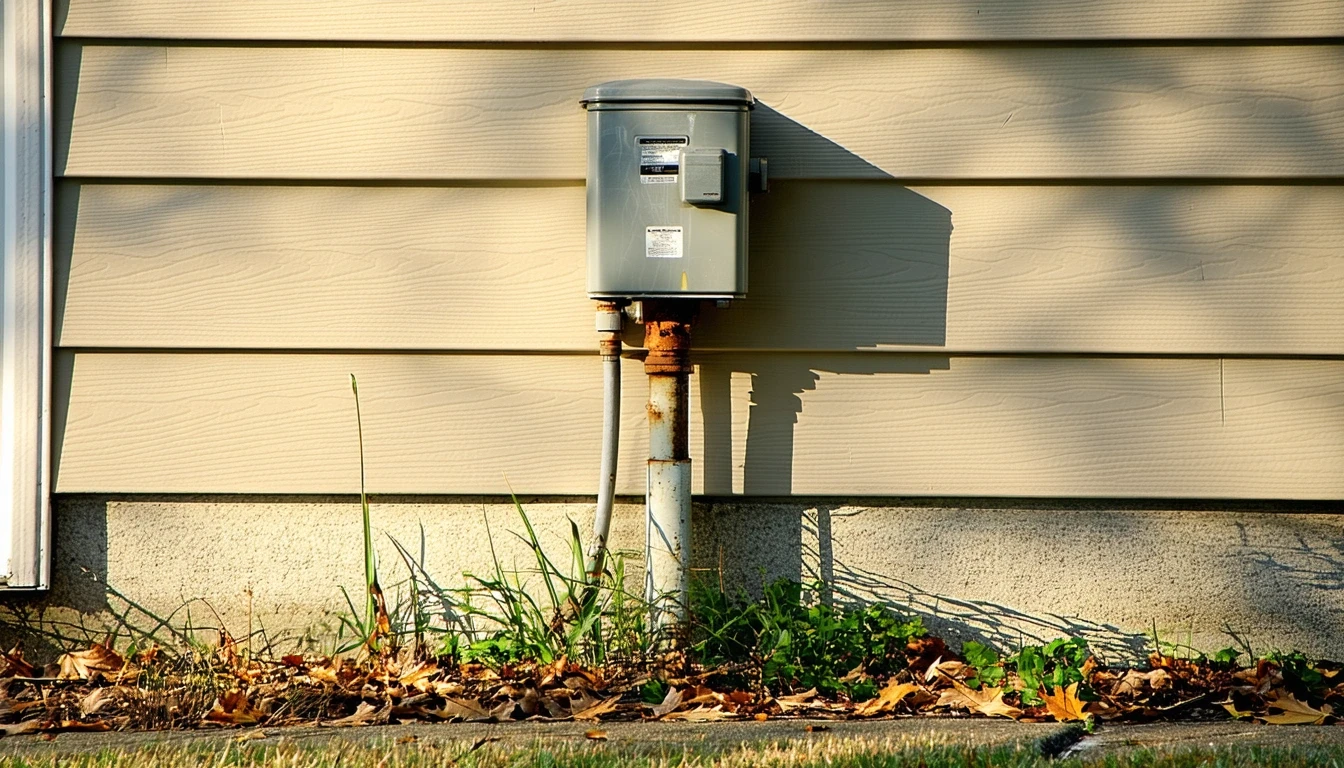
Understanding Utility Costs in Glastonbury
Utilities represent the second-largest fixed expense for most Glastonbury households after housing, and unlike rent or mortgage payments, they fluctuate with weather, usage habits, and home efficiency. For families moving to Glastonbury in 2026, understanding how these costs behave throughout the year is essential for realistic monthly budget planning. Connecticut’s four-season climate creates distinct cost peaks: summer cooling bills and winter heating expenses can each double baseline usage, making seasonal volatility a defining feature of household cash flow.
The core utility bundle typically includes electricity, natural gas or heating oil, water and sewer service, and trash and recycling collection. In Glastonbury, electricity powers lighting, appliances, and increasingly, air conditioning during humid summer stretches. Natural gas heats many homes during cold months, though some properties rely on heating oil or electric baseboards. Water and sewer charges are usually billed together, often by the town or a regional authority, with rates structured in tiers that penalize heavy usage. Trash and recycling services may be bundled with water bills, included in HOA fees, or contracted separately depending on neighborhood and housing type.
For apartment renters, some utilities may be included in monthly rent—especially water, trash, and sometimes heat—but electricity is almost always the tenant’s responsibility. Single-family homeowners in Glastonbury bear the full utility load, which means greater exposure to seasonal swings but also more control over efficiency upgrades and usage strategies. Understanding which costs are fixed, which are usage-sensitive, and which are driven by weather helps households anticipate bills and prioritize cost-saving measures throughout the year.
Utilities at a Glance in Glastonbury
The table below shows how core utility costs typically behave for a mid-size household in a single-family home in Glastonbury. Where city-level prices are available in the data feed, they are shown directly. When exact figures are not provided, categories are described qualitatively to reflect how costs are structured and what drives variability.
| Utility | Cost Structure |
|---|---|
| Electricity | 25.30¢/kWh; usage-sensitive, seasonal exposure |
| Water | Tiered pricing; usage-dependent, billed with sewer |
| Natural Gas | $16.18/MCF; winter-driven, heating-dependent |
| Trash & Recycling | Often bundled with water or included in HOA fees |
| Total | Seasonal variability driven by electricity and heating |
This table reflects utility cost structure for a mid-size household in a single-family home in Glastonbury during 2026. Where exact figures are not provided in the IndexYard data feed, categories are described directionally to reflect how costs behave rather than a receipt-accurate total.
Electricity is billed per kilowatt-hour, and at 25.30¢/kWh, Connecticut’s rates sit above the national average. For illustrative context, a household using 1,000 kWh in a month—typical for a mid-size home during moderate weather—would see a base charge around $253 before fees and taxes. That figure climbs sharply in July and August when air conditioning runs daily, and it drops in spring and fall when heating and cooling demands ease. Electricity is typically the most exposure-sensitive utility in Glastonbury, driven more by climate and home efficiency than by base rates.
Water and sewer charges in Glastonbury are structured in tiers, meaning the unit price rises as household consumption increases. Families with irrigation systems, pools, or large lawns face higher bills during dry summer months. Even without those features, a four-person household using water for showers, laundry, dishwashing, and cooking will see costs vary with seasonal habits and conservation efforts.
Natural gas is priced at $16.18 per thousand cubic feet (MCF), and for homes with gas furnaces, winter is the dominant cost period. A single cold month can drive usage well above baseline, especially in older homes with less insulation. Homes without natural gas service may rely on heating oil or electric resistance heat, each with its own cost curve and volatility pattern.
Trash and recycling services in Glastonbury are often bundled with water bills or covered by homeowners association fees, particularly in newer developments. Standalone service contracts are common in older neighborhoods, with costs typically fixed monthly regardless of volume. Recycling is usually included, though bulky item pickup or yard waste collection may carry separate fees.
How Weather Impacts Utilities in Glastonbury
Glastonbury’s climate creates two distinct cost peaks each year: a summer cooling season and a longer winter heating season. Summer heat and humidity drive air conditioning use from June through early September, with peak electricity demand occurring during multi-day stretches of hot, muggy weather. Unlike dry-heat climates where temperatures drop at night, Connecticut’s summer humidity keeps indoor spaces uncomfortable even after sunset, meaning AC units cycle frequently to maintain livable conditions. Many Glastonbury households experience noticeably higher electric bills during peak summer compared to spring, with July and August often delivering the year’s highest utility statements.
Winter heating costs dominate the other half of the year. December through March brings cold temperatures, occasional nor’easters, and sustained heating demand. Homes heated with natural gas see usage climb as outdoor temperatures fall, and older homes with drafty windows or minimal insulation face steeper increases. Electric baseboard heat, still present in some Glastonbury properties, can drive winter electric bills even higher than summer cooling costs. Heating oil users face price volatility and the need to schedule deliveries, adding a layer of cash flow planning that gas customers avoid.
Spring and fall offer brief relief, with moderate temperatures reducing both heating and cooling needs. These shoulder seasons represent the baseline utility cost for a household—the minimum spend driven by water heating, lighting, appliances, and refrigeration. Understanding this seasonal rhythm helps households anticipate when bills will spike and when they can bank savings for the next peak period.
How to Save on Utilities in Glastonbury
Reducing utility costs in Glastonbury starts with controlling the two largest drivers: electricity and heating fuel. Because both are usage-sensitive and weather-driven, efficiency upgrades and behavioral changes can lower exposure without sacrificing comfort. Programmable or smart thermostats allow households to reduce heating and cooling when no one is home, cutting runtime without manual adjustments. Sealing air leaks around windows, doors, and attic hatches reduces the load on HVAC systems, helping them maintain temperature with less energy.
Utility providers in Connecticut sometimes offer time-of-use rates or budget billing programs that smooth out seasonal peaks, making monthly costs more predictable even if annual totals remain similar. Some also provide rebates for energy-efficient appliances, heat pumps, or insulation upgrades, reducing the upfront cost of improvements that lower long-term usage. Solar panel incentives exist at both state and federal levels, and while installation requires significant capital, the reduction in grid-supplied electricity can stabilize costs for decades.
Practical, low-cost strategies also make a difference:
- Run dishwashers and laundry during off-peak hours if your provider offers time-of-use pricing
- Replace incandescent bulbs with LEDs to cut lighting costs and reduce heat output in summer
- Install low-flow showerheads and faucet aerators to reduce water and water-heating costs simultaneously
- Plant shade trees on south- and west-facing sides of the home to reduce cooling load in summer
- Service HVAC systems annually to maintain efficiency and catch issues before they escalate
- Use ceiling fans to circulate air, allowing higher thermostat settings without comfort loss
🏆 Tip: Check if your provider in Glastonbury offers rebates for energy-efficient AC units or heating systems—these programs can offset hundreds of dollars in upgrade costs while locking in lower monthly usage for years.
FAQs About Utility Costs in Glastonbury
Why are utility bills so high in Glastonbury during summer and winter?
Connecticut’s four-season climate creates extended heating and cooling periods, and electricity rates in the state sit above the national average. Homes with older HVAC systems or poor insulation face even steeper seasonal swings, as equipment works harder to maintain comfort during temperature extremes.
What is the average monthly electric bill for an apartment in Glastonbury compared to a single-family home?
Apartments typically use less electricity due to smaller square footage and shared walls that reduce heating and cooling loss. A single-family home in Glastonbury might see electric bills range from $150 in mild months to $250 or more during peak summer, while an apartment could stay closer to $80–$150 depending on size and efficiency.
Do HOAs in Glastonbury usually include trash or water in their fees?
Many newer developments and condo associations in Glastonbury bundle trash, recycling, and sometimes water into monthly HOA fees, simplifying billing for residents. Older single-family neighborhoods typically require separate contracts or rely on town-provided services billed directly to homeowners.
How does seasonal weather affect monthly utility bills in Glastonbury?
Summer humidity drives air conditioning use from June through early September, spiking electricity costs. Winter cold increases natural gas or heating oil consumption from December through March. Spring and fall offer the lowest utility bills, representing baseline usage without significant climate control demands.
Does Glastonbury offer incentives for solar panels or energy-efficient appliances?
Connecticut provides state-level incentives for solar installations, and federal tax credits remain available for qualifying systems. Some utility providers also offer rebates for high-efficiency HVAC systems, water heaters, and appliances, reducing upfront costs and long-term usage simultaneously.
How Utilities Fit Into the Cost Structure in Glastonbury
Utilities in Glastonbury function as a variable cost layer that sits between fixed housing expenses and discretionary spending. Unlike rent or mortgage payments, which remain constant month to month, utility bills respond to weather, household behavior, and home efficiency, creating cash flow variability that households must anticipate and manage. Electricity and heating fuel dominate this category, with seasonal peaks that can double baseline costs during summer and winter. Water, sewer, and trash services add smaller, more stable charges, though tiered water pricing can penalize heavy users during dry months.
For households evaluating what shapes the cost of living in Glastonbury, utilities represent a controllable but unavoidable expense—one that rewards efficiency investments and punishes neglect. Homes with modern insulation, efficient HVAC systems, and smart usage habits keep costs predictable and manageable, while older properties with deferred maintenance face steeper bills and less control. The mixed residential and commercial land use throughout Glastonbury means housing types vary widely, and with them, utility exposure: apartment dwellers with included heat face less volatility than single-family homeowners managing full infrastructure costs.
Understanding how utilities behave throughout the year helps households allocate resources more effectively within your monthly budget in Glastonbury, reserving capacity for peak months and banking savings during mild seasons. Utilities don’t operate in isolation—they interact with housing costs, transportation needs, and discretionary spending to shape overall financial pressure. For movers and long-term residents alike, treating utilities as a managed expense rather than a fixed obligation creates room for optimization, stability, and long-term cost control.
How this article was built: In addition to public economic data, this article incorporates location-based experiential signals derived from anonymized geographic patterns—such as access density, walkability, and land-use mix—to reflect how day-to-day living actually feels in Glastonbury, CT.