
Needs vs. Wants: Monthly Expense Framework (Gross Income)
| Category | Need | Want |
|---|---|---|
| Housing | Shelter, basic utilities | Extra space, walkable location, newer construction |
| Transportation | Access to work, groceries, healthcare | Short commute, minimal planning burden, backup vehicle |
| Food | Groceries, meal preparation | Dining out, delivery, specialty stores nearby |
| Utilities | Heat, electricity, water | Stable bills, no seasonal behavior changes |
| Healthcare | Routine care access | Specialist proximity, hospital nearby |
| Savings/Buffer | Emergency fund cushion | Predictable monthly surplus, investment capacity |
All income references in this article reflect gross monthly income (pre-tax) unless otherwise noted.
What “Living Comfortably” Means in Bristol
Comfort in Bristol isn’t defined by luxury—it’s defined by the absence of constant tradeoffs. It means heating your home in January without checking the thermostat hourly. It means choosing where to live based on preference, not desperation. It means grocery runs don’t require route optimization or trip consolidation to save gas.
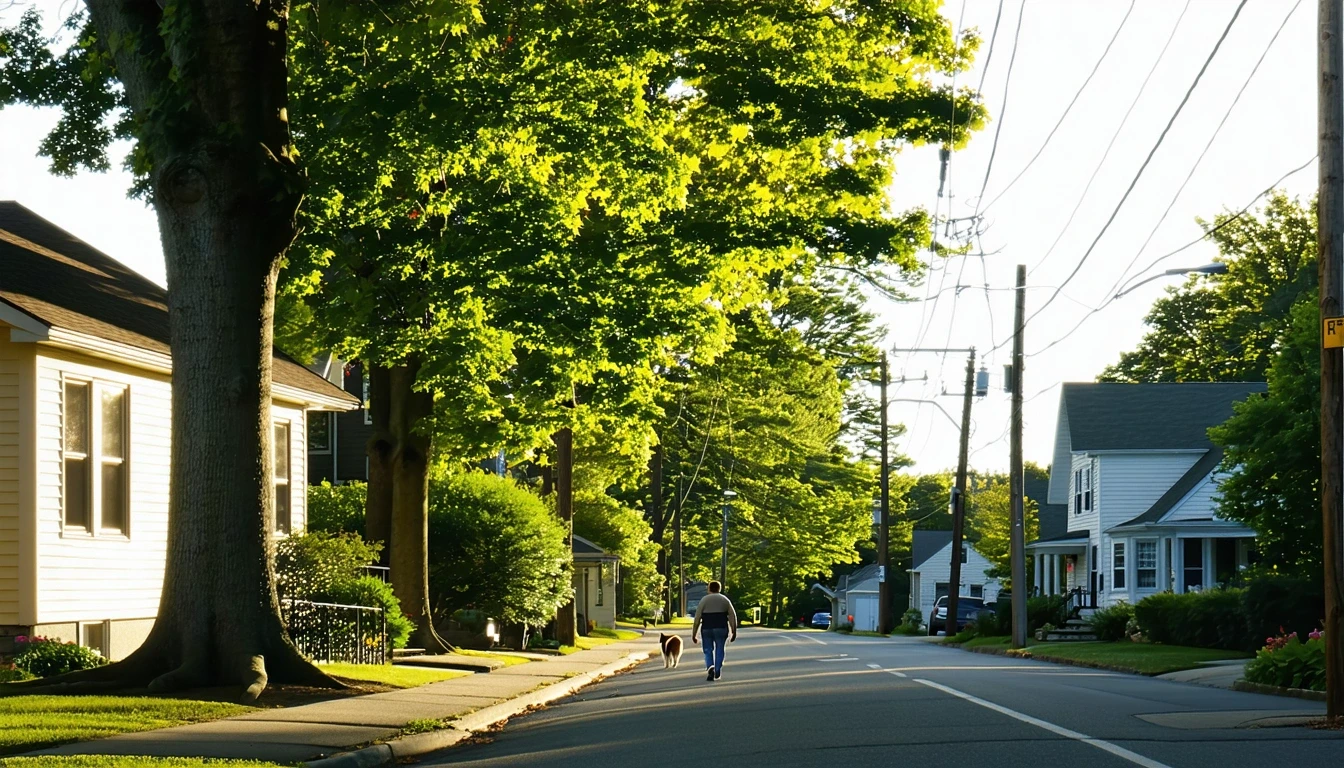
Bristol sits in Connecticut’s central corridor, where median household income runs around $82,094 per year. Housing here—whether renting at a median of $1,228 per month or buying into a median home value of $235,700—takes a meaningful share of that income. The city has walkable pockets with strong pedestrian infrastructure, but daily errands remain car-dependent: food establishment density falls below typical thresholds, and grocery options, while present, cluster rather than spread. Bus service exists, but without rail transit, most households rely on personal vehicles for work, shopping, and family logistics.
Comfortable living here means your income absorbs these realities without forcing you to choose between paying rent on time and replacing worn tires. It means winter utility bills—driven by cold temperatures and electricity rates of 27.72¢/kWh—don’t derail other plans. It means you can live near the walkable areas if you value that, or accept a car-dependent routine if you don’t, without financial strain dictating the choice.
Where Income Pressure Shows Up First
Housing dominates the pressure landscape. At $1,228 per month, median rent in Bristol represents a substantial claim on gross monthly income before taxes, insurance, transportation, or food enter the picture. For households earning near the median, this creates immediate tension: every dollar committed to rent is a dollar unavailable for everything else. Ownership at $235,700 median value shifts the pressure from monthly rent checks to property taxes, maintenance, and the rigidity of a mortgage—but the income demand remains high.
Utility volatility adds seasonal stress. Winters here bring sustained cold—current temperatures in the mid-20s are typical, not extreme—and heating costs layer onto already-elevated electricity rates. Natural gas prices sit at $26.56 per MCF, and households heat through months of freezing weather. Comfortable households absorb these swings without adjusting thermostats or delaying other expenses. Households under pressure make tradeoffs: lower temperatures indoors, deferred purchases, or credit reliance to smooth the gap.
Transportation costs create a different kind of friction. Despite walkable pockets with high pedestrian-to-road ratios, the sparse accessibility of food and grocery establishments means most households drive for daily errands. Gas prices around $2.86 per gallon seem modest, but the need to drive regularly—combined with Connecticut’s car-dependent geography beyond the walkable zones—means transportation becomes a fixed, recurring cost rather than an occasional expense. Comfortable income covers this without planning every trip. Tight income means consolidating errands, delaying oil changes, and calculating whether a trip is worth the fuel.
For families, financial pressure compounds. School density in Bristol falls below typical thresholds, meaning families often navigate longer distances or limited nearby options. Playgrounds and family amenities exist but aren’t densely distributed. Clinics provide routine healthcare locally, but hospital access requires travel. Each of these gaps doesn’t break a budget on its own, but together they create a logistics burden that costs time, fuel, and flexibility—resources that comfortable households have and stretched households don’t.
How the Same Income Feels Different by Household
A single adult earning near Bristol’s median income experiences pressure differently than a family at the same level. For someone living alone, $1,228 in rent is a large share of gross monthly income, but the rest of the budget is simpler: one commute, one set of errands, one utility account. The walkable pockets offer some relief—if you live near them, short errands on foot become possible—but the sparse grocery and food density still means regular driving. Comfort here means covering rent, utilities, transportation, and food without month-end anxiety, and having enough left over to handle an unexpected car repair or medical bill.
Couples at similar income levels can share housing and transportation costs, which eases the absolute burden. But dual-earner logistics get complicated quickly in Bristol: sparse errands accessibility means grocery runs and household tasks require intentional planning, and limited transit options (bus service only, no rail) mean most couples need at least one car, often two. Comfortable couples navigate this without stress. Stretched couples spend weekends coordinating errands, delaying purchases, and managing competing schedules around a single vehicle.
Families face compounded friction. Limited school density means fewer nearby options, adding travel time and reducing flexibility. Sparse daily errands infrastructure turns routine tasks—groceries, pharmacies, quick household needs—into planned trips rather than convenient stops. Larger housing needs push costs higher, whether renting or owning. Winter utility bills hit harder in bigger spaces. Comfortable families absorb all of this: they pay for the space they need, drive when necessary, heat adequately, and still save. Families under pressure make constant tradeoffs: smaller housing, longer commutes for better school access, deferred maintenance, and seasonal bill anxiety.
The Comfort Threshold (Qualitative)
The comfort threshold in Bristol isn’t a number—it’s the point where choices expand and tradeoffs ease. Below this threshold, every decision is financial: Can we afford this rent? Is this commute worth the gas? Do we heat the house or defer the electric bill? Above it, decisions become preferential: Do we want to live in a walkable pocket or accept more driving for a larger yard? Do we prioritize proximity to parks or lower rent?
Comfortable households in Bristol can absorb a winter utility spike without cutting other spending. They can replace a failing appliance without a payment plan. They can choose housing based on lifestyle fit—walkability, space, school access—rather than desperation. They maintain an emergency cushion and contribute to savings, however modestly. They don’t feel trapped by their income.
Households below this threshold experience Bristol differently. Rent or mortgage payments dominate the budget, leaving little room for error. Seasonal utility swings require advance planning or credit. Transportation costs are managed trip by trip. Errands are consolidated to save fuel. Unexpected expenses—car trouble, medical bills—create cascading pressure. There’s no monthly surplus, no buffer, no flexibility.
The threshold isn’t the same for everyone. A single adult with modest space needs and no dependents crosses it at a lower income than a family of four navigating limited school options and higher housing costs. A couple sharing expenses crosses it more easily than a single parent managing logistics alone. But the threshold exists for everyone, and recognizing where you stand relative to it matters more than knowing a specific income figure.
Why Online Cost Calculators Get Bristol Wrong
Most cost-of-living calculators treat Bristol as a data point: plug in rent, utilities, transportation, food, and sum to a total. But totals don’t explain how life feels here. A calculator might say Bristol costs X per month, but it won’t tell you that the sparse food and grocery density means you’ll drive for most errands despite the walkable pockets. It won’t explain that limited school options create travel time and logistics friction for families. It won’t capture that bus-only transit and car dependency make transportation a fixed, recurring cost rather than a variable one.
Calculators assume average behavior, but Bristol’s structure shapes behavior in specific ways. The presence of both walkable areas and car-dependent errands infrastructure means your experience depends entirely on where you live and what you prioritize. A household in a walkable pocket still drives for groceries. A household prioritizing school access may accept a longer commute and higher transportation costs. A couple managing dual-earner logistics without rail transit may need two vehicles, doubling transportation expenses that a calculator treats as a single line item.
Seasonal utility volatility—driven by cold winters and above-average electricity rates—doesn’t show up in annual averages. A calculator might estimate moderate utility costs, but it won’t prepare you for the reality of heating through sustained freezing weather or the behavior changes required if your income can’t absorb the swings.
People feel surprised after moving to Bristol because the totals were accurate but the texture was missing. The costs were expected, but the tradeoffs—time spent driving, logistics complexity for families, the need to plan around sparse errands accessibility—were not. Comfort isn’t about whether the math works on paper. It’s about whether your income gives you enough margin to navigate Bristol’s specific structure without constant compromise.
How to Judge Whether Your Income Fits Bristol
Instead of asking “Is my income enough?”, ask these questions:
How sensitive are you to housing tradeoffs? Can you accept $1,228 or more in rent as a fixed cost and still cover everything else comfortably? If buying, can you manage a $235,700 home price plus property taxes, maintenance, and utilities without stretching? If the answer requires cutting other categories or hoping nothing breaks, your income may not provide the margin Bristol demands.
Can you absorb seasonal utility swings? Winter heating costs in Bristol aren’t optional—they’re a recurring reality driven by sustained cold and above-average electricity rates. Comfortable income means these bills don’t force behavior changes or budget shuffling. If a high winter utility bill would require you to defer other expenses or rely on credit, you’re operating without enough cushion.
Is time or money your limiting factor? Bristol’s sparse daily errands accessibility and car-dependent structure mean you’ll spend time driving, planning trips, and managing logistics—especially if you have children. Comfortable income doesn’t eliminate this, but it gives you options: you can pay for convenience when it exists, absorb the fuel costs without trip-by-trip calculation, and maintain vehicles without deferring maintenance. If your income requires you to minimize driving, consolidate every errand, and delay repairs, the time burden becomes a financial burden.
How much flexibility do you expect month to month? Comfortable households in Bristol have surplus after fixed costs—enough to handle an unexpected expense, build savings, or make discretionary choices. If your budget has no margin, every surprise (car trouble, medical bill, appliance failure) becomes a crisis. Bristol’s cost structure doesn’t forgive tight margins: housing is high, utilities swing seasonally, and transportation is non-negotiable for most households.
If you have children, can you navigate limited infrastructure without strain? School density in Bristol falls below typical thresholds, and family amenities aren’t broadly distributed. This creates travel time, logistics complexity, and potentially higher transportation costs. Comfortable family income absorbs this friction. Stretched family income turns it into a constant source of compromise and stress.
Your answers to these questions matter more than any income figure. Bristol works well for households with enough margin to navigate its specific pressures—housing costs, utility volatility, car dependency, and infrastructure gaps—without constant tradeoffs. It works poorly for households operating at the edge, where every cost spike or unexpected expense forces difficult choices.
FAQs About Living Comfortably in Bristol
Is Bristol affordable compared to other Connecticut cities?
Bristol’s median rent of $1,228 and median home value of $235,700 sit below some of Connecticut’s higher-cost areas, but “affordable” depends entirely on your income and household structure. The regional price parity index of 103 indicates costs slightly above the national baseline. What matters more than the comparison is whether your income provides enough margin to handle Bristol’s specific pressures: utility volatility, car dependency for errands, and limited family infrastructure if you have children.
Can a single income support a family in Bristol?
A single income can support a family in Bristol, but only if that income is substantially above the median and the household can absorb compounded costs: larger housing, higher utilities, transportation for school and errands, and the logistics burden created by limited nearby school options and sparse daily errands accessibility. Single-income families operating near the median face constant tradeoffs and little margin for error. Dual incomes ease the pressure but introduce their own logistics complexity in a car-dependent environment with limited transit options.
Do the walkable areas make Bristol less car-dependent?
Bristol has walkable pockets with strong pedestrian infrastructure, but daily errands remain car-dependent for most households. Food establishment density falls below typical thresholds, and grocery options, while present, don’t spread evenly across the city. Even households in walkable areas drive regularly for shopping, appointments, and family logistics. The walkable pockets improve quality of life for those who value them, but they don’t eliminate transportation costs or the need for a reliable vehicle.
How much do utilities actually swing in winter?
Winter utility costs in Bristol rise meaningfully due to sustained cold temperatures and above-average electricity rates of 27.72¢/kWh. Natural gas prices at $26.56 per MCF add to heating expenses. Comfortable households absorb these swings without adjusting thermostats or deferring other spending. Households without margin face a choice: pay the higher bills and cut elsewhere, or lower indoor temperatures and accept the discomfort. The swing isn’t a surprise—it’s a predictable seasonal reality that your income either accommodates or doesn’t.
What happens if my income is just slightly below the comfort threshold?
Operating slightly below the comfort threshold in Bristol means constant low-level stress. You cover the essentials—rent, utilities, transportation, food—but there’s no cushion. Seasonal utility spikes require advance planning. Unexpected expenses force tradeoffs. Errands are managed for fuel efficiency rather than convenience. You’re not in crisis, but you’re not comfortable either. Over time, this wears: deferred maintenance becomes expensive repairs, lack of savings creates vulnerability, and the logistics burden of navigating Bristol’s car-dependent, infrastructure-limited structure feels heavier when you can’t pay for convenience or flexibility.
How this article was built: In addition to public economic data, this article incorporates location-based experiential signals derived from anonymized geographic patterns—such as access density, walkability, and land-use mix—to reflect how day-to-day living actually feels in Bristol, CT.
Bristol can work well for some households—but only if expectations match reality. Comfortable living here requires income that absorbs housing costs, utility volatility, car dependency, and infrastructure gaps without forcing constant compromise. If your income provides that margin, Bristol offers a manageable cost structure and access to walkable pockets, parks, and routine healthcare. If it doesn’t, the same costs and tradeoffs that others navigate easily become sources of ongoing strain.